

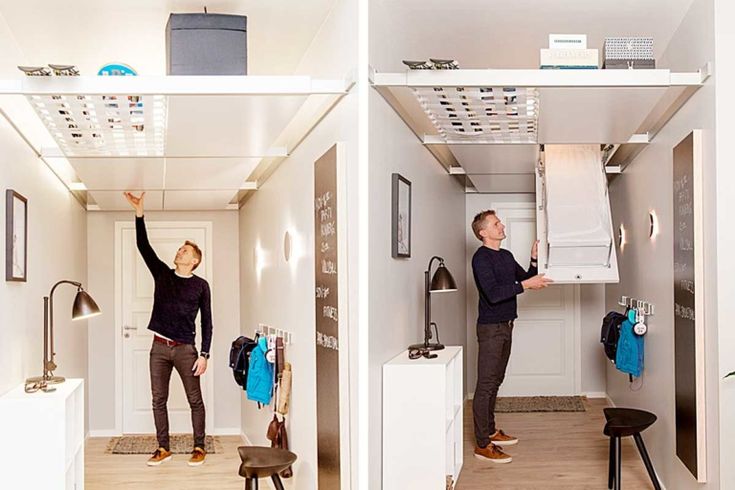
Across many households, the loft remains one of the least utilised areas, often becoming a chaotic dumping ground for items that do not have an immediate place elsewhere. Yet with proper preparation and thoughtful planning, this part of the home can serve as a highly practical extension of everyday living space. Unlike renting external self-storage units, which incur ongoing monthly costs and require travel to access, a loft offers immediate convenience. Understanding how to prepare and organise it effectively is the first step towards transforming unused overhead space into a dependable, safe storage area.
Common Challenges Found in Lofts

Many people hesitate to use their lofts because of structural limitations, awkward access, or valid concerns about safety. Traditional joists are often not designed to hold heavy loads, meaning that simply placing boxes directly on them risks long-term damage to the ceiling below. Furthermore, navigating an unfloored loft requires balancing on narrow wooden beams, posing a significant risk of slipping and putting a foot through the plasterboard.
Poor lighting, insufficient insulation, and narrow hatches can further reduce usability, making the space feel unwelcoming, dark, and inconvenient. These issues are not unusual, but they can be resolved through a combination of reinforcement, improved access, and strategic organisation. Addressing the initial weaknesses allows the loft to function as a safe and effective storage area rather than a hazardous no-go zone.
Preparing the Structure for Storage
Understanding the Existing Framework: Before any changes are made, it is helpful to assess the condition of the current structure. Examining joist strength, insulation depth, wiring routes, and ventilation helps identify what needs attention. Crucially, the loft floor is often a highway for the home’s infrastructure. Pipes, cables, and extractor fans snake across the joists. A professional approach ensures these are identified and protected, rather than crushed or pierced during a DIY attempt.
Reinforcing the Flooring Surface: A key step in preparing a loft for regular use is reinforcing the floor correctly. Placing boards directly onto joists can compress insulation and reduce efficiency. A raised platform is often recommended, as it spreads weight evenly and preserves the performance of insulation beneath. This approach provides a level, secure surface suitable for storing belongings without compromising the home’s thermal envelope.
Improving Access and Safety
A loft is far easier to use when the entry point is practical. Replacing old, wobbly step-ladders with sturdy retractable options (aluminum or timber) can make entry and exit much safer. Expanding a narrow hatch also makes it easier to move larger items in and out, reducing the risk of accidents and frustration. Additionally, safety within the loft is paramount. Installing a balustrade or grab rail around the hatch opening prevents accidental falls, offering peace of mind when moving boxes.
Creating a Functional Layout
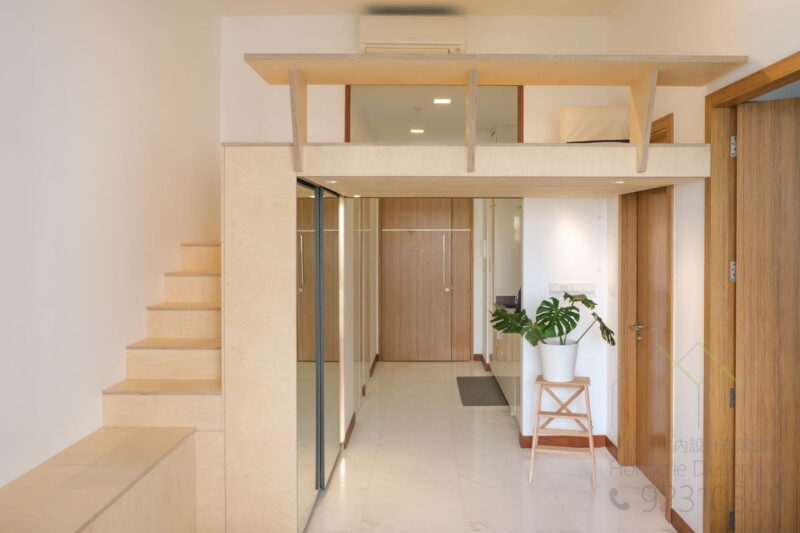
Decluttering before setup to create a space that works well long term, it is sensible to begin by sorting through existing items. Removing belongings that are no longer required frees up space and provides a clearer picture of how the loft can be arranged.
Organising for Ease of Use: Once the structure is secure, thoughtful organisation can turn the loft into an efficient storage hub. Consider the environment: lofts can experience temperature fluctuations. Therefore, swap cardboard boxes—which attract pests like silverfish and absorb moisture—for durable, clear plastic tubs with sealable lids. Using stackable containers, labelled boxes, and modular shelving helps keep similar items together. Grouping belongings by category—such as seasonal clothing, archived documents, decorations, or hobby equipment—makes retrieval far simpler.
Maintaining Good Conditions
Lighting plays a major role in usability. Relying on a single, dim bulb is insufficient for a large storage area. Bright, reliable LED tube lighting prevents accidents and makes the space more inviting. Ventilation and moisture control are equally important. A raised floor system must maintain an air gap above the insulation to prevent “interstitial condensation”—dampness that forms when warm air meets a cold surface. Proper airflow preserves both the stored items and the integrity of the roof timbers.
Energy Efficiency and Insulation
Preserving insulation depth is essential for maintaining thermal efficiency throughout the home. Any boarding should avoid compressing the material, as this significantly reduces its effectiveness and creates “thermal bridges” where heat escapes. Raised systems are particularly beneficial because they maintain insulation performance while still providing a firm surface for storage. This balance supports both comfort and reduced energy consumption.
Advantages of a Well-Organised Loft
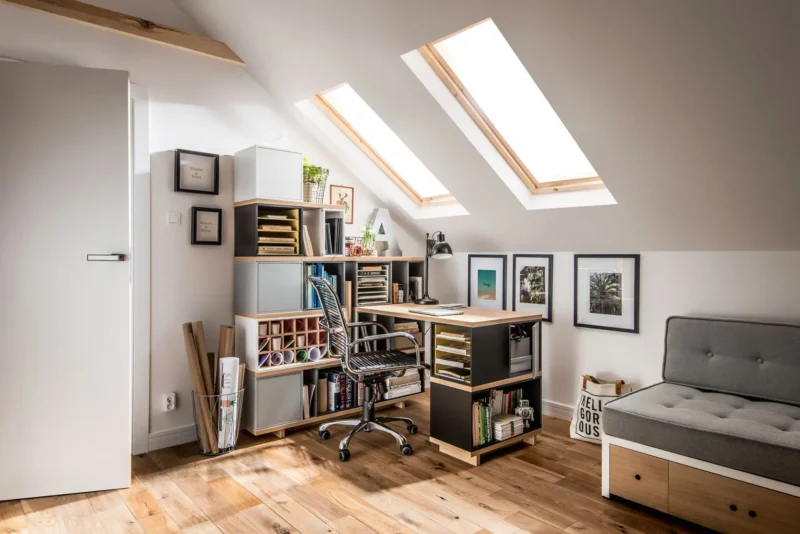
Protecting Stored Items: A properly prepared loft safeguards possessions from damp, dust, and accidental damage. With the right structure and organisation, seasonal and sentimental items can be stored securely throughout the year.
Reducing Clutter in Living Spaces: When the loft is usable, it becomes far easier to keep the main areas of the home clear. Belongings that are not needed daily can be stored neatly overhead, creating a cleaner and more spacious living environment downstairs.
Adding Practical Appeal to a Property: Although not a full conversion, an organised and accessible loft can add practical value to a property. Prospective buyers often appreciate additional storage space, and a well-prepared loft reflects positively on the overall state of the home maintenance.
Selecting Suitable Improvements
Every loft is different, so it helps to choose solutions that suit the property’s specific needs. Flooring systems, access upgrades, insulation protection, and storage arrangements should all be considered carefully. When looking for a comprehensive solution, it is often more cost-effective to bundle these elements. Instead of purchasing a ladder from one source and flooring from another, many homeowners find that loft boarding packages provide a straightforward way to combine several improvements into one cohesive plan.
Conclusion
Turning an overlooked loft into a dependable storage area requires a mix of structural preparation, sensible organisation, and ongoing maintenance. By reinforcing flooring, improving access, protecting insulation, and arranging items thoughtfully, homeowners can unlock valuable space within their property. With the right approach, the loft becomes not just an afterthought but a practical and efficient part of everyday living.