

Did you know that two of the most popular casino games in the world differ in house edge by more than double, even though they often sit right next to each other on the casino floor? That single fact is usually enough to spark a debate among players who want more than just entertainment. When real money is involved, odds matter. Strategy matters. Even pacing and psychology matter more than most people realize.
That is why the comparison of Roulette vs Blackjack keeps coming up among casual players and seasoned gamblers alike. Both games are iconic, both feel simple on the surface, and both can quietly drain or protect your bankroll depending on how you play them. Let us take a clear, honest look at which one truly gives better odds to win and why the answer is not always as obvious as it seems.
Understanding what “better odds” really means
Before comparing roulette and blackjack directly, it helps to pause and clarify what players usually mean by “better odds.” In casino terms, odds are not about how often you feel lucky or how exciting a game looks. They are measured through house edge, the built in mathematical advantage the casino holds over every bet.
House edge represents the percentage of each wager the casino expects to keep over time. A lower house edge means the player statistically keeps more of their money longer. That does not guarantee short term wins, but it does define long term expectations.
Better odds also depend on player influence. Some games allow skill and decision making to reduce the house edge. Others are purely chance driven, where no amount of experience changes the math. This distinction is where roulette and blackjack begin to separate sharply, and why choosing between them is not just a matter of preference or superstition.
Roulette basics and where the odds come from
Roulette is one of the most visually appealing casino games. The spinning wheel, bouncing ball, and wide betting layout create instant excitement. From an odds perspective, though, roulette is simple and unforgiving.
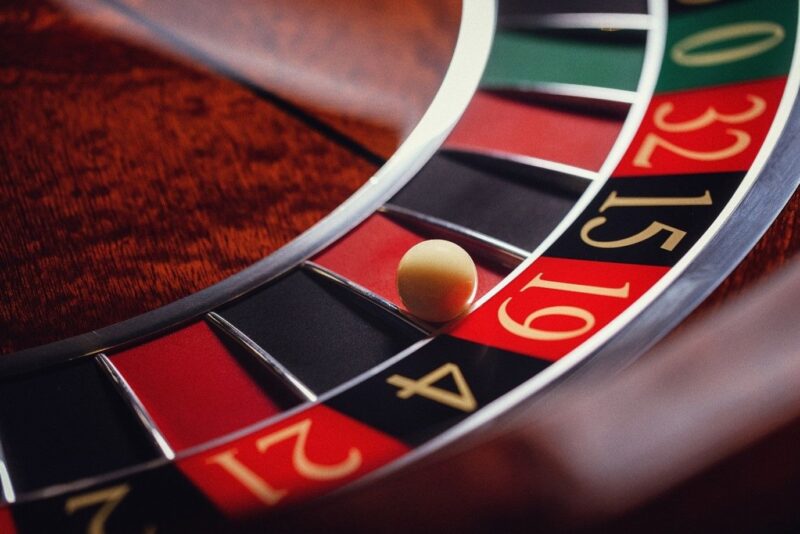
In European roulette, there are 37 pockets. Numbers 1 through 36 and a single zero. American roulette adds a double zero, bringing the total to 38 pockets and significantly worse odds.
Here is how the house edge looks in practice:
- European roulette has a house edge of about 2.7 percent
- American roulette increases that edge to roughly 5.26 percent
- The edge remains the same regardless of betting style
It does not matter if you bet red or black, odd or even, or a single number. The payouts are adjusted so the casino advantage stays constant. Roulette offers no strategic decisions after placing a bet, which means every spin is mathematically identical to the last.
Blackjack fundamentals and player influence
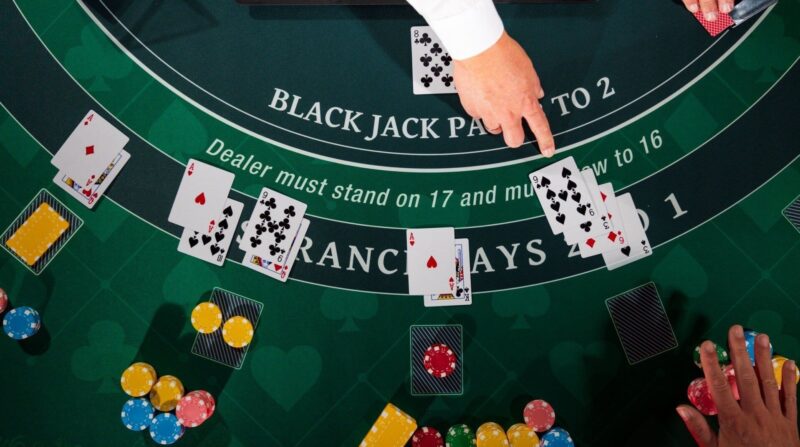
Blackjack feels different because it actually is different. Unlike roulette, blackjack allows players to make decisions that influence the outcome. Hit, stand, double, split, or surrender choices all affect the final result.
When played with basic strategy, blackjack offers one of the lowest house edges in any casino game. In many standard rule sets, the house edge can drop to around 0.5 percent or even slightly lower.
This difference comes from probability management. Players are not guessing outcomes blindly. They are responding to visible information such as their hand total and the dealer’s upcard.
Blackjack house edge depends heavily on player decisions and table rules. Incorrect choices can raise the edge dramatically, while correct strategy minimizes casino advantage.
This dynamic alone places blackjack in a different category. Skill does not eliminate risk, but it does give disciplined players a measurable statistical edge over time compared to purely chance based games.
A direct odds comparison at a glance
Looking at the numbers side by side makes the contrast clearer. The table below summarizes typical house edges under common conditions.
| Game Type | Version or Play Style | Approximate House Edge |
| Roulette | European roulette | 2.7% |
| Roulette | American roulette | 5.26% |
| Blackjack | Basic strategy, standard rules | 0.5% |
| Blackjack | Poor strategy | 2% to 4% |
What this table shows is not just that blackjack usually has better odds, but that player behavior directly shapes outcomes. Roulette’s edge is fixed. Blackjack’s edge is flexible.
That flexibility can be a benefit or a trap, depending on discipline and preparation.
Online casinos, game variety, and modern platforms

The way players experience roulette and blackjack has changed dramatically with online casinos. Digital platforms now offer multiple variants, live dealer tables, and rule sets that influence odds in subtle ways.
For players exploring online options, platforms like Highroller, the innovative and expanding igaming destination, showcase how modern casino environments present both games side by side with clear rule descriptions, live tables, and transparent payout structures. This matters because small rule differences such as blackjack payouts or the presence of a double zero in roulette can shift odds noticeably.
Online play also removes physical pressure and allows players to take their time with decisions. For blackjack players, this can improve strategy execution. For roulette players, it reinforces the reality that each spin remains independent, no matter how patterns might appear on screen.
Betting systems and common misconceptions
Many roulette players rely on betting systems such as Martingale, Fibonacci, or Labouchere, believing these can overcome the house edge. These systems adjust bet sizes, not probabilities.
The truth is simple but uncomfortable. Betting systems do not change expected value. They only alter volatility and risk exposure.
- Losing streaks are mathematically inevitable
- Table limits eventually stop progression systems
- Long term house edge remains unchanged
Blackjack also has myths, particularly around card counting. While counting can reduce house edge under specific conditions, modern casinos use multiple decks and reshuffling to neutralize this advantage.
Did you know?
Even perfect card counting only shifts expected value slightly, and it requires flawless execution, strict bankroll control, and favorable rules. For most players, basic strategy remains the most practical edge.
Pace of play and bankroll impact

Another often overlooked factor in the roulette vs blackjack discussion is game speed. Faster games produce more bets per hour, which increases the impact of house edge over time.
Roulette spins are quick and often encourage side bets and repeat wagers. Blackjack hands take longer, especially when players think through decisions.
More bets per hour multiplied by a higher house edge means bankrolls drain faster in roulette than many players expect. Blackjack’s slower pace and lower edge allow money to last longer, which is critical for players who value longevity over short bursts of excitement.
This does not mean roulette cannot be enjoyable. It simply means players should approach it with realistic expectations and tighter session limits.
Risk, volatility, and emotional experience

Odds are not the only factor players care about. Emotional experience plays a major role in why people choose one game over another.
Roulette offers high volatility moments. A single number hit can produce large payouts instantly. Blackjack delivers steadier outcomes, where wins and losses feel incremental and controlled.
Some players prefer the calm rhythm of blackjack, where decisions feel deliberate and outcomes predictable over time. Others enjoy the suspense and drama of roulette, even knowing the odds are less favorable.
Understanding your own risk tolerance matters. A game with better odds is not automatically better if it does not match how you enjoy playing or how you manage losses.
So which game really gives better odds to win?
When judged purely on mathematics, blackjack clearly provides better odds than roulette, especially when played with basic strategy and favorable rules. The difference is not small. It is substantial over time.
However, “better odds” does not mean guaranteed success. Blackjack rewards discipline, patience, and learning. Roulette rewards entertainment, simplicity, and emotional highs.
For players who want the strongest statistical position, blackjack is the clear winner. For players who value simplicity and excitement over expected value, roulette remains appealing.
The smartest approach is not choosing one forever, but understanding exactly what each game offers before placing your money on the table. When you know the math behind the fun, you play with clarity instead of illusion.