


Have you ever wondered what happens when a patient calls your clinic late in the evening with a worrying symptom and there’s no one there to answer? Research suggests that telephone triage for after-hours care can be safe in about 97 percent of all out-of-hours contacts when systems are properly structured.
That’s impressive, but it also leaves room for improvement, especially when the stakes are high. Handling after-hours patient calls isn’t just about “picking up the phone.”
It’s about building a coverage process that protects patient safety, reduces staff stress, and makes sure every caller feels heard.
Why After Hours Patient Calls Matter
After-hours calls are often the only touchpoint patients have with their primary clinic when something feels wrong outside normal office hours. If you fail to respond reliably:
- Patients may go to urgent care or hospital emergency departments unnecessarily.
- Some may delay care, risking complications.
- Your clinic’s continuity of care and reputation can suffer.
A well-designed coverage process turns what can feel chaotic into a structured, dependable system. By leveraging outsourced medical receptionist support clinics ensure that calls are answered promptly even when in-house staff are off-duty. This kind of setup helps clinics maintain responsiveness without overburdening internal teams or sacrificing quality.
Professionals with specialized training can manage patient communications, appointment requests, and essential triage questions, which leads to better patient trust and fewer missed opportunities for care.
Understanding the Core Components of a Reliable Coverage Process
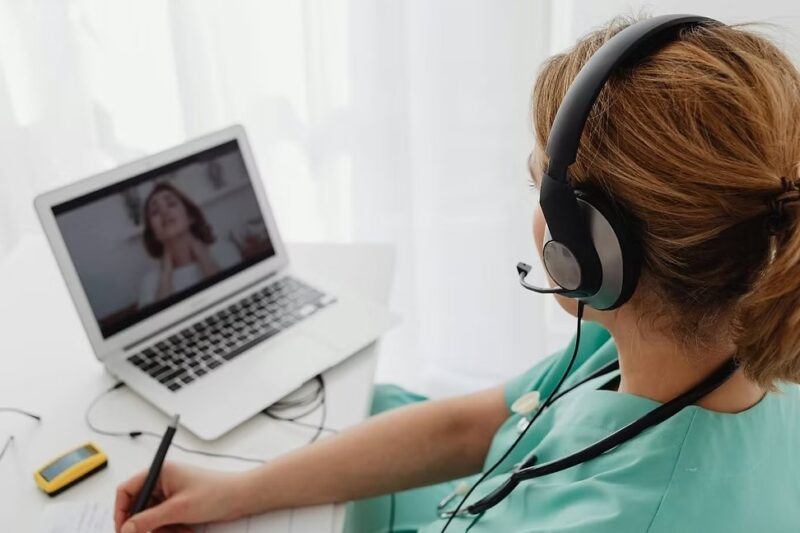
Clinics must design coverage that balances clinical risk, workflow, staffing, and patient expectations. A reliable system will have these five foundational components:
1. Defined Roles and Responsibilities
Each team member or service must understand exactly what they’re accountable for when after-hours calls come in.
2. Triage Protocols
Using validated phone triage protocols or software helps standardize decision-making so that urgency is identified accurately.
3. On-Call Schedules
Ensure on-call staff have scheduled shifts, rotations, and clear transition procedures to avoid confusion.
4. Communication Channels
Systems for messaging, escalation, and documentation need to be seamless so nothing slips through the cracks.
5. Feedback Loop
Your team must regularly review after-hours call outcomes to improve processes.
This structured approach means your clinic isn’t guessing when the next call comes at 2 AM, and your patients feel safe knowing someone qualified is ready.
Practical Models of After-Hours Coverage
There isn’t a one-size-fits-all model for every clinic, but here are three successful approaches that clinics commonly use.
|
Model |
Best For |
Key Benefits |
Challenges |
| In-House On-Call Staff | Mid to large clinics with enough personnel | High control over messaging and protocols | Can be expensive and lead to burnout |
| Triage Nurse Hotline | Clinics with high call volume | Clinical expertise at first contact | Cost and training requirements |
| Outsourced Support + On-Call Clinicians | All clinic sizes | Scalability, responsiveness, and lower costs | Requires clear integration and training |
- In-House On-Call Staff give you complete control, but this model can tax your internal team if not managed carefully.
- Triage Nurse Hotlines bring clinical confidence to calls by having trained nurses handle call triage decisions. Studies show telephone triage can be safe at high rates when done well.
- Outsourced Support + On-Call Clinicians is often the most balanced approach, giving clinics the ability to answer calls 24/7 without attaching it solely to internal manpower.
Each model has trade-offs, but the winning factor across all successful processes is clarity in execution.
How to Handle Triage and Clinical Risk

Handling triage for after-hours calls is about more than simply asking a couple of questions. Triage needs a structure that ensures:
- Consistent assessment of symptoms
- Appropriate escalation to clinical staff
- Patient instructions that reduce risk and confusion
A block of critical understanding for many clinics is found in a systematic review of telephone triage safety: telephone triage can be safe in most contacts when properly organized.
Systems like NHS Pathways in the UK provide a model of structured triage pathways that reduce unnecessary use of urgent services and direct patients appropriately based on symptoms.
Best Practices for Triage
- Use scripted questions for common complaints
- Log every call in your electronic health record
- Keep an escalation path clear if an urgent clinical decision is needed
Reliable triage directly influences patient outcomes and the trust they have in your practice.
Training, Tools, and Technology That Support After-Hours Coverage
Creating a coverage process isn’t just about people but also about giving them the right tools. Some clinics invest in:
- Triage decision support software to help staff assess symptoms consistently
- Unified communication platforms so messages and call summaries sync across teams
- Automated alerts and handoffs when a call needs clinical escalation
In addition to these tools, training is crucial. A good training program should cover:
- Effective empathetic communication
- Recognizing red-flag symptoms over the phone
- Escalation procedures and documentation best practices
Equipping your team with both tools and training helps you maintain quality while scaling your coverage.
Measuring Success and Improving Over Time

You won’t build a perfect system overnight. Successful after-hours coverage evolves through iterative refinement. Use metrics like:
- Wait time for answering calls
- Escalation rates to clinical staff
- Patient satisfaction scores
- Outcome follow-up compliance
Collecting data and reviewing it monthly or quarterly helps you identify bottlenecks and opportunities for improvement. Clinics that monitor and adapt tend to have stronger patient retention and fewer complaints.
Conclusion
At the heart of all this is a simple idea: patients deserve consistent, high-quality access to care no matter when they need it.
With thoughtful triage protocols, solid on-call personnel scheduling, the right technology, and smart outsourced medical receptionist support, clinics can build coverage that truly works for patients and staff.
Effective after-hours processes protect patients, reduce clinician fatigue, and improve your clinic’s reputation. Start by defining goals, choosing the right model for your resources, and committing to regular refinement.
When you get this right, you transform after-hours calls from stress points into strengths in your patient care system.