


Foreign trips attract many Indian travellers, but one accident, illness or travel disruption can drain savings quickly. Unexpected hospital bills abroad are often far higher than what most people expect, and even simple issues like misplaced baggage can disrupt carefully planned itineraries.
The right policy turns those risks into controlled costs, whether it is broad overseas cover or focused Bali travel insurance for a single island holiday.
Here you will learn how Indian tourists can compare plans, link cover to their itinerary, understand key clauses, and manage overall costs.
Comparing Plan Options
The starting point is to choose a plan structure that matches usual travel habits. Frequency of trips, common regions and family size together decide whether short-term or longer-term cover makes sense.
Single-trip policies suit one planned journey, while annual multi-trip plans may work better for frequent flyers. Region-based policies help travellers who mainly visit nearby countries. Comparing travel insurance online from more than one insurer reveals how sums insured, age limits, and family options differ.
Assessing Trip Requirements

Once you’ve chosen the general type of travel policy, it helps to shape it around the real trip you’re taking. Where you’re going, how long you’ll be away, and what you plan to do all influence what kind of protection actually makes sense.
- Travel destination matters. Some countries have very expensive private healthcare or limited emergency services, so higher medical limits and evacuation cover can really save stress and money. Remote or island locations may also need transport cover in case ongoing treatment has to continue elsewhere.
- Trip duration changes the level of risk. Short city breaks usually manage well with mid-range cover, while longer trips naturally increase the chance of delays, illness, or cancellations. It is always smart to include every day abroad (including layovers) and leave a tiny buffer in case plans change.
- Activities and adventures deserve attention. If your plans include hiking, diving, skiing, or anything a bit more exciting than a city stroll, check that your policy clearly includes it. Many insurers treat these separately, so it helps to confirm what is covered and whether certain equipment, guides, or licensed operators are required.
Understanding Visa and Destination Insurance Requirements
Some destinations do not just “recommend” travel insurance; they actually require it. For example, Schengen countries expect travellers to carry medical cover that meets a minimum specified limit, and certain study, work and long-stay visas come with clearly defined insurance conditions.
Checking these rules early helps avoid rejected applications, last-minute panic, or buying the wrong plan. It also ensures that your chosen policy is recognised and accepted when documents are reviewed at embassies, consulates, or immigration points.
Reviewing Coverage Details
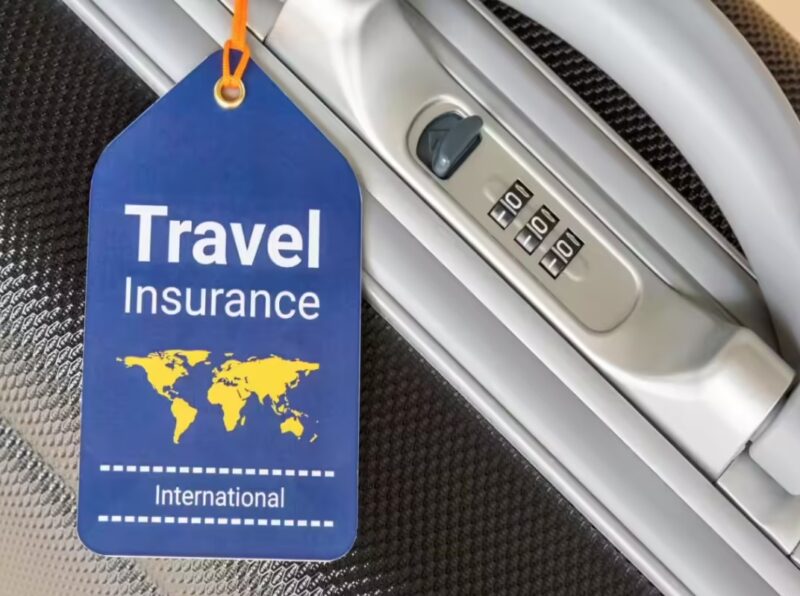
Most policies group their benefits into three pillars: medical treatment, events affecting the journey and protection for baggage and belongings. Each of these areas plays a distinct role in limiting what a traveller might have to pay personally during a crisis.
Medical Coverage
The medical coverage deals with hospitalisation, outpatient care, and diagnostic tests up to the chosen limit. Ambulance expenses, evacuation to a more adequately equipped centre, and repatriation (when stable) to India are also common parts of many plans.
In case you have an underlying condition, this part is to be considered carefully. Some policies address only the acute medical emergency associated with those conditions and do not include routine or ongoing treatment.
Journey-Related Coverage
Journey-related clauses explain when the insurer will pay for cancellation, curtailment, long delays, or missed flights. They describe which reasons qualify, how unused bookings are reimbursed and what caps apply to extra hotel and meal costs.
Baggage and Belongings Coverage
Baggage cover deals with loss, delay or damage to luggage. Policies usually set an overall limit and smaller caps for individual items or defined item groups, along with reporting deadlines and proof of ownership rules.
Check the Insurer’s Trustworthiness

Travel insurance only really matters if the company behind it can actually help when life throws surprises your way. How strong they are financially, how they handle claims, and how good their international support is will tell you a lot about how reliable they’ll be when it counts.
- Look at the claim settlement ratio. This shows how many claims the insurer successfully pays compared to how many are filed. A steady ratio over several years usually suggests consistent processes, even though it cannot guarantee the outcome of any single claim.
- Understand how they handle claims in real situations. A helpful insurer makes things easier in stressful moments. Clear guidance, reachable support lines, reliable partner hospitals, and simple online document submission can make a huge difference when you just want to get better instead of fighting paperwork.
Optimising Overall Cost
The final step is to match the cover to the available budget. With careful choices on exclusions, sub-limits, deductibles, and add-ons, premiums can fall without losing protection where it matters most.
Policy Exclusions
Exclusions list situations where the insurer will not pay, often involving unlawful acts, specific medical conditions, high-risk behaviour, or restricted regions. Reading them shows where personal funds remain the only safety net and whether another plan is better suited.
Sub-Limits
Sub-limits are smaller caps within the overall sum insured, frequently applied to room rent, daily allowances or particular treatments. A policy that appears generous in total may offer limited help once these caps are used, so comparing them across plans is important.
Custom Add-ons
Add-ons allow travellers to adapt a base policy to a specific itinerary. Choosing only necessary add-ons avoids waste while strengthening protection for key medical, journey-related or baggage risks.

Conclusion
For Indian tourists, effective international travel insurance combines a suitable plan structure, trip-aware limits, trustworthy claims support, and manageable cost. By comparing options carefully, using travel insurance online tools thoughtfully, and focusing on meaningful benefits, travellers can explore global destinations with greater financial security.
A well-chosen policy does more than meet visa rules or tick a mandatory box. It brings peace of mind, reduces stress when plans change, and protects savings if something unexpected happens far from home. With a little preparation before booking flights and hotels, travel insurance becomes a steady safety net that supports a more relaxed, confident, and enjoyable trip.