

Did you know many medical equipment providers spend close to half of their week handling paperwork instead of focusing on patients and growth? That challenge has pushed the industry to change faster than ever.
Over the past decade, a business once defined by forms, manual processes, and endless admin work has shifted toward smarter digital systems and more connected workflows.
What used to be slow and fragmented is becoming far more organized, efficient, and data-driven. And today, the right technology is often the deciding factor between a provider that thrives and one that struggles to keep up in an increasingly competitive market.
Why Medical Equipment Providers Are Facing a New Reality

Medical equipment providers face unique challenges that distinguish them from typical retail or healthcare operations. They must navigate complex insurance requirements, maintain detailed patient records, manage inventory across multiple locations, and ensure compliance with ever-changing regulations. According to industry reports, providers spend an average of 23 hours per week on administrative tasks alone, time that could be better spent on patient care and business growth.
The traditional approach of managing these responsibilities through spreadsheets and manual processes has become unsustainable. Providers report error rates of up to 15% in manual billing processes, leading to delayed payments and revenue loss. These challenges have pushed the industry toward digital solutions that can handle the complexity while reducing overhead.
Key Features That Modern Providers Need
The most successful businesses today rely on technology built specifically for their workflows, with features that simplify daily operations while strengthening financial performance and regulatory reliability. Here are the capabilities that make the biggest difference in practice.
1. Inventory Management Integration
Successful medical equipment businesses require real-time visibility into their stock levels. This includes tracking serial numbers, managing expiration dates for supplies, and coordinating equipment maintenance schedules. A centralized system eliminates the chaos of managing multiple spreadsheets and reduces the risk of stockouts or overstocking.
2. Patient Documentation and Compliance

Proper documentation is critical for both patient care and reimbursement. Modern systems must handle:
- Certificate of Medical Necessity (CMN) forms
- Delivery tickets and proof of delivery
- Patient assessment records
- Insurance verification documents
- HIPAA-compliant data storage
3. Billing and Revenue Cycle Management
The financial side of medical equipment provision presents its own set of challenges. DME billing software has become essential for providers who want to reduce claim denials and accelerate payment cycles. These specialized systems understand the nuances of equipment billing codes, rental versus purchase scenarios, and the specific documentation requirements of various insurance carriers.
Industry data shows that providers using automated billing systems experience 40% fewer claim denials compared to those using manual processes. The time to payment also drops significantly, from an average of 45 days to approximately 28 days.
4. Real-World Impact: The Numbers Tell the Story
| Metric | Manual Process | Automated System | Improvement |
| Claim Denial Rate | 18% | 7% | 61% reduction |
| Average Days to Payment | 45 days | 28 days | 38% faster |
| Administrative Hours/Week | 23 hours | 12 hours | 48% decrease |
| Documentation Errors | 15% | 3% | 80% reduction |
5. Integration With Healthcare Workflows
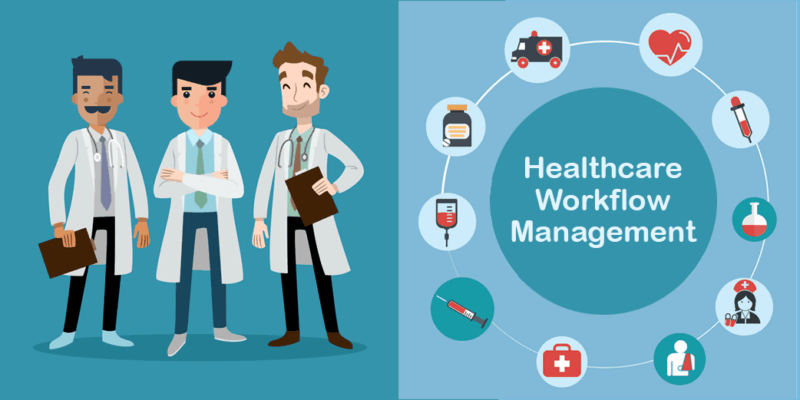
Modern medical equipment providers don’t operate in isolation. They work closely with physicians, hospitals, home health agencies, and insurance companies. HME software that integrates seamlessly with electronic health records (EHR) and other healthcare systems creates a smoother workflow for everyone involved.
This integration reduces duplicate data entry, minimizes communication errors, and speeds up order processing. Physicians can submit orders electronically, providers receive instant notifications, and patients get their equipment faster. Some systems even offer patient portals where individuals can track their orders, access documentation, and communicate with providers directly.
Security and Compliance Considerations
Healthcare data breaches cost an average of $10.93 million per incident, according to recent security studies. For medical equipment providers, that risk is very real. They work with patient records, insurance details, delivery documentation, and clinical verification data every single day. That means security is not just an IT concern – it is a core business requirement and a compliance obligation.
Modern, cloud-based systems are designed with these realities in mind. They help providers reduce risk, maintain regulatory compliance, and protect both business reputation and patient trust through features such as:
- Automatic data backups, so critical patient and business information is never lost
- Encrypted data transmission, safeguarding information as it moves between systems and users
- Role-based access controls, ensuring only authorized staff can view or edit sensitive records
- Audit trails for compliance reviews, making it easier to prove what was accessed, when, and by whom
- Automatic software updates and security patches, reducing vulnerability and keeping systems aligned with evolving regulations
With cyber threats increasing and regulations becoming stricter, investing in secure, compliant technology is one of the most important decisions a medical equipment provider can make.
Improving Patient Experience Through Digital Convenience

Modernization is not only about internal efficiency, billing accuracy, or compliance. It also significantly changes how patients experience receiving medical equipment and ongoing support. When processes are slow, confusing, or poorly communicated, patients feel the impact first. Digital platforms help bridge this gap by offering clearer communication, faster fulfillment, and greater transparency throughout the process.
Features such as online order tracking, automated appointment reminders, digital consent forms, and patient portals give individuals more control and understanding of their care journey. Instead of waiting for calls or dealing with paperwork confusion, patients can easily view status updates, upload required documentation, and communicate directly with providers when needed. Ultimately, better digital tools lead to fewer delays, fewer misunderstandings, and a smoother overall experience — which strengthens trust and long-term patient relationships.
Making the Transition
Moving from legacy systems to modern platforms requires planning and commitment. Successful transitions typically involve staff training, data migration, and workflow redesign. However, providers consistently report that the initial investment pays dividends through improved efficiency, reduced errors, and faster revenue cycles. The question is no longer whether to modernize, but how quickly a provider can implement the tools needed to remain competitive in today’s market.