


A kitchen remodel is a very exciting project. You can finally have the fresh colors and neat cabinets that you have been dreaming about for years! That said, it helps to take a minute to think about what is truly important before you begin.
By the end of your project, you will find that remodeling is not just about a shinier countertop or a sleeker stove. The main thing is to select the best possible contractor for the job.
For example if you’re in Arizona, then the best Phoenix kitchen remodeling company is Superior Stone and Cabinet. Outside of the choice of contractor, here are five pitfalls to avoid to ensure your kitchen remodeling project is a resounding success.
1. Not Prioritizing Function
A beautiful kitchen is wonderful, but beauty alone cannot redeem a bad design. The biggest mistake people make is starting with the fun, visual decisions, such as cabinet colors and backsplash tiles. These things matter, of course, but they should come after you have solved the invisible puzzle of how the kitchen flows.
A well-planned kitchen considers where you chop vegetables, where you set hot pans, how you move from the fridge to the stove, and how many people tend to be in the space at once. If your counters are set too far apart or there is no prep zone near the sink, the kitchen will become a daily source of frustration, no matter how stylish it looks.
Therefore, always start with the layout. Once the workflow makes sense, then you can add the finishes that bring the space to life.
2. Underestimating Lighting
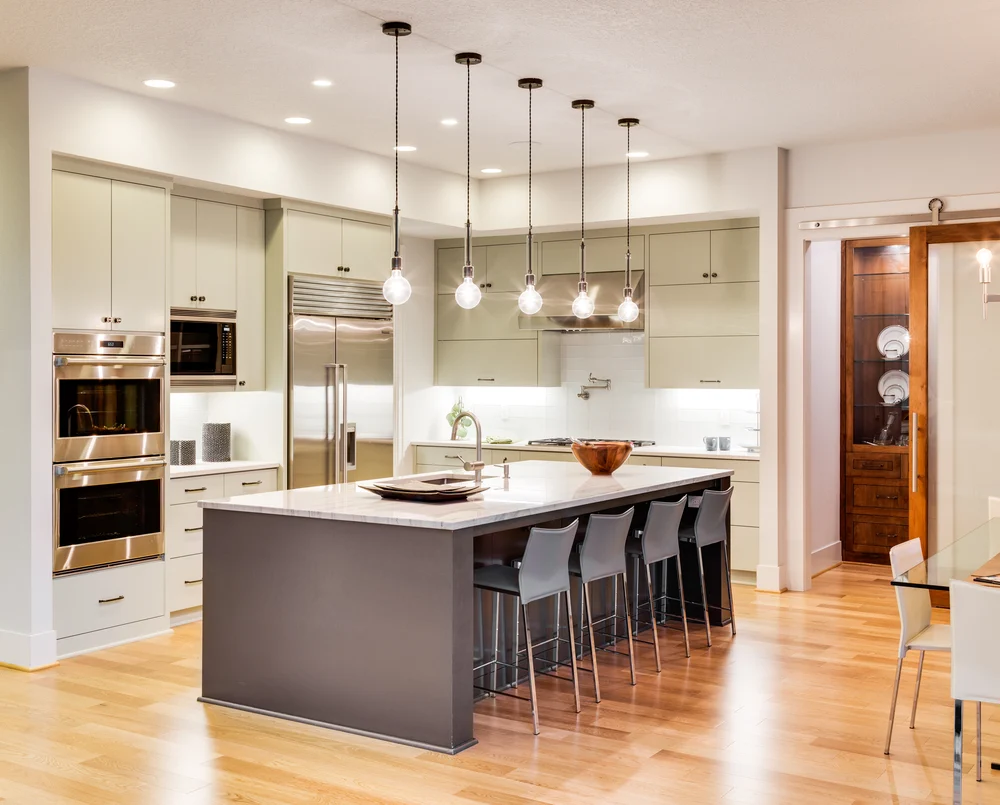
Lighting rarely gets the attention it deserves, but it is one of the most important elements of a remodel. People often assume that a single ceiling fixture or a row of recessed lights will do the job, but you can really elevate your kitchen by mixing lighting types. From task lighting to soft glows, kitchen lighting should be both functional and aesthetically pleasing.
Bright lighting makes reading recipes and preparing ingredients much easier; under-cabinet lights brighten the workspace without overwhelming the rest of the room; ambient lighting creates a warm overall atmosphere; and accent lighting highlights architectural details or adds atmosphere during quiet evenings.
When it comes to lighting, think about what would make your kitchen a place that you would enjoy spending time in, instead of just a utilitarian area for cooking.
3. Forgetting to Plan for Appliances and Ventilation
Many homeowners get carried away with cabinets, countertops, and finishes, while the appliances and ventilation become an afterthought. However, a kitchen functions around how well these elements are planned.
If your refrigerator cannot open fully, your oven heats the room instead of venting properly, or your dishwasher blocks movement, even a beautiful kitchen becomes frustrating to use.
Poor ventilation can also trap moisture, grease, and odors, which may affect indoor air quality and damage finishes over time. This is why appliances and ventilation should be part of the design from day one, not something added at the end.
When planning your remodel, make sure to think carefully about:
- appliance sizes and clearance so doors open comfortably and movement stays natural
- placement of major appliances to support efficient kitchen workflow
- proper ventilation to effectively remove smoke, moisture, heat, and odors
- choosing energy-efficient appliances to help lower long-term utility costs
- appliance noise levels, especially in open-concept living spaces
Planning these details early ensures the kitchen is both attractive and genuinely pleasant to cook and live in.
4. Ignoring Storage Needs
Many homeowners assume that more cabinets equal better storage. Unfortunately it does not always work that way! Cabinets without proper internal organization can turn into clutter zones where everything disappears into the back, leading to daily annoyance and a sense that the kitchen does not have enough space, even when it technically does.
The smartest remodels include purpose-built storage. For instance, deep drawers for pots and pans, pull-out shelves for heavy appliances, and a spice drawer that allows you to see all your seasonings at a glance. Items you use regularly should be easy to reach, while items you rarely touch should have a designated spot where they stay neatly stored.
This is also the moment to think realistically about your cooking habits and to get rid of kitchen equipment that you do not need.
5. Choosing Trendy Over Timeless
It is hard not to want the dramatic open shelving that is everywhere on Instagram, or the matte-black countertops that look great in the showroom. But, while trends can be inspiring, not all of them will work in your home.
Certain materials are gorgeous but high-maintenance. Some scratch easily, stain quickly, or require constant sealing. Open shelving looks beautiful in curated photos, but it demands regular dusting and perfect stacking every day. A delicate finish may look amazing on day one, but may develop wear marks long before you are ready to replace it.
Hence, it is best to choose materials not only based on style, but also on how they will hold up with use. If you cook often, durability matters most. If you have kids, you will want surfaces that are easy to clean, so your kitchen stays attractive without extra stress.
6. Not Budgeting for Unseen Costs
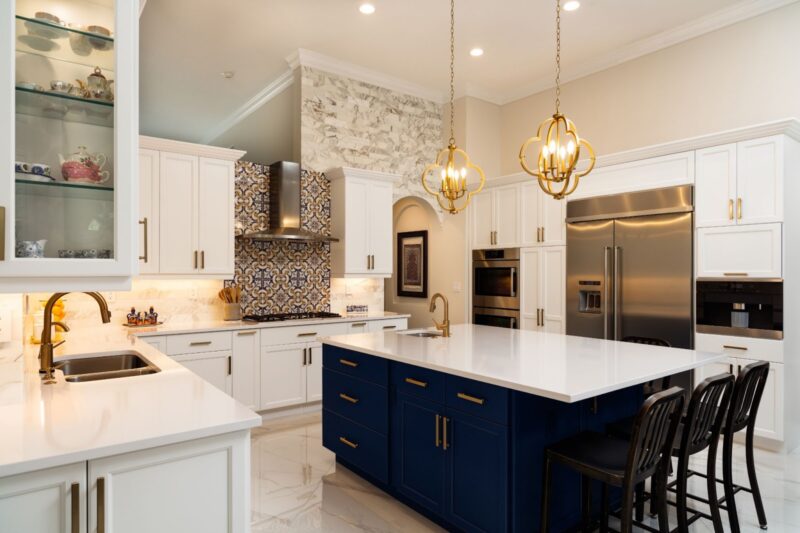
You may think that a remodel project only includes the visible elements, like new appliances and countertops. However, homeowners are often surprised about how quickly the unseen costs start adding up. This can include electrical upgrades to meet modern codes, plumbing adjustments to accommodate a new layout, improved ventilation, and updated insulation behind the cabinets.
If you do not plan for these hidden costs from the beginning, the budget becomes tight fast, and you do not want to have to cut corners on materials or sacrifice essential functional additions. Therefore, it is best to allocate at least 10% of the total project cost to unexpected issues and potential infrastructure improvements.
These foundational improvements keep your kitchen safe, functional, and up to today’s standards.
Conclusion
A kitchen remodeling looks simple from the outside, but it requires careful planning for a truly successful outcome. When you avoid the common mistakes, the process becomes less stressful and more meaningful. And the result? A kitchen that is genuinely enjoyable, whether it is an intimate meal for two or a lively gathering with friends and family.
To start your kitchen remodel on the right foot, consult with experienced designers and kitchen remodel contractors who can help you evaluate your needs and choose the most appropriate design elements for your lifestyle. They can also help you create a realistic budget that ensures a satisfying transformation of your kitchen space.