

Saudi Arabia is probably not the country you imagined when you first started traveling. A few years ago, most people still associated it only with business trips or religious travel. Fast forward to 2026, and the Kingdom has quietly turned into one of the most intriguing destinations on the planet. New visas, ambitious tourism projects, and a genuine effort to open up to the world have changed the experience dramatically.
The real surprise is not the skyscrapers or luxury hotels. It’s the contrast. One day you’re sipping specialty coffee in a design-forward café, the next you’re standing in a silent desert canyon that looks untouched by time.
If you like destinations that challenge your assumptions and reward curiosity, Saudi Arabia delivers in ways few places do.
Why Saudi Arabia Feels Different From Other Destinations
Saudi Arabia is not a “plug-and-play” destination like parts of Europe or Southeast Asia. That’s part of its appeal. Travel here requires a bit more awareness, a bit more respect for local norms, and a willingness to adapt. In return, you get experiences that still feel raw and largely undiscovered.
The country is massive, larger than many people realize, and incredibly diverse. Coastal cities feel humid and lively, desert regions feel cinematic and surreal, and major urban centers operate with a confidence that comes from rapid growth. Tourism is still evolving, which means you’re often seeing places before they become polished or crowded. For travelers who enjoy being early to the story, that’s exciting.
Riyadh ─ Where Tradition Meets The Future
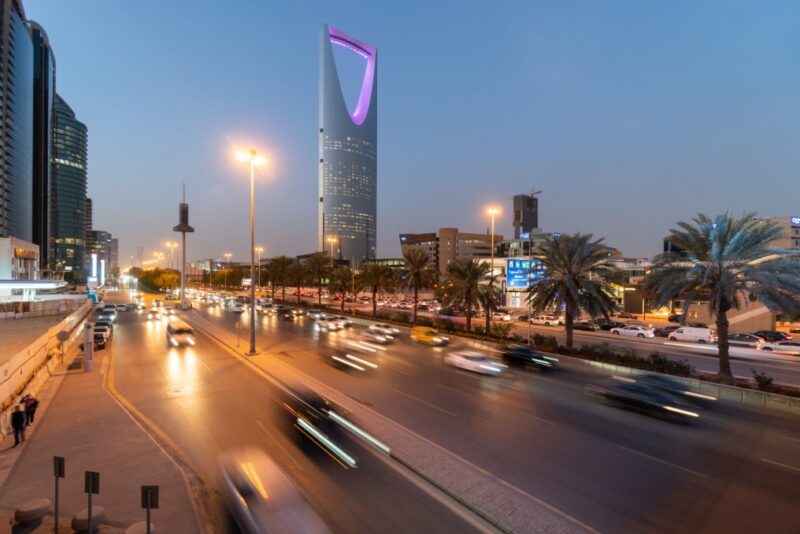
Riyadh is not trying to charm you, and that’s exactly why it works. This is a city built around purpose. Government, finance, tech, and culture all collide here, creating an energy that feels serious but not cold. At first glance, it can feel overwhelming, wide highways, big distances, bold architecture. Spend a little time, and it starts to make sense.
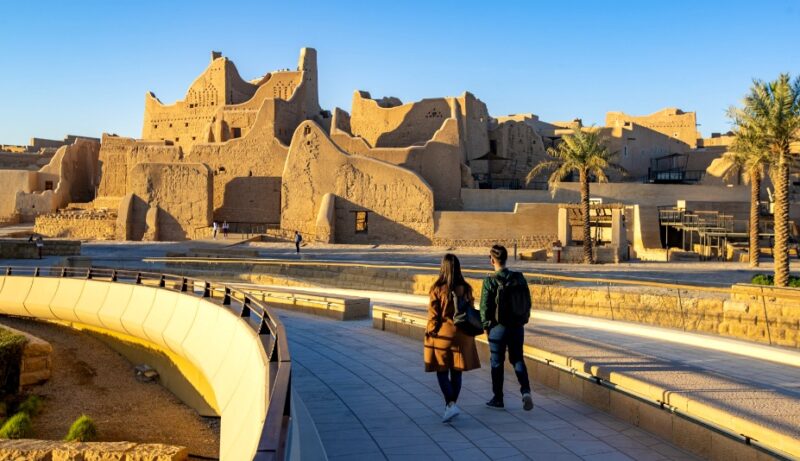
The real heart of Riyadh is not just its towers but its history. Diriyah, now a UNESCO-listed site, gives crucial context to everything you see around you. Wandering through its restored mud-brick structures helps explain how the modern Saudi state came to be. Evenings are surprisingly social, with cafes full, restaurants buzzing, and locals eager to talk once they realize you’re genuinely interested.
Jeddah ─ The Red Sea City That Knows How To Relax
Jeddah is where Saudi Arabia exhales. The pace slows, the air gets heavier with sea salt, and the social vibe becomes noticeably more relaxed. Historically a trading port and gateway for pilgrims, Jeddah has always been more outward-facing than the capital, and you feel that openness immediately.
The Corniche is where locals come alive in the evenings. Families picnic, runners pass by, and cafes stay busy well into the night. Al-Balad, the historic old town, feels like stepping into a different century, with coral-stone houses and narrow alleys that reward slow wandering. Jeddah is the kind of city where you stop planning so much and start following your instincts.
AlUla ─ Saudi Arabia’s Most Jaw-Dropping Landscape
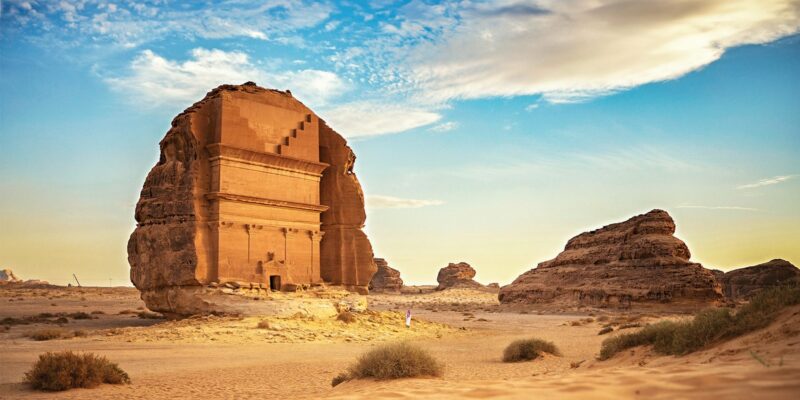
AlUla does not feel real the first time you see it. Towering sandstone formations, open desert skies, and ancient tombs carved directly into rock walls make this one of the most visually striking places in the Middle East. It’s the kind of destination that makes even seasoned travelers stop mid-sentence.
The Hegra site, built by the Nabataeans, rivals Petra in scale but feels far more intimate due to limited visitor numbers. Tours are structured, but they are well done, informative, and respectful of the site. Beyond archaeology, AlUla also offers art installations, desert camps, and stargazing experiences that make nights just as memorable as days.
Getting Around
Saudi Arabia is built for cars, and distances between cities are no joke. Domestic flights are your best friend, and they’re surprisingly affordable if booked in advance. Trains are excellent along key routes, especially between Jeddah, Medina, and Mecca, offering comfort and speed.
Driving gives you the most freedom, especially if you want to explore outside major cities. Roads are modern, signage is clear, and fuel is inexpensive. That said, traffic culture takes some getting used to. If you’re planning to drive, it’s smart to familiarize yourself with local rules and expectations. Many travelers prepare in advance using Saudidrivers.com, especially when reviewing license requirements and road practices before arriving, which makes the transition much smoother.
Understanding The Culture
Saudi culture values respect, hospitality, and discretion. You don’t need to memorize a rulebook, but awareness matters. Locals are generally warm and curious, especially once they realize you’re not there to judge or stereotype.
Modest dress is still expected in public, though it’s far more flexible than in the past. Conversations are often polite and indirect, and patience goes a long way. Prayer times influence daily rhythms, so expect short pauses in shopping or dining. These moments are part of the experience, not interruptions, and they give the day a different kind of structure.
How Much Does Travel Really Cost In 2026?
Saudi Arabia can feel expensive or surprisingly affordable depending on how you travel. Luxury is everywhere if you want it, but it’s not mandatory. Mid-range hotels are comfortable and well-priced, and local food is both cheap and excellent.
Daily costs tend to balance out nicely. Transportation is efficient, attractions are often subsidized, and meals at local spots rarely strain your budget. The biggest expense is accommodation if you lean toward international hotel brands. Travelers who mix hotels with boutique stays or serviced apartments often find the best value.
Packing Smart For Heat, Style, And Comfort
Packing for Saudi Arabia is about balance. You want to stay cool without standing out. Lightweight fabrics, loose fits, and neutral colors work best. The heat is real, especially outside winter months, but indoor spaces are heavily air-conditioned.
Comfortable shoes are essential, as many sites involve walking on stone, sand, or uneven ground. Sunglasses, sunscreen, and a reusable water bottle are non-negotiable. Women travelers don’t need to wear an abaya everywhere, but carrying one offers flexibility in more traditional settings.
Safety, Laws, And Traveling With Confidence
Saudi Arabia is generally very safe for visitors. Violent crime is rare, and cities feel orderly. Laws are strict, but they are clearly enforced. Most issues travelers encounter come from misunderstanding, not malice.
Carry identification, be mindful of photography, and follow local guidance in religious or government areas. Ride-hailing apps work well and remove many transportation headaches. Once you understand the basic framework, travel here feels surprisingly stress-free.
Why Saudi Arabia Stays With You
Saudi Arabia is not a destination you simply tick off a list. It lingers. The landscapes, the conversations, the sense of witnessing a country in transition all leave an impression. It challenges assumptions without demanding agreement, and it rewards travelers who arrive curious rather than cautious.
If 2026 is the year you want to go somewhere that still feels new, Saudi Arabia might be exactly what you’re looking for.