

Did you know that some of the world’s oldest continuously practiced ideas about ethics, ritual, and cosmic order can still be heard today in everyday greetings, wedding chants, and seasonal festivals across South Asia?
That continuity is rare in human history. Vedic culture is not a frozen relic or a closed chapter from the past. It is a living framework that has shaped language, philosophy, social customs, and spiritual practice for thousands of years.
If you have ever wondered where these traditions came from, what texts defined them, and why they still matter today, this guide will walk you through the story with clarity and depth, without treating the subject like a museum display.
Understanding what Vedic culture actually means
Before diving into texts or timelines, it helps to clarify what people mean when they refer to Vedic culture. The term does not describe a single belief system or a rigid set of rules. Instead, it refers to a broad cultural and intellectual tradition that emerged in ancient India and evolved over centuries.
At its core, Vedic culture emphasizes harmony between human life, nature, and cosmic order, often expressed through the concept of ṛta, the principle of natural balance. This worldview shaped daily life, social organization, education, and spiritual inquiry.
Key characteristics often associated with Vedic culture include:
- Oral transmission of knowledge through memorization and recitation
- Ritual practices connected to natural cycles such as fire, seasons, and agriculture
- Philosophical inquiry into consciousness, self, and ultimate reality
- A flexible tradition that absorbed regional practices over time
Rather than prescribing a single path, Vedic culture encouraged inquiry, discipline, and responsibility within one’s role in society.
Historical origins and early development
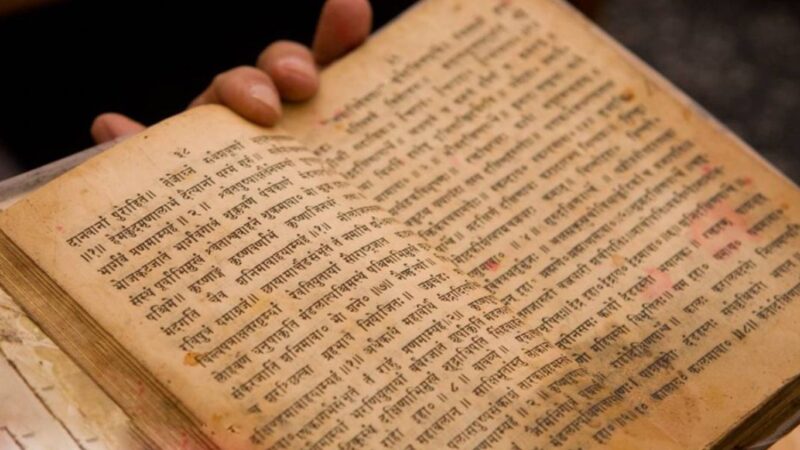
The roots of Vedic culture stretch back more than three thousand years, developing gradually rather than appearing overnight. Scholars generally associate its early formation with Indo-Aryan speaking communities who settled in the northwestern regions of the Indian subcontinent.
This period saw the rise of structured rituals, poetic hymns, and social organization centered around clans and pastoral life. Over time, these practices expanded into agricultural societies, urban centers, and diverse regional cultures.
While Vedic culture is often discussed through philosophy and ritual, it also includes long-standing traditions of divination and symbolic interpretation.
Astrology, palm reading, and intuitive guidance were historically used as tools for self-understanding rather than rigid prediction. Jyotisha, the Vedic system of astrology, examined planetary movement as a reflection of karmic patterns and life tendencies, while hastarekha, palmistry, focused on character, strengths, and life cycles.
This mindset aligns closely with how modern platforms like Ceerly present tarot readings, horoscopes, psychic insights, and palm interpretations today, not as absolute fate, but as reflective tools that help people explore personal direction, emotional clarity, and timing. In this sense, contemporary spiritual services echo an ancient Vedic idea, that symbolic systems can guide introspection when approached with awareness rather than superstition.
The Vedas and their structure
At the heart of Vedic culture stand the Vedas, a collection of sacred texts composed in early Sanskrit. These texts were not written as philosophical treatises in the modern sense, but as living compilations of hymns, rituals, and reflections tied to communal life.
The four primary Vedas are:
- Rigveda, focused on hymns to natural and cosmic forces
- Yajurveda, centered on ritual instructions
- Samaveda, emphasizing melodic and musical recitation
- Atharvaveda, addressing daily life, healing, and social concerns
Each Veda includes layers such as hymns, ritual manuals, and philosophical reflections. This structure shows how Vedic culture balanced practical life with deeper questions about existence, duty, and meaning.
Important note: The Vedas were preserved orally for centuries with astonishing accuracy, using methods that minimized even the smallest errors in sound and rhythm.
Philosophical evolution and the Upanishadic turn
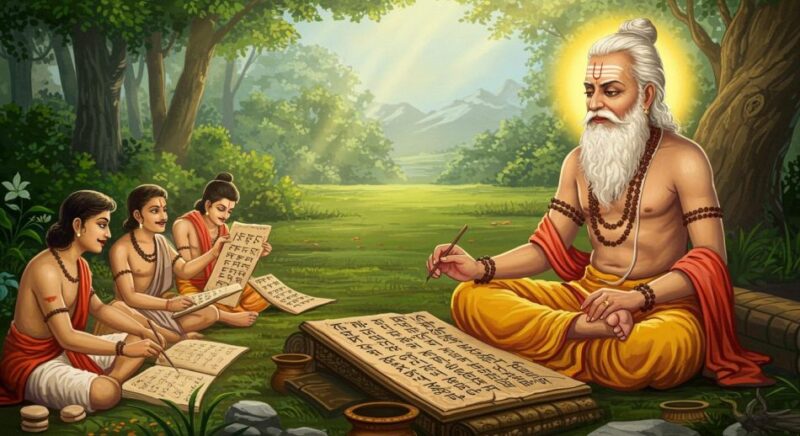
As Vedic culture matured, its focus expanded beyond ritual precision toward inner inquiry. This shift is most clearly expressed in the Upanishads, texts that explore consciousness, selfhood, and ultimate reality.
These works introduced questions that still feel modern:
- Who am I beyond social roles?
- What is the nature of reality?
- Is there a unity behind apparent diversity?
Rather than rejecting ritual life, the Upanishads reframed it. External sacrifice was mirrored by inner discipline, meditation, and ethical living.
A defining idea from this period is the concept of Brahman and Atman, suggesting that the ultimate reality of the universe and the inner self are deeply connected. This philosophical depth is one reason Vedic culture continues to attract scholars, spiritual seekers, and comparative philosophers around the world.
Rituals, symbols, and sacred practices
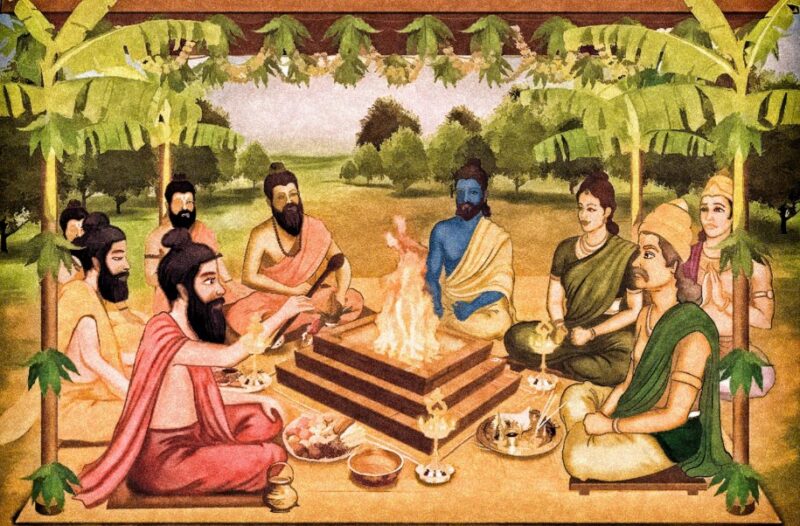
Rituals in Vedic culture served practical, symbolic, and psychological functions. Fire rituals, known as yajnas, were central because fire symbolized transformation and connection between human intention and cosmic forces.
These practices were not performed blindly. Each gesture, chant, and offering carried layered meaning. Over time, rituals adapted to regional contexts while preserving core symbolism.
Common elements included:
- Fire as a medium between visible and invisible worlds
- Chanting as a way to align mind and breath
- Offerings that reinforced gratitude and balance with nature
While modern practice often emphasizes personal spirituality, these rituals remind us that Vedic culture originally emphasized community participation and shared responsibility.
Texts that bridged philosophy and action

As Vedic thought continued to evolve, later texts synthesized ritual, philosophy, and ethical action in accessible ways. Among the most influential is the Bhagavad Gita, which presents spiritual insight through dialogue rather than abstraction.
The text addresses the challenge of living ethically in a complex world. It emphasizes action guided by awareness rather than withdrawal from life. This balance between engagement and detachment reflects the broader spirit of Vedic culture.
A short summary table helps clarify this progression:
|
Phase |
Focus |
Core contribution |
| Early Vedic | Ritual and hymns | Cosmic order and community |
| Upanishadic | Inner inquiry | Self and ultimate reality |
| Classical synthesis | Ethical action | Living wisdom in daily life |
Each phase builds rather than replaces what came before.
Why Vedic culture still matters
Vedic culture endures because it addresses universal human concerns without demanding rigid conformity. Its texts and practices invite reflection rather than blind acceptance. They encourage responsibility without suppressing individuality.
In a world increasingly drawn to quick answers and simplified narratives, the layered nature of Vedic thought offers something different. It accepts complexity, contradiction, and growth over time.
Understanding Vedic culture is not about adopting a belief system. It is about recognizing a tradition that has shaped human thought for millennia and continues to offer insights into balance, purpose, and conscious living. Whether approached academically, philosophically, or practically, its legacy remains deeply relevant, reminding us that some of humanity’s oldest questions are still worth asking today.