

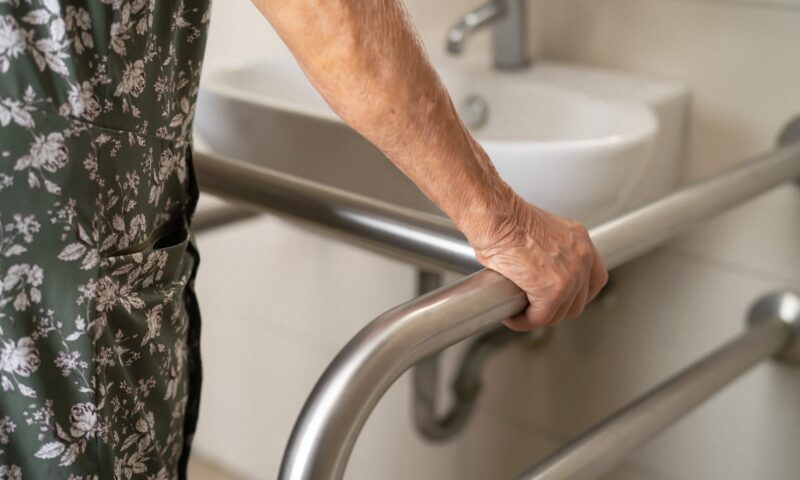
Have you ever stopped to think about how one of the simplest rooms in your home is also one of the most dangerous? It might surprise you, but research shows that bathrooms are among the leading places where older adults (65 and older) experience falls and injuries.
In fact, studies indicate that a significant percentage of serious falls for older adults occur in bathroom spaces, where wet floors, tight corners, and tricky transfers increase risk dramatically.
Aging changes balance, muscle strength, reaction time, and even vision.
Making the bathroom safer is all about a series of smart safety upgrades and thoughtful routines that can make daily life more secure and comfortable.
In this guide, we’ll walk through practical safety ideas that help older adults maintain independence while reducing risk of harm.
1. Start with a Professional Assessment for Personalized Safety
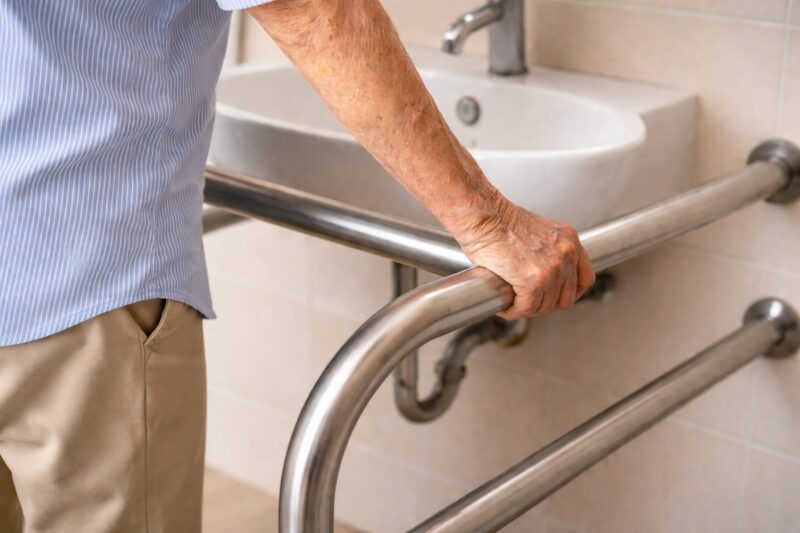
If you’re serious about safety, start with an expert evaluation. A home safety assessment identifies hidden hazards and highlights where upgrades will make the biggest difference. For older adults who need extra support, working with professionals makes sense on several fronts.
A trusted provider such as Impactful Home Health Agency PA can offer thorough home safety assessments and customized recommendations that focus on bathroom safety and broader fall prevention strategies. These experts help you take the right steps to improve safety in ways that fit your lifestyle and needs.
Such agencies typically employ trained caregivers and therapists who understand aging challenges and can guide you on everything from simple grab bar placement to assistive bathing options. Their insight ensures that safety measures are tailored and practical, not generic.
2. Create Non-Slip Surfaces to Prevent Falls
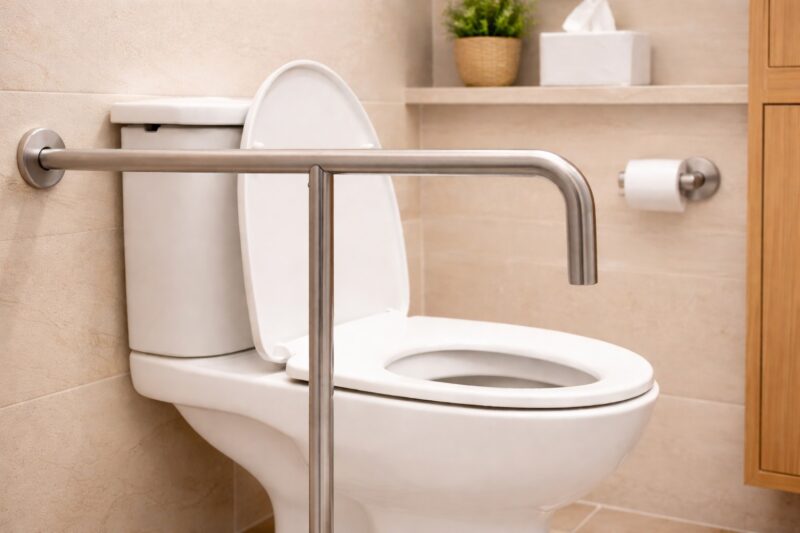
One of the simplest yet most effective bathroom safety upgrades is improving traction underfoot. Bathrooms are notorious for slick, wet floors. When water meets smooth tile or vinyl, the result is a slipping hazard that especially affects people with limited balance or mobility.
Here’s where to focus:
- Outside and inside the shower or tub: Use high-quality non-slip mats or adhesive strips. These mats provide secure footing where water tends to pool.
- Replace slippery rugs: Loose bath rugs without anti-slip backing are one of the most common tripping hazards. Replace them with options rated for wet spaces.
- Textured tile options: If you’re renovating, choose floor tiles with a slightly textured surface that helps shoes and feet grip even when wet.
Non-slip surfaces might seem like a small tweak, but they make a big difference. By reducing the chances of an unexpected slide, you’re giving older adults a real advantage toward safer daily routines.
3. Install Grab Bars Where They Count Most
Now let’s talk about a safety idea with a measurable impact: grab bars. These sturdy bars give older adults something reliable to hold on to while maneuvering in the bathroom. They work whether someone is stepping into a tub, rising from the toilet, or steadying themselves on a shower bench.
Key placement spots include:
- Beside and inside the shower or tub
- Next to the toilet
- Near any area where balance is needed most
Here’s a quick checklist for effective grab bar installation:
- Anchor bars into wall studs for maximum strength
- Install bars at heights that match a person’s reach – not too high, not too low
- Consider multiple bars in different orientations (horizontal, vertical)
Grab bars may not be glamorous, but they serve a practical purpose and reduce the need to reach or stretch for support. That means fewer slips and more confidence.
4. Upgrade Lighting to Improve Visibility
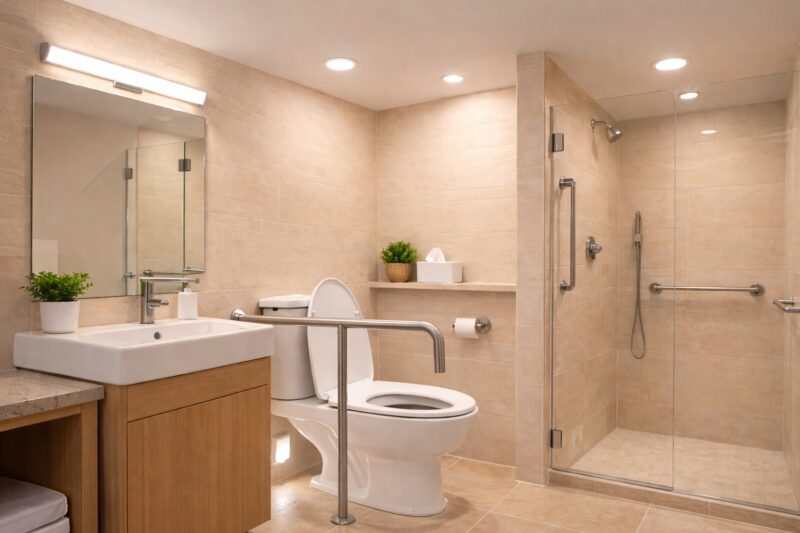
Bright, even lighting does more for safety than most people realize. Poor lighting can make a bathroom feel like a maze of shadows, hiding puddles and edges that spell danger for older adults. When eyes are already adjusting to aging changes, good lighting isn’t just nice — it’s essential.
Rethink your bathroom lighting plan by:
- Adding brighter bulbs with ample wattage (but no glare)
- Installing night lights so evening bathroom trips don’t happen in the darkness
- Positioning lights above key areas, especially around the shower, toilet, and sink
Good lighting reduces hesitation and helps users see and respond to hazards in real time. When visibility improves, confidence follows.
5. Choose Safer Fixtures and Hardware
Equipment you use every day like faucet knobs, shower heads, toilet seats, and even cabinet handles can make a routine task easier or more difficult — especially for older adults with limited strength or arthritis.
Here are a few practical upgrades:
- Lever-style faucets instead of knobs — easier to use for people with limited hand strength
- Hand-held shower heads — allows seated or standing showering without awkward reaching
- Raised toilet seats — reduce the distance needed to sit down or stand up
These changes make routine bathroom tasks less physically demanding and reduce the risk of imbalance or sudden movements that could lead to a fall.
6. Add Stable Seating Options
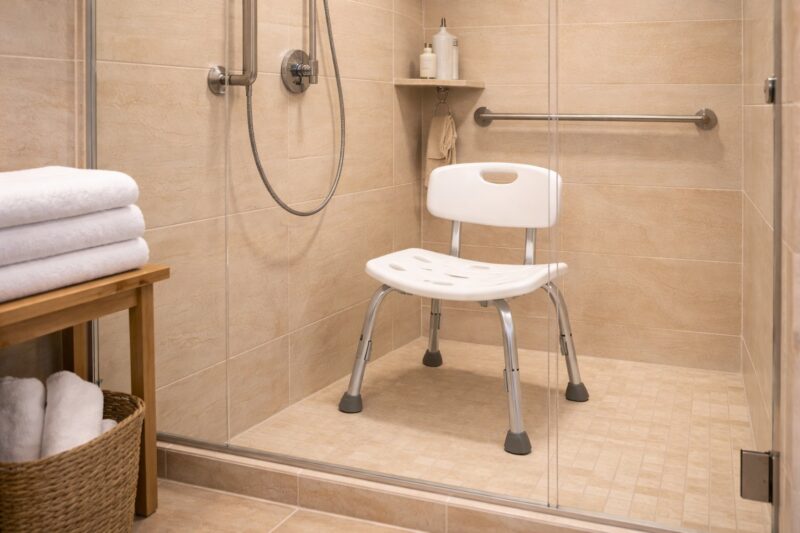
Showering can be risky if someone is trying to maintain balance on a wet floor. A sturdy shower chair or bench gives older adults a place to sit while bathing, reducing risk and fatigue.
When choosing seating:
- Pick chairs with non-slip rubber feet
- Ensure the weight capacity meets needs
- Position seating so the spinner or transfer is easy and safe
Seated bathing doesn’t mean loss of dignity. Many older adults prefer a comfortable, stable seat as part of their daily routine.
7. Smart Organization to Reduce Stretching and Reaching
Bathroom clutter such as bottles, lotions, and towels scattered around can become tripping hazards, especially when maneuvering with limited mobility. Plus, reaching or bending to grab something can destabilize an older adult’s balance.
Here’s how to organize for safety:
- Place frequently used items between waist and shoulder height
- Use wall-mounted shower caddies to keep floors clear
- Install shelves or holders near the entrance to minimize bending
A well-organized bathroom lets someone focus on the task at hand without risk of stretch-related imbalance.
8. Maintain a Comfortable and Safe Temperature
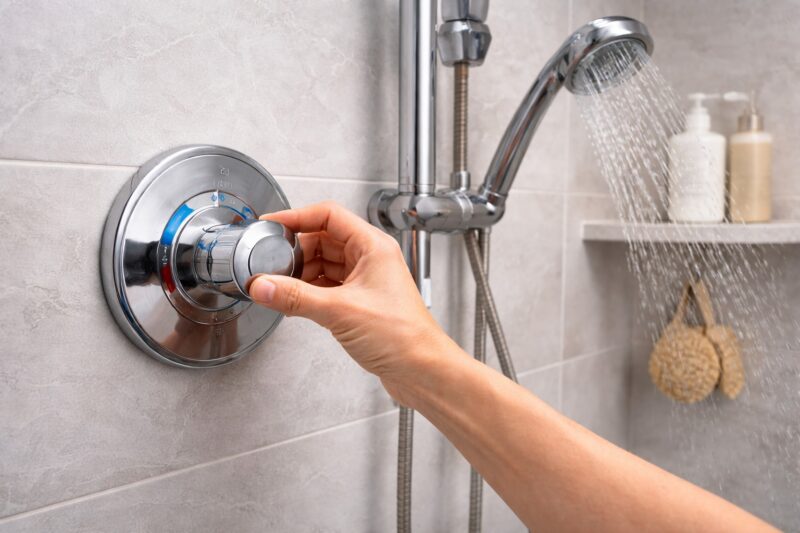
Scalding water or cold blasts can startle an older adult, potentially triggering slips or sudden motions that increase risk. A well-regulated water temperature improves comfort and safety.
Best practices include:
- Setting your water heater to a safe temperature (typically below 120°F / 49°C)
- Using anti-scald valves or thermostatic shower controls
- Testing water temperature before steadying oneself under the stream
Temperature control may feel like a comfort issue first, but it’s a safety upgrade that reduces sudden movements and associated hazards.
9. Track and Maintain Safety Equipment Regularly
Once you’ve made upgrades, keeping them in good working order matters. Over time, grab bars can loosen, mats may lose grip, and lighting can dim.
Set up a simple maintenance routine:
- Monthly check-ins on grab bars and fixtures
- Replace worn mats when traction decreases
- Test lighting and replace bulbs promptly
A bit of upkeep goes a long way to ensure your bathroom remains a safe space year after year.
How Bathroom Modifications Affect Fall Risks
Bathrooms are disproportionately risky for falls. Research shows that a significant share of injurious falls among older adults occur in bathrooms, largely due to slippery floors and balance challenges.
This underscores the importance of regular safety upgrades and professional assessments. With the right changes, many falls can be prevented, supporting both independence and peace of mind.
Concluding Thoughts
When you look at bathroom safety through a practical lens, it’s clear that a combination of thoughtful upgrades, professional guidance, and simple habits can transform a risky space into one that supports daily life — without fear. From non-slip surfaces to organized storage, each safety idea adds a layer of protection and confidence.
Invest time in understanding needs, involve professionals when possible, and don’t underestimate how small changes make big differences. With the right plan, older adults can enjoy safer, happier, and more independent routines right where they are.
Frequently Asked Questions
-
How do cognitive changes like memory loss affect bathroom safety planning?
Cognitive decline can increase risk through forgetfulness, confusion, or misjudgment of hazards. In such cases, visual cues, simplified layouts, consistent placement of items, and supervised routines become as important as physical safety features.
-
Is it better to remodel gradually or make all bathroom safety changes at once?
That depends on risk level. For individuals with a recent fall or declining mobility, addressing multiple safety factors at once reduces cumulative risk. For others, phased upgrades can work if changes are prioritized correctly.
-
Can bathroom safety features interfere with emergency response if help is needed?
Well-designed safety features actually support faster response. Clear floor space, reachable grab bars, and unobstructed doors make it easier for caregivers or emergency services to assist if needed.
-
How should bathroom safety be adjusted after a hospitalization or surgery?
Temporary changes may be necessary, such as added seating, mobility aids, or closer supervision. Post-hospital recovery often brings short-term balance or strength limitations that require reassessment of bathroom setup.
-
Should bathroom safety planning differ for older adults living alone versus with family?
Yes. Those living alone may benefit more from redundancy in safety features and clearer layouts, while shared households must balance accessibility with shared use. In both cases, safety should never depend solely on someone being nearby.