

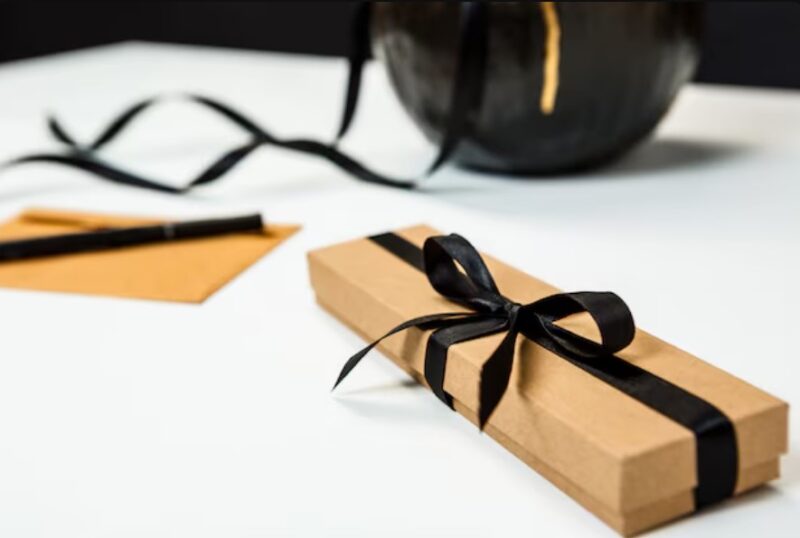
Corporate gifting has grown much more than conventional gifts. The days of merchandise replete with logos are long gone. Now it’s all about showing values, culture, and long-term relationships.
A recent industry survey found that more than 70 percent of professionals remember a company longer when the gift they received felt thoughtful rather than expensive. That single insight explains why corporate gifting is changing so quickly.
The new dynamics of interacting with employees, partners, and clients are currently driven by sustainability, personalization, and gift-based experiences.
With the expectations ever increasing, the branded corporate gifts are no longer being evaluated by the looks of the gift but by the message and the impression made.
This guide walks through the three forces shaping corporate gifting trends in 2026 and shows how they work together in practice.
Eco-Friendly Corporate Gifts

Sustainability is no longer a differentiator in corporate gifting. It is a baseline expectation. Recipients are paying attention to materials, sourcing, and packaging, often subconsciously judging a brand by what it chooses to send.
Eco-friendly corporate gifts in 2026 focus on reducing waste and extending usefulness. This includes products designed to last, items made from recycled or renewable materials, and packaging that avoids plastic whenever possible. Importantly, sustainability is expected to be genuine, not performative.
Common characteristics of eco-friendly corporate gifts include:
- Reusable items that replace single-use products
- Locally sourced or ethically produced goods
- Minimal or compostable packaging
- Clear transparency about materials and origins
A sustainable gift does not need to advertise itself loudly. Its value is felt when it fits naturally into daily life without creating waste.
When sustainability feels integrated rather than forced, it strengthens brand trust quietly but effectively.
How Sustainable Gifting Supports Brand Reputation

Corporate gifting in 2026 plays a subtle but powerful role in reputation management. A gift that aligns with environmental values reinforces everything a company claims publicly about responsibility and long-term thinking.
Recipients increasingly notice inconsistencies. A company that promotes sustainability but sends disposable or low-quality items risks undermining its message. On the other hand, eco-friendly gifts act as physical proof of commitment.
Sustainable gifting supports brand reputation in several ways:
- It demonstrates alignment between messaging and action
- It reduces the risk of negative perception or backlash
- It appeals to younger professionals who prioritize values
Did you know? Studies show that environmentally responsible brands are more likely to be recommended by employees and clients alike.
In 2026, corporate gifting is no longer neutral. Every choice communicates something about who you are as a brand.
Experience-Based Corporate Gifts Take Center Stage
Physical gifts are no longer the default option. Experience-based corporate gifts are becoming one of the strongest trends in 2026 because they create memories rather than clutter. Experiences also avoid many of the logistical challenges associated with shipping and storage.
Experiential gifting works particularly well for remote teams and global clients. Digital and location-flexible experiences allow companies to reach people regardless of geography. These experiences often feel more personal, even when delivered at scale.
Popular experience-based corporate gifts include:
- Virtual wellness sessions or fitness memberships
- Online workshops and skill-building classes
- Curated dining or local experience credits
Unlike physical items, experiences tend to be remembered long after they are redeemed. That lasting emotional impact is what makes them so valuable.
When Experiences Outperform Traditional Corporate Gifts

Experience-based gifts are especially effective when the goal is relationship building rather than brand visibility. In 2026, many companies are choosing experiences for moments that matter, such as milestones, performance recognition, and long-term partnerships.
Experiences outperform traditional gifts when:
- The recipient values time and flexibility
- Storage or shipping would create friction
- Emotional impact matters more than branding
A key advantage of experiential gifting is choice. Many platforms allow recipients to select the experience that fits their interests, reducing the risk of mismatch. Providers that specialize in corporate experience gifts, such as Tinggly, take this a step further. Instead of a company guessing what each person would enjoy, recipients pick from thousands of activities worldwide, from food tastings to adventure outings. Because the buyer, the recipient, and the experience can all be in different countries, this approach works well for distributed teams and international clients. Gifts can be sent as an instant eVoucher or as a physical gift box branded with the company’s design.
This shift does not eliminate physical gifts entirely, but it changes when and how they are used. Experiences are no longer an alternative. They are often the preferred option.
Personalization Moves Beyond Names and Logos
Personalization in corporate gifting has evolved dramatically. In 2026, simply adding a name or logo no longer feels personal. True personalization is about relevance, timing, and context.
Advances in data and automation allow companies to personalize gifts based on role, location, preferences, and lifecycle stage. This does not require invasive data, but it does require thoughtful systems and clear intent.
Modern personalization strategies include:
- Role-based gifting for different departments or seniority levels
- Location-aware gifting that respects cultural preferences
- Milestone-triggered gifts tied to achievements or tenure
The result is a gift that feels intentional rather than generic. When personalization is done well, recipients feel seen without feeling monitored.
Balancing Personalization With Privacy and Trust

As personalization becomes more sophisticated, companies must be careful not to cross boundaries. Corporate gifting in 2026 requires a balance between relevance and respect for privacy.
Recipients are comfortable with personalization when it feels logical and transparent. They are less comfortable when it appears overly detailed or unexpected. The safest approach is to rely on voluntary preferences and broad categories rather than assumptions.
Good personalization practices include:
- Allowing recipients to choose from curated options
- Using opt-in preference surveys
- Avoiding sensitive personal data
Personalization should feel helpful, not intrusive. When in doubt, give choice rather than prediction.
Trust is easy to lose and difficult to rebuild. In gifting, subtlety often wins.
Combining Sustainability, Experiences, and Personalization
The most effective corporate gifting strategies in 2026 do not rely on a single trend. They combine sustainability, experiences, and personalization into cohesive programs that scale without feeling generic.
For example, a company might offer a personalized selection of eco-friendly experiences, allowing recipients to choose how they engage. Another approach is pairing a sustainable physical gift with a digital experience that extends its value.
Successful combinations often include:
- Personalized experience credits with sustainability themes
- Eco-friendly kits paired with virtual learning sessions
- Tiered options based on recipient preferences
This integrated approach ensures that gifts feel modern, responsible, and genuinely thoughtful.
Common Corporate Gifting Mistakes to Avoid

Even with the right intentions, corporate gifting can miss the mark. In 2026, certain mistakes are especially costly because expectations are higher.
Common pitfalls include:
- Sending generic items with no clear purpose
- Ignoring sustainability claims or transparency
- Over-personalizing without consent
- Treating gifting as an afterthought
Avoiding these mistakes requires planning, not perfection. Thoughtfulness consistently matters more than novelty.
Looking Beyond 2026
Corporate gifting will continue to evolve as technology, culture, and expectations shift. Artificial intelligence, subscription-based gifting, and deeper ESG integration are already shaping what comes next.
What will remain constant is the human desire to feel appreciated in a genuine way. Trends may change, but intention will always matter.
As you plan your corporate gifting strategy for 2026 and beyond, focus less on what is impressive and more on what is meaningful. When gifts reflect values, respect individuality, and create positive experiences, they do far more than check a box. They build relationships that last.