


Recent studies have shown that the average Australian household spends between $70 – $100 per month on their water bills. This can, of course, be considerably more for homes with larger families or those in areas that have higher treatment costs.
You may think that there isn’t too much more that you can do to reduce your overall water bill. However, the good news is that a quick chat with the plumber Sydney locals rely on will see you learning a few simple hacks to save water. This post takes a look at the top tips our plumbing team would like you to consider.
Understand Why Water Conservation Should be on Your Mind
Australia is well-known around the world for its crazy insects and scorching temperatures. However, few people are aware that it’s also the driest inhabited continent. In addition to dealing with various climate change impacts, our beautiful country also has to deal with unreliable rainfall.
An increased per-person usage factor also makes the available water even scarcer. In addition to this, many areas in Australia have to contend with drought or low rainfall, making it difficult to sustain crops and ensure the local food sources remain stable.
Then there’s also the cost factor. By implementing a few simple tips around your home and office, you’ll easily be able to see a considerable saving on your water bill. Doing this will also go a long way toward ensuring that there remains enough clean water for future generations. With that in mind, here are the key tips shared by our plumbing team.
Fix All Your Leaks
The number one cause of water wastage in most Australian homes centres around unattended leaking taps. Since some leaks are nothing more than a small drip, many homeowners don’t regard it as a very urgent problem.
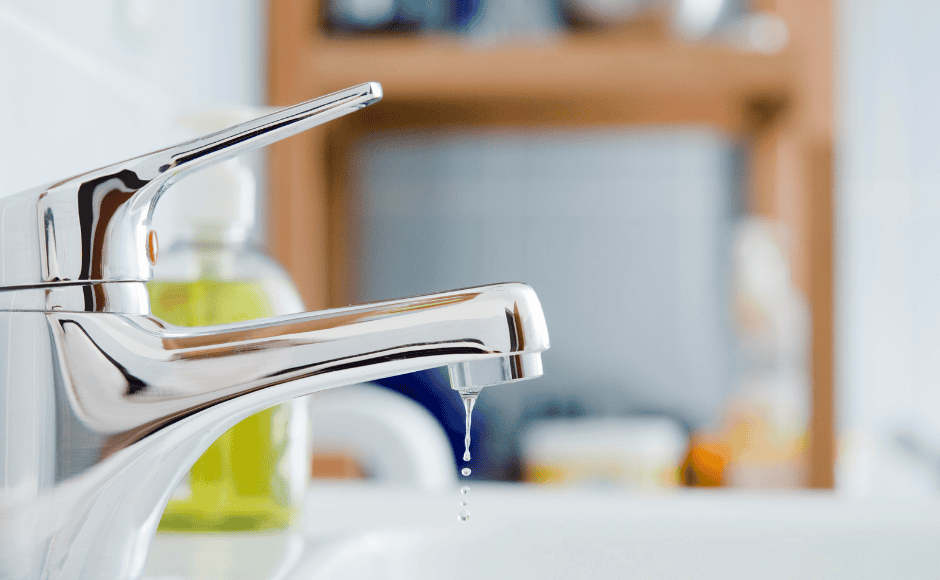
A little-known fact is that a single leaking tap can easily waste as much as 24,000 litres of water over 12 months. Depending on where you live, this can cost as much as $200. This amount can increase significantly if you have more than one leaking tap in an older home, or your toilet also has a “minor” leak.
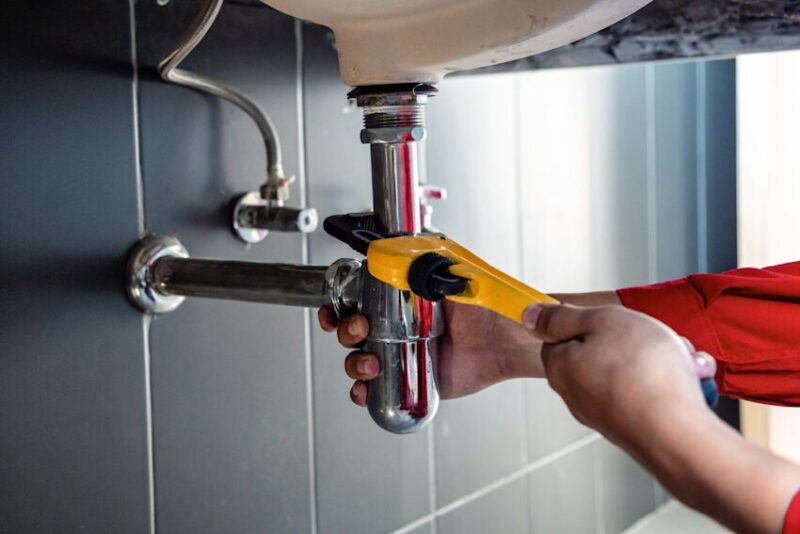
Our Sydney plumbers urge you to have all leaks and drips repaired as soon as possible. While many can be done as a quick DIY fix, your trusty plumber can also assist with repairs and upgrades.
Review How You Water the Garden
Whether you’re growing a simple flower garden or you’re setting up a veggie and herb garden, it’s essential to review how you keep these spaces irrigated. If you’re using water from the main water supply, opting to water your garden in the early morning or late evening reduces overall evaporation.
Plumbers recommend ensuring that you have a water-saving nozzle attached to your garden hose. You should also consider reusing grey water to reduce the strain on the main water supply.
Ask Your Plumber About a Rainwater Harvesting System
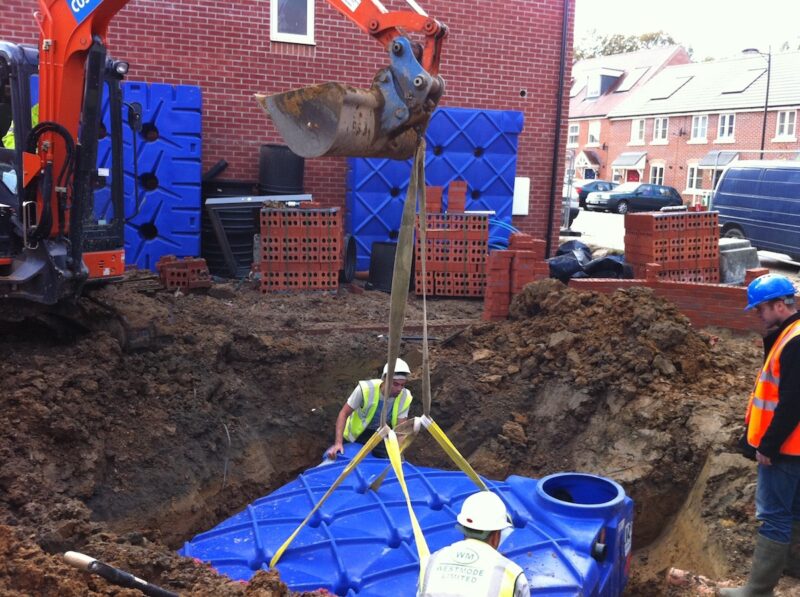
Another significant way to save money on your water bill and make your water usage more sustainable is to speak to your plumber about installing a rainwater harvesting system.
Rainwater tank installation is quick and easy when your trusted plumber does it. Not only will they install the right-sized system for your home’s usage, but they will also ensure that there are no leaks. Water tanks will enable you to use rainwater for all your outdoor water functions, such as:
- Watering gardens and crops
- Rinsing off pavements and driveways
- Washing cars and outdoor tools
Your plumber can also install a filter system to make your rainwater suitable for usage in the home or workshop. Finding out what you need is as simple as calling for a quick consultation and assessment.
Invest in Water Conserving Tapware
Does your home have older taps and showerheads? If so, it may be time to invest in water-efficient tapware to reduce the amount of water used. On average, an older, more conventional shower head uses about 19 litres of water per minute. This can lead to significant wastage if you have several people in your household or you enjoy long showers.
Modern, energy-efficient showerheads have been designed to use between 6 and 10 litres per minute. This can be less, depending on the option chosen. Many Sydney plumbers not only stock these types of tapware but can also install them in no time. It’s a good idea to speak to your plumber for the most cost-effective ways to replace bathroom and kitchen tapware.
Leverage Smart Technology and Efficient Appliances
As we move further into 2026, water conservation is becoming increasingly digital. One of the most effective ways to modernize your plumbing is by asking your plumber about smart water monitoring systems. Unlike traditional meters, these smart devices can track your water flow in real-time and send data directly to your smartphone.
The real value lies in their ability to detect hidden leaks instantly. If a pipe bursts or a toilet starts running silently while you are at work, the system will alert you immediately, some can even automatically shut off the water supply to prevent flood damage and massive bills.
Furthermore, consider the appliances that rely heavily on plumbing, such as your dishwasher and washing machine. If your appliances are over a decade old, they are likely water guzzlers. Your plumber can advise you on selecting models with a high WELS (Water Efficiency Labelling and Standards) rating.
Upgrading to a 4-star or higher washing machine can save thousands of litres annually. By combining smart leak detection technology with high-efficiency appliances, you aren’t just fixing problems as they arise; you are actively future-proofing your home against rising utility costs and water scarcity.
Final Thoughts
Finding ways to reduce your home’s overall water usage is as easy as asking your plumber to perform a plumbing audit in your home. Doing this will not only highlight damaged or leaking components but will also enable the team to recommend water and energy-efficient upgrades.
These will go a long way toward making your home more sustainable and showing a significant saving on your monthly water bill. You’ll also be placing less strain on your main water supply and contributing to overall water conservation in your area.