

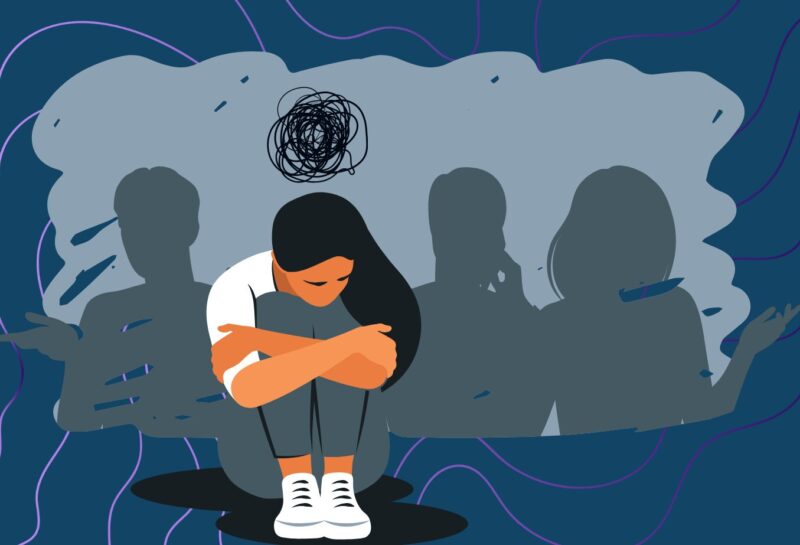
Social anxiety affects far more people than most realize. Large population studies suggest that nearly one in three adults will experience clinically significant social anxiety symptoms at some point in their lives, even if they never receive a formal diagnosis.
That raises an uncomfortable question many people quietly ask themselves: why do certain everyday interactions feel so mentally exhausting, intimidating, or overwhelming? If social situations leave you overthinking conversations long after they end or avoiding events you actually want to attend, you are not alone.
Understanding how social anxiety works is the first step toward regaining confidence and control in situations that currently feel stressful.
What Social Anxiety Really Is And Why It Feels So Personal
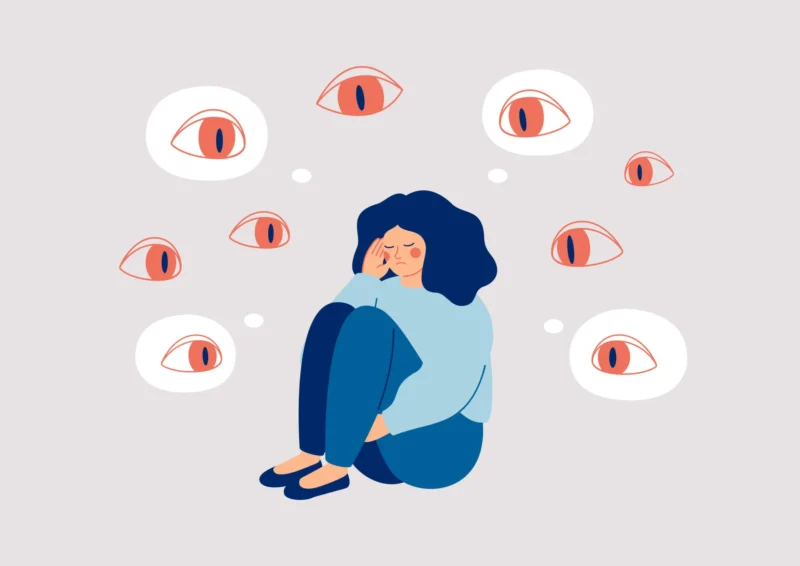
Social anxiety is not simple shyness or introversion. It is a persistent fear of being judged, evaluated, or negatively perceived in social or performance situations. What makes it feel so personal is that the anxiety centers on how others might see you, not on the situation itself.
People with social anxiety often experience a constant internal spotlight effect, the feeling that every word, gesture, or reaction is being closely observed. This perception fuels self criticism and hyper awareness of perceived flaws. Over time, the brain learns to associate social exposure with threat, even when no real danger exists.
Common internal experiences include:
- Fear of embarrassment or humiliation
- Intense self monitoring during interactions
- Anticipatory anxiety days before social events
- Mental replay of conversations afterward
Recognizing that these reactions follow a predictable pattern can reduce confusion and self blame.
Core Social Anxiety Triggers That Activate the Stress Response
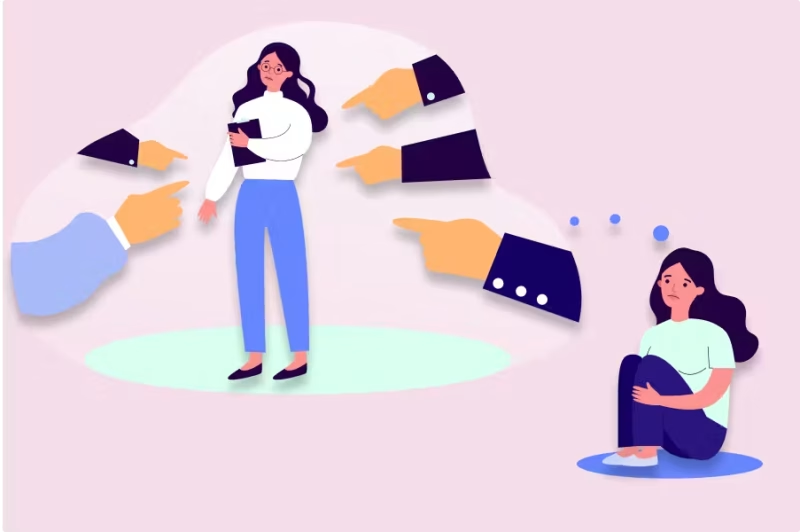
Social anxiety triggers vary between individuals, but most fall into a few consistent categories that activate the body’s threat response. These triggers are not signs of weakness. They are learned associations formed through past experiences, personality traits, and environmental feedback.
Situations involving evaluation tend to rank highest. Speaking in meetings, meeting new people, or being observed while performing tasks can all provoke anxiety. Even casual interactions may feel threatening if there is uncertainty about expectations or outcomes.
Frequent triggers include:
- Being the center of attention
- Interacting with authority figures
- Entering unfamiliar social settings
- Situations with unclear social rules
Once a trigger is activated, physical symptoms often follow, reinforcing avoidance patterns unless actively addressed.
Everyday Social Situations That Commonly Intensify Anxiety
Social anxiety rarely shows up only in extreme circumstances. It tends to weave itself into everyday moments that others may find neutral. Casual conversations, shared workspaces, or even friendly gatherings can become sources of internal stress.
One reason these situations feel difficult is their unpredictability. There is no clear script, which leaves room for self doubt and perceived mistakes. Over time, repeated discomfort can lead to subtle avoidance that limits social engagement without conscious awareness.
Situations that often intensify anxiety include:
- Small talk with coworkers or acquaintances
- Group discussions or informal meetings
- Social gatherings where conversations shift quickly
These moments matter because they shape how safe or unsafe social interaction feels overall.
When Anticipation Becomes the Biggest Source of Distress
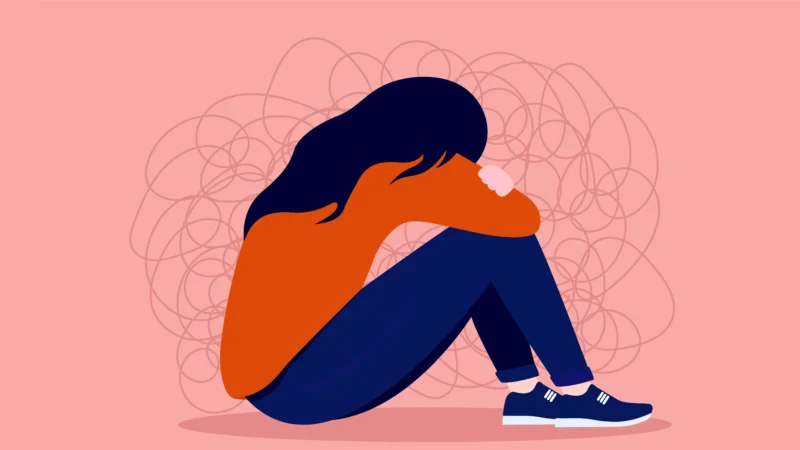
For many people, the anxiety before a social event is far more intense than the event itself. Anticipatory anxiety involves mentally rehearsing worst case scenarios, predicting negative judgments, and scanning for potential mistakes long before they occur.
This mental preparation feels protective, but it actually reinforces fear. The brain interprets repeated anticipation as evidence that danger is real. Over time, anticipation alone can trigger physical symptoms such as tension, nausea, or racing thoughts.
Anticipatory anxiety often includes:
- Imagining awkward moments in detail
- Overpreparing conversation topics
- Considering excuses to avoid attendance
Learning to recognize anticipation as a mental process, not a prediction, can significantly reduce its impact.
The Physical And Cognitive Symptoms That Keep Anxiety Going
Social anxiety is not only psychological. It is a full body experience shaped by the nervous system. When the brain perceives social threat, it activates the fight or flight response, even if the situation is objectively safe.
Physical symptoms such as sweating, trembling, blushing, or a shaky voice can become sources of secondary anxiety. People often fear the symptoms themselves, worrying that others will notice. This creates a self reinforcing loop where anxiety about symptoms increases symptom intensity.
Cognitive symptoms commonly include:
- Difficulty concentrating during conversations
- Mental blankness under pressure
- Excessive self criticism afterward
Understanding this loop is crucial because management strategies focus on interrupting it rather than eliminating anxiety entirely.
When Professional Support Becomes Part Of The Solution
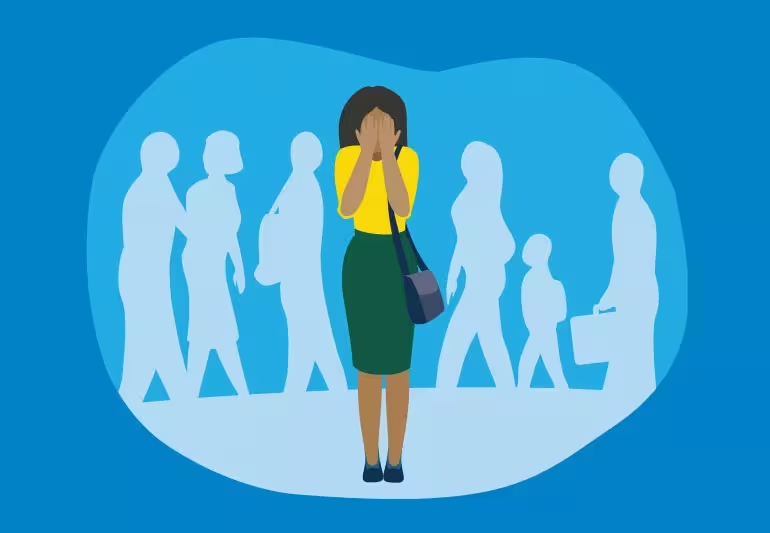
Managing social anxiety does not always mean handling everything alone. There are times when structured professional support plays a meaningful role, especially when anxiety interferes with work, relationships, or daily functioning.
In some cases, people benefit from timely clinical evaluation rather than prolonged uncertainty. Accessing a same day psychiatrist appointment can provide clarity, reassurance, and a tailored plan when symptoms feel overwhelming or confusing. Early assessment helps distinguish social anxiety from other overlapping conditions and prevents unnecessary escalation.
Professional support may include:
- Diagnostic clarification
- Therapy recommendations
- Short or long term treatment planning
Seeking help is not a last resort. It is often a strategic step toward faster improvement.
Practical Management Strategies That Reduce Social Anxiety Over Time
Effective management focuses on gradual exposure, cognitive flexibility, and nervous system regulation rather than forced confidence. The goal is not to eliminate anxiety but to reduce its control over behavior.
Small, consistent actions create long term change. Approaching manageable social challenges while practicing self compassion retrains the brain’s threat response. Avoidance offers short term relief but strengthens anxiety in the long run.
Helpful strategies include:
- Gradual exposure to feared situations
- Reducing safety behaviors like over rehearsing
- Practicing present focused attention
- Allowing anxiety symptoms without resistance
Progress often feels subtle at first, but consistency matters more than intensity.
Cognitive Shifts That Change How Social Situations Are Interpreted
How you interpret social situations plays a powerful role in anxiety intensity. Social anxiety thrives on distorted predictions and harsh self evaluation. Shifting these mental habits reduces emotional impact even when anxiety is present.
One effective approach is learning to treat thoughts as hypotheses rather than facts. Just because a thought feels convincing does not mean it reflects reality. Replacing judgment with curiosity opens space for more balanced interpretation.
Common cognitive shifts include:
- From mind reading to uncertainty tolerance
- From perfectionism to flexibility
- From self focus to situational awareness
These shifts develop gradually through repetition and practice rather than forceful positive thinking.
Tools And Techniques That Support Nervous System Regulation
Because social anxiety is rooted in the nervous system, physical regulation strategies are just as important as cognitive ones. Learning to calm the body reduces symptom intensity and improves emotional recovery after social exposure.
Breathing techniques, grounding exercises, and movement can all help signal safety to the nervous system. These tools work best when practiced regularly, not only during high stress moments.
Effective regulation tools include:
- Slow paced breathing to reduce arousal
- Grounding through sensory awareness
- Gentle movement to release tension
These techniques do not remove anxiety instantly, but they lower its volume over time.
How Avoidance Gradually Shrinks Social Confidence
Avoidance feels protective, but it quietly reinforces social anxiety. Each avoided situation sends the brain a message that danger was successfully escaped, strengthening future fear responses. Over time, confidence shrinks even though actual social skills remain intact.
Breaking avoidance does not require dramatic exposure. Small acts of engagement build tolerance and confidence more effectively than forced social immersion. The goal is to expand comfort zones gradually without overwhelming the system.
A helpful way to view avoidance:
| Pattern | Short Term Effect | Long Term Impact |
| Avoid social situations | Immediate relief | Increased anxiety |
| Gradual exposure | Temporary discomfort | Improved confidence |
Understanding this tradeoff makes intentional engagement feel more purposeful.
Social Anxiety Often Improves With Age
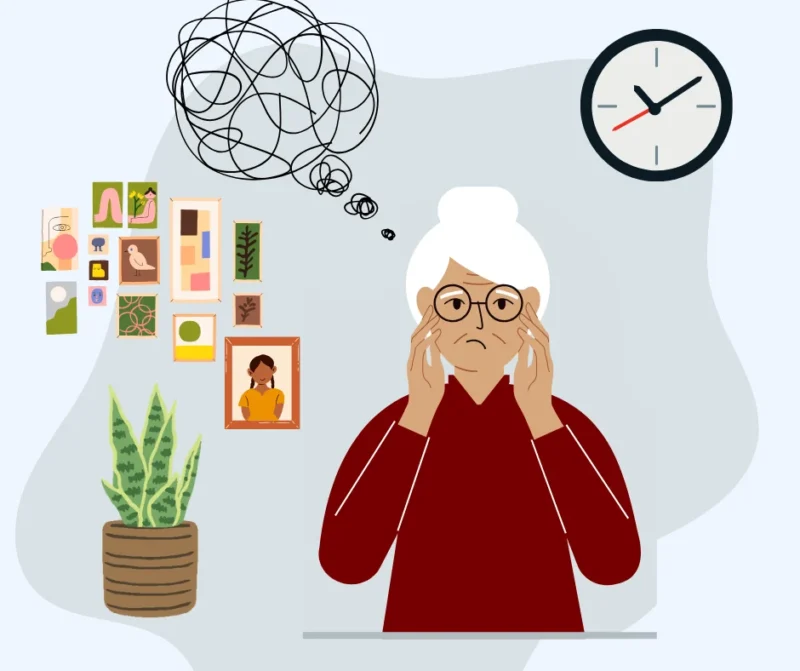
Did you know that many people experience a natural reduction in social anxiety symptoms as they age? Research suggests that life experience, shifting priorities, and repeated exposure to social situations gradually reduce fear of evaluation for many individuals.
This does not mean anxiety disappears on its own, but it highlights the brain’s capacity for adaptation. Skills learned at any stage of life can accelerate this process and prevent anxiety from becoming more entrenched.
Important takeaway points:
- Social anxiety is highly treatable
- Improvement is possible at any age
- Change occurs through learning, not personality change
This perspective can make long term progress feel more realistic and hopeful.
Moving Forward With Social Anxiety In Real Life
Social anxiety can feel isolating, but it follows understandable patterns shaped by the brain’s protective systems. By identifying triggers, recognizing common situations, and applying practical management strategies, it becomes possible to engage with social life more freely. Progress does not require eliminating anxiety, only learning how to move forward alongside it. With patience, consistency, and the right support when needed, social interactions can become less about fear and more about genuine connection.