

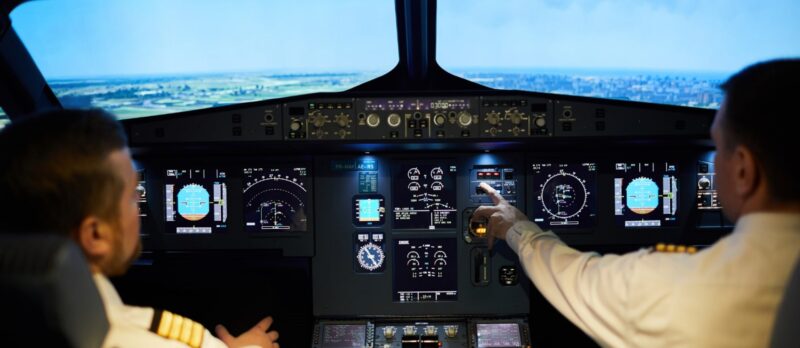
When most people picture flight school, they think about learning to take off, land, and navigate an airplane or helicopter. And sure – that’s a big part of it. But anyone who has gone through real training will tell you that the cockpit becomes a kind of classroom for life. The habits you build, the way you manage pressure, and the discipline you develop don’t stay in the airplane. They follow you into work, relationships, and everyday decisions.
That’s one of the reasons so many students choose Pelican Flight School, a long-established FAA-approved pilot school in South Florida. The school isn’t just known for producing skilled pilots – it’s known for shaping people who perform well under pressure and communicate with clarity in any environment.
With 40 years of experience, a modern fleet, and programs that move students through training up to 35% faster than average, flight training has built a culture where learning to fly naturally becomes learning to lead, decide, and adapt.
In this article, we’ll break down five skills flight school teaches you that go far beyond flying – the same skills that help pilots succeed in business, teamwork, and everyday life.
1. Clear communication under pressure
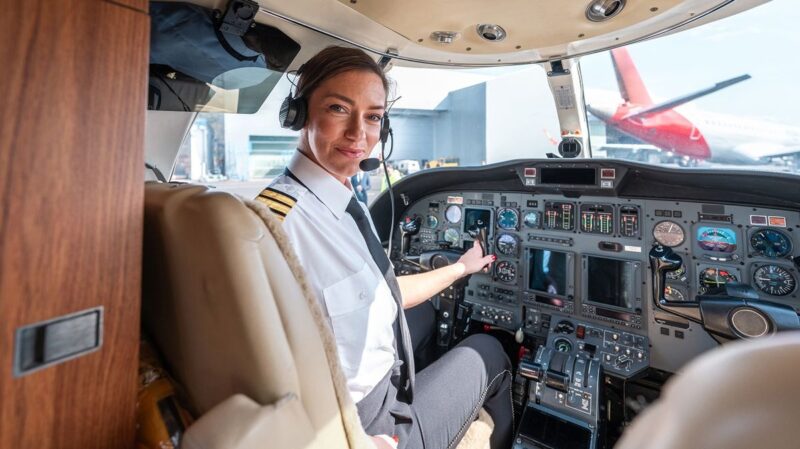
One of the first things you learn in flight training is that unclear communication isn’t just inconvenient – it can be dangerous. Pilots are trained to speak in a way that leaves zero room for misunderstanding. Every call to ATC, every briefing with an instructor, every cockpit exchange forces you to strip language down to what’s essential: be clear, be concise, and be correct.
That’s something schools take seriously. With structured FAA-approved programs and instructors who emphasize discipline and precision, students quickly discover that communicating well isn’t optional – it’s part of the culture.
Over time, this carries into everyday life. Students find themselves writing tighter emails, speaking more confidently in meetings, resolving conflicts faster, and explaining their ideas in a way that makes people feel grounded instead of confused. When you’ve learned to communicate clearly at 3,000 feet with a busy radio and weather moving in, everyday conversations suddenly feel a lot easier.
2. Smart decision-making and problem-solving
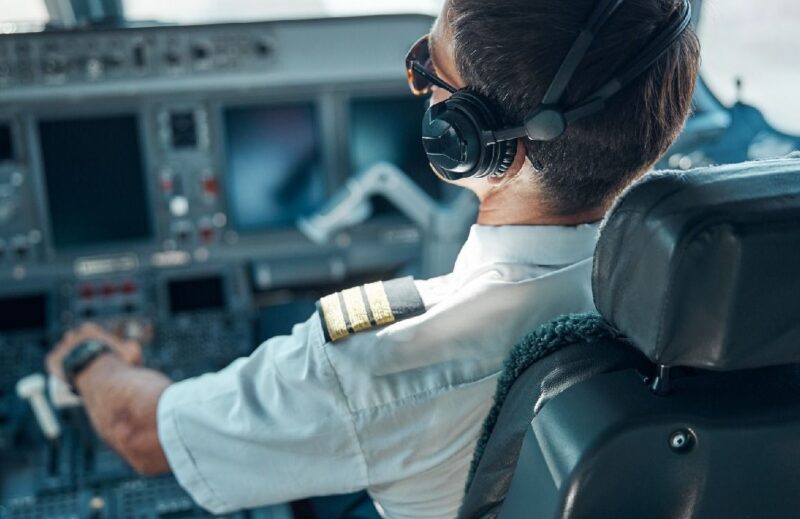
One of the biggest surprises for new students is how quickly flight training turns you into a structured thinker. Every phase of a lesson demands choices – some big, some small, all time-sensitive. Weather moves in, traffic patterns shift, a checklist doesn’t go as planned, or an approach needs to be rethought. You learn early on that hesitation is also a decision, and usually not the right one.
Flight schools build this mindset through repetition and real scenarios. You’re taught to break problems into steps, use checklists as anchors, rely on logic instead of emotion, and stay ahead of the airplane rather than react to it.
Scenario-based training reinforces this again and again: What’s the risk? What’s my best option? What’s my backup? This habit forms fast, and once it does, it becomes part of how you think in everyday life – whether you’re managing a project, handling a crisis, or choosing between imperfect options.
At flight training, this structured approach is woven into everything from simulator sessions to real flights. Their FAA-approved programs and modern Cessna & Piper fleet give students constant exposure to real-world variables – weather, airspace, traffic, and workload – turning every lesson into a small decision-making lab.
The real-life benefit? You stop overthinking and start making clearer, faster, more deliberate choices – the kind that move you forward instead of keeping you stuck.
3. Leadership and teamwork in high-stakes situations
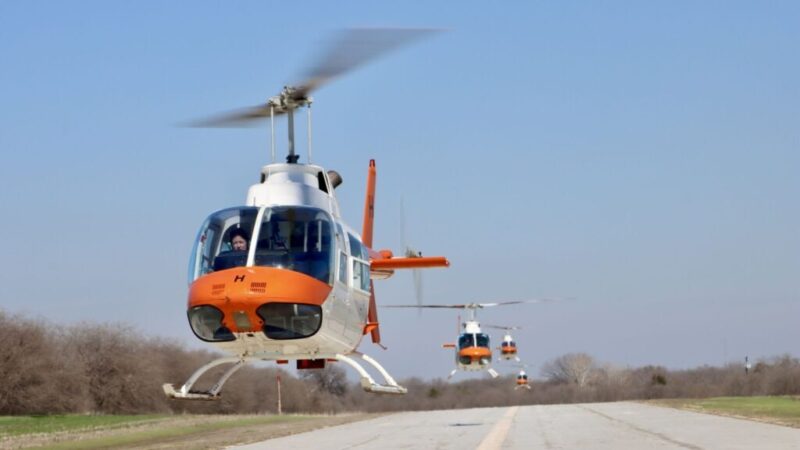
One of the quiet truths about flight training is that it turns you into a leader long before you ever touch an airline cockpit. Not the loud kind of leader – the steady one. The one who stays organized, communicates clearly, and keeps the team aligned when the pressure ticks up.
In training, you quickly learn that flying is never a solo effort. Even when you’re the one at the controls, you’re constantly coordinating with an instructor, air traffic controllers, ground crews, and other aircraft in the pattern. You brief, you delegate, you listen, and you speak up when something doesn’t look right. That’s crew resource management in its simplest form – and it becomes a habit faster than you expect.
Good flight schools reinforce this from day one. You’re taught that leadership isn’t about being the loudest voice – it’s about being accountable, calm, and receptive. You learn to take feedback without getting defensive, to give direction without taking over, and to build trust with the people sharing the workload with you. You practice stepping forward when a decision needs to be made, and stepping back when it’s time to support someone else’s responsibilities.
Before long, those same behaviors start showing up outside aviation. You become the person coworkers rely on when a project gets messy. Friends turn to you when they need clarity or a plan. You start managing disagreements with a clearer head and guiding group decisions without forcing them. The airplane teaches you that leadership isn’t a title – it’s a mindset. And once you’ve used it at 3,000 feet, you bring it with you everywhere.
4. Stress management, time management, and resilience
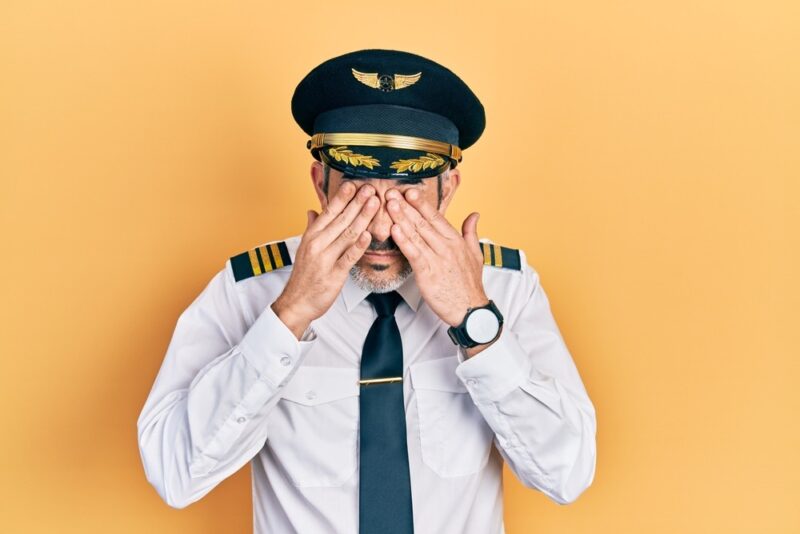
Flight training gives you a front-row seat to pressure – the healthy kind that forces you to grow. Between checkride prep, weather delays, scheduling changes, cross-country planning, and the constant push to refine your skills, you quickly learn that staying calm isn’t optional. It’s a survival tool.
What makes flight training so transformative is how it teaches you to control the controllables. You plan your lessons, organize your materials, show up prepared, and build routines that keep your mind clear even on challenging days. When a lesson doesn’t go perfectly – and every pilot has those days – you learn to reset, analyze what happened, and come back stronger. That cycle of stress → adjustment → improvement becomes second nature.
Schools that maintain high standards reinforce this rhythm every day. Students are exposed to real-world flying conditions, structured briefings, and consistent instructor feedback that teaches them how to operate under pressure without losing their edge.
The goal isn’t just to pass a checkride – it’s to build a mindset where stress doesn’t throw you off your game. Instead, you learn to use it as fuel for sharper focus and better performance.
Over time, these habits spill into daily life. You become better at handling deadlines, staying organized when everything gets busy, and keeping your emotions steady in situations where others might panic.
You make fewer impulsive decisions and more intentional ones. And when setbacks happen – at work, at school, or in your personal life – you recover faster because you’ve practiced resilience in an environment where it truly mattered.
Flight school doesn’t eliminate stress. It teaches you how to rise above it – and that’s a skill that lasts long after the engine shuts down.
5. Adaptability, lifelong learning, and self-awareness
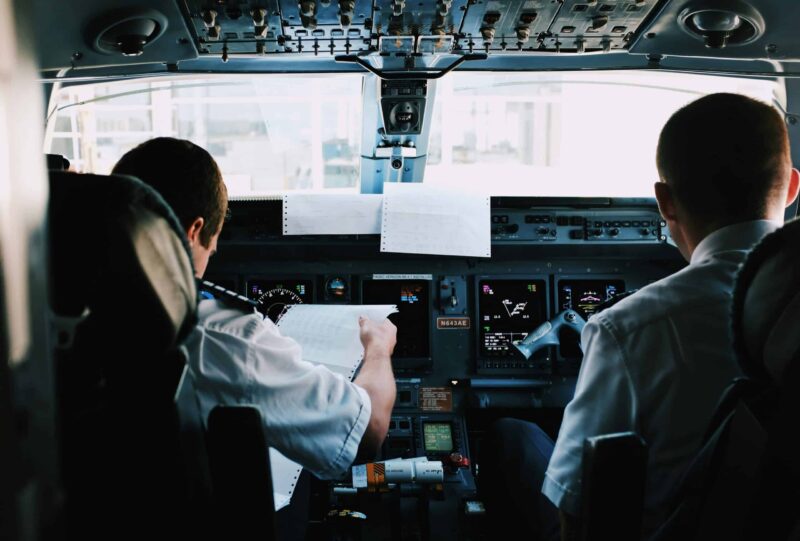
If there’s one thing aviation teaches you quickly, it’s that the environment won’t bend to your plans. Weather changes, equipment behaves differently, schedules shift, and sometimes the airplane reminds you that you are not in charge – physics is. That reality forces you to adapt faster than in almost any other type of training.
From the very first lessons, you learn to adjust without losing momentum. Maybe the winds aren’t what the forecast promised. Maybe a maneuver needs another attempt. Maybe a cross-country route has to be replanned in five minutes. You don’t complain – you pivot. You look at what you have, make a new plan, and move forward. That adaptability becomes a muscle you end up using everywhere in life.
Flight training also turns you into a lifelong learner. Aviation is built on constant improvement – new procedures, new avionics, new airspace rules, new best practices. Students quickly understand that staying current is part of the job. Even after you earn certificates, you keep asking questions, keep refreshing your skills, and keep evaluating your performance. The learning mindset becomes permanent.
And then there’s self-awareness – one of the most underrated life skills that flying builds. Every debrief requires you to look honestly at what went well and what didn’t. You learn your strengths, but more importantly, you learn your limits. Instead of hiding your weak spots, you address them. Instead of pretending you’re ready, you check yourself. That humility – knowing when to push and when to pause – makes you not just a safer pilot, but a wiser person overall.
By the time you’re done with flight school, you walk away with a mindset built for real life: flexible, curious, self-aware, and capable of growing through every challenge that comes your way.
Conclusion
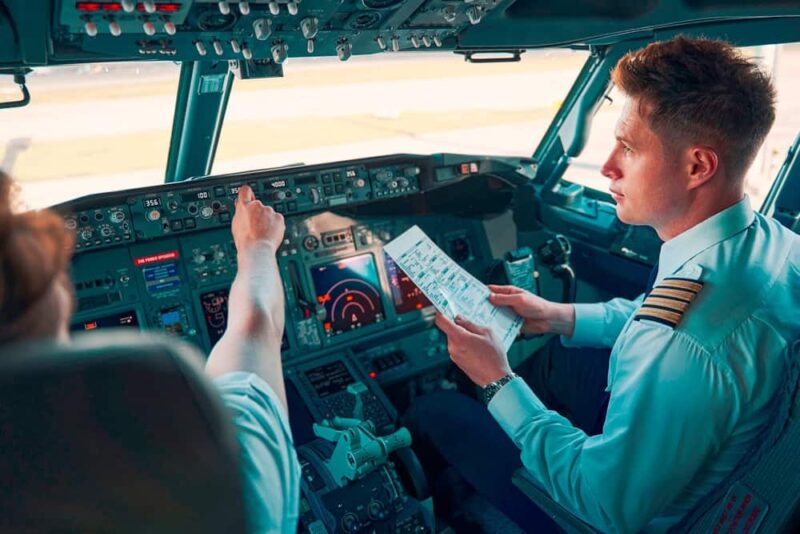
Flight school shapes you in ways most people never expect. Yes, you learn how to fly an aircraft – how to manage the controls, read the environment, and make the right call when it counts. But the deeper benefits stay with you far beyond the cockpit. Clear communication, sharp decision-making, steady leadership, real stress management, adaptability, and lifelong learning all become part of who you are.
These skills show up everywhere: at work, in your relationships, in moments of uncertainty, and whenever life throws you something unexpected. Pilots often say that aviation didn’t just make them better professionals – it made them better people. And after looking at the habits flight training builds, it’s easy to see why.
Whether you pursue aviation as a career or simply want to experience a path of growth few other fields offer, flight training is one of the most transformative journeys you can take. It challenges you, humbles you, pushes you, and ultimately equips you with a mindset built for clarity, responsibility, resilience, and confidence – in the air and on the ground.