

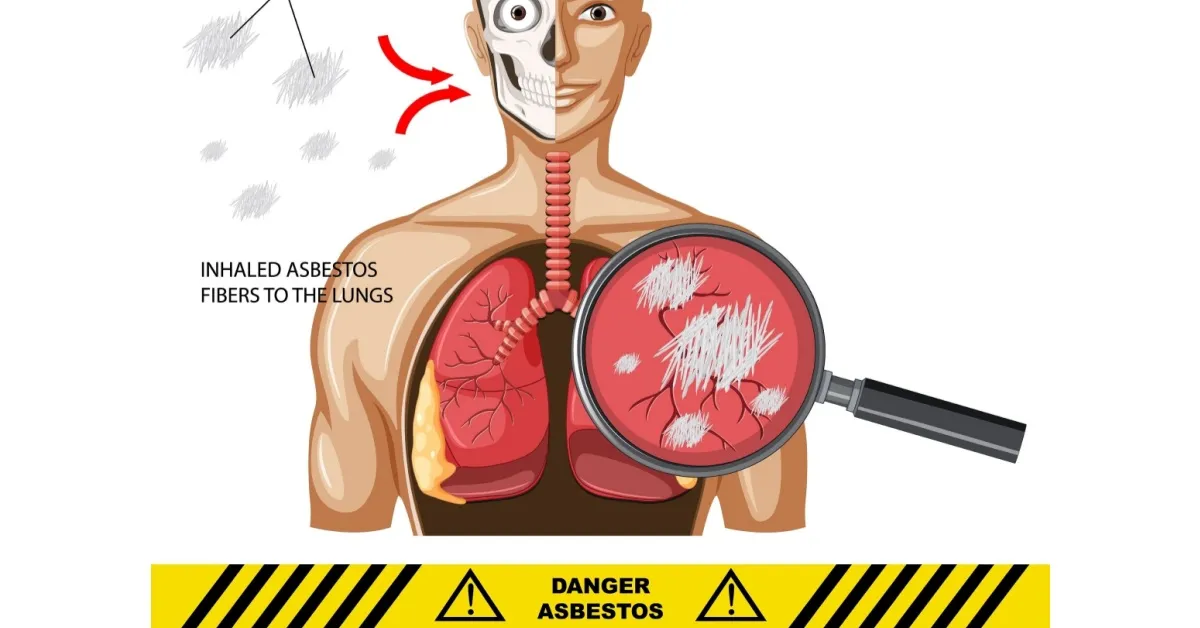
Asbestos was once a mainstay in American construction, shipbuilding, and manufacturing, prized for fireproofing and insulation. Today we know that the microscopic fibers it releases when disturbed can travel deep into lungs and other organs, slowly damaging your body over decades.
These dangers are not abstract or historical; each year in the United States, thousands of people still develop serious illnesses directly linked to asbestos exposure, including mesothelioma, lung cancer, and asbestosis. The human toll, financial cost, and scientific evidence all point to one urgent conclusion: asbestos must be eliminated completely from use and risk in the United States.
What Asbestos Is and How It Harms Health
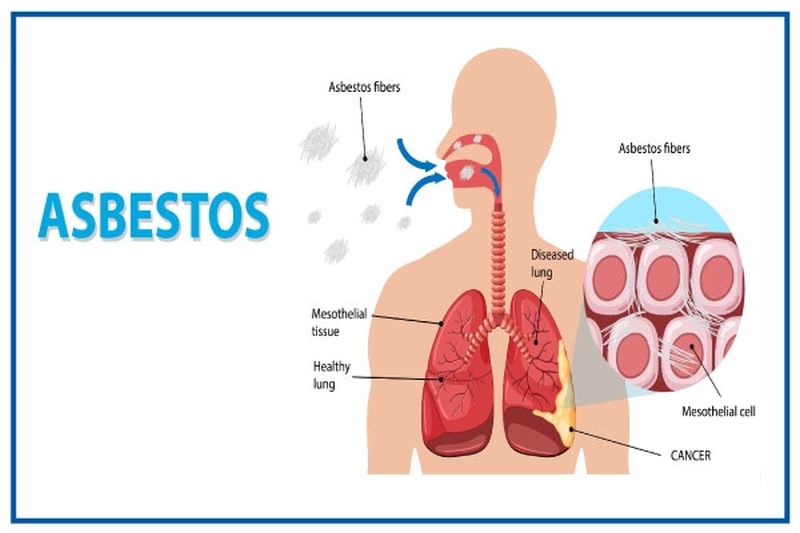
Asbestos is not a single thing but a group of naturally occurring mineral fibers that were used widely throughout the 20th century because they resist heat, fire, and chemical damage. There are six main types, and all of them are considered carcinogenic to humans. When materials containing asbestos are disturbed during demolition, renovation, or even simple home repairs, tiny fibers float into the air and can be inhaled or swallowed.
Exposure does not cause immediate symptoms. These fibers can lodge in the lungs or the thin tissues surrounding organs for decades before disease develops. The most notorious outcome is mesothelioma, a rare and aggressive cancer of the lining around the lungs or abdomen.
According to the Centers for Disease Control and Prevention, approximately 2,669 cases were reported in the United States in 2022 alone, with asbestos exposure identified as the primary cause.
At the same time, asbestos fibers contribute to many other serious conditions. These include asbestosis (scarring of lung tissue that causes breathlessness and disability) and lung cancer. Asbestos exposure also increases risk for cancers of the larynx, ovaries, and other organs. The hidden, decades-long incubation period of these diseases is one reason why the effects of exposure continue long after contact with asbestos has ended.
Recognizing the Full Burden of Asbestos Disease
Before moving straight to solutions, it helps to grasp the full scale of the problem. Mesothelioma alone may be rare, but its impact is profound. Roughly 2,500 people in the U.S. die from mesothelioma every year, with many more struggling with lung cancer and other debilitating conditions linked to asbestos fibers lodged in their bodies.
The suffering does not just affect individual patients; entire families and communities cope with the emotional and financial strain of care, lost income, and long-term medical treatment. For people diagnosed with mesothelioma or other asbestos-related diseases, pursuing fair compensation can be essential not just for justice but for practical survival. That is why discussing legal steps, including filing a mesothelioma claim with loved ones and planning for their future is often a difficult but necessary part of the journey after diagnosis.
Key Patterns of Asbestos-Related Diseases
- Latency period can be 20 to 50 years or more between exposure and disease.
- High-risk occupations historically include shipbuilding, construction, mining, and automotive work.
- Family members can be affected by secondhand exposure from workers’ clothing and hair.
These patterns help explain why we still feel the effects of asbestos decades after its peak use.
Why Current Regulations Are Not Enough
You might assume that because we know so much about the dangers of asbestos, its use in the United States long ago came to an end. However, the reality is more complicated. Partial bans and regulations have existed since the late 1970s, and specific products and applications are tightly controlled. However, the U.S. did not enact a full, enforceable ban on all asbestos use for years. The result has been lingering exposure risks in older buildings, industrial sites, and even some modern industrial applications.
The Environmental Protection Agency (EPA) has taken major steps in recent years. In March 2024, it finalized a rule banning the use and import of chrysotile asbestos, the last form still used in the U.S. for certain industrial purposes, bringing the policy more in line with over 50 other countries that have already outlawed asbestos entirely.
Despite this progress, critics note loopholes, extended phase-out timelines for some industries, and ongoing risks in existing buildings. These regulatory gaps mean that workers, renovators, and residents in older structures can continue to face dangerous exposure. Effective protection requires vigorous enforcement, public education, and comprehensive remediation, not just bans on future use.
Steps Toward True Elimination of Asbestos Risks
Eliminating asbestos-related disease means going beyond rules on paper to ensure real-world safety. This involves coordinated action at federal, state, local, and individual levels.
Practical Actions to Reduce Asbestos Harm
- Systematic identification and safe removal of asbestos in schools, public buildings, and homes.
- Mandatory training and certification for professionals handling asbestos removal and disposal.
- Funding for public health outreach so that homeowners, tenants, and workers know where risks may exist.
- Stronger enforcement of workplace safety standards with penalties for violations.
Each of these actions helps reduce the chances that people will unknowingly disturb asbestos fibers.
What Individuals Can Do
- Learn whether your home or workplace may contain asbestos, especially in buildings constructed before the 1980s.
- Insist on professional inspection and removal when renovation or demolition is planned.
- Ask for documentation of asbestos safety procedures from contractors and property managers.
Taking these steps does not guarantee immunity from all risk, but it makes exposure significantly less likely. The World Health Organization estimates more than 200,000 deaths globally are attributed to occupational exposure to asbestos every year. More than 70% of all work-related cancer deaths are tied to this one material. This is one of the reasons more than 50 countries have outlawed asbestos entirely.
The Human Case for a Total Ban
Statistics and regulations are essential, but the core reason to eliminate asbestos risk is human. Behind every number is a person whose life, family, and future are affected. Mesothelioma and other asbestos-related diseases are indiscriminate in the devastation they inflict. They often strike decades after exposure, meaning someone could be living a healthy life today only to face a grim diagnosis years from now.
The United States has taken an important step by banning the last form of asbestos in use. However, policy must continue evolving to ensure that past exposure does not translate into future disease, and that current exposure risks are eliminated wherever possible.
Cleaning up older structures, improving workplace protections, and investing in research and care for affected patients are all parts of this mission. Along with being a health policy issue, there is also a moral imperative to protect people from preventable suffering and provide justice for those harmed by exposure.
Endnote
Mesothelioma and other asbestos-related diseases represent a legacy of industrial optimism turned tragic human cost. The microscopic fibers that once seemed like an engineering marvel have proven to be among the deadliest materials ever widely used. The evidence, from scientific institutions to public health statistics, shows that there is no safe level of asbestos exposure and that diseases resulting from it are severe and often fatal.
The recent regulatory ban on asbestos in the United States is an important milestone, but it must be reinforced with strong enforcement, comprehensive removal of existing asbestos hazards, and ongoing education for workers and the public. Only then can we truly say America has confronted this danger and protected future generations from its toll.
Frequently Asked Questions
How long after asbestos exposure does disease typically appear?
Mesothelioma and other asbestos-related diseases usually develop decades after initial exposure, often 20 to 50 years or more.
Are there places where asbestos is still commonly found?
Yes, older structures built before the 1980s often contain asbestos in insulation, tiles, roofing materials, and other products.
Can smoking increase the risk of asbestos-related disease?
Smoking notably increases the risk of asbestos-related lung cancer, though it does not appear to increase mesothelioma risk the same way it affects lung cancer outcomes.
Is there a cure for mesothelioma?
There is currently no definitive cure, though treatments like surgery, chemotherapy, and radiation can improve symptoms and extend life for some patients.
Why was asbestos still used in the U.S. until recently?
Partial regulation and legal challenges slowed comprehensive bans, allowing some forms of asbestos to remain in limited industrial use until recent EPA action.