

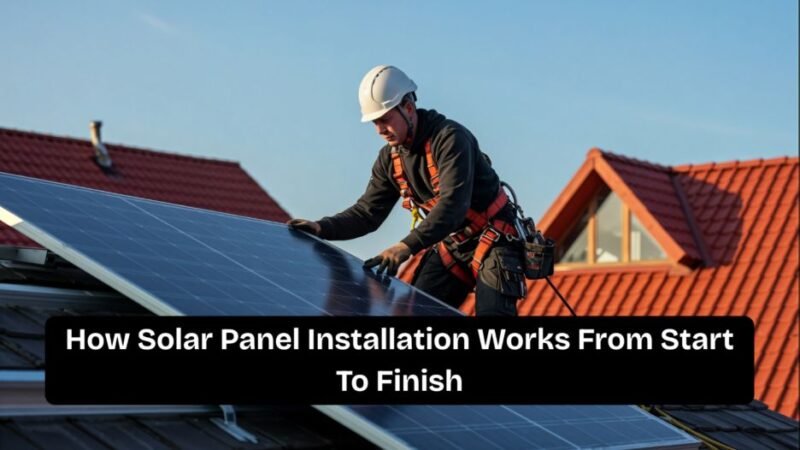
Rising electricity costs and the need for dependable energy have pushed many property owners toward solar power. Even so, hesitation is common. The installation process is often perceived as complex, involving technical assessments, permits, scheduling, and long-term performance considerations.
In reality, solar panel installation follows a clear and logical sequence. Each phase has a defined purpose and builds on the previous one. When understood properly, the process becomes predictable rather than overwhelming.
Below is a structured, step-by-step explanation of how solar panel installation works from start to finish.
1. Site Assessment and Energy Evaluation
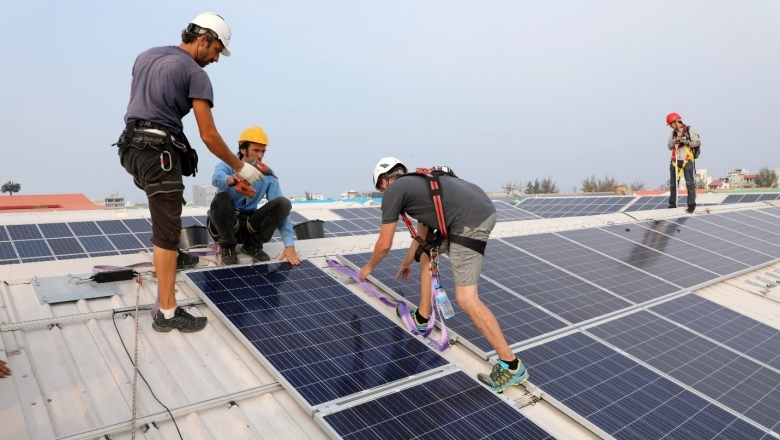
Each solar panel installation project begins with an elaborate site assessment. At this point, the professionals consider the ability of the property to accommodate solar panels and the size of the system to install. This action predetermines the technical basis of the project.
Installers initially examine the roof or the installation site for structural integrity and general state. This check is necessary to demonstrate that the surface can hold solar panels in the long run.
They then evaluate roof direction and inclination. These factors directly influence the amount of sunlight that the panels are exposed to. Proper analysis facilitates the estimation of realistic energy output.
Shading is also analyzed. Efficiency can be lowered by trees, surrounding buildings, or other obstructions. Monitoring of shading at an early stage can allow the installers to modify the system design.
Lastly, the history of electricity usage is examined. Such information enables professionals to scale the system based on actual consumption and not estimated consumption. Consequently, the project starts with effective expectations and planning.
2. System Design and Engineering Planning
Once the site assessment is complete, the project moves into the design phase. Engineers create a system tailored to both the property’s physical layout and its energy requirements.
Panel selection is based on efficiency, durability, and available space. At the same time, an appropriate inverter is chosen to convert solar energy into usable electricity. The compatibility between panels and inverter plays a key role in long-term system performance.
The layout is then planned in detail. Panel placement is optimized to maximize sun exposure while meeting safety, spacing, and access requirements. Electrical pathways are designed to reduce energy loss and simplify future maintenance.
System capacity is finalized at this stage. Designers account not only for current energy use but also for potential future demand. This forward-looking approach helps avoid costly upgrades later.
All of this is documented through technical drawings and calculations that meet regulatory and safety standards.
3. Permits, Approvals, and Compliance
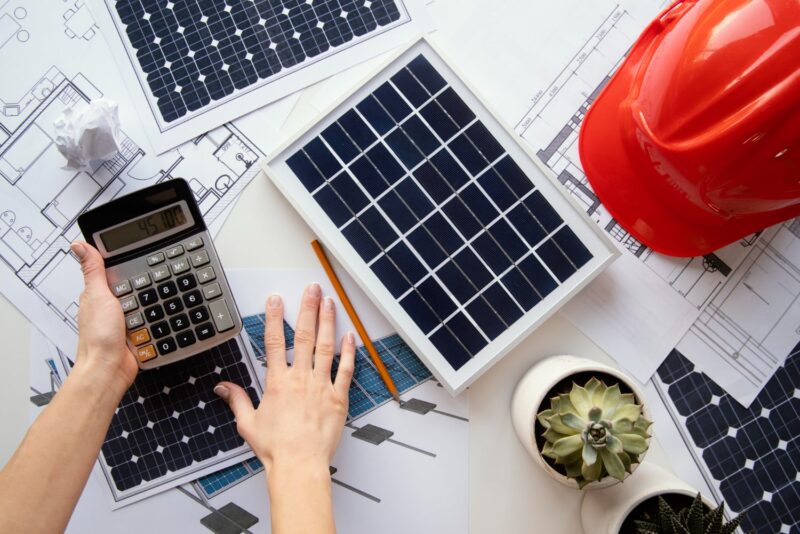
Before any physical installation begins, all required permits and approvals must be secured. This administrative phase ensures the system complies with legal, safety, and utility requirements, reducing the risk of future complications.
During this stage, several parties are involved in reviewing and authorizing the project:
- Local building and electrical authorities, who examine plans to confirm compliance with construction and safety codes
- Utility providers, responsible for approving grid interconnection and finalizing net metering agreements
- Property management bodies or homeowner associations, when applicable, to ensure the installation aligns with community guidelines
Each approval serves a specific purpose and contributes to the overall safety and legality of the system. Maintaining clear and organized documentation throughout this process helps prevent delays and misunderstandings.
Although this phase involves paperwork rather than physical work, it provides long-term security. Once all approvals are in place, the project can proceed without regulatory risk or compliance-related interruptions.
4. Electrical Integration and Installation
With approvals completed, physical installation begins. This is where planning turns into a functioning solar energy system.
The process starts with mounting structures. These are securely attached to the roof or ground to support the panels while protecting the underlying surface. Proper mounting is essential for durability and weather resistance.
Solar panels are then installed onto the mounts. Each panel is aligned carefully to maintain optimal angle and spacing, which directly affects energy production.
Electrical connections follow. Panels are wired together and connected to the inverter, which is integrated into the property’s electrical system. At this point, the system is physically capable of generating power.
Throughout installation, strict safety standards are followed. Attention to detail at this stage ensures reliable operation and minimizes future issues.
5. Inspection, Testing, and Grid Connection
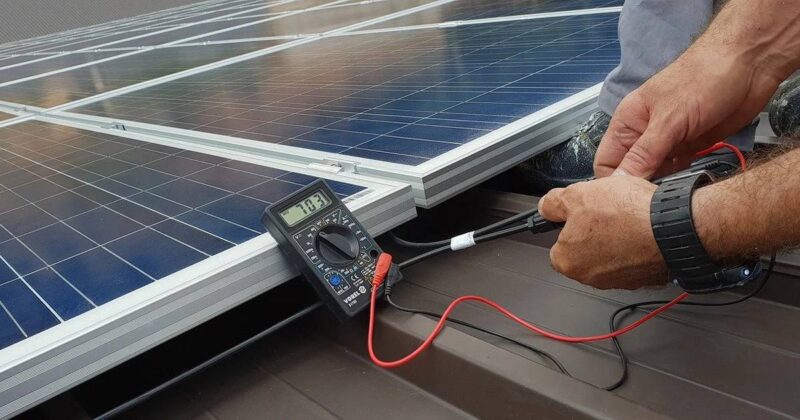
After installation is complete, the system undergoes inspection and testing to confirm it meets all required standards.
Local inspectors review the work to verify compliance with building and electrical codes. They examine mounting hardware, wiring, and overall workmanship.
Technical testing is also performed to ensure proper operation. This includes checking voltage levels, inverter performance, and system communication.
Once inspections are approved, the utility provider authorizes the system to operate. At this point, the system is officially connected to the grid and can begin producing energy.
This phase marks the transition from installation to active operation.
6. Monitoring, Maintenance, and Long-Term Performance
After activation, the system enters its operational life. Ongoing monitoring and basic maintenance help ensure consistent performance over time.
Most modern systems include monitoring tools that track energy production. These tools make it easier to identify performance issues early and address them before they affect output.
Maintenance requirements are minimal but important:
- Periodic cleaning to remove dust and debris
- Occasional inspection of electrical connections and mounting hardware
- Performance checks to confirm expected energy production
Solar panels are designed to last 25 years or more, with gradual efficiency decline over time. With proper monitoring and basic care, the system can deliver reliable, long-term energy savings.
Final Thoughts
Solar panel installation is a structured and dependable process. Each phase contributes to system safety, efficiency, and longevity. When the steps are clearly understood, the project becomes manageable rather than intimidating.
A clear understanding of the process, from initial assessment to long-term operation, allows property owners to make informed decisions with confidence and a long-term perspective.