

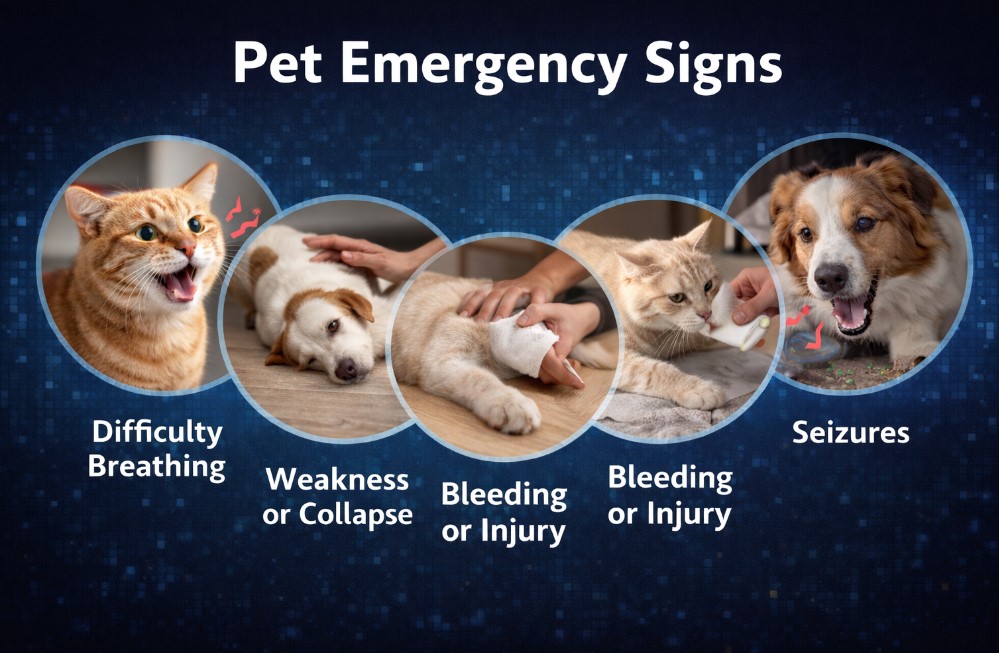
Did you know that studies in veterinary emergency medicine consistently show that pets hide pain far more effectively than humans? By the time obvious symptoms appear, a condition may already be advanced. That reality makes one question especially important for every pet owner: how do you tell the difference between “let’s keep an eye on this” and “we need a vet right now”?
This article walks you through the most critical pet emergency signs in a calm, practical way. No panic, no medical jargon overload, just clear guidance you can rely on when time and clarity matter most.
Why recognizing pet emergencies early matters
Pets do not complain the way people do. Dogs may wag their tails even when they are uncomfortable, and cats often withdraw quietly instead of showing distress. This natural instinct to hide weakness can delay treatment and worsen outcomes if warning signs are missed.
Early recognition is not about overreacting. It is about noticing when something crosses the line from mild concern to urgent risk. Internal bleeding, respiratory distress, neurological events, or toxin exposure all benefit from rapid intervention. Minutes and hours matter.
Many emergency cases that end badly did not start dramatically. They began with subtle changes in breathing, posture, appetite, or behavior that seemed easy to explain away. Learning to recognize patterns rather than isolated symptoms gives you a real advantage as a pet owner and can quite literally save your pet’s life.
How to decide if a situation is truly an emergency
One of the hardest parts of pet care is decision making under uncertainty. You do not want to rush to the clinic unnecessarily, but you also do not want to wait too long. This is where understanding when to see emergency vet care becomes essential, especially outside regular office hours.
A good rule of thumb is to focus on three factors: speed of onset, severity of symptoms, and change from normal behavior. Sudden symptoms that escalate quickly almost always deserve urgent attention. Severe symptoms that affect breathing, consciousness, or mobility should never wait. Behavioral changes that feel “off” and persist are also important clues.
If you ever find yourself debating whether a symptom is serious enough, that hesitation alone is meaningful. Emergency veterinary teams are trained to assess urgency quickly, and early evaluation often prevents complications rather than creating unnecessary treatment.
Breathing problems and airway distress
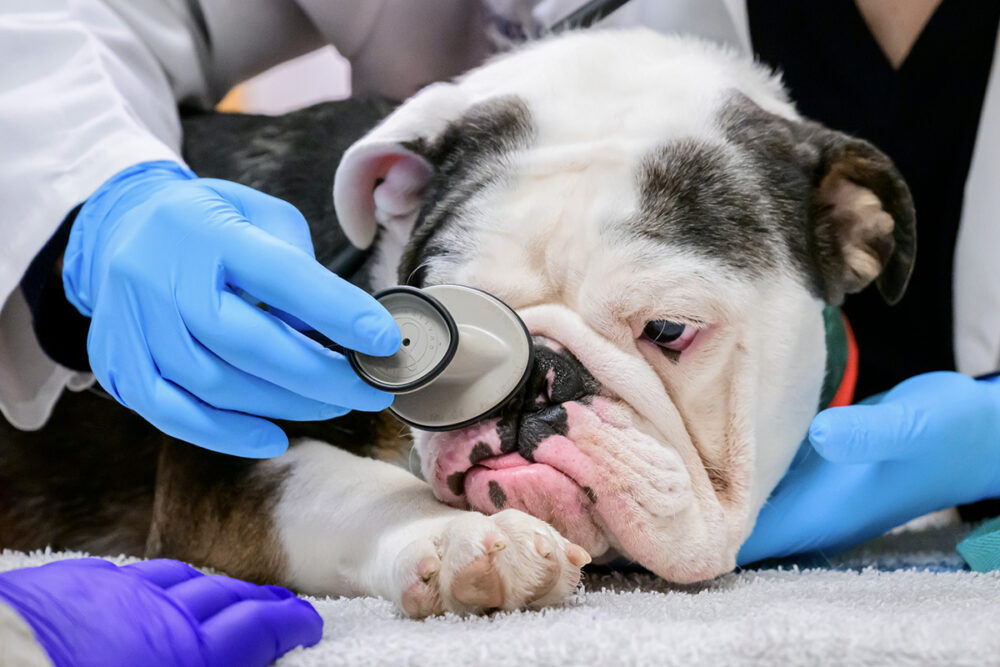
Breathing issues are among the most urgent veterinary emergencies because oxygen deprivation affects every organ. Normal breathing should be quiet and effortless. Any deviation from that deserves close attention.
Watch for signs such as labored breathing, exaggerated chest movement, open-mouth breathing in cats, blue or pale gums, or sudden coughing fits. These symptoms may indicate asthma, heart failure, airway obstruction, allergic reactions, or trauma.
Common red flags include:
- Rapid breathing at rest, especially if the abdomen is visibly involved
- Noisy breathing such as wheezing, gurgling, or choking sounds
- Tongue or gums changing color from pink to pale or bluish
Breathing problems rarely improve on their own. Even if symptoms seem mild at first, they can deteriorate quickly. Prompt veterinary evaluation helps stabilize oxygen levels and identify the underlying cause before it becomes life-threatening.
Severe vomiting, diarrhea, or signs of internal bleeding

Occasional stomach upset is common in pets. Persistent or severe gastrointestinal symptoms are not. Repeated vomiting, profuse diarrhea, or the presence of blood should always raise concern.
Blood may appear bright red or dark and tar-like, depending on where bleeding occurs. Black stools often indicate upper gastrointestinal bleeding, while red blood may point to lower tract issues or trauma.
Pay attention to patterns, not just isolated incidents. A single vomit may not be alarming. Vomiting every hour, combined with lethargy or abdominal pain, is different. Dehydration, electrolyte imbalance, and shock can develop rapidly, especially in small pets or puppies.
Internal bleeding is particularly dangerous because it may not be visible at first. Pale gums, weakness, collapse, or abdominal swelling are urgent signs that warrant immediate veterinary care.
Sudden collapse, seizures, or loss of consciousness
Neurological emergencies are frightening to witness and often require immediate intervention. Collapse, seizures, or unresponsiveness indicate that the brain is not functioning normally, even if the episode is brief.
Seizures may appear as full-body convulsions or subtle episodes of staring, muscle twitching, or loss of coordination. First-time seizures are always considered emergencies. Multiple seizures close together or seizures lasting longer than a few minutes are especially dangerous.
Collapse without seizure activity may signal heart problems, internal bleeding, severe pain, or toxin exposure. Loss of consciousness, even if short-lived, is never normal and should not be ignored.
After any neurological episode, pets may seem confused or disoriented. This does not mean the danger has passed. Veterinary evaluation helps determine the cause and prevent recurrence or escalation.
Trauma, accidents, and unseen injuries

Not all injuries bleed visibly. Pets involved in car accidents, falls, dog fights, or blunt trauma can appear outwardly fine while suffering internal damage.
Adrenaline often masks pain in the first hours after an injury. A pet may walk, eat, or act relatively normal while internal bleeding, organ damage, or fractures develop silently.
Signs that warrant urgent evaluation after trauma include:
- Difficulty standing or walking
- Abdominal tenderness or swelling
- Rapid breathing or shallow breaths
- Whining, restlessness, or sudden aggression
Even if external wounds seem minor, internal injuries can worsen without treatment. Early imaging and monitoring significantly improve outcomes and reduce long-term complications.
Poisoning and toxin exposure
Pets are naturally curious, and many common household items are toxic to them. Human medications, cleaning products, plants, foods like chocolate or grapes, and pest control substances are frequent culprits.
Poisoning symptoms vary widely. Some toxins cause immediate vomiting or drooling, while others lead to delayed neurological or organ damage. Waiting for symptoms can be dangerous because early treatment is often most effective before absorption occurs.
If you suspect ingestion of a toxic substance, do not induce vomiting unless specifically instructed by a veterinarian. Certain substances can cause more damage on the way back up. Bring the product packaging or name with you if possible, as it helps guide treatment quickly.
Urinary blockages and extreme abdominal pain

Urinary blockages, especially in male cats, are true medical emergencies. A blocked bladder prevents urine from leaving the body, leading to toxin buildup and electrolyte disturbances that can be fatal within days.
Signs include repeated trips to the litter box with little or no urine produced, crying during attempts to urinate, licking the genital area, or hiding. Abdominal pain may cause aggression or withdrawal.
Severe abdominal pain in any pet deserves urgent attention. Pets may adopt a hunched posture, resist being touched, or vocalize unexpectedly. Pain of this intensity is rarely benign and often signals conditions requiring immediate intervention.
Important veterinary fact: Complete urinary obstruction is fatal without treatment and should always be treated as an emergency, even if the pet seems alert.
Behavioral changes that signal urgent illness
Not all emergencies involve dramatic physical symptoms. Sudden behavioral changes can be just as telling. A normally social pet that isolates, a calm pet that becomes aggressive, or an active pet that becomes unusually still may be signaling distress.
Behavioral shifts often accompany pain, neurological changes, or internal illness. Cats, in particular, may show illness primarily through behavior rather than obvious physical signs.
A useful comparison table helps clarify when behavior crosses into emergency territory:
| Behavior change | Possible concern | Urgency level |
| Sudden hiding or withdrawal | Pain or illness | High |
| Unprovoked aggression | Neurological or pain-related | High |
| Disorientation or pacing | Brain or metabolic issue | Emergency |
| Lethargy with poor appetite | Systemic illness | Moderate to high |
Behavior is communication. When it changes abruptly, it deserves attention.
Trusting your instincts and acting with confidence
Pet owners often worry about overreacting. In reality, veterinarians would rather assess a pet early than treat a crisis that escalated due to delay. Your familiarity with your pet’s normal behavior is a powerful diagnostic tool.
If something feels wrong, it usually is. Acting promptly does not mean panic. It means prioritizing safety and allowing professionals to assess risk. Emergency clinics exist to handle uncertainty and urgency, not just worst-case scenarios.
Preparing ahead helps reduce stress when decisions matter. Know where your nearest emergency clinic is located, keep important phone numbers accessible, and familiarize yourself with common warning signs. Confidence comes from preparation, not hindsight.
Conclusion

Recognizing pet emergency signs is not about memorizing a checklist. It is about understanding patterns, noticing changes, and responding thoughtfully but promptly.
Your attentiveness and willingness to act can make the difference between a close call and a tragic outcome.
When in doubt, choosing care is choosing protection, and that choice is never the wrong one.