


An office desk is not just a surface where you place your laptop. However, this realization comes to many individuals after they have dealt with everyday soreness, lost papers, unraveled wires, and limited space, which interferes with focus.
When your desk is not correctly supporting your equipment or does not offer enough storage for important items, small inefficiencies slowly build up and start impacting overall productivity. With time, inappropriate layout and unstable construction may also influence posture and the consistency of workflow, complicating simple tasks even further.
These issues, however, can be avoided provided that you assess performance prior to decision-making. The evaluation of structure, workspace size, storage, internal connectivity, material quality, and compatibility with design enables you to establish a setup that suits you and not the other way round.
With detailed consideration, your desk can support your concentration, productivity, and durability.
This article explores six performance factors that allow you to choose an office desk with clarity and confidence.
1. Ergonomic Structure and Posture Support
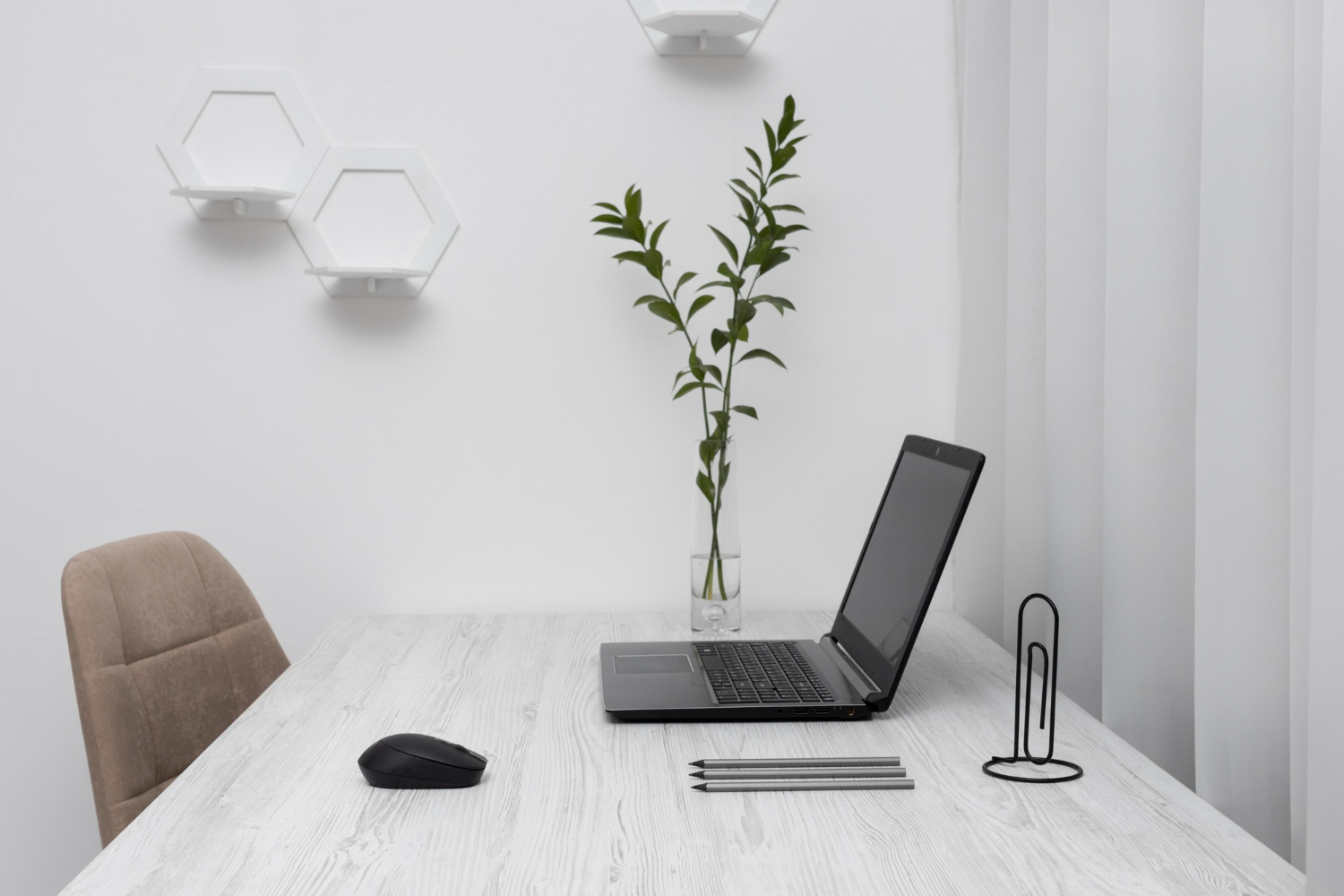
Ergonomic structure dictates whether your working environment enhances healthy posture during extended periods of work. In assessing any office desk, the first thing to consider is the height compatibility with your chair and the setup of the monitor.
As a result, correct positioning ensures that the wrists are straight, the shoulders are not tense, and the screen is at eye level. Moreover, sufficient legroom helps avoid limited mobility and facilitates comfort during longer sittings.
Widely spaced corner desks or L-shaped desks tend to provide better posture through the allocation of equipment to available areas. Consequently, you are comfortable and not continuously changing position, which directly enhances both concentration and endurance.
2. Structural Stability and Material Strength
Structural integrity is also vital in performance. A desk should be able to withstand the daily stresses of typing, writing, and equipment weight. Hence, consider frame construction, joint strength, and load-bearing capacity prior to finalizing the decision.
Moreover, strong wood or reinforced panels engineered to be of high quality do not bend or have their surface destroyed with time. In addition, solid cabinetry and hard-support legs do not cause wobbling, particularly when supporting several devices.
Furthermore, robust construction ensures that the instability does not affect productivity and increases the duration of your investment, as well. Long-lasting finishes also prevent scratches, spills, and wear and tear that come with regular and intensive professional use.
3. Workspace Dimensions and Layout Efficiency
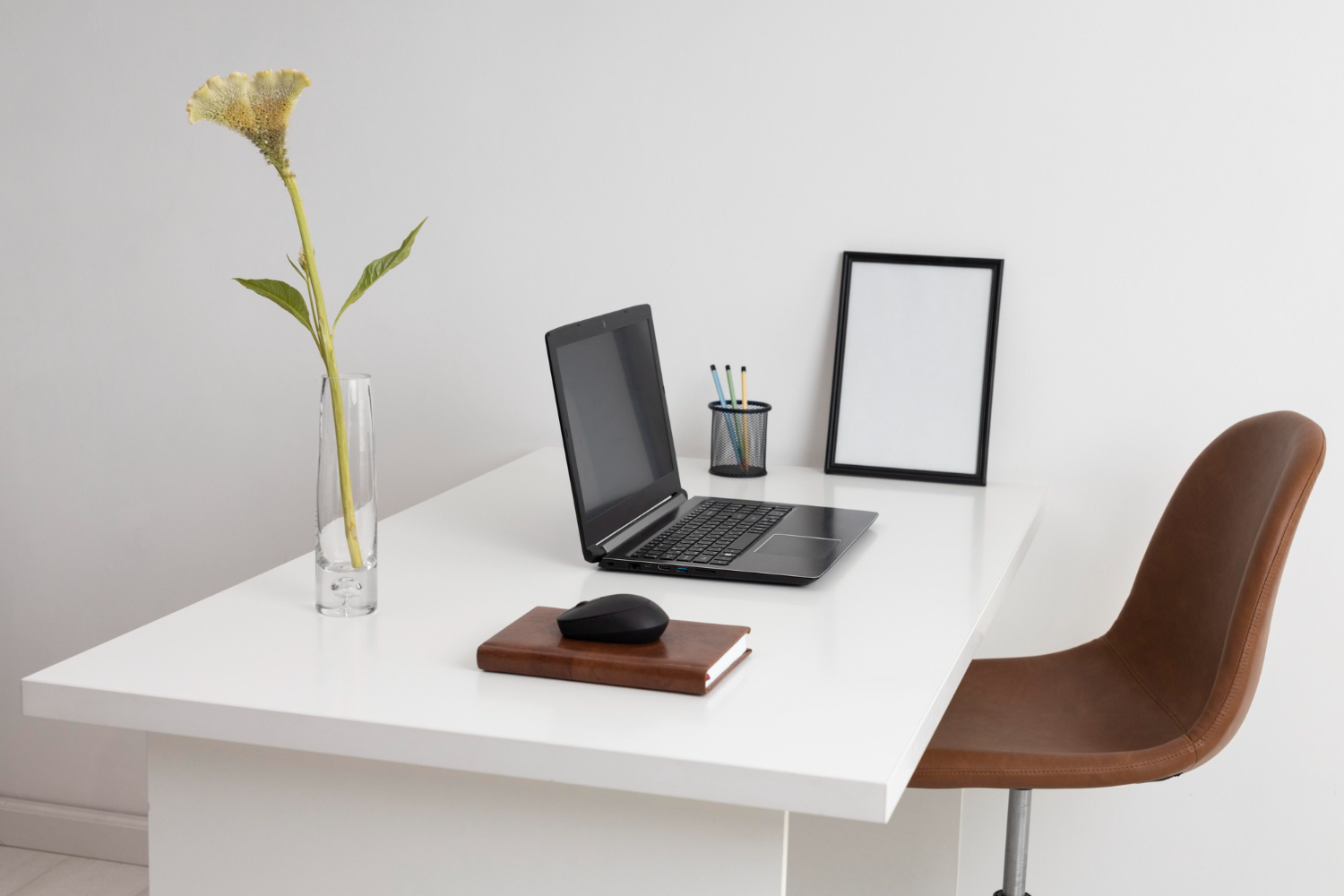
The size of a workspace has a direct impact on your capacity to work efficiently on tasks. The limited surface area of a desk would compel you to stack papers or rearrange machines several times, thereby reducing the speed of work. In contrast, large desks offer distinct areas of computer use, paperwork, and resource materials.
Moreover, L-shaped arrangements are also more efficient in layout since they maximize corner space. As a result, you are able to separate active tasks and storage, or secondary equipment, without clutter. Adequate depth also allows the proper monitor distance, which eases eye strain and allows an ergonomic position.
In addition, effective layout is a way of organizing desk space into a systematic, task-oriented space. Specific areas also reduce distractions and promote orderliness during multitasking occurrences.
4. Storage Capacity and Organization Systems
The clutter interferes with clarity of mind just as much as physical space. Consequently, the built-in storage becomes a key performance indicator. Drawers, side cabinets, and enclosed compartments assist you in storing important things at your convenience, leaving the desktop clean and tidy.
In turn, well-organized storage enables you to switch between activities more effectively since papers, office supplies, and devices will be available without cluttering. Moreover, cabinets that have secure closures ensure that important files and equipment are not damaged or lost.
Furthermore, with storage constructed into the desk design, you enhance efficiency, as well as incorporate no additional furniture into the room. As a result, separate compartments reduce the number of visual distractions and ensure a more organized and structured everyday work process.
5. Integrated Connectivity and Cable Control

Modern workstations rely on multiple devices, and unmanaged cables quickly create visual and functional disorder. Desks equipped with built-in charging ports simplify device connectivity by eliminating the need for separate extension boards.
Integrated power outlets support laptops, monitors, and accessories without clutter. Equally important, structured cable management keeps wires concealed and organized. This reduces tripping risks and prevents tangled cords from interfering with daily movement.
Seamless connectivity not only enhances safety but also ensures uninterrupted workflow, particularly in tech-driven environments. Convenient access to power sources increases efficiency during meetings, remote collaboration, and device-heavy professional tasks.
6. Design Compatibility and Professional Appeal
While functionality remains primary, visual compatibility influences overall workspace satisfaction. A desk should align with existing decor, color schemes, and professional standards. Clean finishes and structured forms create an environment that supports focus rather than distraction.
Additionally, cohesive design enhances perception during virtual meetings or in shared office settings. When aesthetics and function align, the desk contributes to both productivity and workplace identity.
Balanced design ensures that performance does not come at the expense of visual harmony. A refined appearance also reinforces discipline, organization, and professionalism within everyday work routines.
Bottom Line
Selecting an office desk requires more than comparing dimensions or price points. By prioritizing ergonomic structure, strong construction, efficient layout, organized storage, integrated connectivity, and compatible design, you create a workspace that actively supports productivity.
Each factor contributes to a smoother workflow, reduced physical strain, and improved organization. When evaluated together, these elements provide a clear framework for decision-making.
Rather than adjusting your work habits to fit your furniture, you establish a desk environment built to support consistent performance and long-term efficiency.