

Have you noticed that many homeowners feel overwhelmed the moment they think about working on their backyard? Studies on home improvement behavior show that outdoor projects are often delayed longer than indoor ones, mostly because people do not know where to start. If that sounds familiar, you are not alone.
Backyard landscaping does not need expert knowledge or expensive tools. It works best when treated as a slow and logical process.
With the right order of steps and realistic expectations, even a messy or uneven yard can become more useful and easier to maintain over time.
Understanding Your Backyard Before Making Any Changes
Before moving soil or buying plants, the most important step is simply paying attention to what is already there. Many beginners rush into planting or building, only to realize later that sunlight, water flow, or soil quality works against them. Spending time observing saves money and frustration later.
Start by walking your yard at different times of day. Notice where the sun stays longest, where shade dominates, and where water collects after rain. Soil texture also matters. Some areas may feel compact and clay heavy, while others drain too fast.
Think about how the space is used now and how you realistically want to use it in the future. If boundaries, privacy, or safety are concerns, planning around existing structures like fencing becomes part of the early process, and to clarify those limitations visit https://DFWFenceContractor.com/.
- Check sunlight patterns across morning and afternoon
- Watch drainage after rainfall
- Identify high traffic areas and unused corners
You are ready to move on once you can clearly describe your yard in simple terms.
Setting Realistic Goals That Focus on Function First
Once you understand the space, the next step is deciding what the yard needs to do for you. Beginners often think in terms of appearance first, but function should always come earlier. A yard that looks nice but is hard to use quickly becomes frustrating. Clear goals help guide every decision that follows.
Ask practical questions rather than design focused ones. Do you need space for children to play, a small seating area, or something low-maintenance that does not demand weekly attention? Limiting goals keeps the project manageable and prevents wasted effort. Many people try to do too much at once and end up abandoning half finished ideas.
Common beginner goals include:
- A simple open lawn area
- One seating zone near the house
- Easy care planting that survives neglect
You know it is time to continue when you can describe your priorities in one or two sentences without hesitation.
Basic Cleanup and Preparation That Sets the Foundation
Cleanup feels unexciting, yet it is the step that determines how well everything else works. Removing debris, trimming overgrowth, and clearing problem areas gives you a clean starting point. Skipping this stage often leads to planting failures and uneven results.
Focus on removing weeds, old roots, broken edging, and unnecessary clutter. This step also reveals issues that were hidden, such as uneven ground or compacted soil. Preparation allows better drainage and healthier plant growth later. Avoid the mistake of trying to fix everything at once. Work in sections so progress feels steady rather than exhausting.
At this stage, simple tools are enough. Gloves, a rake, and patience go a long way. Once the yard looks clear and you can see the ground clearly, you are ready to start planning layout rather than cleaning.
Planning a Simple Layout Using Zones Not Designs
Beginners often believe they need a detailed plan or drawing. In reality, simple zones work much better. A zone is just an area with one purpose. Thinking this way keeps decisions practical and flexible.
Start by dividing the yard into two or three zones at most. For example, a walking area, a sitting area, and a planting area. Do not worry about shapes or symmetry. Nature rarely follows perfect lines, and neither should a beginner plan.
Below is a simple example of how zoning can look in practice.
| Zone Type | Main Purpose | Typical Materials |
| Open Area | Movement or play | Grass or ground cover |
| Seating Zone | Relaxing or dining | Pavers or gravel |
| Planting Zone | Visual interest | Mulch and plants |
After identifying zones, let them guide decisions instead of forcing a design. You are ready to move forward when every part of the yard has a basic role.
Beginner Friendly Landscaping Ideas That Actually Work
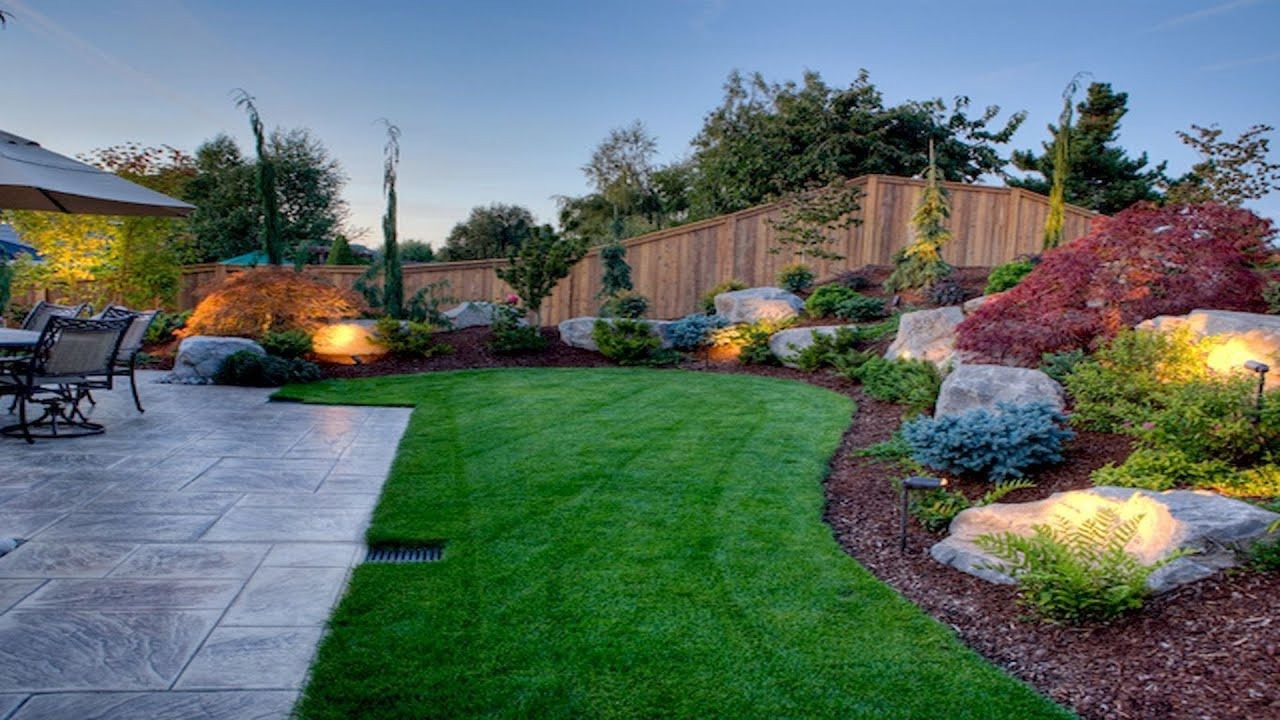
When it comes to landscaping ideas, simplicity wins. Many projects fail because beginners choose complex elements that require constant care. Starting with reliable basics builds confidence and shows results faster.
Focus on improvements that tolerate mistakes. Lawn repair through overseeding, simple raised beds, or mulch paths are all forgiving options. Mulch helps control weeds and improves soil over time. Raised beds improve drainage and reduce bending during maintenance.
Before starting any new feature, ask one key question. Will this still look acceptable if maintenance is skipped for two weeks? If the answer is yes, it is probably beginner friendly. You are ready for the next step once at least one improvement feels stable and manageable.
Choosing Plants and Materials With Care
The simplest rule to follow is to choose reliability over variety. Plants and materials that match your local climate and soil conditions almost always perform better than decorative or unusual choices.
Instead of buying what looks impressive, focus on what survives with minimal effort. Reading plant labels matters more than most people think. Look for clear indicators like low maintenance, drought tolerant, or suitable for your region.
To make decisions easier, beginners can rely on a few proven categories:
- Native shrubs that handle local weather without special care
- Perennial plants that return each year without replanting
- Mulch or gravel instead of delicate ground cover that needs trimming
- Stone or concrete edging rather than thin plastic borders that shift
Did you know
Native plants usually need less watering and fewer soil changes because they evolved in the same conditions as your yard.
Repeating the same plants and materials across zones keeps maintenance simple and makes the space feel organized.
What to Expect During the First Season of Maintenance
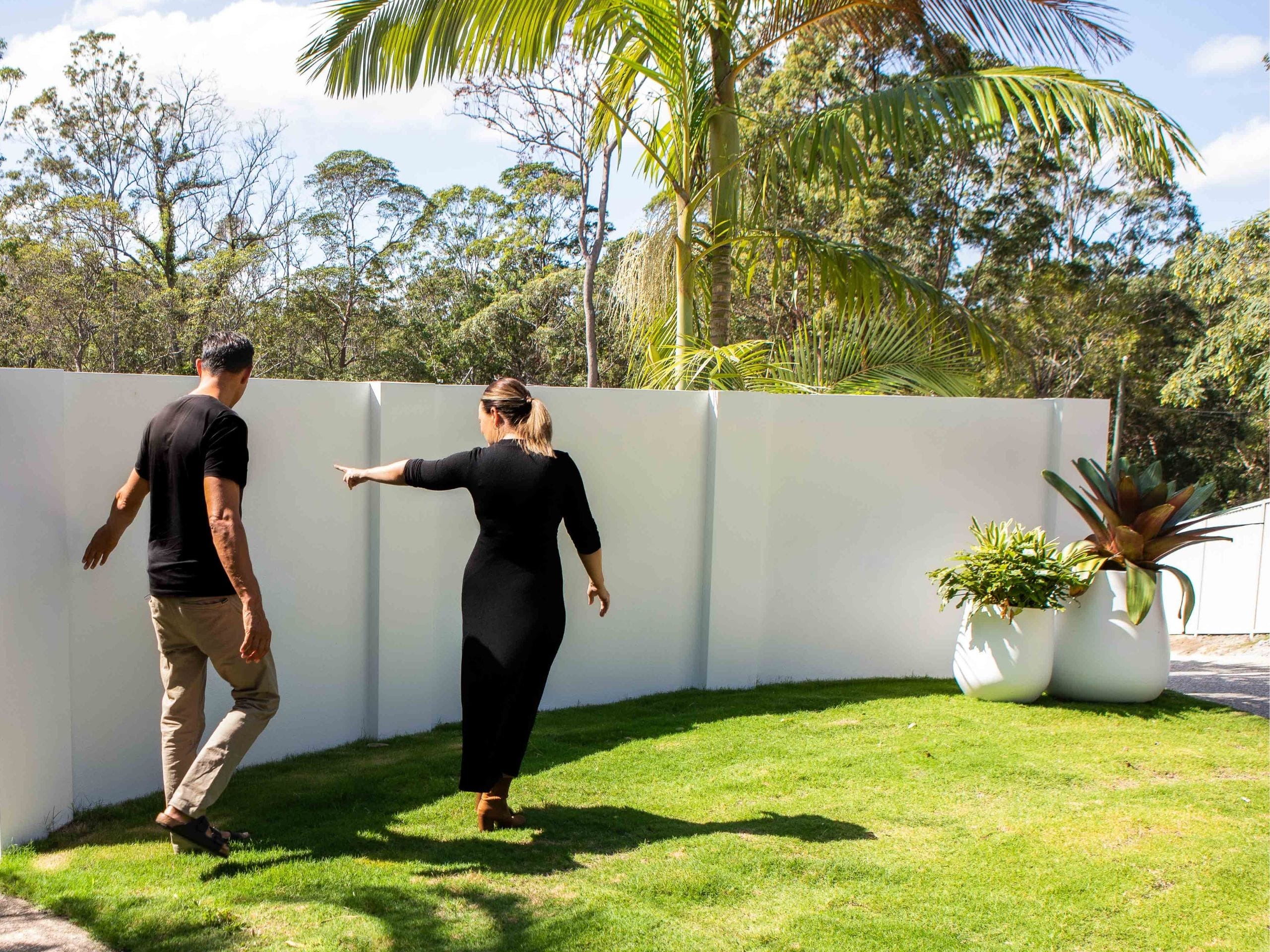
The first season is about observation rather than perfection. Plants settle in, soil shifts, and unexpected issues appear. Beginners often panic when things do not look perfect right away. That reaction leads to unnecessary changes.
Focus on watering, watching growth patterns, and noting problem spots. Yellowing leaves or uneven growth do not always mean failure. Often they signal adjustment. Avoid heavy pruning or major changes until you see how the yard responds over time.
A useful reminder during this phase is that landscaping improves through patience. If something struggles but survives, it may simply need more time. You know you are progressing well when changes feel small and manageable rather than urgent.
Learning From Mistakes and Adjusting Over Time
Every beginner makes mistakes. Some plants fail, some areas drain poorly, and some ideas feel less useful in practice. That does not mean the project failed. It means you are learning how your yard behaves.
Instead of removing everything that does not work, adjust gradually. Add mulch where weeds persist. Redirect foot traffic where grass wears thin. Replace one plant at a time rather than entire beds. This approach keeps costs low and stress minimal.
Blockquote style note
Landscaping is a process shaped by seasons. Results improve when adjustments follow observation rather than impulse.
When adjustments feel informed rather than reactive, you are building long term success.
A Calm Perspective on Long Term Backyard Progress
A backyard does not need to be finished to be successful. The most satisfying outdoor spaces grow slowly and adapt to real life use. Beginners benefit most from patience and simple routines rather than dramatic transformations.
When you focus on understanding the space, setting realistic goals, and making small improvements, confidence grows naturally. Early missteps are normal and often necessary. Over time, your yard becomes easier to care for and more enjoyable to use.
A well planned beginner approach creates a foundation that supports future changes without starting over. Landscaping works best when treated as an ongoing relationship with your space rather than a single project with a deadline.