

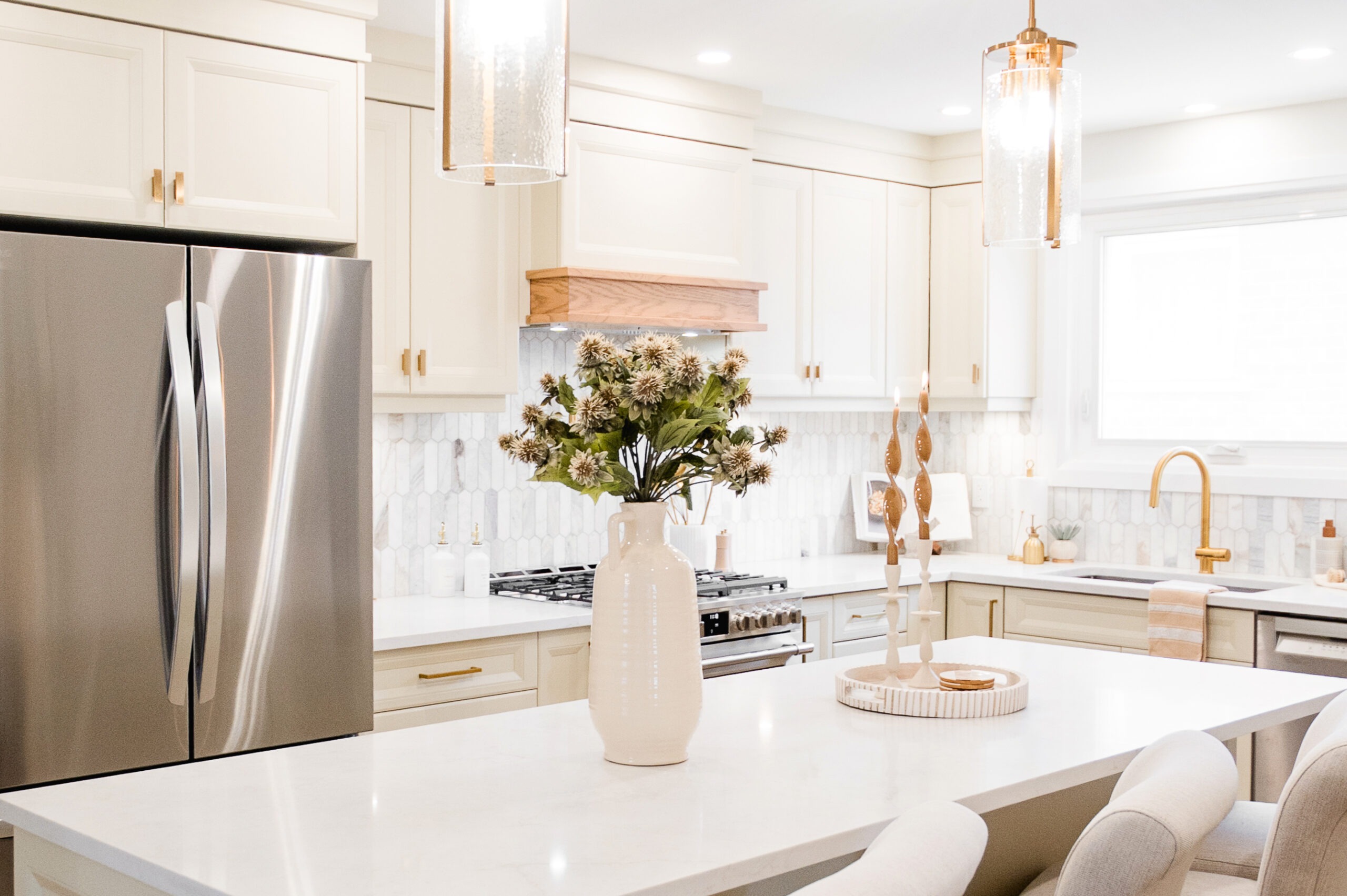
Home design surveys continue to show that kitchens remain the most renovated room in the house, and recent remodeling reports indicate that homeowners increasingly prioritize personalization over resale trends.
People want kitchens that feel natural and thoughtfully integrated, not spaces that look assembled from catalog pages. If you have ever walked into a kitchen that felt perfectly balanced, you probably noticed the small details first: storage that fits daily routines, lighting and finishes that feel intentional.
The best kitchen renovation ideas in 2026 focus on features that look permanent and purposeful. Built in details make a kitchen feel calm and organized while improving everyday usability. Small adjustments often deliver a bigger impact than large structural changes.
Built-In Details That Define Modern Kitchens
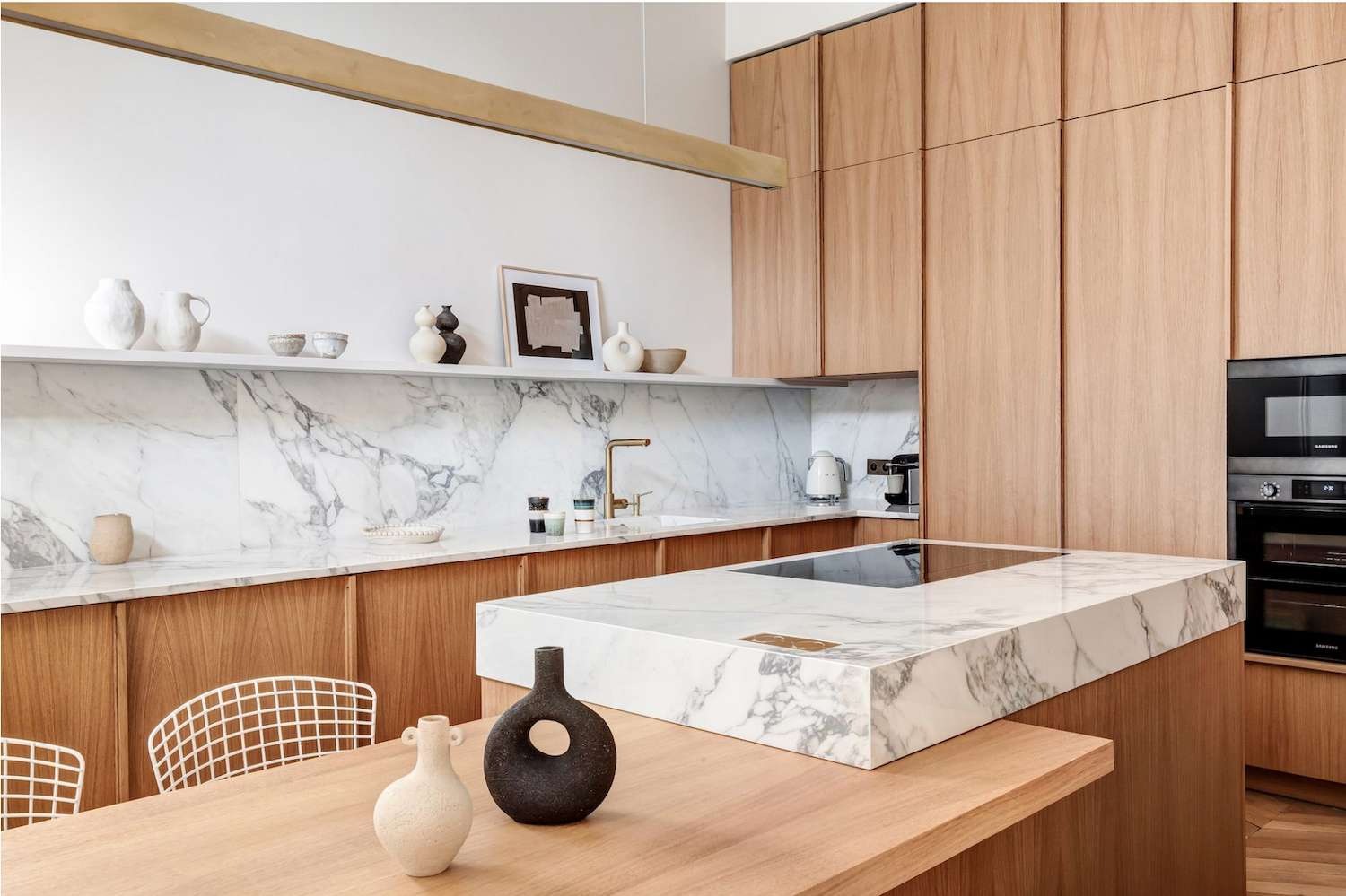
A kitchen that feels built in rarely happens by accident. Designers increasingly plan kitchens around how people actually use the space. Storage depth, appliance placement, and cabinet proportions all play a role in creating a cohesive look.
One reason homeowners invest in thoughtful planning is that structural decisions are difficult to change later. Many people begin their kitchen renovation by reviewing professional layouts and practical solutions.
Experienced planners often help avoid common mistakes and ensure that storage, lighting, and workflow support everyday use.
The difference between a standard remodel and a built in feeling kitchen usually comes down to proportion and consistency. Cabinets that align with windows and appliances create visual order that feels intentional.
Seamless Cabinet Integration
Cabinetry remains the foundation of most kitchens. The difference in 2026 lies in how cabinetry connects with walls and appliances.
Many kitchens now avoid visible gaps and filler strips. Instead, cabinetry is measured and installed with tighter tolerances.
Homeowners often focus on details such as:
- Cabinets that extend fully to the ceiling reduce visual clutter and prevent dust buildup.
- Panels that match cabinet finishes allow refrigerators and dishwashers to blend naturally.
- Continuous toe kick lines help unify the lower cabinetry.
- Matching interior cabinet finishes create a consistent appearance when doors are open.
These details sound subtle, but together they help a kitchen feel designed rather than assembled.
Personalized Storage That Feels Purpose Built
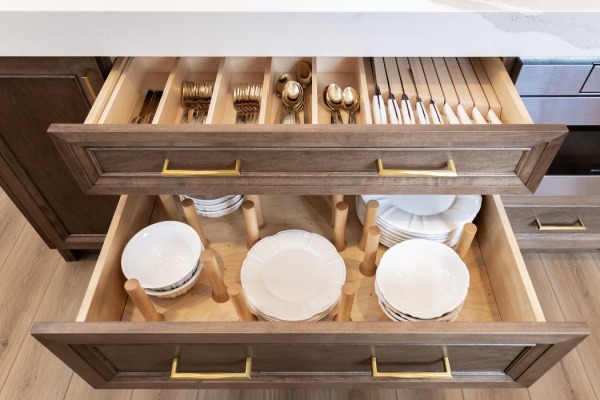
Storage planning has shifted toward customization instead of standard cabinet inserts. Kitchens now reflect individual routines rather than generic solutions.
Homeowners are paying closer attention to how items are actually used throughout the week. Coffee tools, baking equipment, and everyday cookware often deserve dedicated spaces.
Personalized storage often includes features like:
- Narrow pull out cabinets near the stove keep cooking oils and spices within reach.
- Appliance garages hide frequently used devices while keeping them accessible.
- Drawer dividers sized for specific utensils prevent wasted space.
- Vertical tray storage makes baking sheets easier to access.
Small adjustments make daily cooking smoother and reduce visual clutter.
A built in kitchen design refers to storage and fixtures that are integrated into the structure of the room, creating a continuous and permanent appearance.
Personalized storage supports both function and aesthetics at the same time.
Hidden Work Zones and Flexible Surfaces
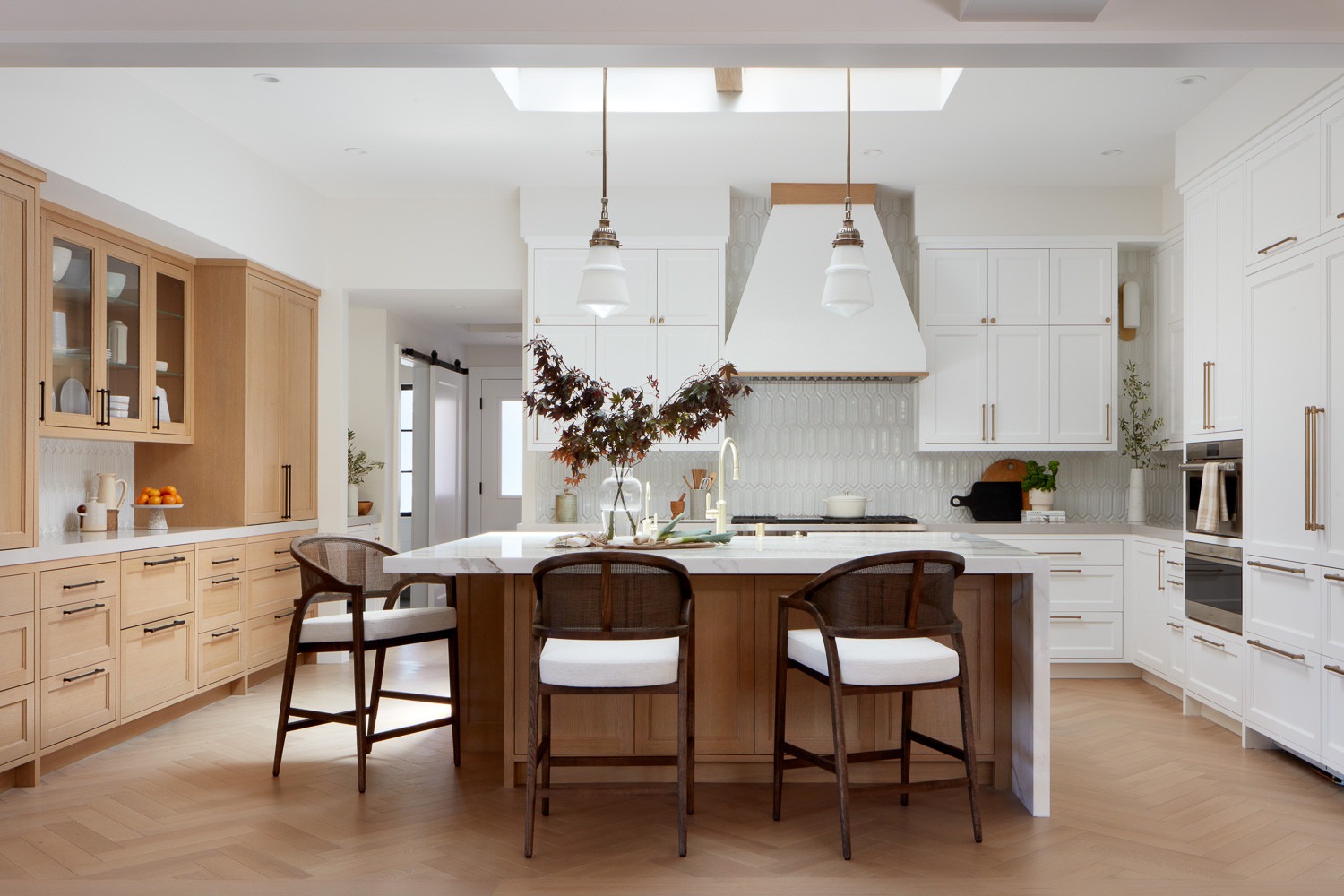
Kitchen layouts in 2026 often include dedicated zones that remain visually quiet when not in use. Hidden work areas allow kitchens to stay tidy without sacrificing functionality.
A common approach is to include specialized zones for food preparation, cleaning, and small appliances. When closed, these areas disappear into the cabinetry.
Examples of hidden work zones include:
- Fold away countertop extensions that provide extra workspace during cooking.
- Sliding panels that conceal coffee stations.
- Pull out cutting boards built into drawers.
- Pop up outlets that disappear into the countertop.
These solutions help kitchens adapt to daily needs without overwhelming the design.
Surface Materials That Age Well
Material choices influence how permanent a kitchen feels. Surfaces that wear evenly and maintain their appearance help reinforce a built in aesthetic.
The table below compares commonly selected materials for 2026 kitchens.
| Material | Typical Price Range per m² | Durability | Maintenance Level |
|---|---|---|---|
| Quartz | $80 to $150 | High | Low |
| Natural stone | $100 to $250 | High | Medium |
| Solid surface | $70 to $140 | Medium to High | Low |
| Porcelain slab | $90 to $200 | Very High | Low |
Quartz and porcelain remain popular because they combine durability with consistent appearance.
Natural stone appeals to homeowners who appreciate variation and character.
Material selection should match both lifestyle and maintenance preferences. A kitchen used daily benefits from surfaces that resist staining and scratching.
Lighting That Feels Integrated
Lighting design has moved beyond simple ceiling fixtures. Integrated lighting creates depth and improves usability while maintaining a calm visual appearance.
Many kitchens now include multiple layers of lighting that work together throughout the day.
A well planned lighting scheme often includes:
- Under cabinet lighting that illuminates work surfaces evenly.
- Toe kick lighting that adds subtle visibility at night.
- Interior cabinet lighting that improves visibility.
- Recessed ceiling lights positioned to avoid shadows.
Integrated lighting works best when wiring and fixture placement are planned early in the project. Retrofitting lighting later often leads to visible wires or awkward placement.
Lighting that feels built in should support both cooking and everyday living without drawing attention to itself.
Personalized Details That Add to the Decor
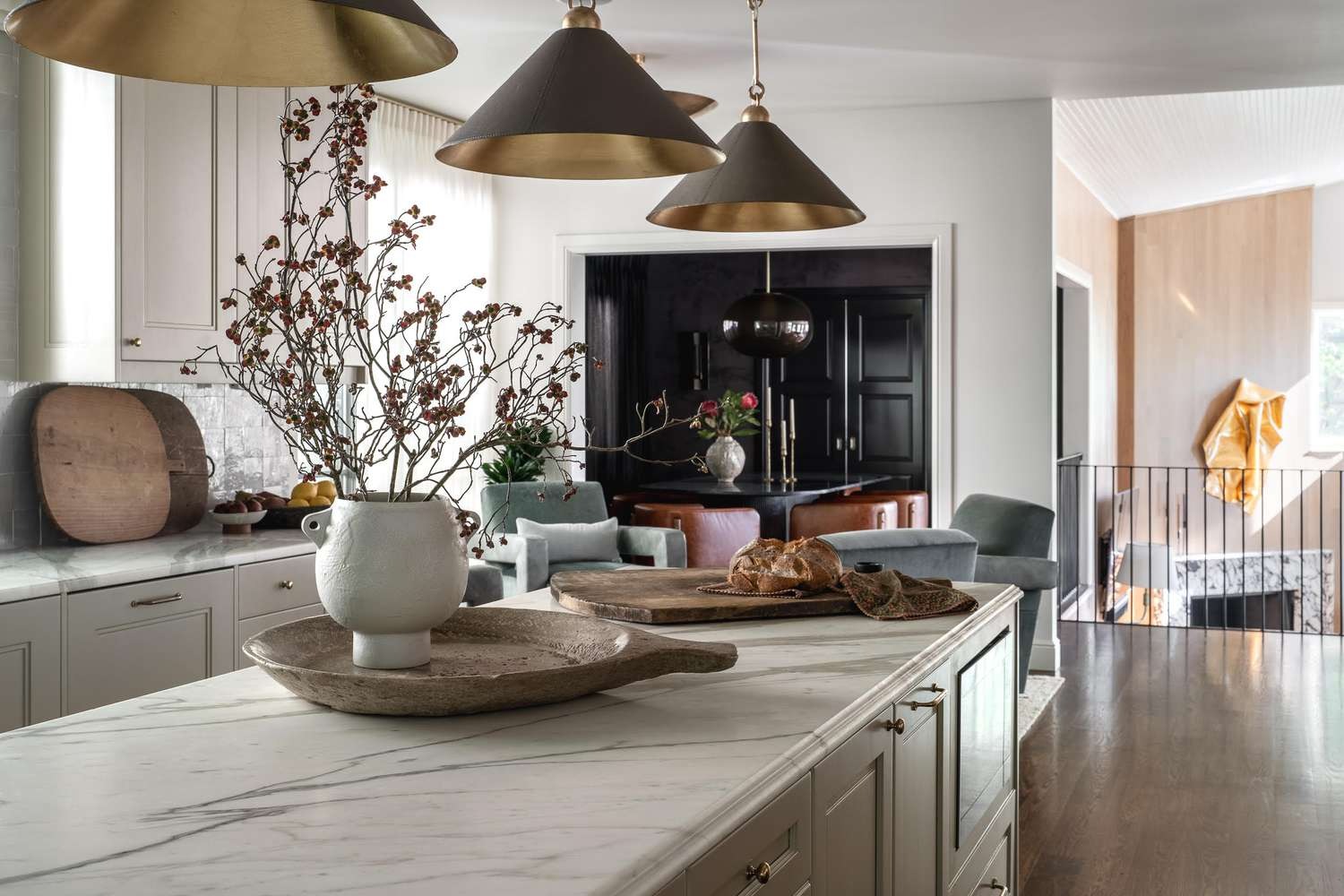
The most memorable kitchens include small details that reflect the homeowner’s habits and preferences. These features often create the strongest sense of permanence.
Personal touches might include a breakfast corner, a custom spice drawer, or a display shelf for favorite dishes.
Some popular personalized details include:
- Open shelves sized for frequently used dishes.
- Built in seating areas that connect the kitchen with dining space.
- Custom niches for cookbooks or decorative items.
- Integrated recycling stations hidden inside cabinetry.
Many kitchen designers recommend planning at least three storage features that match your daily routines. Kitchens with routine-focused storage often remain functional for longer periods.
Personalized features help a kitchen remain relevant even as trends change.
Hardware and Finishes That Feel Consistent
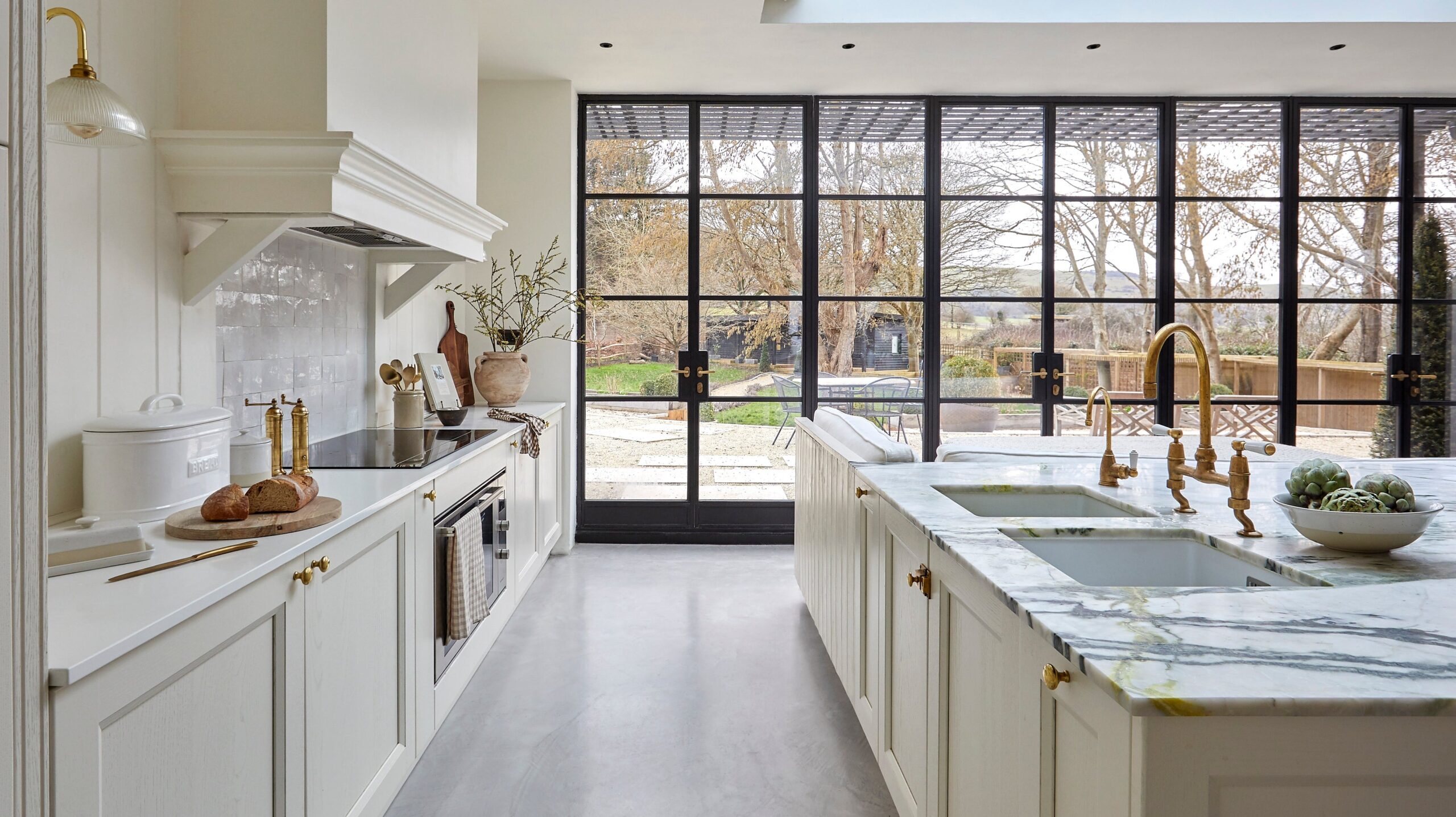
Small finishing details often determine whether a kitchen feels unified. Inconsistent hardware and finishes can make even expensive renovations look unfinished.
Consistency across surfaces and fixtures creates visual harmony.
When choosing finishes, it helps to think in terms of groups:
- Cabinet handles should match or complement faucet finishes.
- Appliance finishes should align with lighting fixtures.
- Surface textures should repeat across the room.
- Color tones should stay within a cohesive palette.
Neutral finishes remain popular because they adapt well to future changes.
Warm metallic finishes and soft matte surfaces are especially common in current designs.
Consistency allows personalized details to stand out without making the space feel busy.
Creating a Kitchen That Feels Naturally Built In
The strongest kitchen renovation ideas in 2026 focus on long term usability and thoughtful planning rather than visual trends alone. Kitchens that feel built in usually result from careful decisions about layout, storage, lighting, and materials.
A kitchen designed around everyday habits often feels comfortable within weeks of completion. The space begins to function smoothly because each element has a clear purpose.
Built in details rarely draw attention individually. Their value becomes clear through daily use and long term comfort.
Planning with intention leads to kitchens that remain functional and visually balanced for many years. Small decisions made early often determine whether a renovation feels temporary or permanent.