

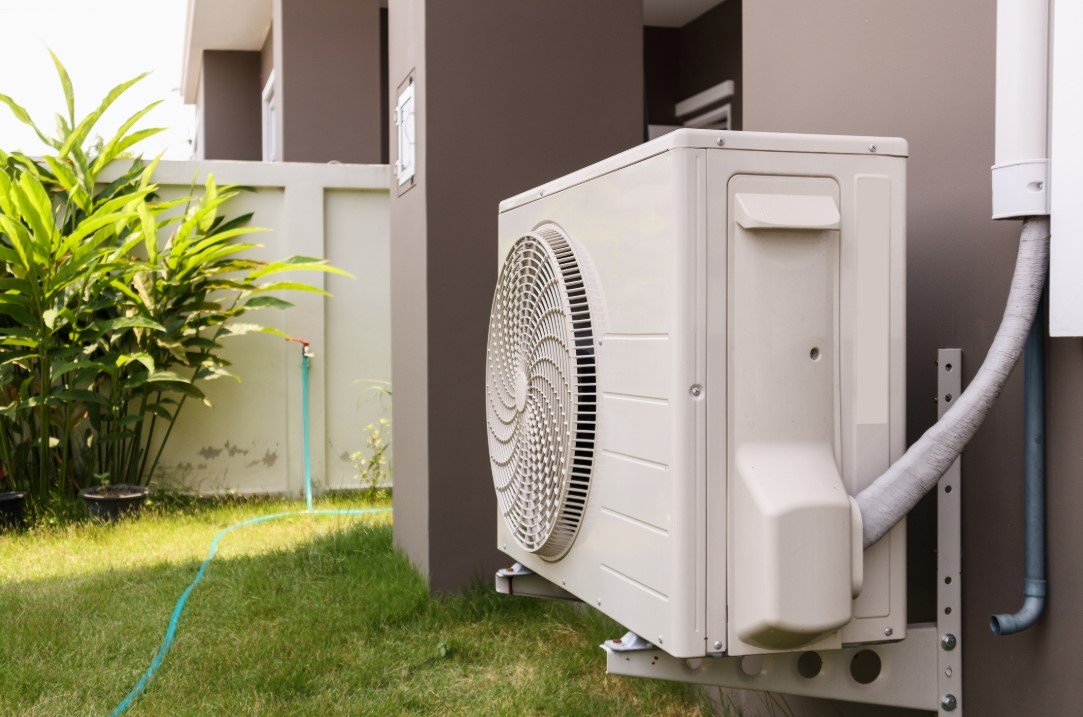
Did you know that a poorly maintained air conditioner can use up to 15 percent more energy than a properly serviced system, according to guidance from energy agencies and manufacturer efficiency data? That difference might not feel dramatic at first, but over a full cooling season, it adds up in higher power bills and unnecessary strain on the equipment.
Air conditioning maintenance is not about chasing miracle savings or extending lifespan “forever.” It is about keeping the system operating within the parameters it was designed for. When airflow is correct, coils are clean, and refrigerant levels are stable, the unit works with predictable efficiency. That predictability is what protects comfort, air quality, and long-term performance.
How a Modern Air Conditioner Actually Works
Before discussing the checklist, it helps to understand what happens inside the unit. The refrigeration cycle has four main stages: compression, condensation, expansion, and evaporation. Refrigerant absorbs heat indoors at the evaporator coil and releases it outside at the condenser coil.
Airflow is just as important as refrigerant flow. Indoor air passes over the evaporator coil, where heat transfers into the refrigerant. Outside, the condenser fan removes that heat from the coil surface. If either coil becomes dirty, the heat exchange process becomes less efficient.
A clean, correctly charged system moves heat smoothly. A neglected system works harder to achieve the same indoor temperature, increasing energy consumption and component stress.
The Role of Professional Technicians
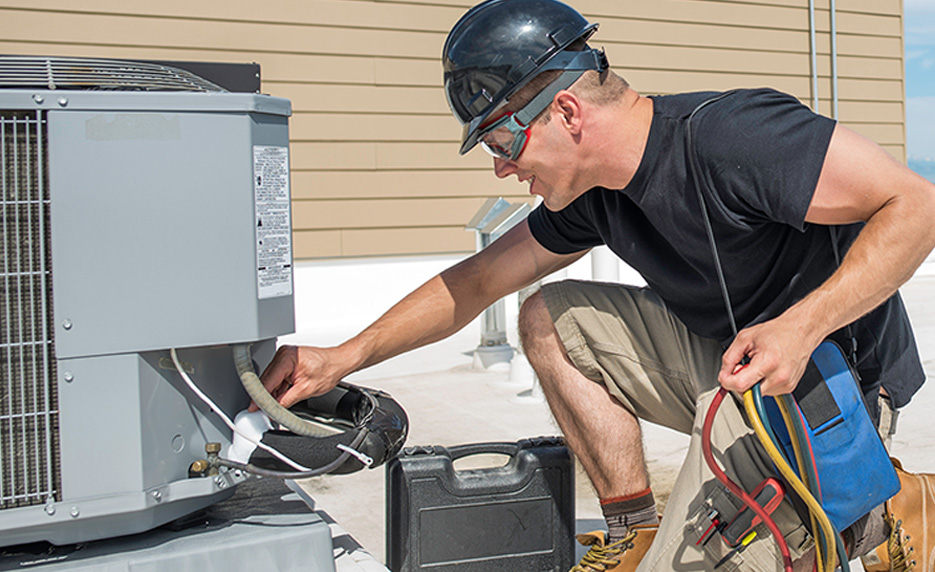
While basic upkeep can be handled at home, periodic professional inspection provides a deeper level of assurance. In coastal or high-humidity regions, salt and moisture accelerate corrosion and debris buildup. That is where trained technicians play an important role.
If you live in Western Australia, working with qualified air conditioning specialists in Mandurah can help ensure the system is inspected according to manufacturer standards and local environmental conditions.
Professionals use calibrated gauges to check refrigerant pressure, inspect electrical connections, test capacitors, and verify that airflow rates meet recommended values. Those steps go beyond what a homeowner can safely perform.
Air Conditioning Maintenance Checklist
A structured checklist prevents guesswork. Instead of vague advice like “clean it regularly,” follow specific actions. Here is a practical air conditioning maintenance checklist that reflects common manufacturer guidance:
- Replace or clean air filters every one to three months depending on dust levels
- Inspect the evaporator and condenser coils for visible dirt buildup
- Clear debris from the outdoor unit to maintain proper airflow
- Check the condensate drain line for blockage
- Listen for unusual noises during operation
- Ensure thermostat settings are accurate and responsive
Each of these steps addresses a specific performance factor. Airflow, heat transfer, moisture control, and electrical stability are all part of the system’s balance.
What Happens During a Professional Service
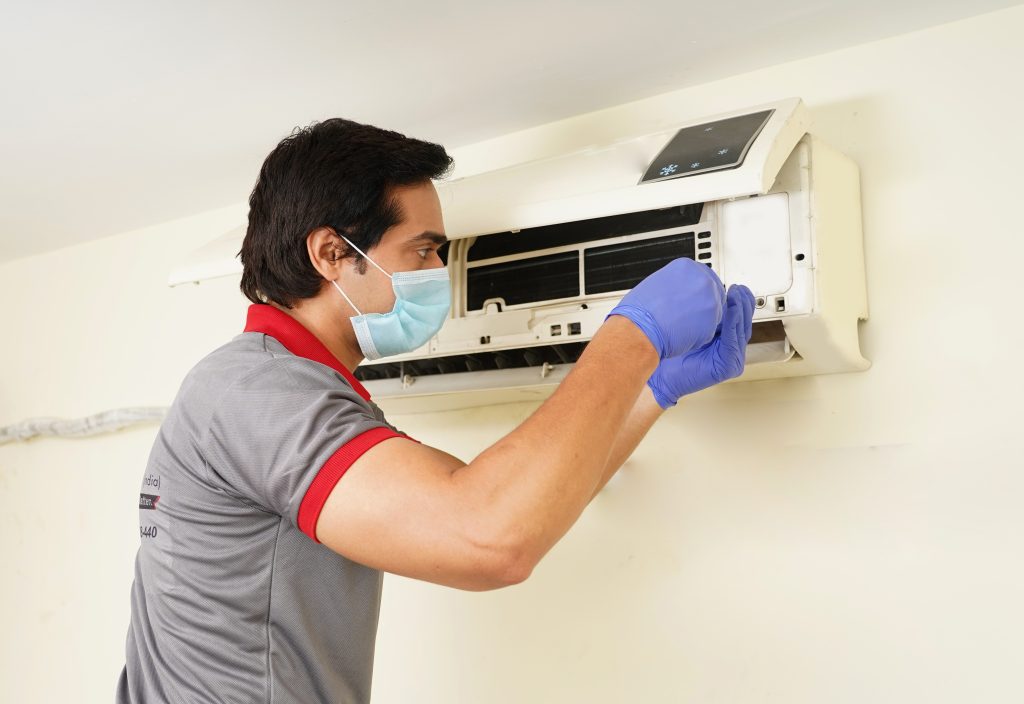
Many homeowners are unsure what a standard service actually includes. A professional visit is not just a quick visual inspection. It usually involves multiple technical checks.
The technician will measure refrigerant pressures and compare them with manufacturer specifications. Electrical components such as contactors and capacitors are tested for safe operation. The evaporator and condenser coils are inspected and cleaned if necessary. Drain lines are flushed to prevent water overflow.
According to general HVAC maintenance guidelines, coil cleanliness and correct refrigerant charge are two of the most important factors affecting seasonal efficiency.
A well performed service confirms the system operates within its design parameters rather than relying on assumptions.
Realistic Service Costs
Air conditioning maintenance costs vary by region, system size, and service depth. Basic residential maintenance typically ranges between 120 and 300 AUD in many Australian markets. More complex systems, such as ducted or multi split units, can cost more due to additional components.
Below is a simplified comparison of typical service scenarios:
|
Service Type |
Typical Cost Range |
What It Covers |
| Basic split system check | 120 to 180 AUD | Inspection, filter check, coil surface clean |
| Full residential service | 180 to 300 AUD | Refrigerant check, electrical test, drain clean |
| Ducted system service | 250 to 450 AUD | Multiple zones, airflow assessment, deeper cleaning |
Costs should reflect labor time and technical testing. Be cautious of extremely low offers that skip refrigerant or electrical checks.
Recommended Service Frequency
Service frequency depends on usage intensity and environmental conditions. A lightly used bedroom split system may only require annual inspection. A system running daily in a commercial setting may need more frequent attention.
For guidance, consider these general recommendations:
- Residential systems used seasonally, once per year
- Homes in coastal or dusty areas, every six to nine months
- Commercial or high occupancy spaces, every six months
- Systems operating year round, twice per year
Manufacturers often suggest annual servicing to maintain warranty compliance. Always review the documentation for your specific model.
When a Home Check Is Enough
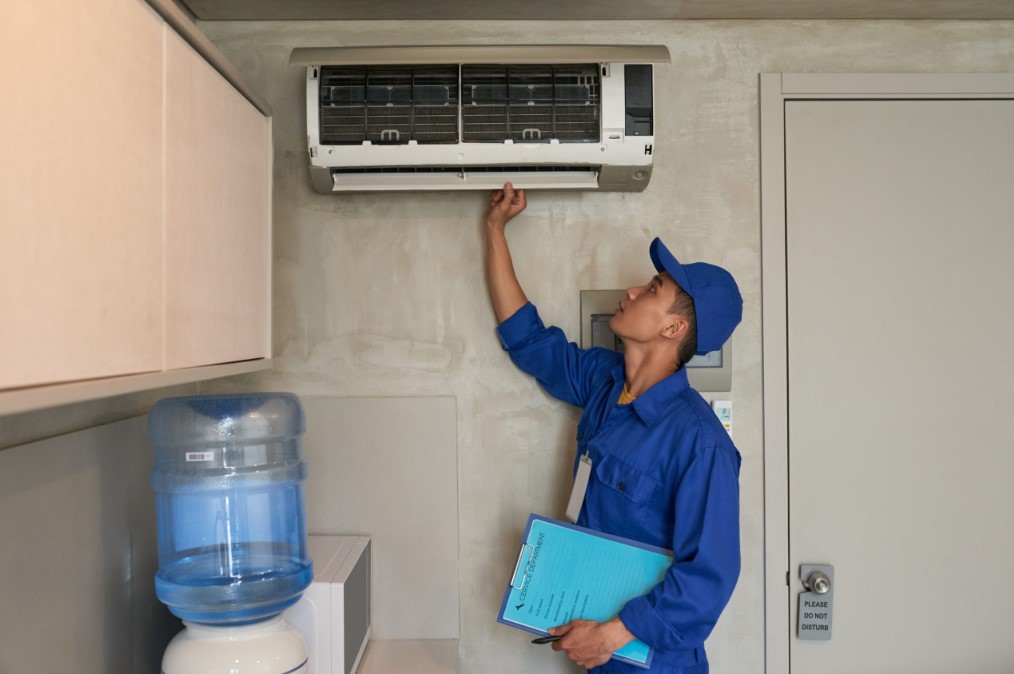
Not every situation requires professional intervention. Basic homeowner checks are valuable between scheduled services.
You can safely replace or clean filters, clear leaves from the outdoor unit, and confirm that vents are not blocked by furniture. If the system cools evenly, produces no unusual sounds, and drains water properly, it is likely functioning normally.
However, do not attempt to open sealed refrigeration components or adjust refrigerant levels. Handling refrigerant requires proper certification and equipment. The goal of basic maintenance is observation and cleanliness, not technical recalibration.
Signs It Is Time for Professional Attention
Certain symptoms indicate that routine checks are no longer sufficient. Ignoring these signs can lead to more expensive repairs later.
Watch for the following warning signals:
- Reduced cooling performance despite clean filters
- Ice forming on the indoor coil
- Water leaks around the indoor unit
- Unusual electrical smells
- Circuit breaker trips during operation
These issues often relate to airflow restriction, refrigerant imbalance, or electrical faults. Early professional diagnosis helps prevent compressor damage, which is one of the most costly components to replace.
The Link Between Maintenance and Energy Efficiency
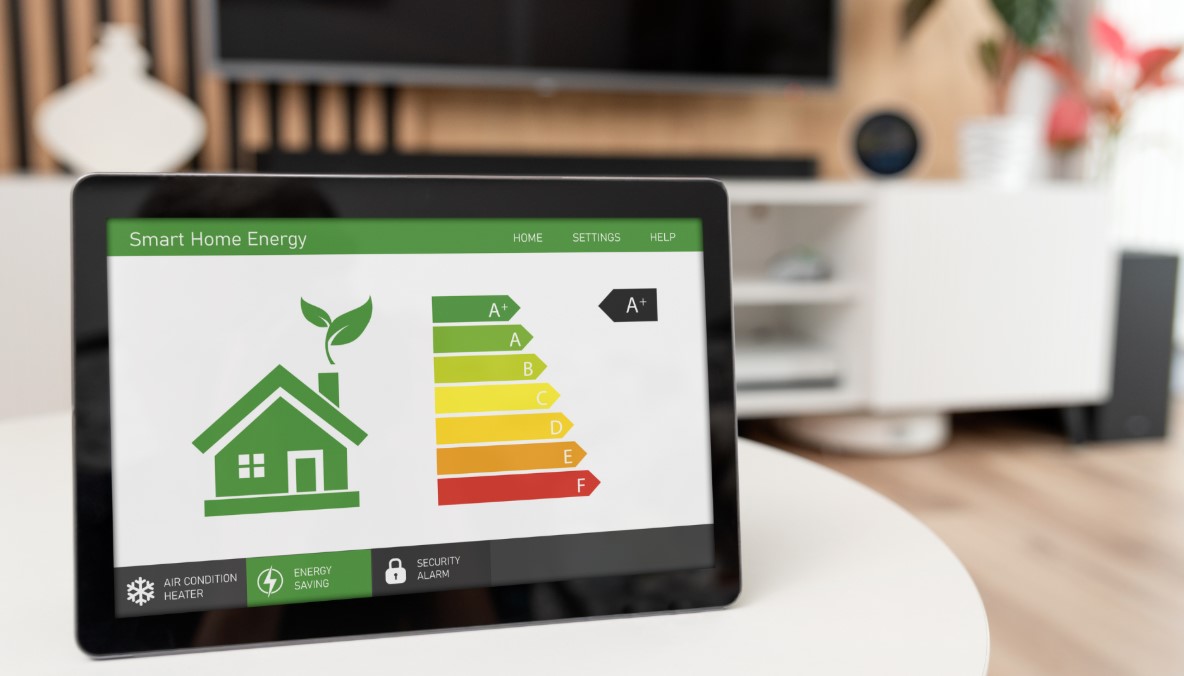
Energy efficiency ratings such as EER and SEER are measured under controlled laboratory conditions. In real homes, performance depends on maintenance quality.
Dirty coils reduce heat transfer efficiency. Restricted airflow forces the blower motor to work harder. Low refrigerant levels lower cooling capacity. Each factor increases runtime. Longer runtime equals higher electricity consumption.
Regular air conditioning maintenance does not promise dramatic energy reductions overnight. What it does provide is stability. A clean, correctly adjusted system operates closer to its rated efficiency, which is the realistic benchmark homeowners should expect.
Final Thoughts
Air conditioning maintenance is not glamorous, and it rarely makes headlines. Still, it plays a steady and measurable role in comfort, energy control, and system reliability. Instead of chasing exaggerated claims about instant efficiency gains, focus on consistent, documented care.
Schedule professional inspections at sensible intervals. Pay attention to early warning signs. When maintenance aligns with manufacturer guidance and basic thermodynamic principles, your system performs as intended. That steady performance, rather than dramatic promises, is what keeps indoor spaces comfortable and operating efficiently year after year.