

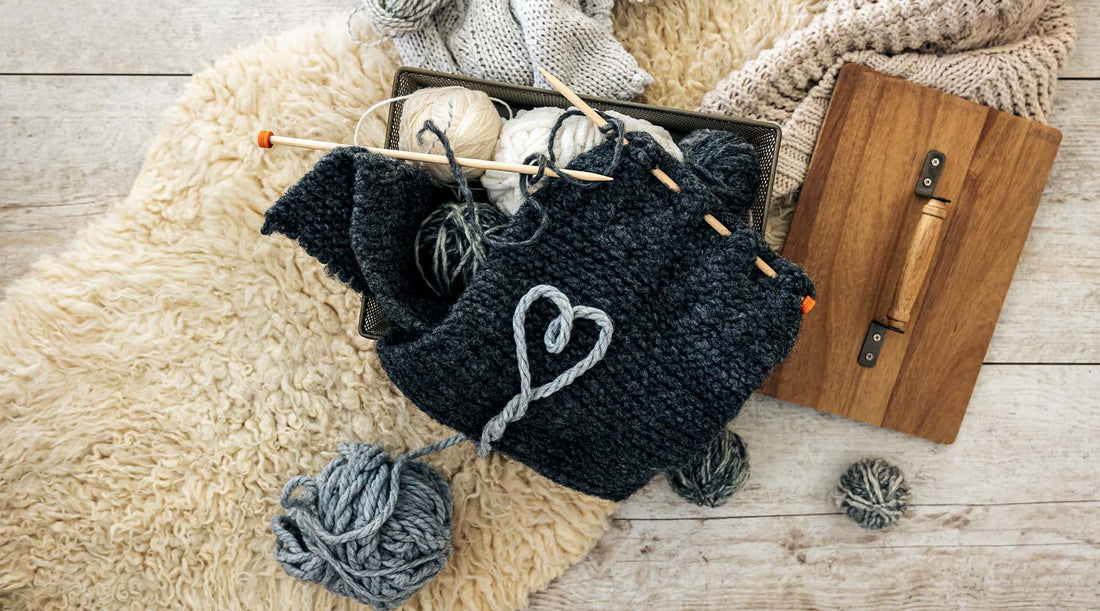
Handmade fashion centers on craftsmanship, individuality, and awareness of material origins.
Careful selection of materials affects durability, comfort, and environmental impact in direct ways.
Fashion production carries significant environmental consequences, which increases the importance of responsible material choices.
Strong material decisions combine practical usability, sustainability, and long-term performance.
Let us talk about those materials in greater detail.
Key Factors When Choosing Materials
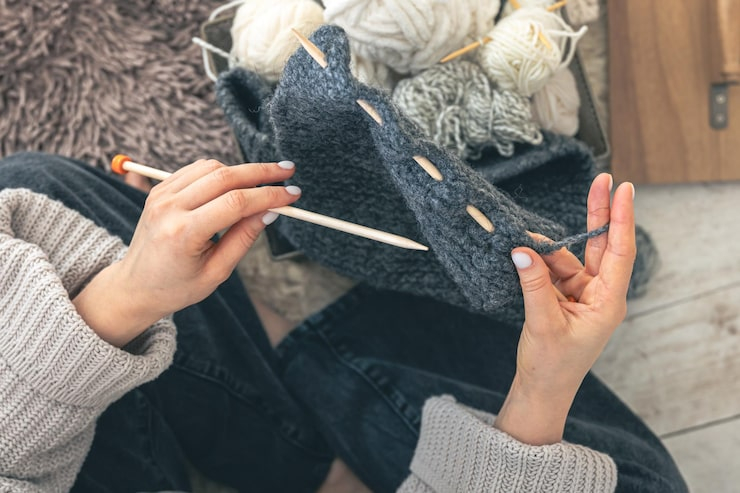
Material selection shapes performance, environmental impact, and long-term usability in handmade fashion. Careful evaluation of fibers and production methods helps balance sustainability with practicality.
Sustainability & Environmental Impact
Environmental impact remains a central concern in textile choices.
Reduction of water use, chemical inputs, and greenhouse gas emissions plays a major role in responsible production.
Biodegradable and compostable fibers support natural decomposition at the end of a product’s life cycle. Synthetic fibers raise concerns due to microplastic shedding during washing and wear.
Several measurable factors clarify environmental performance:
- Water consumption during cultivation and processing
- Chemical inputs such as pesticides, dyes, and finishing agents
- Carbon emissions across production and transportation
- Waste generation and disposal practices
Closed-loop systems address many of these issues by recycling water and solvents. Lyocell production offers a strong example, as most chemicals are recovered and reused rather than released into ecosystems.
Durability & Longevity
Durability directly influences sustainability. Longer-lasting garments reduce the need for replacement and lower overall resource consumption.
Strong natural fibers support repeated use, washing, and repair without significant degradation.
Emerging materials expand durability even further.
Squid protein-based fibers introduce self-healing properties that allow small tears or damage to repair under specific conditions, extending product lifespan.
Resource Efficiency
Efficient use of land, water, and agricultural inputs remains essential in sustainable material selection.
Comparison between crops reveals significant differences in environmental demand.
Flax cultivation for linen requires fewer inputs than conventional cotton, making it a preferred option in many cases.
Regenerative farming practices improve efficiency while restoring ecosystems. Measurable outcomes show meaningful improvements:
- Water use reduced by approximately 25%
- Pesticide use reduced by about 80%
- Increased soil carbon capture that supports climate mitigation
Improved soil health also enhances long-term agricultural productivity, reducing reliance on synthetic fertilizers.
Suitability for Handmade Production
Practical usability plays a major role in handmade work. Materials must respond well to cutting, stitching, dyeing, and shaping techniques. Ease of handling influences both efficiency and final product quality.
Natural fibers often provide better workability due to predictable behavior. Key characteristics affect usability:
- Flexibility determines ease of shaping and draping
- Texture influences comfort and finishing techniques
- Thickness impacts sewing difficulty and tool selection
Beginners often benefit from cotton, linen, and wool due to manageable structure and forgiving handling properties.
Natural Plant-Based Materials
Plant-based fibers form a foundation for handmade fashion due to availability, versatility, and relatively low environmental impact.
Cotton (Conventional vs Organic)
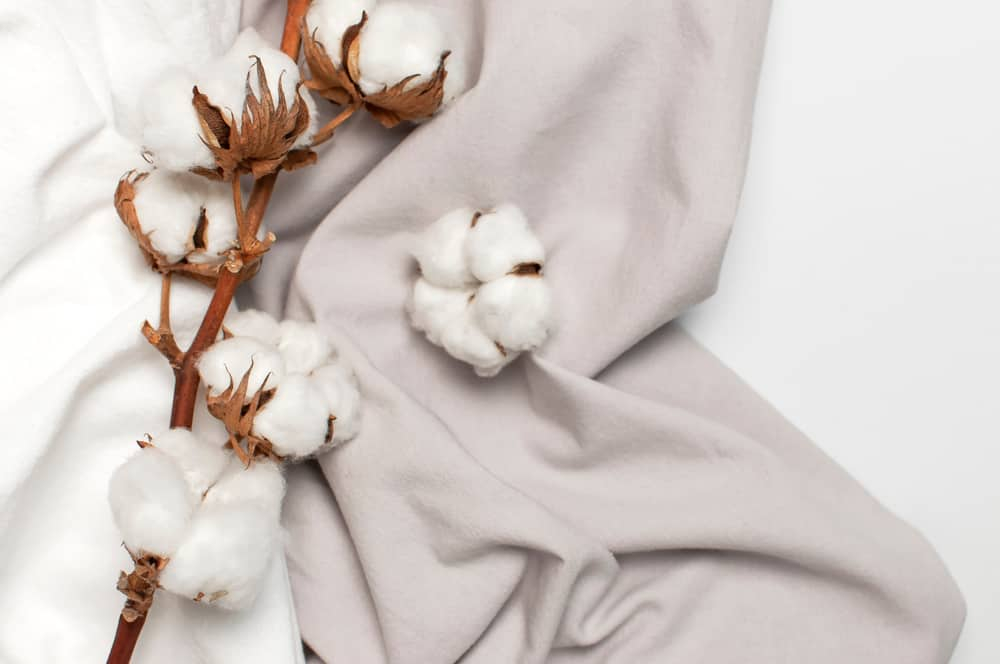
Cotton remains a staple in handmade textiles due to softness and breathability, especially when working with cotton yarn for garments, accessories, and home items.
Versatility allows use in garments, accessories, and home items.
Conventional production methods rely heavily on irrigation and chemical inputs, creating environmental strain.
Certification systems such as GOTS help verify reduced environmental harm and safer working conditions.
Linen (Flax Fiber)
Linen offers durability and comfort along with strong environmental performance.
Flax plants grow efficiently in many climates and require fewer agricultural inputs than many other crops.
Breathability and moisture absorption enhance comfort, especially in warm climates.
Hemp
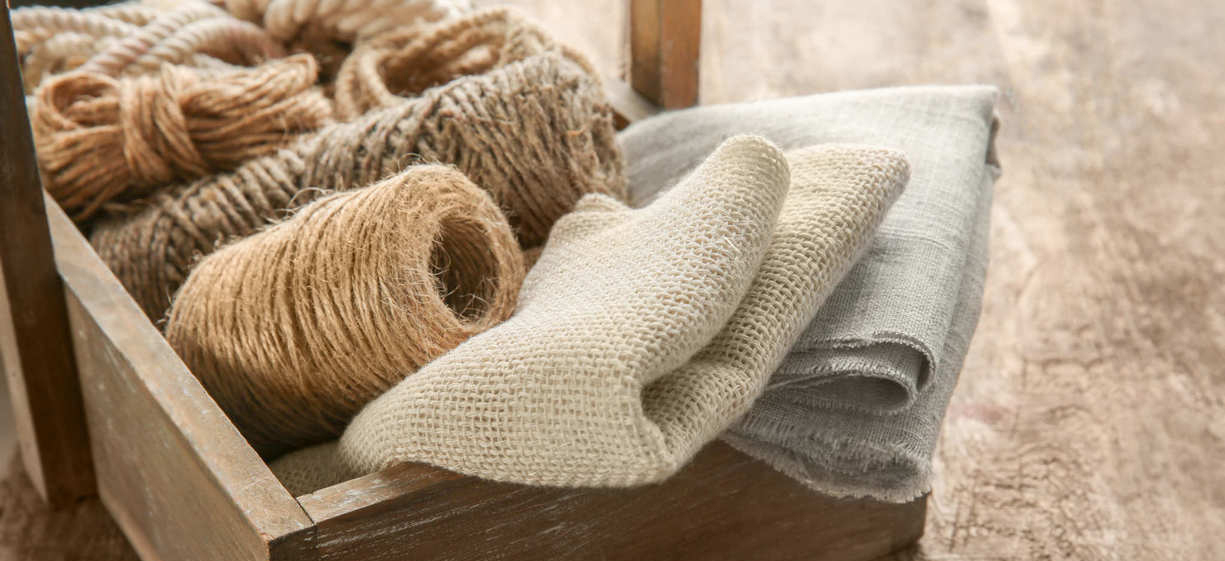
Hemp provides one of the most sustainable fiber options available.
Growth requires minimal intervention, and plants improve soil structure during cultivation.
Durability makes hemp ideal for bags, outerwear, and heavy-use garments.
Bamboo and Other Plant Fibers
Bamboo grows rapidly and regenerates without replanting, which supports renewable production.
Processing methods determine environmental impact, as chemical-intensive techniques can offset benefits.
Ongoing innovation expands plant-based options.
Material choice within this category depends heavily on processing transparency and environmental controls.
Semi-Synthetic & Regenerated Materials
Regenerated fibers combine natural raw materials with controlled processing methods.
Performance and environmental impact depend heavily on production systems.
Lyocell (TENCEL™)
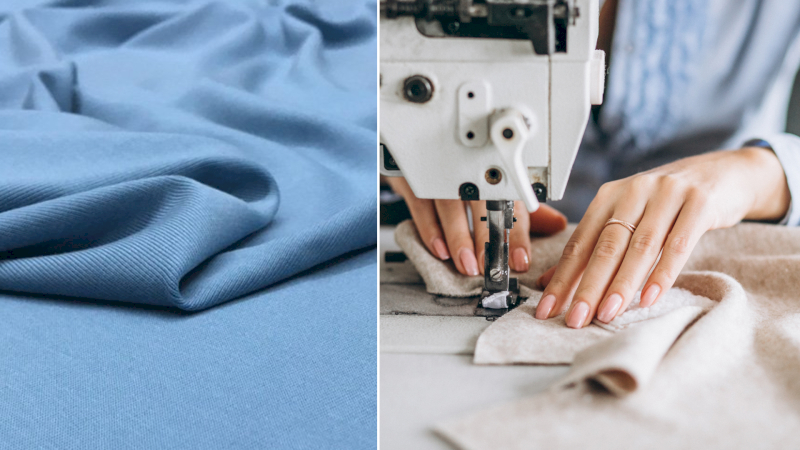
Lyocell uses wood pulp as a cellulose source and relies on advanced processing techniques.
Closed-loop systems recover most solvents and water, reducing environmental harm.
Important production characteristics include:
- High solvent recovery rates that limit pollution
- Reduced water waste through recycling systems
- Biodegradability under proper conditions
Soft texture and breathability make lyocell suitable for clothing and accessories.
Modal and Other Regenerated Fibers
Modal and similar materials offer comfort and flexibility in wearable designs.
Production methods vary, which affects sustainability outcomes.
Factors that influence environmental performance include:
- Source of raw wood pulp
- Chemical handling and recovery systems
- Energy use during processing
Responsible sourcing and manufacturing practices improve overall sustainability.
Innovative & Next-Generation Materials

Rapid advances in material science continue to reshape textile production.
New materials aim to reduce environmental impact while improving durability, functionality, and resource efficiency.
Many of these options rely on biological processes or renewable inputs, offering alternatives to traditional fibers and synthetics.
Plant-Based Leather Alternatives
Plant-based leather substitutes provide a solution to the environmental and ethical concerns linked to conventional leather.
Piñatex stands as a prominent example, using fibers extracted from pineapple leaves that would otherwise be discarded after harvest.
Use of agricultural waste reduces pressure on land and eliminates the need for additional crop production. Manufacturing processes require significantly less water and avoid toxic chemicals commonly used in leather tanning.
Bioengineered & Biomimicry Materials
Bioengineered materials rely on scientific innovation inspired by natural systems.
Design principles mimic biological structures that have developed efficiency and resilience over time.
Squid protein fibers represent one of the most advanced examples, offering the ability to repair small damages under certain conditions. This self-healing property extends product lifespan and reduces material waste.
High strength combined with flexibility makes such fibers suitable for demanding applications.
Emerging Low-Carbon Textiles
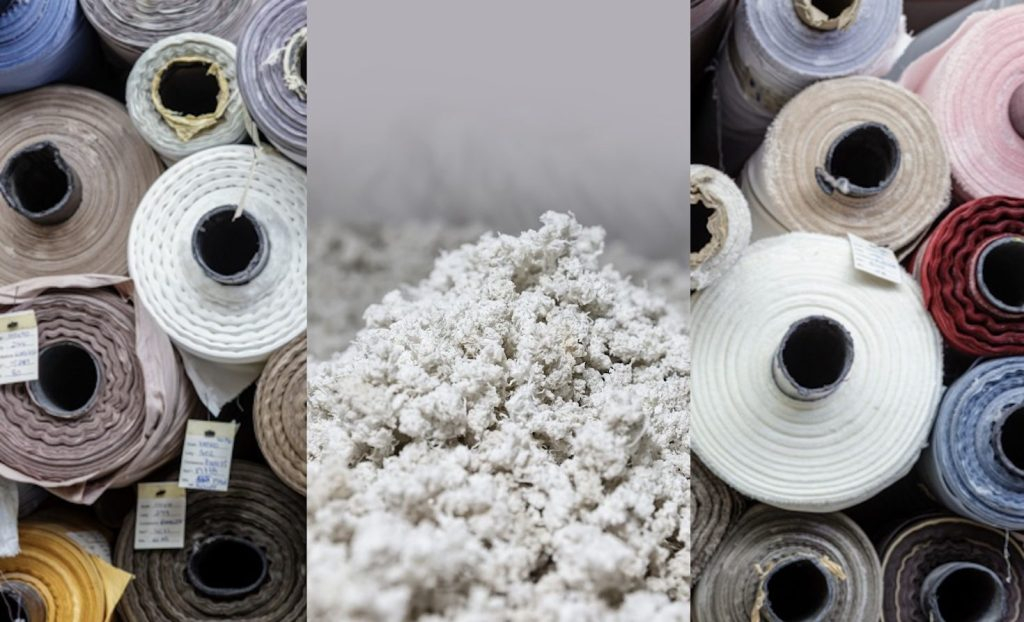
Low-carbon textiles aim to reduce greenhouse gas emissions associated with traditional fiber production. Algae-based fibers present a compelling option, as cultivation does not require freshwater or farmland.
Growth occurs in controlled aquatic environments, limiting resource competition with food systems.
Mycelium leather, derived from fungal networks, grows on organic waste and forms a material that resembles traditional leather in texture and performance.
Production cycles remain relatively short, and energy use stays lower compared to many conventional processes.
Seaweed textiles offer another promising direction, with significantly reduced emissions and minimal input requirements.
Summary
Material selection for handmade fashion requires balance among sustainability, durability, and usability.
Linen, hemp, wool, and lyocell offer strong performance across these areas.
Continued innovation introduces bio-based and carbon-negative options that expand possibilities.
Handmade creators contribute to more responsible material use through informed decisions.