

More than 5 million podcasts exist today, yet only a small percentage generate consistent revenue. Many creators eventually realize that content quality alone is not enough. The platform you choose often determines how easily you can run ads, sell memberships, and track income.
Podcast monetization has matured. Hosting platforms now offer built in advertising marketplaces, subscription tools, and analytics that were once limited to large networks. Still, differences between platforms remain significant, especially when it comes to revenue share, control over ads, and membership flexibility.
Choosing the right platform early can save time and prevent complicated migrations later. The following guide explains the best podcast platforms for monetizing audio with ads and memberships and how each one works in real conditions.
Podcast hosting platforms vs membership platforms

Many podcast monetization tools look similar at first glance, but they often serve different roles in the publishing process. The table below shows the main differences between hosting platforms that manage distribution and membership platforms that focus on paid listener access.
| Feature | Hosting Platforms | Membership Platforms |
| Main role | Host and distribute podcast episodes | Manage paid subscriber access |
| Ads support | Often include advertising tools | Usually not included |
| Memberships | Basic subscription options | Advanced paid tiers |
| Content access | Mostly public with optional private feeds | Private subscriber only feeds |
| Payments | Limited or optional | Built in recurring payments |
Some creators combine both systems. For example, companies that manage training programs or employee content often rely on an internal podcast platform such as Supporting Cast when they need secure distribution and controlled access. This model works well when monetization depends on memberships or paid programs rather than public advertising.
Understanding this difference helps avoid choosing a tool that limits future growth.
Comparison of podcast monetization platforms
The platforms below support advertising, memberships, or both. Each has a different pricing model and monetization structure.
| Platform | Ads Support | Membership Options | Pricing Model | Best For |
| Spotify for Podcasters | Built in ads marketplace | Subscriptions | Free with revenue share | Beginners |
| Buzzsprout | Dynamic ads | Paid subscriptions | Monthly plans | Growing podcasts |
| Podbean | Ads marketplace | Premium content | Tiered plans | Mixed monetization |
| Patreon | No native ads | Strong memberships | Percentage based | Community podcasts |
| Supercast | Limited ads | Advanced memberships | Monthly fee | Premium shows |
| Libsyn | Sponsor tools | Subscription support | Tiered hosting | Established podcasts |
| Transistor | External ads | Private feeds | Monthly plans | Professional teams |
| Castos | Dynamic ads | Paid series | Monthly plans | Independent creators |
| RedCircle | Automated ads | Donations and subs | Free with revenue share | Ad focused podcasts |
| Acast | Programmatic ads | Subscriber content | Revenue share | Large audiences |
The differences become clearer when looking at how each platform handles real monetization workflows.
1. Spotify for Podcasters
Spotify for Podcasters offers one of the simplest entry points into podcast monetization. The platform provides hosting, distribution, and built in advertising tools without upfront costs.
Advertising typically runs through automated ad insertion. Spotify matches shows with advertisers based on audience size and category. Host read ads are possible, but usually require direct sponsor relationships.
Memberships work through paid subscriptions inside Spotify. Subscribers receive bonus episodes or early access through the app.
Key strengths include:
- No hosting fees for most creators
• Simple setup for ads
• Integrated audience analytics
Limitations include reduced control over advertiser selection and dependence on Spotify distribution.
Spotify works best for new podcasters who want to start monetizing without managing complex tools.
2. Buzzsprout
Buzzsprout balances simplicity and flexibility. Many independent creators choose it because monetization tools remain easy to manage while offering more control than beginner platforms.
Advertising uses dynamic ad insertion. Creators can run pre roll or mid roll ads and swap them later without re uploading episodes. This makes it easier to maintain long term sponsor campaigns.
Membership features allow paid subscriber content through private feeds.
Typical benefits include:
- Dynamic ads can be replaced across old episodes
- Listener statistics are easy to interpret
- The interface reduces setup mistakes
- Paid subscriber feeds integrate smoothly
Pricing depends on monthly upload limits, and revenue tools require a paid plan.
Buzzsprout suits podcasters building steady audiences and planning regular sponsorship deals.
3. Podbean
Podbean supports both advertising and memberships inside a single platform. Many mid sized podcasts rely on it because the monetization tools cover most common needs.
Advertising works through the PodAds marketplace or through independent sponsors. Creators can insert ads automatically or manually.
Memberships operate through premium podcast channels. Listeners subscribe for exclusive episodes or ad free versions.
Podbean stands out in several ways:
- Integrated ad marketplace
• Multiple subscription tiers
• Mobile listening apps included
Revenue share applies to some monetization features, which reduces margins slightly.
Podbean works well for podcasts with stable audiences that need both ads and subscriptions.
4. Patreon
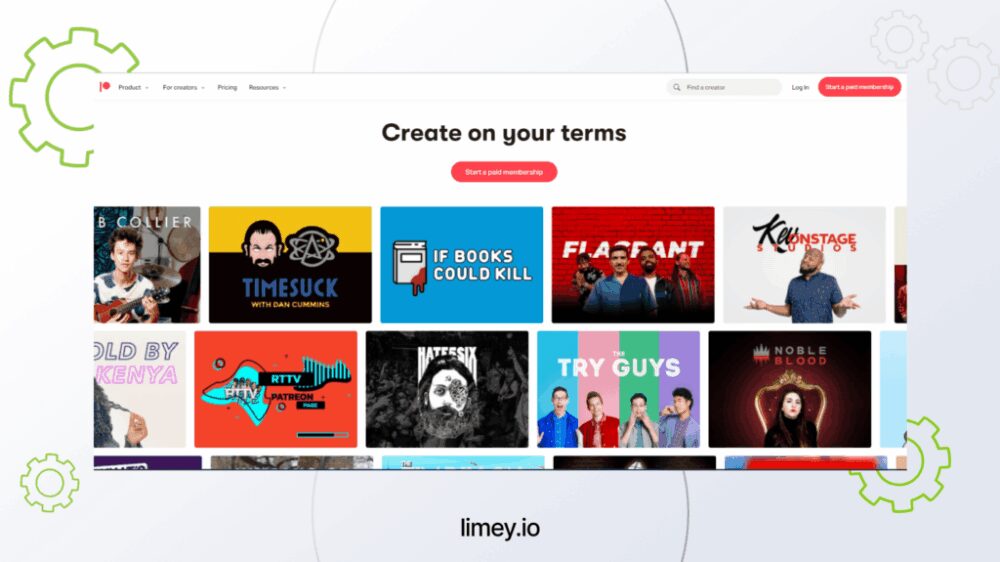
Patreon focuses on memberships rather than hosting. Many podcasters use it alongside a hosting provider.
Creators offer subscription tiers that unlock bonus episodes, early releases, or private content feeds. Patreon manages payments and member access.
Patreon typically takes 5 percent to 12 percent of membership revenue depending on the plan.
Advertising must be handled externally since Patreon does not include ad marketplaces.
Advantages include strong community features and flexible pricing tiers. Limitations include reliance on a separate hosting platform.
Patreon works best for podcasts with loyal listeners willing to support ongoing production.
5. Supercast
Supercast specializes in premium subscription podcasts. The platform integrates with most hosting services and provides private feeds for paid listeners.
Membership features include tiered subscriptions and subscriber analytics. Creators can offer multiple price levels with different access privileges.
Advertising exists mainly through external sponsors rather than internal marketplaces.
Supercast advantages include:
- Premium interview series
- Ad free versions of public podcasts
Monthly fees apply regardless of audience size. Small shows may find costs high at early stages.
Supercast fits podcasts focused on paid content rather than advertising revenue.
6. Libsyn
Libsyn remains one of the longest running podcast hosting platforms. Many established podcasts continue to use it because the hosting infrastructure has proven reliable over long publishing cycles. Monetization tools are flexible, although setup can take longer compared with newer platforms.
Advertising usually happens through Libsyn Ads or direct sponsor arrangements. Dynamic insertion is available on higher plans, allowing creators to update campaigns across older episodes. Membership options include premium feeds and restricted content delivery.
Interface design feels older than many modern hosting services, but experienced podcasters often value stability over appearance. Libsyn suits creators who want predictable hosting and multiple monetization approaches without depending on a single revenue source.
7. Transistor
Transistor targets professional teams and networks that manage multiple podcasts. The platform focuses on stability and private distribution.
Advertising must be arranged directly with sponsors or external ad networks. Automatic ad marketplaces are limited.
Membership features include private podcast feeds for paying subscribers.
Key benefits include:
- Team collaboration accounts
- Detailed listener analytics
Costs remain fixed regardless of audience size. Monetization requires more manual setup than other platforms.
Transistor suits production teams and businesses running several podcasts.
8. Castos
Castos integrates closely with independent websites, which makes it attractive for creators who manage their own online presence. Many podcasts using WordPress rely on Castos because episode publishing and website updates can happen together.
Advertising supports dynamic insertion and direct sponsor campaigns. Ads can be updated across older episodes without reuploading audio files.
Membership content usually works through private podcast feeds connected to website membership systems.
Castos works especially well when monetization connects directly to a website. Creators who sell courses or paid communities often prefer this setup because subscriber access and podcast delivery stay synchronized.
Some advanced membership features require additional integrations, which adds complexity for beginners.
9. RedCircle
RedCircle focuses on automated advertising and cross promotion. The platform allows creators to start monetizing even with smaller audiences.
Advertising includes programmatic ads and sponsorship opportunities. Revenue is shared with the platform rather than charged as hosting fees.
Membership options include paid subscriptions and listener donations.
Key strengths include:
- No upfront hosting cost
- Automatic advertiser matching
- Built in donation tools
Revenue share can reduce earnings for large podcasts.
RedCircle works best for podcasts aiming to monetize primarily through ads.
10. Acast
Acast targets professional podcasts with larger audiences. The platform offers advanced advertising technology and detailed analytics.
Advertising uses programmatic systems and dynamic insertion. Larger shows often secure higher ad rates through Acast.
Membership content includes subscriber only episodes and premium feeds.
Acast was among the first podcast companies to introduce large scale dynamic ad insertion across global markets.
Acast advantages include strong advertiser relationships and international reach. Smaller shows may find entry requirements high.
Acast works best for podcasts with established listener bases.
Choosing the right podcast monetization platform
Selecting a podcast platform depends on audience size, revenue goals, and workflow preferences. Some creators benefit from integrated advertising tools. Others prefer membership driven income with private subscriber feeds.
Small podcasts often succeed with simple hosting platforms that include automated ads. Larger shows usually need flexible sponsorship management and detailed analytics. Membership based podcasts require reliable private feed systems and payment processing.
Long term growth plans should guide the decision. Migrating podcast feeds later can disrupt analytics and subscriber access. A carefully chosen platform supports both current monetization and future expansion.