

Ever noticed how a bike that felt perfectly fine last month can suddenly feel sketchy on today’s ride. A soft tire. A brake that pulls a little too close to the bar. A light that flickers when you hit a bump.
Reports summarized in verified bicycle accident statistics show over 1.1K riders killed and nearly 50K seriously injured each year, with equipment condition listed as a contributing factor in a meaningful share of cases.
Numbers like these underline a simple truth. A short inspection before riding can lower exposure to avoidable danger.
A proper bicycle safety checklist helps you spot those issues before they matter. Tires, brakes, lights, and the chain form the core systems that keep a bike predictable and controllable. When each of them works as intended, riding feels safe. When one fails, even an experienced rider can get caught off guard.
Quick pre ride checklist overview
The checklist below summarizes key points. Use it as a mental routine before rolling out.
| Component | What to check | Why it matters |
| Tires | Pressure, cuts, wear | Grip and stability |
| Brakes | Lever feel, pad wear | Controlled stopping |
| Lights | Function, battery | Visibility to others |
| Chain | Cleanliness, wear | Reliable power transfer |
“
Run through these steps in under two minutes. Consistency matters more than depth on busy days. A longer inspection can happen weekly.
Tires are the first line of control
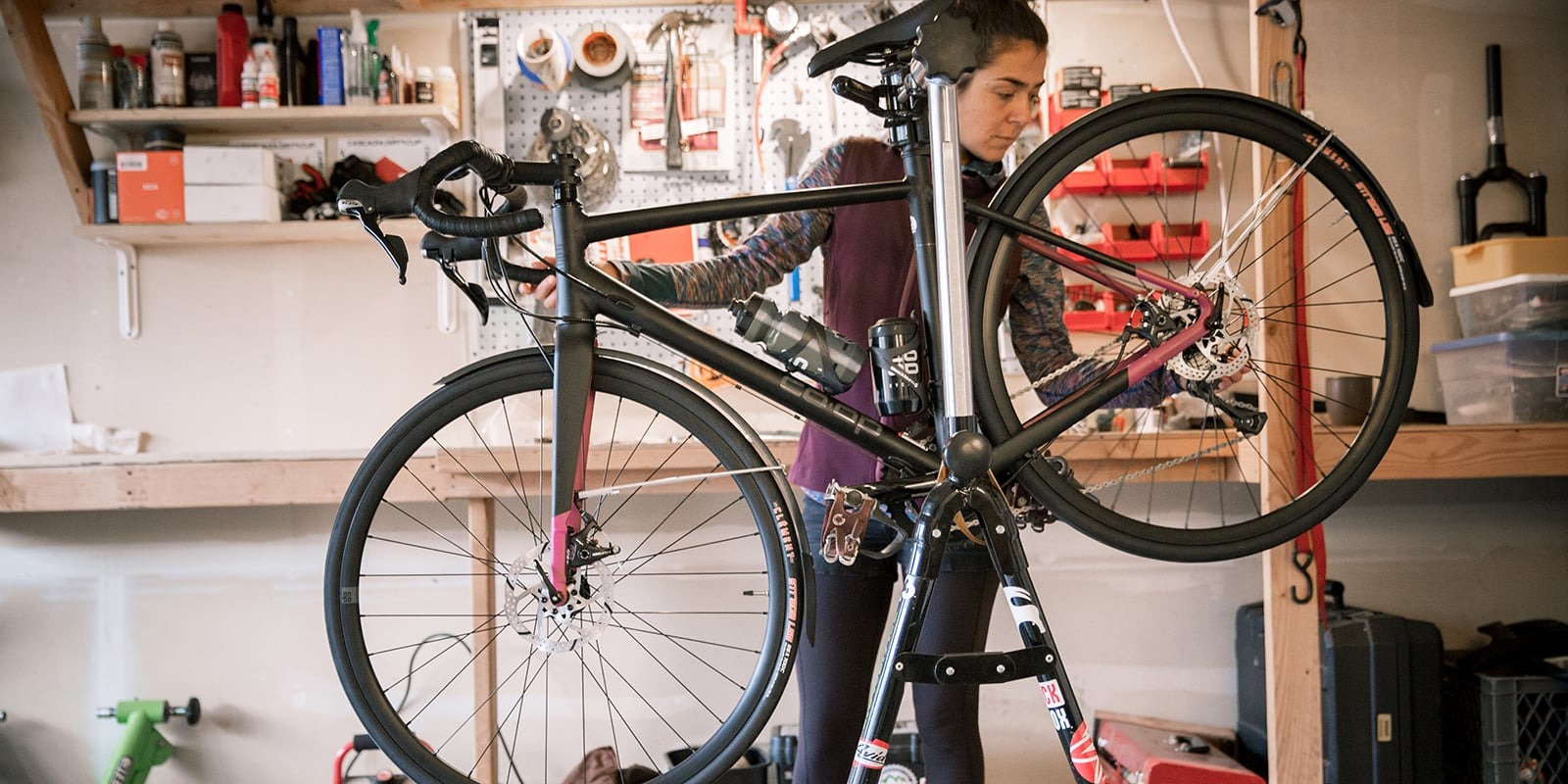
Proper tire condition affects braking distance, cornering grip, and stability over rough surfaces. Even a small issue can change how the bike reacts under load.
Start with pressure. Underinflated tires increase rolling resistance and raise pinch flat risk. Overinflated tires reduce traction and make the ride harsh. Use the pressure range printed on the tire sidewall as a guide, then adjust for rider weight and terrain. A quick squeeze test is not enough.
Next, inspect the tread and sidewalls. Look for cuts, embedded glass, or bulges. Spin each wheel and check that it runs true without wobble.
Pay attention to how the tire meets the rim:
- Visible cracks or threads showing through rubber signal replacement
- Repeated air loss often points to a damaged valve or bead
- Uneven wear can indicate alignment or pressure issues
Tire choice and real world safety
Beyond condition, tire selection matters. Wider tires at slightly lower pressure often offer better grip and comfort, especially on imperfect roads. Slick tires roll efficiently on pavement, while lightly treaded options add confidence on mixed surfaces.
Many riders underestimate how tires affect stopping distance. A high quality tire with fresh rubber can outperform a worn tire even with the same brakes. Grip is a system, not a single part.
Tire grip determines how much braking force actually reaches the road. No brake can stop faster than the tire allows.
Brakes that respond predictably under pressure
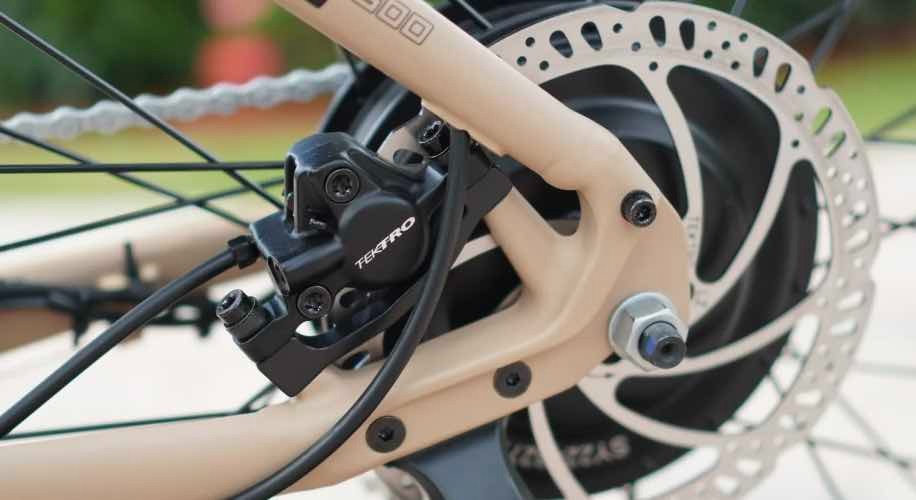
Brakes should feel firm, progressive, and predictable. If they feel spongy, noisy, or uneven, something is off. Good braking is not about maximum force. It is about control.
Start by squeezing both levers while standing still. They should not pull all the way to the handlebar. Spin the wheels and apply each brake separately to check engagement. Listen for scraping sounds that suggest pad misalignment or rotor rub.
Inspect pads for wear. Rim brake pads should have visible grooves. Disc brake pads should not be worn close to the backing plate. Cables or hoses should move smoothly without fraying or leaks.
- Brake lever travel increasing over time suggests pad wear or cable stretch
- Sudden loss of power may indicate contamination on pads or rotors
- Uneven braking can point to alignment issues
Rim brakes versus disc brakes in daily riding
Both systems can be safe when maintained. Rim brakes rely on clean wheel surfaces and dry conditions. Disc brakes offer more consistent performance in wet weather but require attention to pad life and rotor condition.
The key is familiarity. Know how your brakes behave when fully loaded, descending, or stopping quickly. Practice controlled stops in a safe area after any adjustment.
Lights that make you visible and predictable
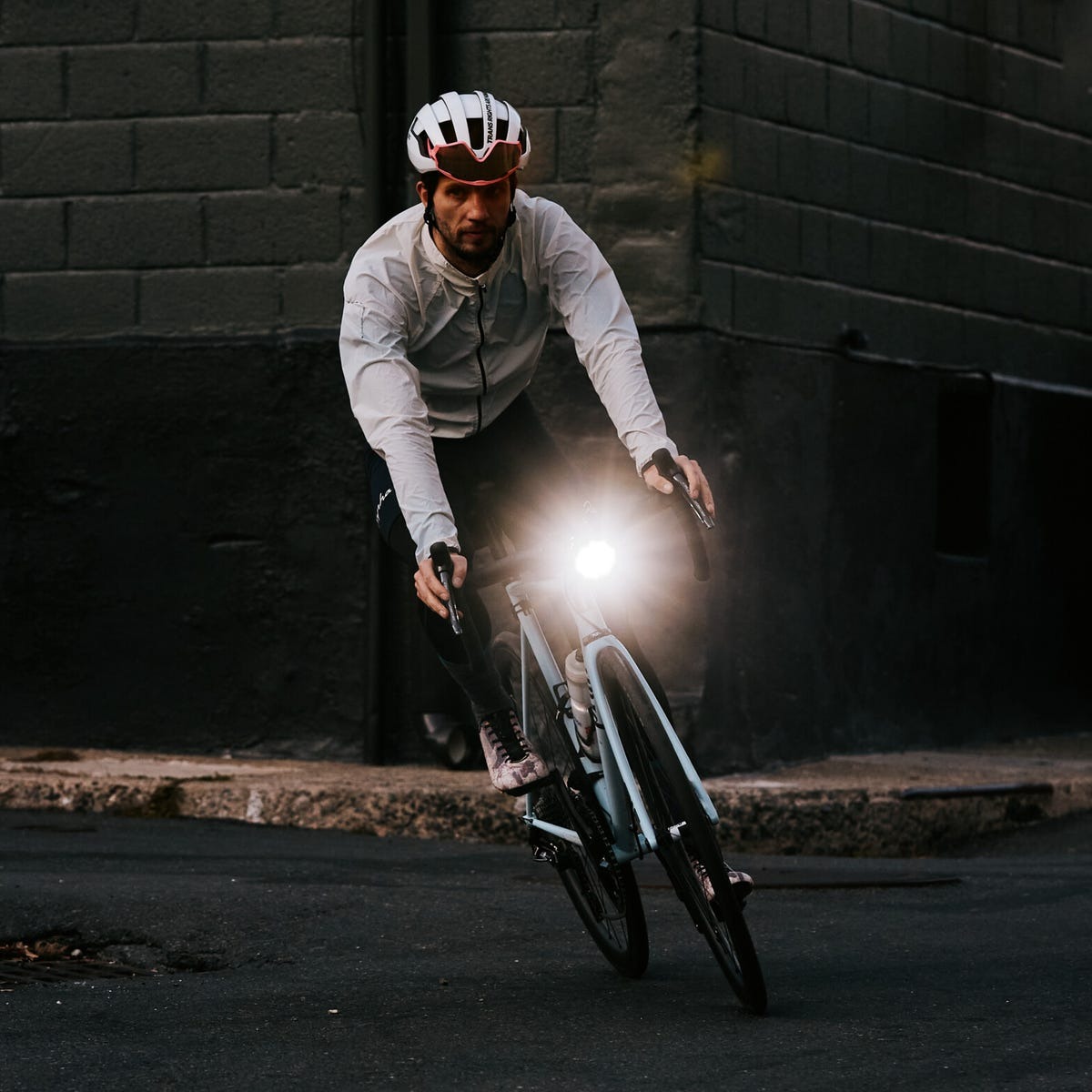
Lights are not just for seeing. They are for being seen. Many collisions happen because drivers misjudge a cyclist’s position or speed. Proper lighting reduces that risk.
A white front light and red rear light are standard. During the day, a steady or pulsing mode increases contrast against traffic. At night, brightness and beam pattern matter more than flashiness.
Check mounting points. A loose light can shift downward or sideways, reducing effectiveness. Confirm battery levels before riding, especially in colder weather where capacity drops faster.
- Front lights should illuminate the road without blinding oncoming traffic
- Rear lights should be visible from a wide angle
- Side visibility matters at intersections
Placement and consistency
Lights work best when used consistently. Turning them on only when it feels dark misses the point. Dawn, dusk, shade, and overcast conditions all reduce visibility.
Mount lights at a stable height. Avoid placing them where bags or clothing can block the beam. Clean lenses regularly. Dirt can cut light output significantly.
Did you know
Human depth perception struggles with small moving objects. Consistent bike lighting helps drivers judge distance and speed more accurately, especially at crossings.
Chain and drivetrain reliability
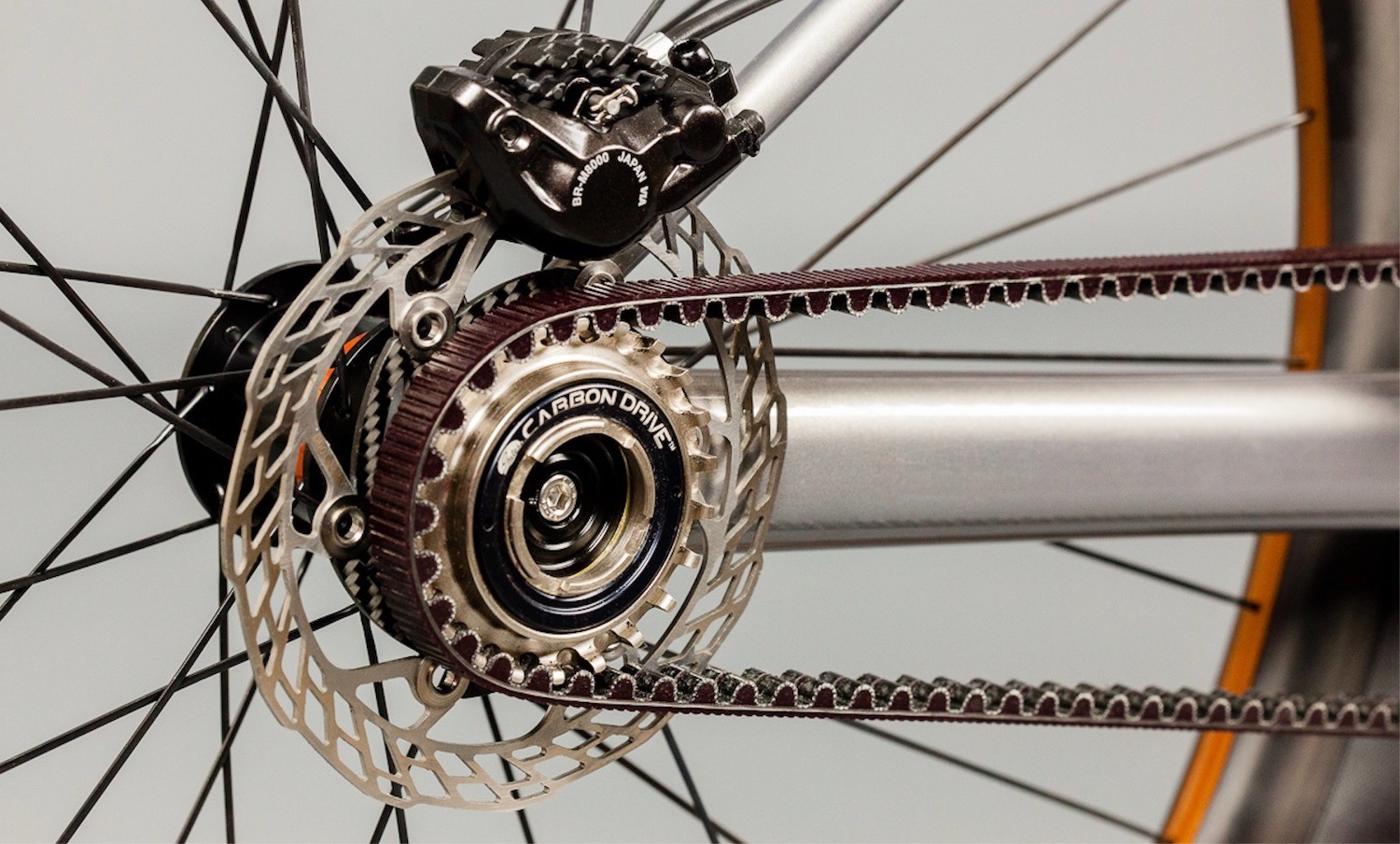
The chain transfers every watt you produce. When it is dirty, worn, or dry, efficiency drops and failure risk rises. A snapped chain can cause sudden loss of balance.
Check chain cleanliness and lubrication. It should look lightly oiled, not caked with grime. Shift through all gears while pedaling to ensure smooth transitions. Listen for skipping or grinding sounds.
Measure chain wear periodically using a chain checker. Excess stretch accelerates wear on cogs and chainrings.
- Rust or stiff links indicate neglect
- Skipping under load suggests wear or adjustment issues
- Noise often means the chain needs cleaning or lubrication
Simple maintenance that pays off
Regular cleaning extends drivetrain life and improves ride feel. Use a degreaser sparingly and wipe dry before applying fresh lubricant. Match lubricant type to riding conditions.
A smooth chain reduces stress on other components. It also makes power delivery predictable, which matters during climbs or evasive maneuvers.
Building safer habits over time
Safety improves when checks become automatic. Pair them with an existing habit like locking the door or putting on a helmet. Over time, small observations become intuitive.
Riders who know their bikes well notice changes early. A new sound. A different feel under braking. Treat those signals as useful feedback, not annoyances.
A bicycle safety checklist is not about fear. It is about confidence. Knowing your equipment lets you focus on traffic, terrain, and the joy of riding.