

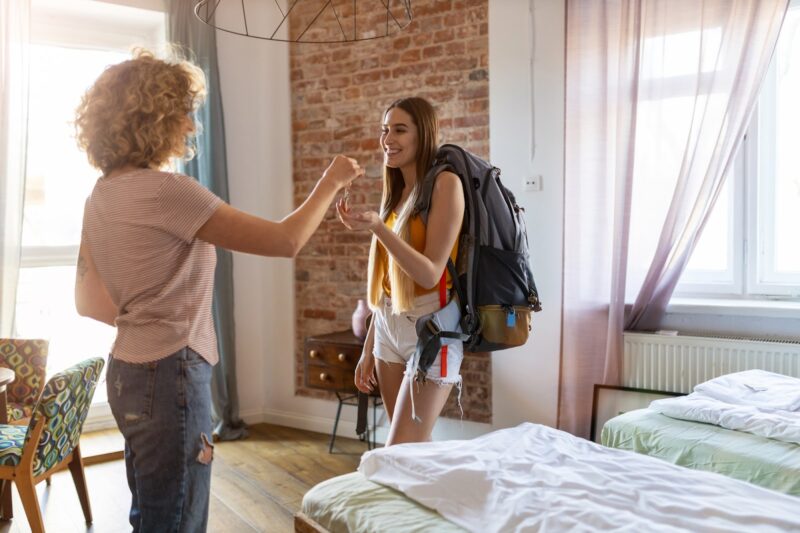
If you are wondering whether you can smoke in an Airbnb, the short answer is no, unless the host explicitly allows it. Airbnb gives hosts full control over smoking policies, and if a property is listed as non-smoking, lighting up indoors or outdoors can get you fined or even banned from the platform.
The problem is that many guests still assume “no smoking” applies only inside, while hosts increasingly extend the rule to porches, patios, and driveways.
The Basic Rule ─ Follow the Host’s Smoking Policy
Every Airbnb listing includes house rules, and one of the most important is the smoking policy. When you book a stay, you agree to those rules, which are part of the rental contract. So, even if you’re used to smoking on hotel balconies or outside entrances, that doesn’t automatically apply to Airbnbs. The host decides whether smoking is allowed and where.
If a host says “no smoking,” that covers all tobacco and cannabis use, as well as vaping or incense burning. Airbnb also treats the smell of smoke as a breach of house rules, even if there’s no ashtray or cigarette butt in sight. It’s an agreement built on trust, and when either side bends it, disputes quickly follow.
Why Hosts Are So Strict About It
Most hosts don’t ban smoking just to be difficult; they do it because of the damage, cost, and risk it creates. Smoke doesn’t simply disappear when you open a window; it seeps into curtains, cushions, walls, and HVAC filters. Cleaning that residue requires specialized products and sometimes repainting or furniture replacement. The lingering smell alone can make a property impossible to rent until it’s removed.
Hosts who have experienced this once tend to stay strict forever. Cigarette smoke can trigger allergic reactions and asthma attacks, and in shared or apartment-style units, it can travel to neighboring spaces. One host put it plainly on Airbnb’s community forum: “The last time someone smoked, I spent $400 and three days trying to get the smell out. Never again.”
That financial loss adds up. Many hosts rely on consistent bookings, and one smoky stay can ruin reviews or force cancellations. Airbnb’s policies let hosts file claims for cleaning or damages, but they need hard evidence, host videos, or a professional cleaning receipt to take a case.
Where the Confusion Starts
The phrase “no smoking” sounds simple, but in reality, it causes endless misunderstandings. Guests often assume that means no smoking indoors, while hosts may intend it to include the entire property, balconies, gardens, driveways, and ven patios. This lack of clarity fuels many arguments.
Take this example: a guest lights a cigarette outside on the porch, thinking they’re being respectful. The host, however, later files a complaint because the smoke drifted indoors or left an odor near open windows. Both sides believe they’re right. The guest says, “I wasn’t inside,” while the host says, “It’s my property, and my rules say no smoking.”
Airbnb generally sides with the written listing. If the host clearly stated “no smoking anywhere on the property,” guests are in violation. But if the rules were vague, Airbnb might not enforce penalties. That’s why precision matters, both for fairness and for peace of mind.
What Happens If You Break the Rule
If a guest smokes where it’s not allowed, a few things can happen. The host may:
- Charge a cleaning fee or request reimbursement for smoke damage.
- Ask Airbnb to cancel the reservation early.
- Leave a negative review that permanently affects the guest’s profile.
However, Airbnb doesn’t automatically impose fines for smoking. The platform expects hosts to prove the violation with photos or invoices. It’s not uncommon for hosts to lose reimbursement claims if they can’t provide strong evidence. In short, the rule is only as enforceable as it is documented.
For serious indoor violations, some hosts even bring in air sensors or odor detectors that log smoke exposure, though this can raise privacy debates. A few cities have also introduced local restrictions on smoking inside short-term rentals, meaning a guest might technically break both Airbnb’s policy and the law.
The Role of Air Quality Devices and Smoke Removal
When smoke odor does appear, hosts often face an expensive and time-consuming cleanup. Basic airing out rarely works, especially after multiple days of exposure. Many turn to HEPA filters or photoelectrochemical oxidation (PECO) systems, which actively neutralize smoke particles and volatile compounds.
One well-known source for such devices is Molekule, which offers air purifiers designed specifically for smoke and odor removal. Hosts use tools like these to speed up turnover time and protect indoor air quality, not as a luxury, but as damage control. Even when smoking isn’t permitted, some odor can still come from guests vaping or cooking heavily aromatic foods, so air purifiers help maintain a neutral, welcoming environment.
What Guests Can Do to Avoid Problems
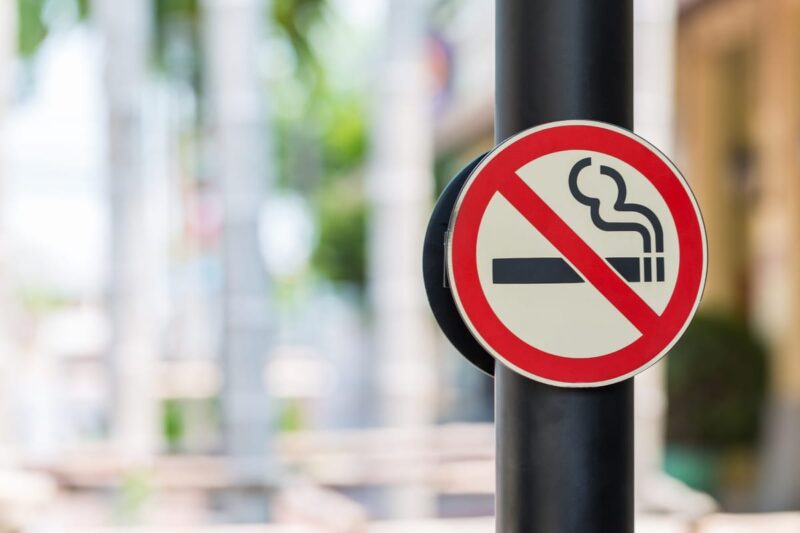
For travelers, the best move is to ask before you assume. If you see “no smoking” on a listing, message the host to clarify whether that includes outdoor areas. Some hosts allow smoking in specific zones away from entrances, while others prohibit it entirely. Always follow those guidelines; it’s their home or investment property, not a hotel lobby.
If you are a smoker:
- Bring portable ashtrays or designated containers to avoid littering.
- Never smoke near doors, open windows, or shared balconies.
- Keep your clothes and belongings outside or sealed if you plan to smoke elsewhere.
- Be courteous about odor; strong smoke can travel farther than expected.
And if you booked a non-smoking place by mistake, the best option is to cancel early rather than risk a penalty. Airbnb’s filters allow you to search specifically for “smoking allowed” listings and use them.
The Bottom Line
So, can you smoke in an Airbnb? Only if the host explicitly allows it, and even then, only in designated areas. If the rules forbid it, lighting up could lead to cleaning fees, loss of deposit, or removal from the platform. For hosts, the best defense is clarity and preparation. For guests, the best approach is respect and communication.
Smoking policies aren’t just about etiquette; they’re about maintaining air quality, guest safety, and fairness for everyone using the space. As short-term rentals continue to grow, expect these rules to get even stricter and for hosts to rely more on air-quality tools and transparent communication to keep the peace between smokers and non-smokers alike.