


Choosing a dentist is fundamentally a healthcare decision, not just a convenience choice. Regular dental visits help catch issues such as cavities, gum disease, and even more systemic conditions early, long before they escalate into painful and expensive problems. Yet only about 50 percent of adults follow the recommended pattern of visiting twice a year.
When you make a choice based on trust, skill, and compatibility, dental care becomes something you look forward to instead of tolerate.
Think of your dentist as a health partner in the broadest sense. They’re not just fixing teeth when there’s a problem; they’re helping you prevent the problem in the first place. That’s the real payoff of selecting the right family dentist.
In this guide, we’ll walk through how to thoughtfully choose a dentist who’s a partner in keeping your family’s smiles healthy and strong.
Finding the Essentials: Credentials, Experience and Comfort

Before you dive into reviews and office tours, start with the core qualities that signal professional competence.
- Credentials and licensing: Make sure the dentist is properly licensed and, where applicable, affiliated with recognized dental organizations. Memberships often indicate a commitment to ongoing professional development.
- Experience with all ages: Family dentistry means treating toddlers and grandparents alike. A dentist comfortable across the age spectrum helps your family save time and build continuity of care.
- Communication style: You want someone who listens, explains clearly, and feels approachable. Trust and comfort breed consistency.
In the first stages of your research, think of this like checking a resume and tone of voice before meeting someone in real life. You’re assessing both capability and compatibility.
A Closer Look at Office Logistics and Environment

Once you’ve shortlisted a few dentists, logistics and environment are the practical filters that make consistency possible.
| Factor | Why It Matters |
| Location | Proximity reduces scheduling friction and helps keep appointments on track. |
| Office hours | Practices with flexible hours, including evenings or weekends, fit better into busy family routines. |
| Parking and accessibility | Easy access means less stress for kids and elders. |
| Child-friendliness | Kid-focused touches like friendly staff and distraction options can ease anxiety. |
Choosing a dentist just around the corner might feel like a no-brainer, but convenience is only one part of the equation. Combine it with quality care and a positive office culture, and you’ve found something rare: dental care that fits seamlessly into your life.
A Helpful Middle Ground: What Preventive Care Looks Like
Did you know that one of the anchor points of long-term oral health is routine preventive care? Regular cleanings and checkups stop small issues before they grow big. For example, professional cleanings remove plaque you can’t tackle with at-home brushing alone, and exams give your dentist a chance to spot early warning signs.
A trusted practice like a St Augustine dentist emphasizes preventive services because they know that early intervention means fewer emergencies and better outcomes. That’s the heartbeat of great family dentistry: minimizing the unexpected and maximizing healthy smiles.
According to patient surveys, the top three traits people value most in their dentist are competence, recommendations from someone they trust, and overall service quality. Interpersonal qualities like patience and respect follow closely behind.
This fact underscores a simple truth: technical skill is critical, but how you feel in the chair matters just as much. Friendly, respectful care encourages visit regularity, especially for kids or people with dental anxiety.
Checking Reviews and Recommendations Strategically

Online reviews are commonplace now—but how you read them matters. A few glowing good experiences are nice, but you want patterns. Look for themes like:
- Consistent praise for gentle care and thorough explanations.
- Mentions of how children or nervous patients were put at ease.
- Repeated feedback about honest treatment recommendations rather than upselling procedures.
Just as important as online impressions are personal recommendations. Ask friends, family members, co-workers, or even your general physician for suggestions. Someone who has liked their dentist for years often signals reliable care.
Cost, Insurance, and Value — The Financial Side of Choice
Healthcare quality and affordability often intersect, and dental care is no exception. Before you commit:
- Verify insurance compatibility: Make sure the dentist accepts your dental insurance or offers convenient payment plans.
- Ask for estimates: A good practice will give clear cost estimates for routine services like cleanings, X-rays, and common treatments.
- Understand the value: Cost should reflect quality. Sometimes a slightly more expensive dentist with better preventive strategies saves money down the road by reducing the need for complex procedures.
Being informed about cost keeps you in control and helps avoid surprises later.
Red Flags to Watch For
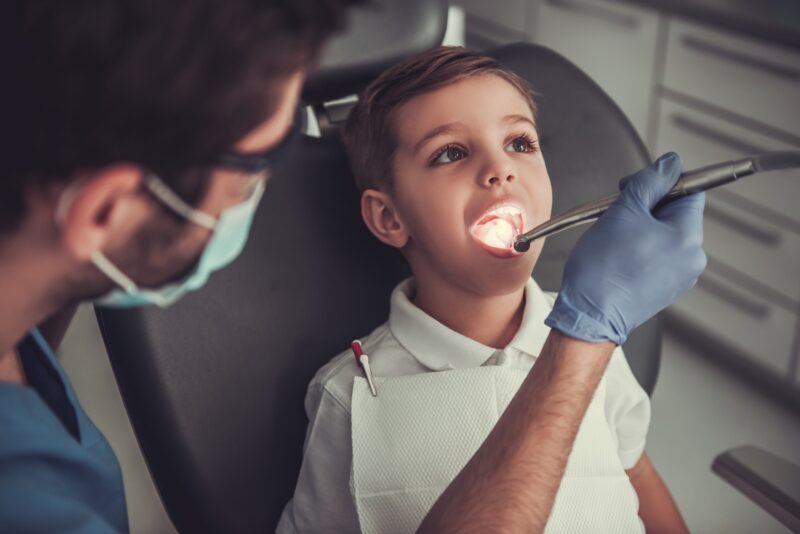
Even as you’re looking for positives, keep an eye out for subtle warning signs that a practice might not be right for your family:
- Long wait times without clear communication.
- Staff who seem rushed or dismissive.
- Lack of clarity about procedures or costs.
- Cleanliness issues in the office space or equipment areas.
These details matter more than you might expect. A dentist’s office should feel like a safe, respectful environment—not a source of stress.
Making Your Choice With Confidence
Once you’ve done your homework, the final step is trust. Dental health impacts overall wellbeing, and choosing a dentist with skill, patience, a strong preventive care focus, and a supportive environment sets the stage for lasting oral health. You want a dentist who feels like a partner—someone your family looks forward to seeing rather than dreads.
Frequently Asked Questions
What questions should I ask at my first visit?
Ask about their preventive care philosophy, experience with children, how emergencies are handled, and what technologies they use.
Is it okay to change dentists if the first one isn’t a good fit?
Yes. It’s absolutely fine to switch if your needs or comfort levels aren’t met.
How often should my family visit the dentist?
Many dentists recommend checkups every six months, but your dentist can tailor this based on your family’s oral health.
Can a good dentist help reduce dental anxiety?
Absolutely. Dentists trained in family care often use supportive approaches that make visits easier for nervous patients or children.