

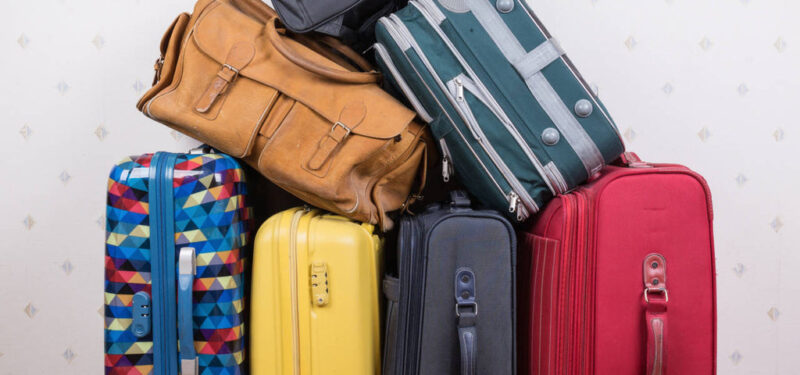
I still remember the sound.
It wasn’t dramatic like thunder or an airport announcement calling my name. It was the sound of a small, splintering plastic—not to mention the distinctive wobble of a suitcase wheel surrendering to life once and for all.
I was a proverbial rat in the race as I hurried through a crowded airport terminal on my way to the gate, coffee cup in one hand and cell phone in the other, dragging behind me my rolling suitcase like an obedient puppy. But this time, it was not faithful. It was rebellious. The wheel was bent to the side, grinding the floor; I had to pull the bag at a ridiculous angle while strangers walked past with smooth, silent spinners.
That’s when I discovered something many people learn the hard way:
The wrong piece of luggage isn’t just a hassle — it sucks your energy, spikes your stress and makes travel a burden.
If you travel at all, even a couple of times per year, buying the right sort of luggage is one of the smartest choices you can make. And it’s not about luxury or status. Convenience, efficiency, and peace of mind are the key benefits.
So if you have a trip coming up, or are just considering upgrading your travel gear, here’s a down-to-earth guide to choosing luggage that actually works for you.
How the ‘Right Bag’ Can Make or Break a Trip
Travel is already rife with uncertainties: delays, inclement weather, long lines, clattering seats, and big distances, like when you’re traveling to Europe, it can take its toll on you. Your luggage, after all, should not further the madness.
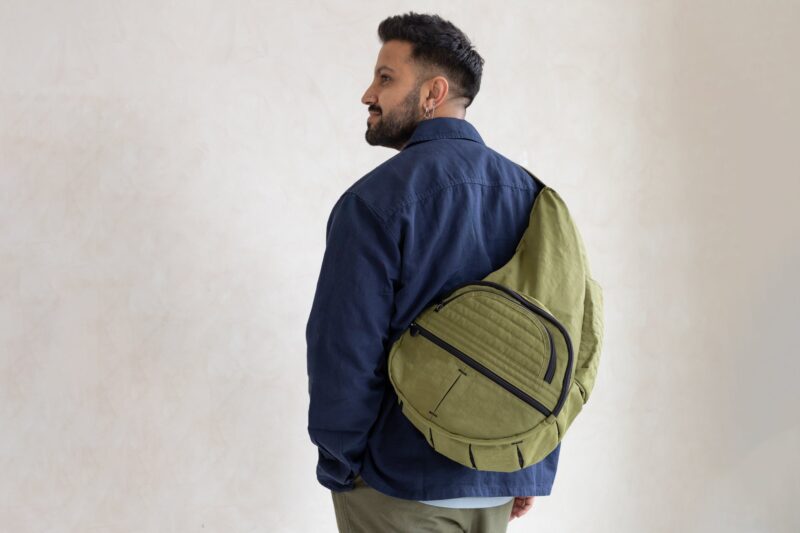
The right luggage helps you:
- move through airports faster
- pack smarter and lighter
- avoid unnecessary fees
- keep belongings safe
Travel organized from Departure to Arrival.
But the wrong luggage? It can wreak havoc at all ages:
- broken wheels on uneven sidewalks
- zipper blowouts mid-trip
- no compartments to turn packing into a mess
- big bags that incur extra fees
- mysterious doppelgänger cases that lead to mix-ups
Good luggage is a silent partner. “Bad Luggage” becomes your travel story’s leading man (in the worst possible way).
Step 1: Know Your Trip Before You Pick Your Luggage
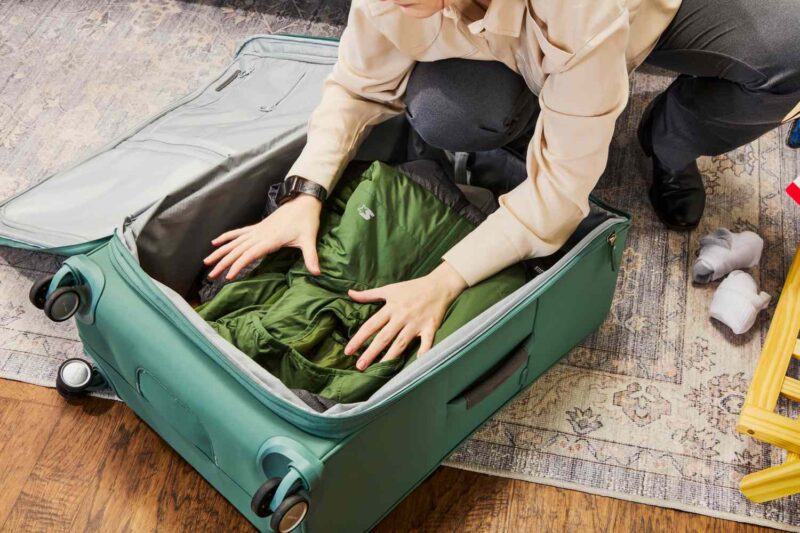
Before you even begin to consider the size or the style of the luggage, ask yourself the following question:
What kind of trip is this?
Because what you pack for a weekend city break is entirely different from what you need in your bag for two weeks of international travel.
Here’s what to consider for the two most important trip factors:
Trip length
- 1–3 days: Small carry-on or duffel
- 4–7 days : carry-on + personal item or small checked bag
- 8–14 days: medium checked luggage
Long-term travel = strong large luggage + organization system
Destination type
- City travel: paved surfaces, elevators, traveling across city streets to catch flights –> spinner wheels do well
- Adventure travel: rough ground, stairs, country walks → maybe backpacks or duffels are the way to go.
- Beach Beach destinations: light clothes but big extras (sandals, towels) → medium bag
Transportation style
Are you:
- flying direct?
- taking trains?
- switching hotels often?
- doing road trips?
The more you travel the more you’ll be happy with light luggage and easy rollability around airports.
Step 2: Know Luggage Types (And What They’re Best For)
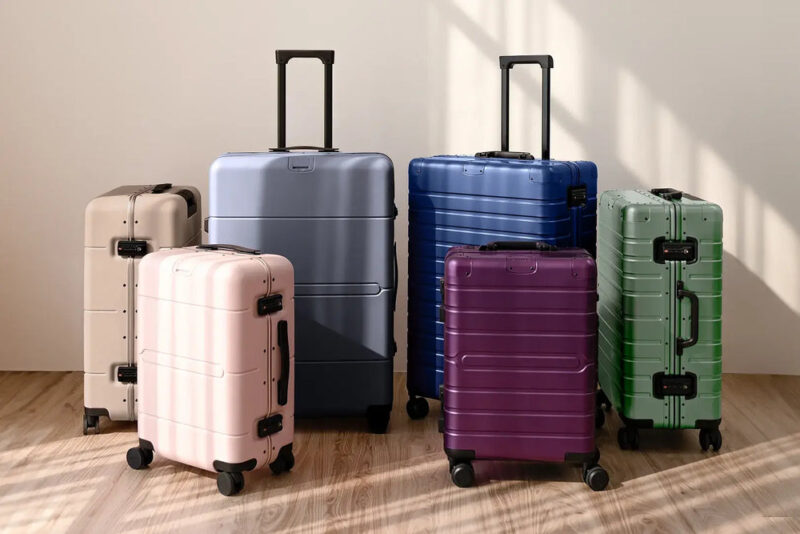
Carry-on luggage
- Best for: short haul trips, business travel, frequent flyers
Pros:
- no baggage claim wait
- lower risk of lost luggage
- easy to keep essentials close
Cons:
- limited space
- airline size restrictions
Checked luggage
- Best for: long trips, travel with the family, cold-weather destinations
Pros:
- more capacity
- easier packing (less squeezing)
Cons:
- greater likelihood of damage or loss
- waiting time at baggage claim
- overweight fees risk
Duffel bags
Best for: visiting friends and family, car trips, casual travel, sloppy packing
They are light and roomy but can become uncomfortable if you have them on for too long.
Travel backpacks
Good for: on-the-go travel, hostel hoppers, mobility addicts
Backpacks allow you to be hands-free and are perfect for uneven terrain — but they may not work for formal or business travel.
Hybrid luggage
Wheeled bags and convertible totes offer flexibility, particularly for travelers who mix city and adventure travel.
Step 3: Size Matters (More Than You Think)
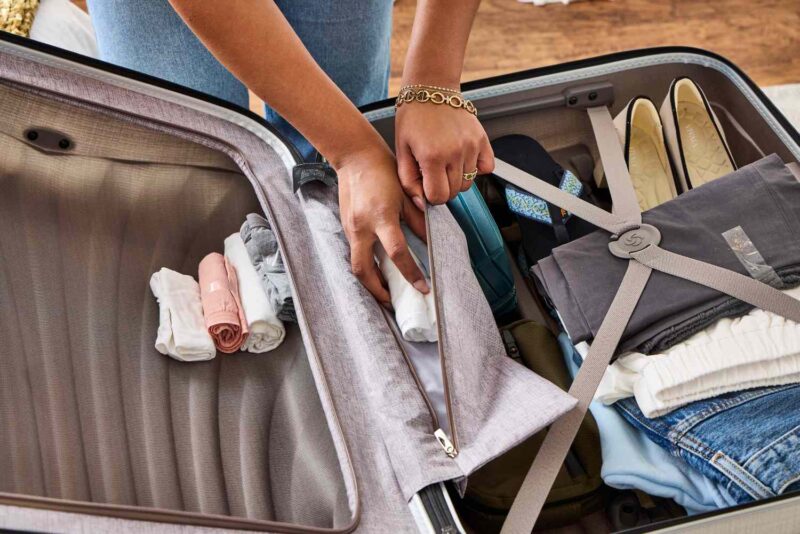
Many travelers purchase suitcases according to what looks “big enough.” But the savvier play is opting for luggage that works well with airline rules and your packing tendencies.
Carry-on size
- Most airlines permit carry-ons roughly 18-22 inches in dimension, but that can vary. When in doubt, check with your airline before you fly.
Checked luggage sizes
- Medium checked bag: best for most travelers
- Checked luggage: tempting, but easier to overpack and go overweight
Pro tip: If you’re forever fretting over weight limits, perhaps you don’t need the giant suitcase.
A compact luggage scale can save you a painful airport surprise.
Step 4 – Hard-Shell vs Soft-Shell Luggage
This debate is never settled — but the best answer might just depend on how you travel.
Hard-shell luggage
Best for:
- fragile items
- electronics
- long flights with rough handling
Pros:
- strong protection
- water resistance
Cons:
- less flexible
- may scuff more visibly
Soft-shell luggage
Best for:
- overpackers
- travelers who want exterior pockets
Pros:
- expandable space
- more manageable in tight spaces
Cons:
- less protection from impact
- less water resistant
If you travel in unpredictable weather and/or check your bag often, hard-shell is generally safer. If you rely on easy-access pockets, soft-shell may be more your speed.
Step 5: Wheels, Handles and Zippers (The Features That Really Count)
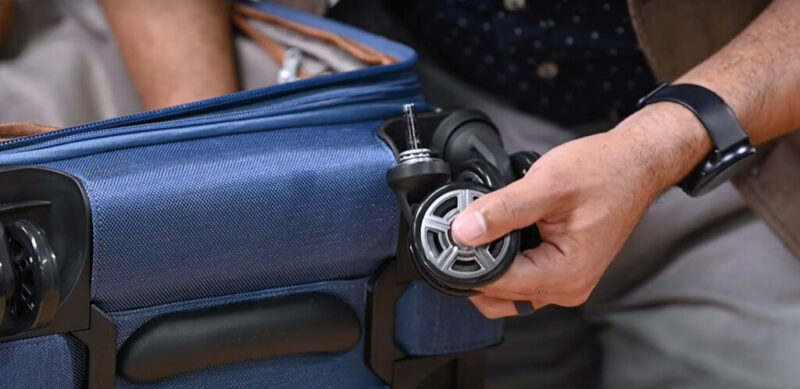
That’s where luggage quality reveals itself.
Wheels
- 2-wheel luggage: solid steady feel on uneven terrain, but less easy to move around
- 4-wheel spinners: smooth in the airports but flimsy on unpaved roads
If you are traveling primarily through airports and hotels, spinners are amazing. For serious cobblestone walking 2-wheel luggage can live longer.
Handles
A good telescopic handle should be firm, not wobbly. Walking is aggravating on a flimsy handle.
Zippers
Look for:
- double zippers
- thick zipper tracks
- lockable zipper pulls
A zipper malfunction can put a trip in the trash in no time.
Step 6: Interior organization = Less freak out.

A piece of good luggage is not just a container; it’s a system.
Helpful features include:
- compression straps
- mesh compartments
- divider panels
- wet/dry toiletries or swimwear sections
Packing cubes also help to keep clothes organized and prevent overpacking. Once you’ve tried them, it can be difficult to switch back.
Being Safe While Traveling and Identification (The Step Most People Forget)
Here is a truth we just don’t talk about enough:
Your suitcase is not unique.
Even if you feel that it is, it almost certainly appears similar to dozens of others on the baggage belt. That’s why identification is essential.
To identify your luggage more easily:
- opt for an exclusive tint or a strap
- add a bold luggage ribbon
- use a clear luggage tag
- clip a flight tag to key your luggage.
Custom tags are most commonly used for:
- group trips
- sports teams
- family vacations
- business travel with colleagues
Some travelers also utilize trackers (AirTag-style devices), which can provide peace of mind.
If you’re in need of personalized flight tag solutions that make identifying luggage fast and easy through busy airports, choose 4inlanyards today! Our custom flight tags are crafted with the perfect balance of visibility and durable travel use for the real world, so whether you love to travel light or just feel connected to your gear, our flight tags have got you covered.
Budget vs Investment—What are You Willing to Pay For?
Not everyone needs premium luggage. But everyone needs reliable luggage.
Budget luggage works if:
- you travel once or twice a year
- your trips are short
- you rarely check bags
Investing makes sense if:
- you travel frequently
- you check luggage often
- you lug your suitcase for long distances
- you’ve gone through luggage already several times
A midrange bag with robust wheels and zippers generally will outperform a cheap bag over the long haul.
Traveler’s Checklist: How to Choose the Right Luggage
Before buying, ask yourself:
- Will it accommodate the duration of my trip and style of travel?
- Is it airline-friendly (carry-on fit)?
- Are the wheels sturdy to withstand my destination?
- Does the handle feel sturdy and comfortable?
- Are the zippers heavy duty?
- Does it have the right number of pockets?
- Is it lightweight?
- How soon will I see it at the baggage claim?
Final Verdict: Travel Is Easier When Your Luggage Works With You
I never forgot that airport wheel incident; there is one lesson I learned about travel and never let go of: Travel is already hard. Your luggage shouldn’t fight you.
The right luggage makes it easier to travel with confidence. It keeps you organized. It protects what you packed. And it eliminates the small frustrations that slowly chip away at the fun of traveling.
Because when your bag glides with ease, when your supplies are right at hand and that item goes spinning down the baggage carousel—travel is suddenly not just about survival… but about going on that adventure you’ve been lusting after.