

A homeowner survey published by the Insurance Institute for Business and Home Safety found that water damage remains one of the most common and expensive household insurance claims each year. What often makes those situations worse is not the leak itself, but the wrong response in the first few hours. Choosing the right plumber is rarely something people plan for until water is already on the floor. That is why it helps to understand how to make the right call before stress takes over.
In this guide, we walk through how to choose a plumber thoughtfully, depending on the situation you are facing. We focus on practical decisions, real-world scenarios, and questions that protect your home, your time, and your budget.
Understanding What Kind of Plumbing Situation You Are Facing
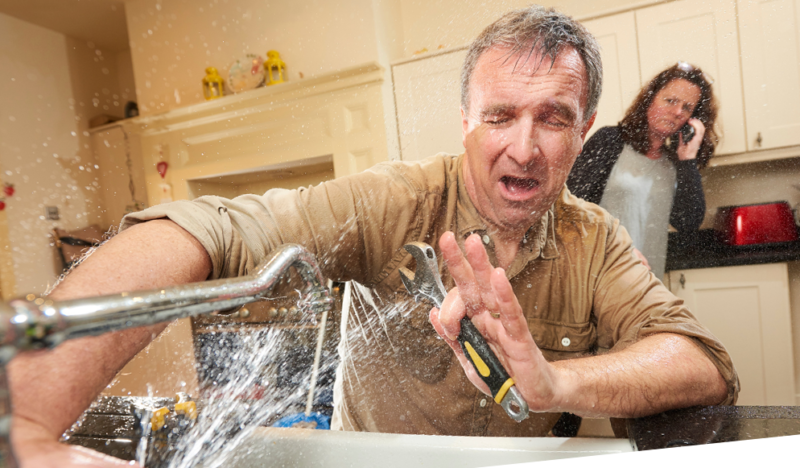
Before calling anyone, it helps to pause and identify the type of problem in front of you. Not all plumbing issues are equal, and the right professional for one job may not be ideal for another.
Some situations are disruptive but manageable, while others demand immediate action. Knowing the difference allows you to communicate clearly and avoid paying for services you do not need.
Common categories homeowners encounter include:
- Emergency issues like burst pipes, sewer backups, or overflowing toilets.
- Urgent repairs such as leaking water heaters or major drain clogs.
- Planned work like fixture upgrades, remodel connections, or routine maintenance.
When you describe the issue accurately, plumbers can respond with the right tools, timeline, and expectations. That clarity often leads to faster service and fewer surprises once the work begins.
When Speed Matters and When It Does Not
Not every plumbing problem requires a middle-of-the-night call, but some absolutely do. Understanding urgency helps you choose a plumber who fits the moment instead of overreacting or waiting too long.
If water is actively damaging your home or affecting sanitation, emergency response becomes critical. In those cases, availability and response time matter more than shopping around.
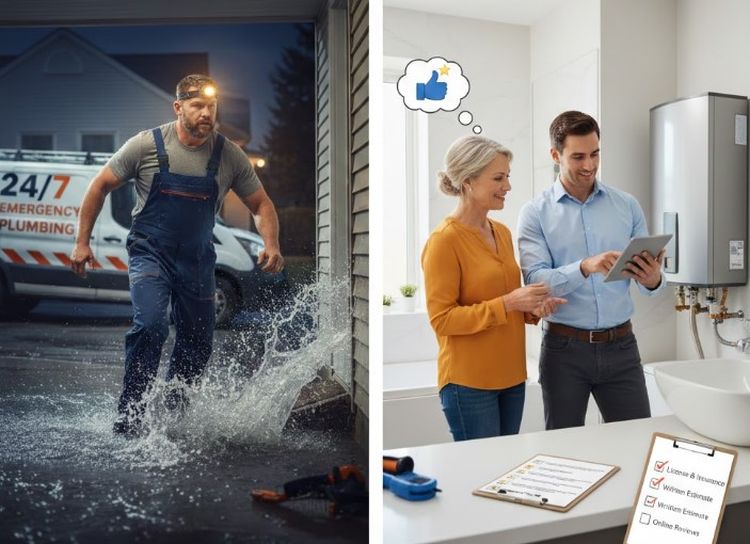
For homeowners in Missouri facing sudden breakdowns, working with a St Louis emergency plumber can make a real difference. These teams are structured for rapid response, stocked trucks, state-of-the-art diagnostics and equipment and experience under pressure.
For non-urgent issues, you often gain flexibility. That allows time to compare estimates, verify credentials, and schedule repairs at a lower cost. Matching urgency to service level protects both your home and your wallet.
Verifying Licensing, Insurance, and Local Credentials

One of the most overlooked steps when choosing a plumber is verifying credentials. This is not about paperwork for its own sake, but about protecting yourself from liability and poor workmanship.
Licensed plumbers have met local requirements, passed exams, and follow established building codes. Insurance protects you if something goes wrong during the job.
Before hiring, confirm:
- The plumber holds a valid license in your city or state.
- Liability insurance and worker coverage are in place.
- The business operates legally in your area, not just through online listings.
A legitimate plumber will not hesitate to provide this information. If someone avoids these questions, that hesitation often signals risk. Credentials are your first layer of protection, especially for major repairs or work behind walls.
Matching the Plumber’s Experience to the Job
Plumbing is a broad trade. Some professionals specialize in residential repairs, others focus on commercial systems, and some excel at remodel work rather than emergencies.
Hiring based on experience alignment reduces delays and mistakes. A plumber who installs fixtures daily may not be the best choice for diagnosing recurring sewer issues.
Consider asking:
- How often they handle problems like yours.
- Whether they work mostly in homes similar to yours.
- What tools or diagnostics they use for this type of issue.
Experience shows up not only in results, but in how clearly plumbers explain solutions. Professionals who know the job well can outline options, risks, and realistic timelines without overpromising.
Pricing Transparency and How to Read Estimates
Cost concerns are natural, but the cheapest option is rarely the safest. The key is understanding how pricing is structured and what is included.
Some plumbers charge hourly, others use flat-rate pricing. Each approach can be fair when explained clearly.
A solid estimate should include:
- Scope of work in plain language.
- Labor costs and material allowances.
- Possible additional charges and what triggers them.
Avoid vague verbal quotes with no documentation. Written estimates protect both sides and reduce misunderstandings.
Important note: Flat-rate pricing often benefits homeowners for common repairs, while hourly billing can make sense for diagnostic-heavy work. Understanding which model applies helps you compare fairly.
Transparency builds trust. If pricing feels unclear before work starts, it rarely improves afterward.
Availability, Response Time, and Communication Style
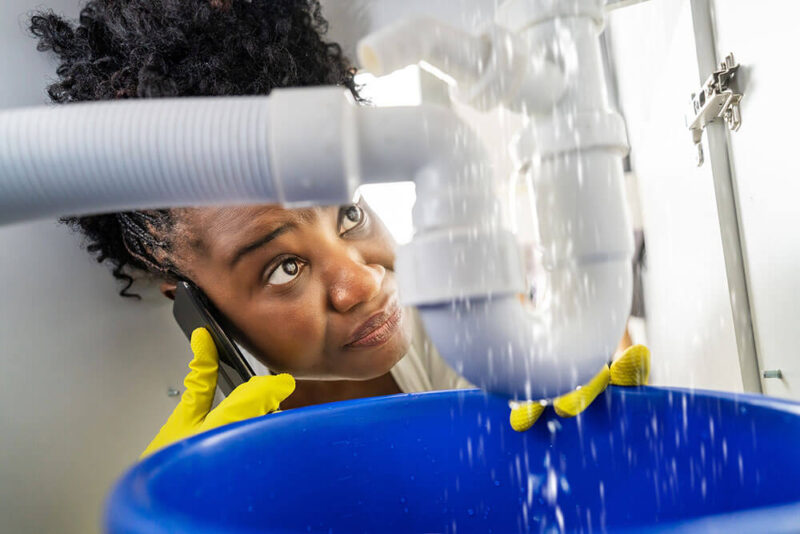
Plumbing problems are stressful. The way a plumber communicates often matters as much as the repair itself.
Reliable professionals:
- Return calls promptly.
- Explain next steps clearly.
- Provide realistic arrival windows.
- Update you if delays occur.
Availability also matters long-term. If you are building a relationship for future maintenance, responsiveness today is a strong indicator of future service quality.
Pay attention to how questions are answered during the first call. Clear communication early usually reflects organized operations and respect for customers’ time.
Reviews, Reputation, and How to Read Them Properly
Online reviews are useful, but only when read thoughtfully. A perfect rating with no details can be less helpful than balanced feedback describing real experiences.
Look for patterns instead of isolated comments. Consistent mentions of punctuality, cleanliness, and professionalism matter more than occasional complaints.
When reading reviews, focus on:
- How issues were resolved, not just whether they occurred.
- Feedback about similar jobs to yours.
- Local references rather than generic praise.
Word of mouth from neighbors or local community groups can also be valuable. Plumbing quality often shows up months later, so long-term satisfaction matters.
Tools, Technology, and Modern Plumbing Capabilities
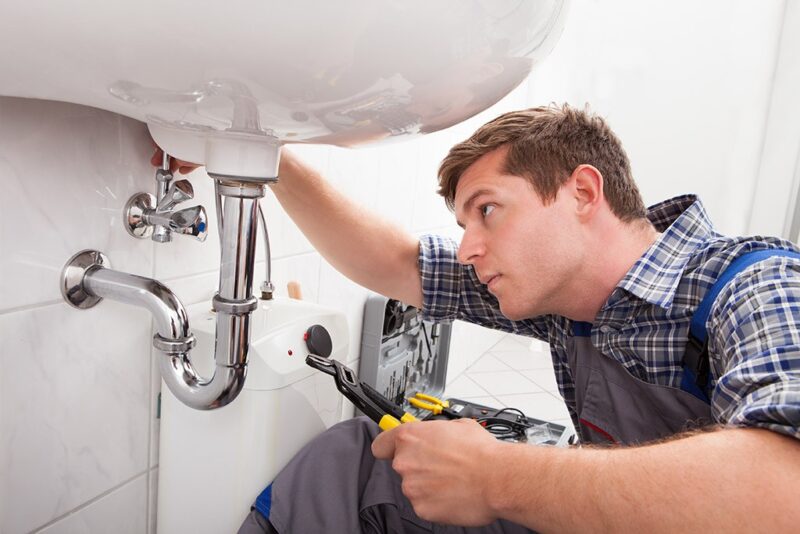
Plumbing has evolved. Today’s best professionals combine hands-on skill with modern diagnostic tools.
Camera inspections, leak detection equipment, and advanced drain cleaning methods reduce guesswork and unnecessary damage.
Here is a simple comparison of traditional versus modern approaches:
| Task Area | Traditional Method | Modern Method |
| Drain inspection | Trial and error | Camera diagnostics |
| Leak detection | Wall removal | Acoustic or thermal tools |
| Pipe repair | Full replacement | Targeted lining solutions |
Plumbers who invest in updated equipment often work faster and more precisely. That efficiency can lower overall disruption and cost.
Planning Ahead Instead of Reacting
Many homeowners only think about plumbers during emergencies. Building a relationship ahead of time changes that dynamic completely.
Routine inspections, water heater checks, and drain maintenance prevent many urgent situations. A plumber familiar with your system can spot issues early.
Did you know? Small, slow leaks can waste thousands of gallons of water per year, often without visible damage until floors or walls are affected.
Planning ahead means:
- Keeping a trusted plumber’s contact information accessible.
- Scheduling preventive maintenance.
- Understanding shut-off locations in your home.
Prepared homeowners make calmer decisions when problems arise.
Trust, Professionalism, and Red Flags to Watch For
Beyond skills and pricing, trust matters. Your plumber will often work inside your home, sometimes during stressful moments.
Watch for warning signs such as:
- Pressure to make immediate decisions without explanation.
- Reluctance to provide written documentation.
- Dismissive answers to reasonable questions.
Professional plumbers respect your space, explain their work, and leave areas clean. Those behaviors reflect pride in their trade and care for customers.
Trust grows when actions match words, especially under pressure.
Making the Right Choice With Confidence
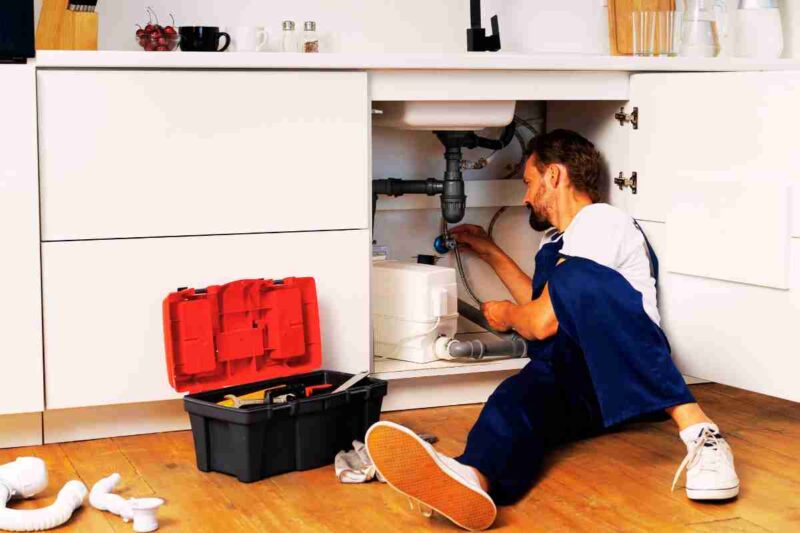
Choosing the right plumber is less about finding a single perfect company and more about matching expertise to situation. When you understand urgency, verify credentials, and expect clear communication, you protect yourself from costly mistakes.
Taking time to prepare before a crisis gives you leverage when it matters most. Whether facing an emergency repair or planning a future upgrade, informed choices lead to better outcomes.
Plumbing issues are part of home ownership. Handling them well comes down to knowledge, preparation, and working with professionals who respect both your home and your time.