

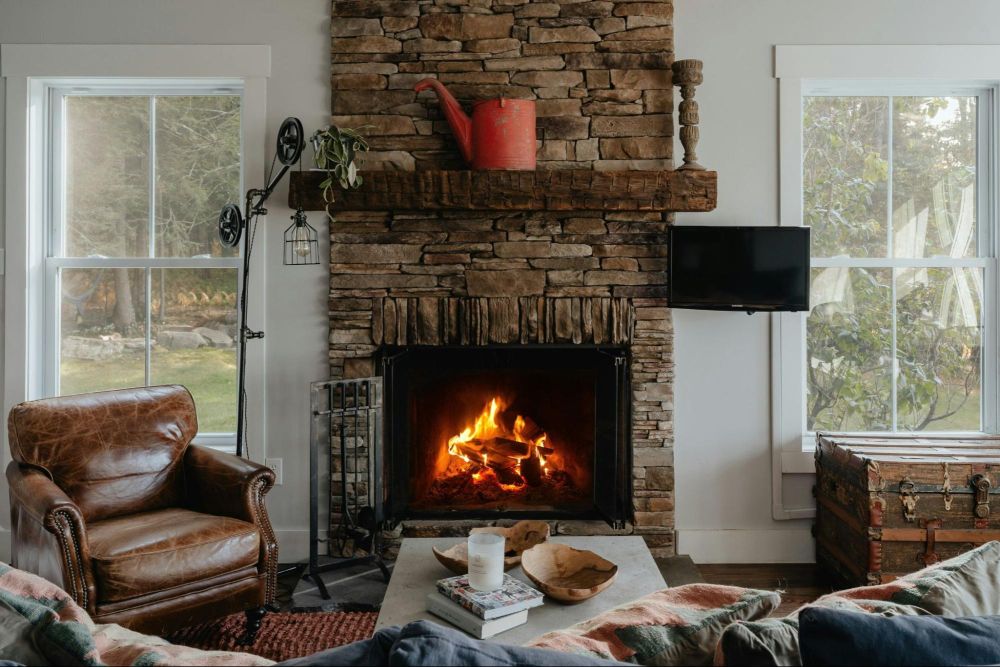
Fireplaces have long been a central feature in residential architecture, providing warmth, visual comfort, and a focal point for living spaces. While traditional wood-burning fireplaces once dominated home heating design, modern technology has introduced several alternative options that combine improved efficiency with contemporary aesthetics. Today, homeowners often evaluate various fireplace types based on factors such as energy efficiency, installation requirements, and interior design compatibility.
Modern fireplaces are no longer limited to heating alone. In many homes, they function as design elements that enhance the atmosphere of a room while contributing to overall comfort. Choosing the right fireplace therefore involves understanding both functional performance and how the unit will integrate into a home’s interior layout.
Modern Fireplace Options
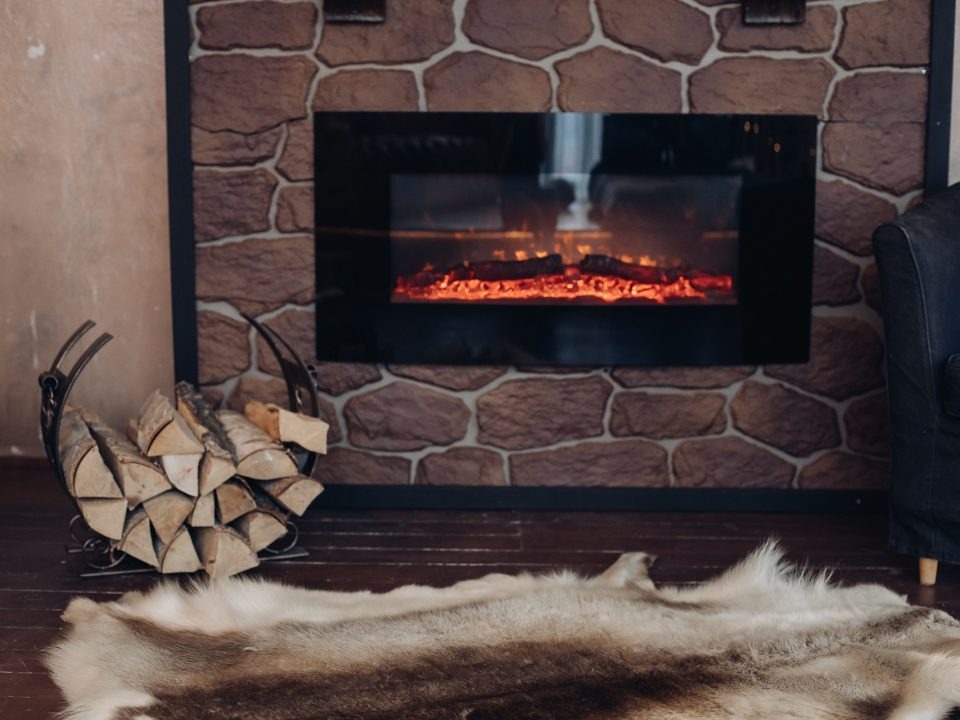
Homeowners considering a new fireplace typically encounter several different options, including gas, electric, and traditional wood-burning systems. Each type offers distinct advantages depending on the layout of the home, heating goals, and aesthetic preferences.
Gas fireplaces use natural gas or propane to create real flames and provide significant heat output. These systems are often valued for their efficiency and ability to generate consistent warmth in living spaces.
Electric fireplaces operate using heating elements combined with simulated flame effects. Because they do not require venting or gas lines, electric models can be installed in a wide variety of interior settings, including apartments and smaller homes.
Wood-burning fireplaces, while less common in new construction, remain popular among homeowners who appreciate the traditional experience of burning real wood.
Comparing Gas and Electric Fireplaces
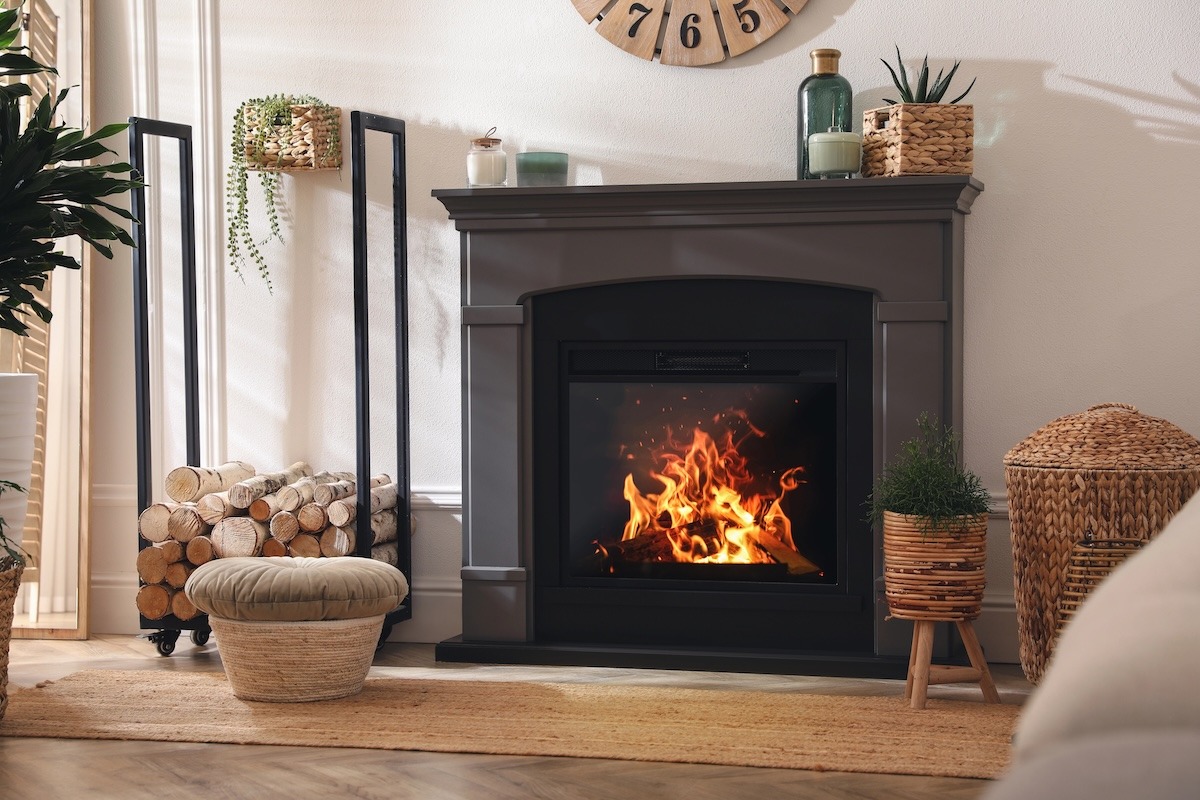
When choosing between gas and electric fireplaces, many homeowners compare features, efficiency, and installation requirements. Retailers such as The Great Fire Company offer a wide selection of fireplaces and heating products, helping customers find options that fit their space and budget.
Gas fireplaces are often preferred for their realistic flame appearance and higher heat output. Because they burn fuel directly, they can produce substantial warmth and serve as a secondary heating source in larger rooms.
Electric fireplaces, on the other hand, are generally easier to install and maintain. They require only a standard electrical outlet and do not produce combustion gases, which eliminates the need for venting systems.
These differences influence not only heating performance but also how fireplaces can be incorporated into interior design plans.
Energy Efficiency Considerations
Energy efficiency is an important factor when evaluating modern fireplaces. Efficient heating systems can help reduce energy consumption while maintaining comfortable indoor temperatures.
Electric fireplaces are often considered highly efficient because nearly all of the electricity used is converted into heat within the room. However, their heating capacity is typically lower than that of gas fireplaces.
Gas fireplaces can generate more heat, but some energy may be lost through venting systems depending on the design. High-efficiency gas fireplace models are designed to minimize heat loss and maximize heat output.
Homeowners often evaluate both heating performance and operating costs when determining which option best fits their needs.
Installation and Structural Requirements
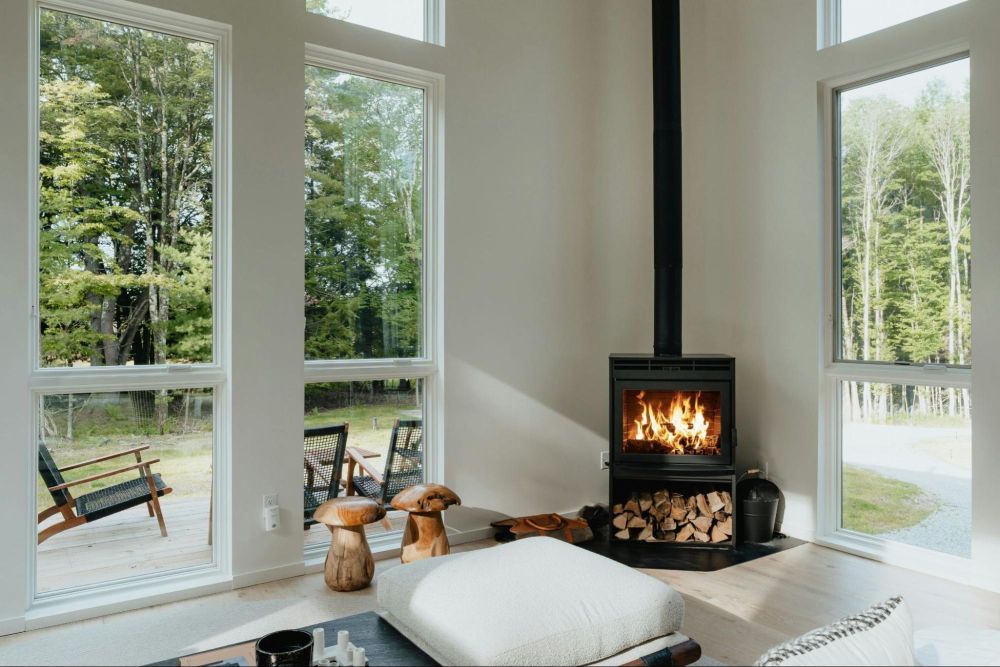
Installation requirements vary significantly depending on the fireplace type. Gas fireplaces typically require professional installation, including connections to gas lines and ventilation systems.
Electric fireplaces are usually simpler to install. Many models can be wall-mounted or built into existing structures without major modifications to the home. This flexibility makes them appealing for renovation projects and modern interior designs.
Wood-burning fireplaces require chimneys or flues that allow smoke and combustion gases to exit the building safely. Because of these structural requirements, they are more commonly found in older homes or custom-built properties.
Fireplace Design and Interior Aesthetics
Beyond heating performance, fireplaces also contribute to interior design. Designers often treat fireplaces as architectural centerpieces that define the visual character of a room.
Linear fireplaces, for example, have become popular in modern homes because they provide a sleek, horizontal flame display that complements minimalist interiors. Traditional fireplace mantels, on the other hand, may be preferred in classic or rustic home designs.
Materials such as stone, marble, and metal finishes are commonly used to frame fireplace installations and integrate them with surrounding décor.
The choice of fireplace style can influence how furniture is arranged and how the room’s visual balance is achieved.
Environmental and Safety Factors
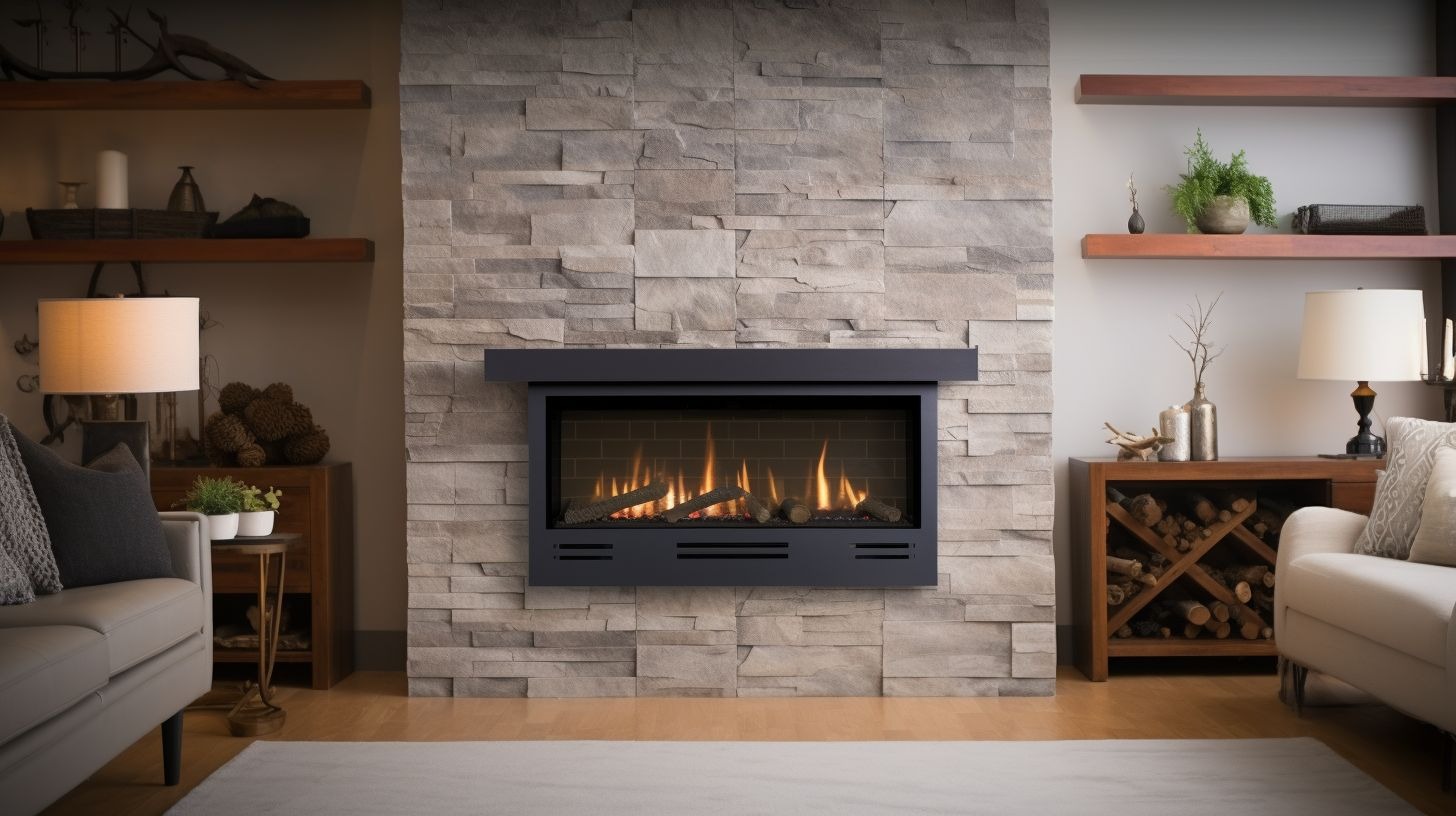
Environmental considerations are also part of the decision-making process when selecting a fireplace. Gas fireplaces burn cleaner than wood-burning models, producing fewer particulate emissions and less indoor smoke.
Electric fireplaces produce no direct emissions because they rely entirely on electricity. This can make them appealing for households seeking low-maintenance heating solutions.
However, energy efficiency also depends on the source of electricity used to power electric fireplaces. Homes powered by renewable energy sources may achieve greater environmental benefits.
According to the U.S. Department of Energy, improving home heating efficiency can play an important role in reducing overall household energy consumption. Additional information about energy-efficient heating systems can be found through the Department of Energy at https://www.energy.gov.
Maintenance and Long-Term Use
Maintenance requirements vary depending on the fireplace type. Gas fireplaces typically require periodic inspections to ensure that burners, gas lines, and ventilation systems remain in good condition.
Electric fireplaces generally require less maintenance because they do not involve combustion or fuel systems. Routine cleaning and occasional component checks are usually sufficient.
Wood-burning fireplaces require regular chimney cleaning to remove soot and creosote buildup, which can pose safety risks if left untreated.
Understanding these maintenance requirements helps homeowners select systems that align with their long-term maintenance preferences.
Balancing Efficiency, Comfort, and Style
Choosing the right fireplace ultimately involves balancing several considerations, including heating performance, installation requirements, design preferences, and energy efficiency. Homeowners must evaluate how each type of fireplace fits within the structural limitations and aesthetic goals of their living space.
As fireplace technology continues to evolve, modern designs increasingly combine energy efficiency with flexible installation options and visually appealing flame displays.
By carefully considering these factors, homeowners can select fireplace systems that enhance both the comfort and visual appeal of their homes while supporting efficient heating solutions.