

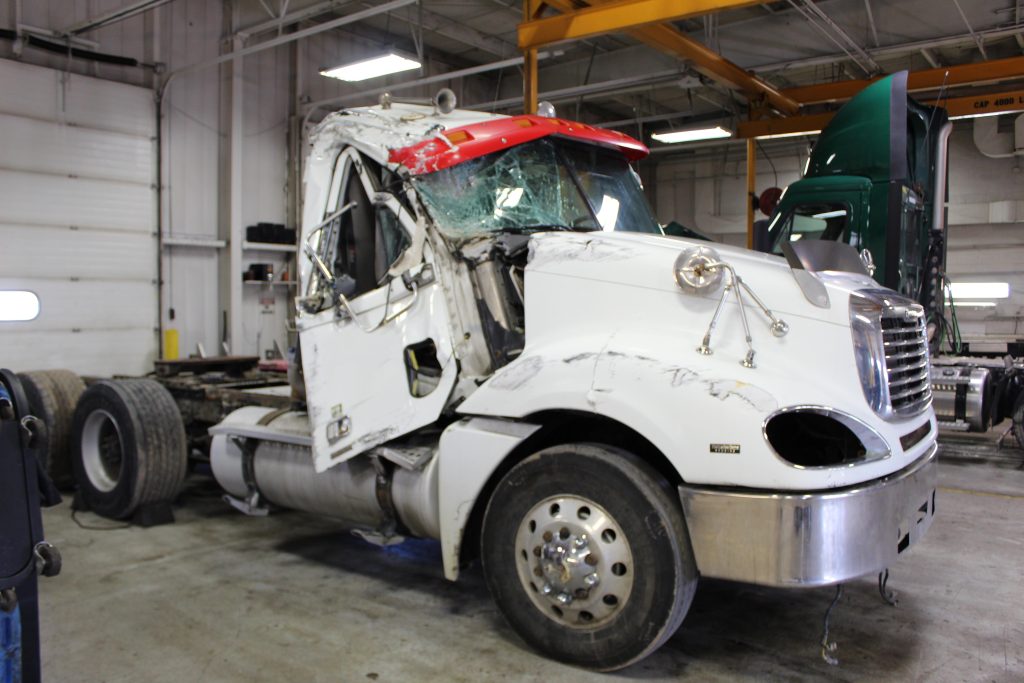
A commercial truck collision can disrupt far more than a single vehicle. It can interrupt delivery schedules, create compliance concerns, strain customer relationships, and put added pressure on drivers, dispatchers, and fleet managers all at once. In a business built on movement and reliability, even one damaged truck can create costly ripple effects.
That is why commercial truck collision repair is not just about fixing visible damage. It is about restoring safety, protecting long-term vehicle performance, and getting equipment back into service the right way.
Unlike standard passenger vehicle repairs, truck collision work involves larger structures, heavier-duty systems, stricter safety expectations, and more complicated documentation. A damaged bumper or dented panel may be obvious, but the deeper concerns often involve frame alignment, suspension stress, brake components, steering response, lighting systems, and electronic safety features. If those issues are not addressed properly, the truck may return to the road looking repaired while still carrying hidden risks.
For fleet operators and owner-operators alike, that makes the repair decision especially important. The right repair process can reduce downtime, preserve asset value, and help prevent recurring mechanical issues later. The wrong repair approach can create repeated shop visits, poor handling, compliance issues, or a shortened service life. Understanding what commercial truck collision repair actually involves helps businesses make better decisions when the stakes are high.
Why Commercial Truck Collisions Require a Different Repair Approach
Heavy-duty trucks are built differently from personal vehicles, and that affects everything after a crash. Their size, weight, operating demands, and regulatory requirements all make the repair process more involved.
A commercial truck may be hauling freight across long distances, operating under tight schedules, and carrying loads that place continuous strain on the chassis and mechanical systems. After a collision, that means technicians must do more than restore appearance. They must confirm that the truck can handle real working conditions again without compromising safety or performance.
Structural Damage Is Not Always Easy to See
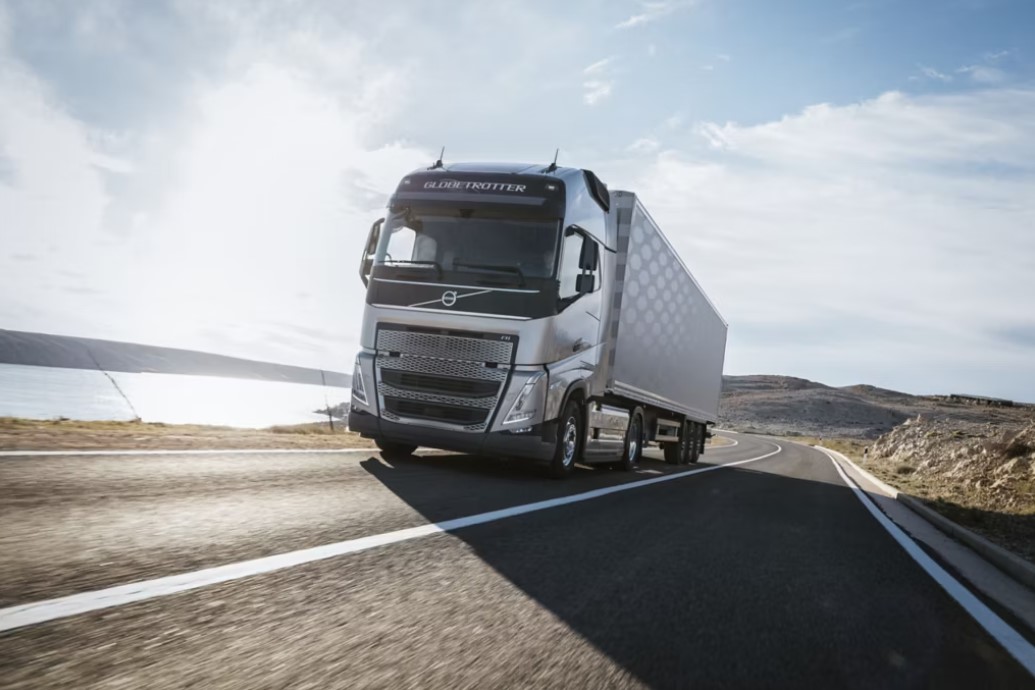
One of the biggest challenges in truck repair is that visible damage rarely tells the full story. A cab corner may be crushed, a panel may be bent, or a grille may be broken, but the underlying impact may also affect the frame, mounts, steering geometry, or suspension points.
A truck that looks only lightly damaged can still have alignment issues that affect tire wear, fuel efficiency, and directional stability. That is why commercial truck collision repair begins with a deeper inspection than many people expect.
Downtime Carries Real Business Costs
For a trucking business, a damaged unit is not just a repair bill. It is lost earning potential. Missed routes, delayed shipments, substitute vehicle costs, and scheduling disruptions all add up quickly. Because of that, repair speed matters, but speed should never come at the expense of thoroughness.
The strongest repair shops understand this balance. They work toward efficient turnaround while still protecting the truck’s long-term roadworthiness.
What Happens During the Initial Damage Assessment
A good repair process starts with a detailed evaluation. This stage sets the tone for everything that follows, because incomplete assessments often lead to missed damage, delayed parts orders, and repair plans that have to be revised midway through the job.
Inspection Goes Beyond Exterior Panels
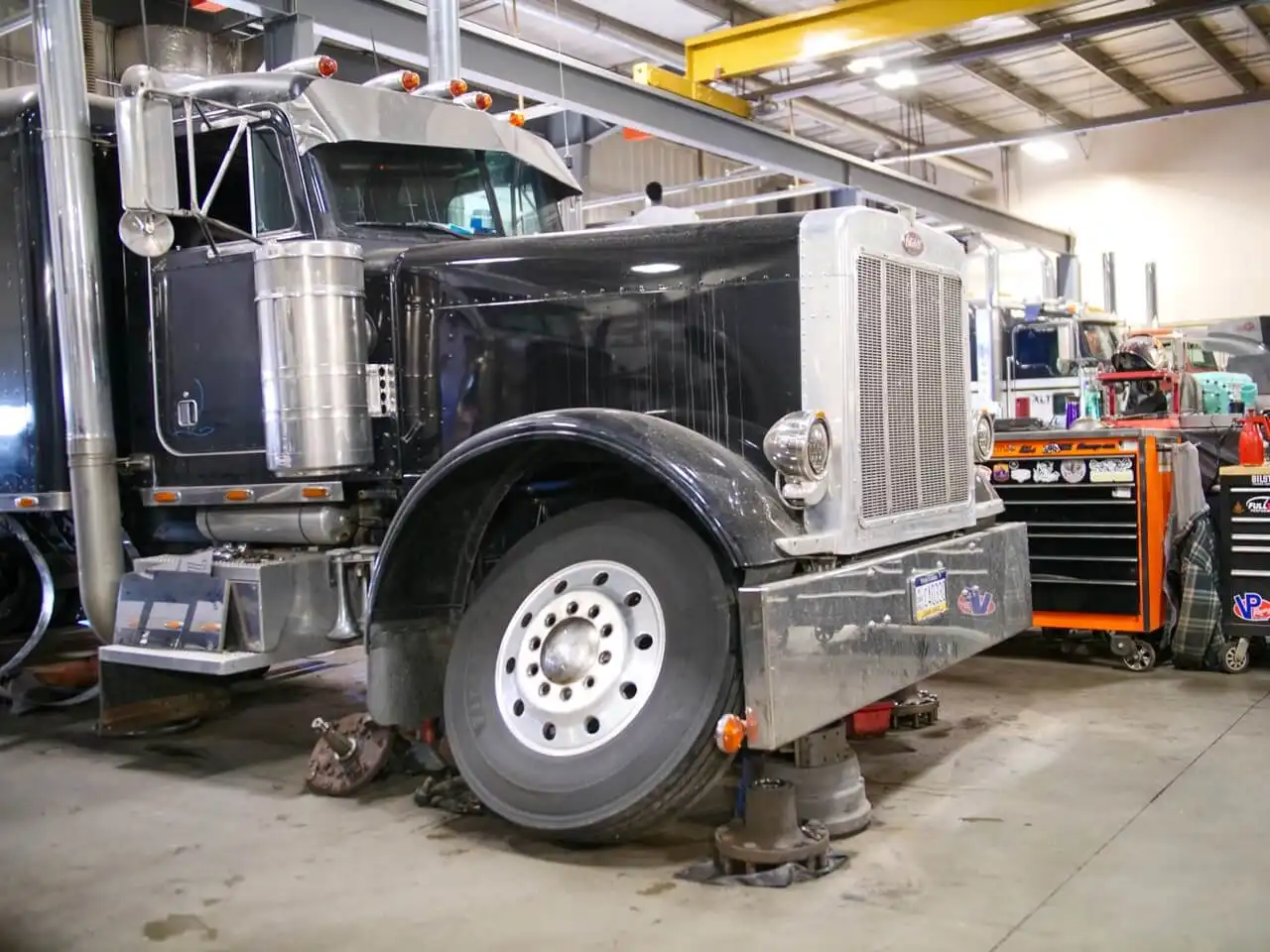
Technicians usually begin by documenting all visible collision damage, but that is only part of the job. They also inspect structural points, suspension components, steering systems, lights, electrical harnesses, braking systems, wheels, tires, and any driver-assistance features affected by the crash.
Advanced tools may be used to measure frame alignment and identify shifts that are not visible to the naked eye. In commercial truck collision repair, this level of precision matters because small alignment errors can create larger operating problems over time.
Documentation Supports Both Repair and Insurance
A strong assessment also creates the foundation for the insurance claim. Photos, measurements, parts lists, and written damage reports help clarify the full scope of the repair. That makes it easier to communicate with adjusters, justify repair procedures, and reduce disputes over what needs to be fixed or replaced.
For fleet owners, clear documentation also helps with internal tracking, maintenance records, and future resale value.
Choosing the Right Shop for Commercial Truck Collision Repair
Not every body shop is equipped to handle commercial trucks. Heavy-duty repair requires more than general collision experience. It demands the right space, equipment, technical knowledge, and understanding of how commercial vehicles operate in the real world.
Look for Truck-Specific Experience
A repair facility that mainly works on passenger vehicles may not be prepared for the complexity of a Class 7 or Class 8 truck. Commercial units require technicians who understand cab structures, frame systems, air brakes, suspension assemblies, and the demands of working fleets.
A qualified commercial truck collision repair shop should be able to explain what kinds of trucks it services, what repair tools it uses, and how it verifies structural and mechanical accuracy before returning a vehicle to service.
Certifications and Training Matter
Industry certifications can be a strong sign that a shop takes quality seriously. Ongoing training is especially important because truck construction, materials, electronics, and safety systems continue to evolve.
Shops that invest in training are often better prepared to handle repairs involving newer trucks, OEM procedures, and advanced systems that go beyond basic body work.
Reviews and Reputation Reveal the Real Experience
Customer feedback often shows how a repair shop performs after the estimate is written. Look for comments about communication, timeliness, accuracy, and whether repaired trucks returned to service without repeat issues.
For fleet operators, it can also be useful to ask whether the shop has experience coordinating with commercial insurance claims and managing repairs on deadline-sensitive vehicles.
The Role of Frame Repair and Alignment
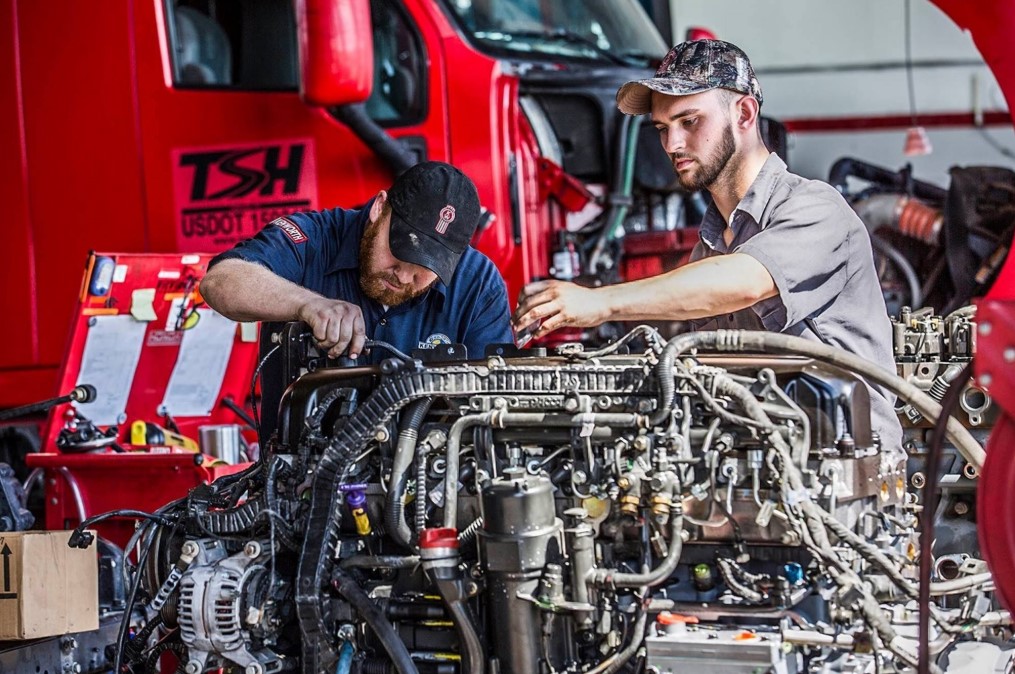
One of the most critical parts of commercial truck collision repair is evaluating the frame. The frame supports the entire truck, and even modest distortion can affect how the vehicle handles, wears, and responds under load.
Why Frame Accuracy Matters
If the frame is out of alignment, the truck may pull to one side, wear tires unevenly, or place stress on suspension and steering components. Over time, this can increase operating costs and reduce safety.
Because trucks are used in demanding conditions, frame repairs must be done with close attention to specification. Precision measuring and straightening equipment help bring the structure back to proper alignment rather than relying on visual judgment alone.
Alignment Affects More Than Steering Feel
Drivers often notice alignment problems through handling, but the effects go further. Misalignment can reduce fuel efficiency, create vibration, and accelerate wear on expensive parts. In a working truck, those issues matter quickly.
That is why shops should not treat alignment as a minor finishing step. In heavy-duty repair, it is part of the vehicle’s functional recovery.
Modern Repair Methods and Materials
Truck repair has changed with the industry. Materials, repair methods, and diagnostic tools have all become more advanced, and the best repair facilities use that progress to improve both speed and accuracy.
Repair Technology Improves Precision
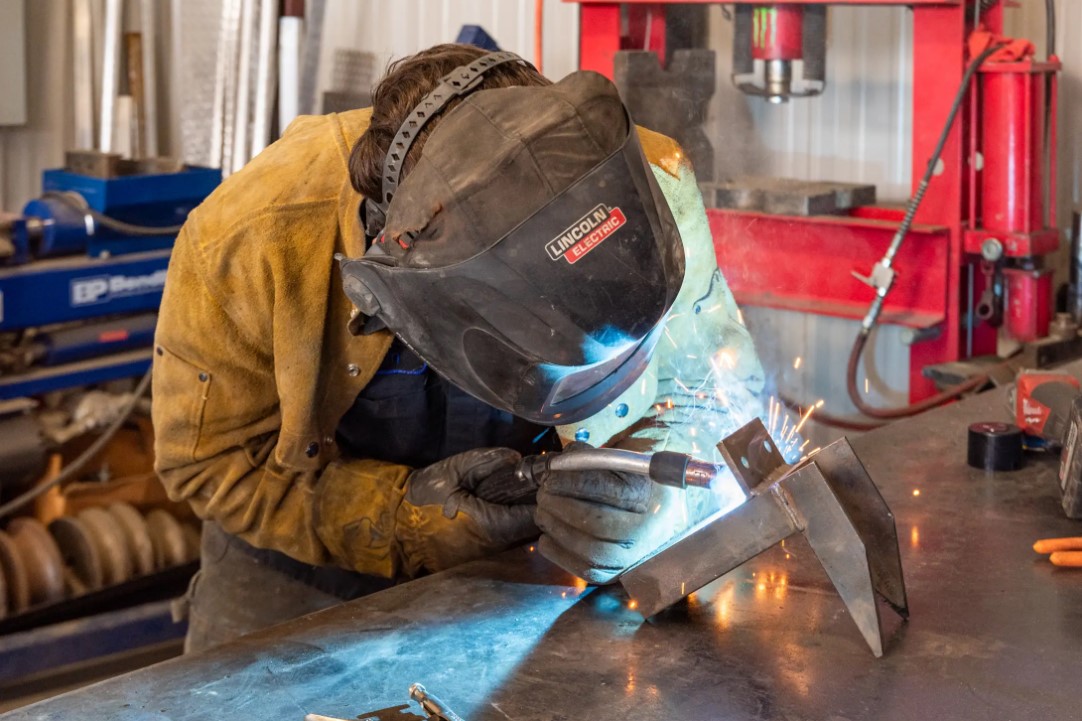
Laser measuring systems, computerized diagnostics, advanced welding procedures, and specialized straightening equipment all play a role in modern commercial truck collision repair. These tools help technicians identify damage more accurately and restore structural components with greater consistency.
That precision matters because trucks need to perform under real working stress, not just pass a quick visual inspection.
Parts Quality Influences Long-Term Reliability
Replacement parts matter just as much as labor quality. In many cases, original equipment manufacturer parts provide the best fit and performance because they are designed specifically for the truck model. Lower-cost alternatives may look acceptable at first but may not match the same standards for durability or compatibility.
The right part choice often affects more than appearance. It can influence safety system function, panel fit, corrosion resistance, and the truck’s long-term service life.
Mechanical Systems That Must Be Checked After a Collision
Body damage gets attention first because it is visible, but many of the most important repairs involve systems that are less obvious. A truck that has been in a collision needs more than cosmetic work before it is truly ready for the road.
Steering, Suspension, and Brakes
A collision can jar or damage steering components, air ride systems, leaf springs, control arms, hubs, and braking assemblies. Even if the truck remained drivable after the incident, those systems may still need inspection and adjustment.
If they are overlooked, the vehicle may return to service with reduced control, abnormal tire wear, or braking issues that become more dangerous under load.
Electrical and Safety Systems
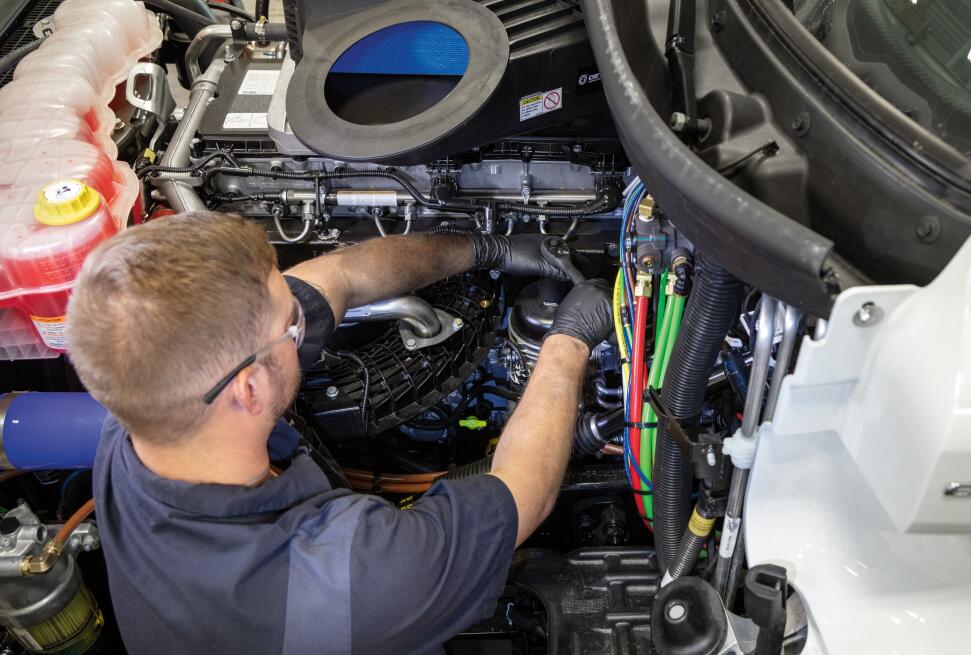
Modern commercial trucks often include advanced lighting systems, collision mitigation features, lane monitoring, cameras, and sensor-based electronics. After an impact, these systems may need recalibration, rewiring, or replacement.
Commercial truck collision repair today often includes both mechanical restoration and electronic system verification. Skipping that step can leave the vehicle less safe and less compliant than the operator assumes.
Insurance and Claim Coordination After the Crash
Insurance adds another layer to the repair process, and for many fleet managers, this is where confusion and delay often begin.
Good Communication Reduces Delays
A shop that understands commercial claims can help move the process along by providing clear estimates, supporting documentation, and regular communication with the adjuster. This helps prevent long pauses caused by missing information or disputed damage items.
For truck owners, staying organized is equally important. Photos, police reports, driver statements, inspection notes, and maintenance history may all help support the claim.
The Lowest Estimate Is Not Always the Best Outcome
Some operators feel pressure to choose the cheapest repair path in order to get the claim settled quickly. That can be a mistake if critical repairs are minimized or delayed.
A truck that returns to service with incomplete structural or mechanical restoration may cost far more later through repeat repairs, downtime, or liability exposure.
How to Reduce Future Collision Repair Costs
No fleet can eliminate all collision risk, but there are practical ways to reduce both frequency and repair severity over time.
Driver Training Still Matters
Driver behavior remains one of the biggest factors in commercial crashes. Fatigue awareness, defensive driving, weather response, speed management, and backing procedures all affect collision risk. Ongoing training can reduce incidents and support a stronger safety culture.
Preventive Maintenance Helps Before and After Accidents
Brakes, tires, lights, steering components, and suspension systems should already be in strong condition before a crash occurs. Well-maintained trucks are generally easier to assess accurately and may avoid compounding problems caused by worn systems.
After repairs, keeping a close eye on alignment, tire wear, and post-collision performance can also help catch lingering issues early.
Why Quality Commercial Truck Collision Repair Protects More Than the Vehicle
A commercial truck is a working asset. When it is damaged, the goal is not simply to make it look presentable again. The goal is to restore structural integrity, confirm mechanical reliability, protect the driver, and return the unit to service with confidence.
That is why commercial truck collision repair deserves careful attention. It affects uptime, safety, operating cost, customer commitments, and the long-term value of the truck itself. Choosing the right repair facility, insisting on a thorough assessment, and prioritizing quality over shortcuts can make a major difference in how well the truck performs after the crash.
For fleet owners and independent operators alike, the best repair outcome is one that supports both immediate recovery and long-term reliability. In heavy-duty trucking, that is what true repair quality looks like.