

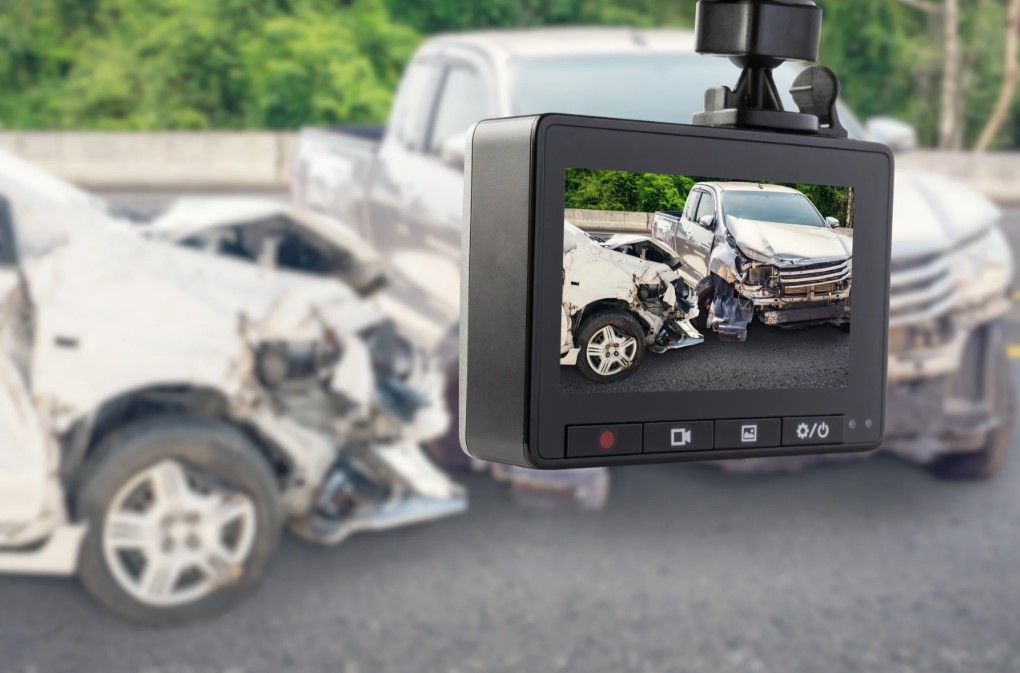
Dashcam footage provides an objective record of what happened on the road. After a collision, drivers often recall events differently due to stress, shock, or confusion. Video removes much of that uncertainty by showing lane positions, traffic signals, speed changes, and driver behavior leading up to impact.
Insurance companies rely heavily on evidence when determining fault. A clear recording can speed up claims processing and reduce disputes. Law enforcement may also use footage to support accident reports, especially when witnesses disagree.
Dashcam video helps in situations where blame is unclear, such as intersection accidents or sudden lane changes. It can also protect drivers from false claims or exaggerated damage reports.
In many cases, having footage shifts discussions from opinion to fact, which often leads to faster and fairer resolutions.
Using Dashcam Evidence When Legal Support Is Needed
In more serious accidents, dashcam footage often becomes part of a legal case. Attorneys frequently rely on video evidence to establish fault, challenge inaccurate statements, or demonstrate negligence. Clear recording can show unsafe driving behaviors like speeding, failure to yield, or distracted driving.
When injuries are involved, legal guidance becomes even more important. Drivers seeking advice from Henderson NC car accident lawyers often find that dashcam footage strengthens their case by providing a reliable timeline of events. Video can support medical claims, clarify how the crash occurred, and reduce reliance on conflicting witness accounts. You can learn more through this resource on Henderson NC car accident lawyers.
Legal teams also use footage to counter insurance tactics that aim to minimize payouts. Video evidence can confirm the severity of impact and the circumstances leading to the collision, which can directly affect compensation discussions.
What Dashcam Footage Can Clearly Show
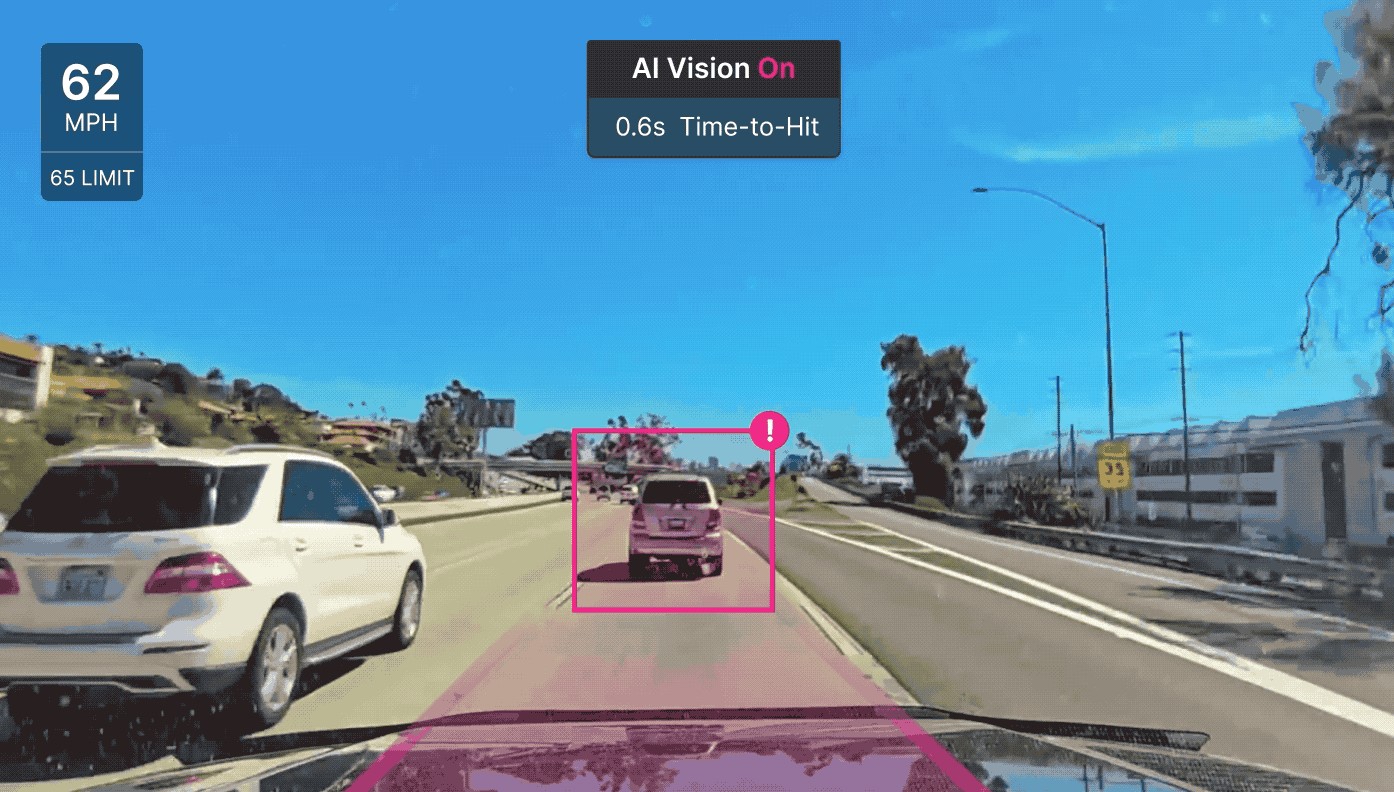
Dashcam recordings capture far more than the moment of impact. Most devices record continuously, offering context before and after a crash. That context often proves just as important as the collision itself.
Dashcam video recording can reveal
- Traffic light status and stop sign compliance
- Vehicle positioning and lane usage
- Speed changes before braking or impact
- Weather and road conditions
- Sudden maneuvers by other drivers
Footage may also include audio, which can capture horn use or surrounding traffic noise. Time and date stamps further strengthen credibility. Together, these elements help reconstruct the incident accurately. Insurance adjusters and legal professionals often review footage frame by frame to identify details that are easy to miss in written statements or photos.
What Dashcam Recording Usually Cannot Prove
While dashcams are powerful tools, they have limitations. Video does not always capture every angle or factor involved in a crash. A single front facing camera may miss side impacts or rear collisions unless multiple cameras are installed.
Dashcam footage usually cannot show
- Internal driver behavior, like fatigue or impairment
- Mechanical issues inside vehicles
- Exact vehicle speeds unless GPS data is included
- Pain levels or injury severity
Low light conditions, glare, or poor camera placement can also reduce clarity. Understanding these limits helps set realistic expectations. Video supports a case, but it often works best when combined with police reports, medical records, and professional evaluations.
How To Save Dashcam Footage Immediately After A Crash
Saving dashcam footage correctly is critical. Many dashcams overwrite old files automatically, sometimes within hours or days. Acting quickly prevents accidental loss.
After a crash, drivers should safely stop recording and secure the file. Most dashcams include an emergency lock feature that protects clips from deletion. If possible, manually activate this function right after the incident.
Key steps include
- Powering off the dashcam once the footage is secured
- Removing the memory card carefully
- Copying files to multiple devices
- Avoid editing or altering the original file
Keeping the original, unedited version preserves credibility. Edited or trimmed videos can raise questions about authenticity.
Best Storage Options For Dashcam Video
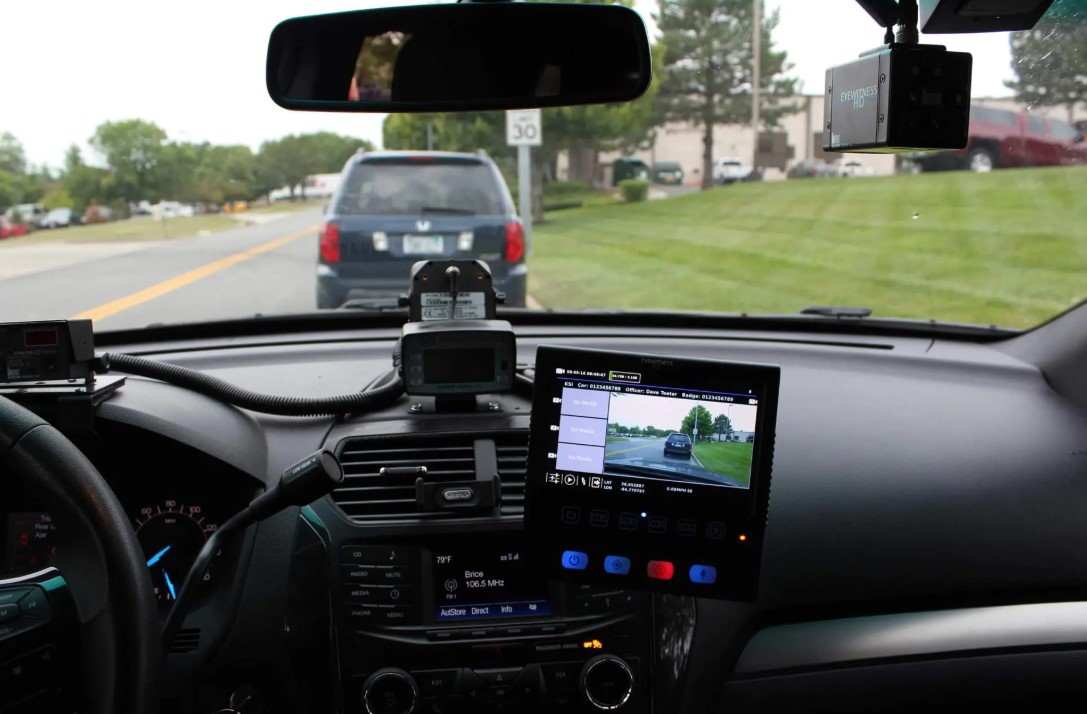
Long term storage matters as much as immediate saving. Dashcam footage should be stored securely and redundantly to prevent loss or corruption.
Common storage options include
- External hard drives for offline backups
- Cloud storage services with encryption
- USB drives kept in secure locations
Each option has advantages. Cloud storage offers easy sharing with insurers or attorneys, while offline backups reduce hacking risks. Using more than one storage method provides added protection. File names should include date and time details to keep records organized and easy to retrieve.
When And How To Share Dashcam Footage
While it may feel natural to show a video immediately, doing so without guidance can sometimes cause complications.
Dashcam footage is typically shared with
- Insurance companies during claims
- Law enforcement, if requested
- Legal representatives handling the case
Avoid posting footage publicly on social media, especially before claims or cases conclude. Public sharing can lead to misinterpretation, unwanted attention, or use against your interests. Provide copies rather than originals and document when and to whom files were sent.
Dashcam Footage And Insurance Claims Explained
Insurance companies value dashcam footage because it simplifies fault determination. Video reduces reliance on verbal statements and speeds up investigations.
Here is how dashcam footage impacts claims
| Claim Aspect | With Dashcam Footage | Without Dashcam Footage |
| Fault determination | Faster and clearer | Often disputed |
| Claim resolution time | Shorter | Longer |
| Fraud risk | Lower | Higher |
| Settlement confidence | Stronger | Weaker |
Footage can also discourage low settlement offers. When insurers see clear evidence, negotiations often become more straightforward. Drivers with dashcam proof tend to experience fewer delays and less back-and-forth communication.
Legal And Privacy Considerations
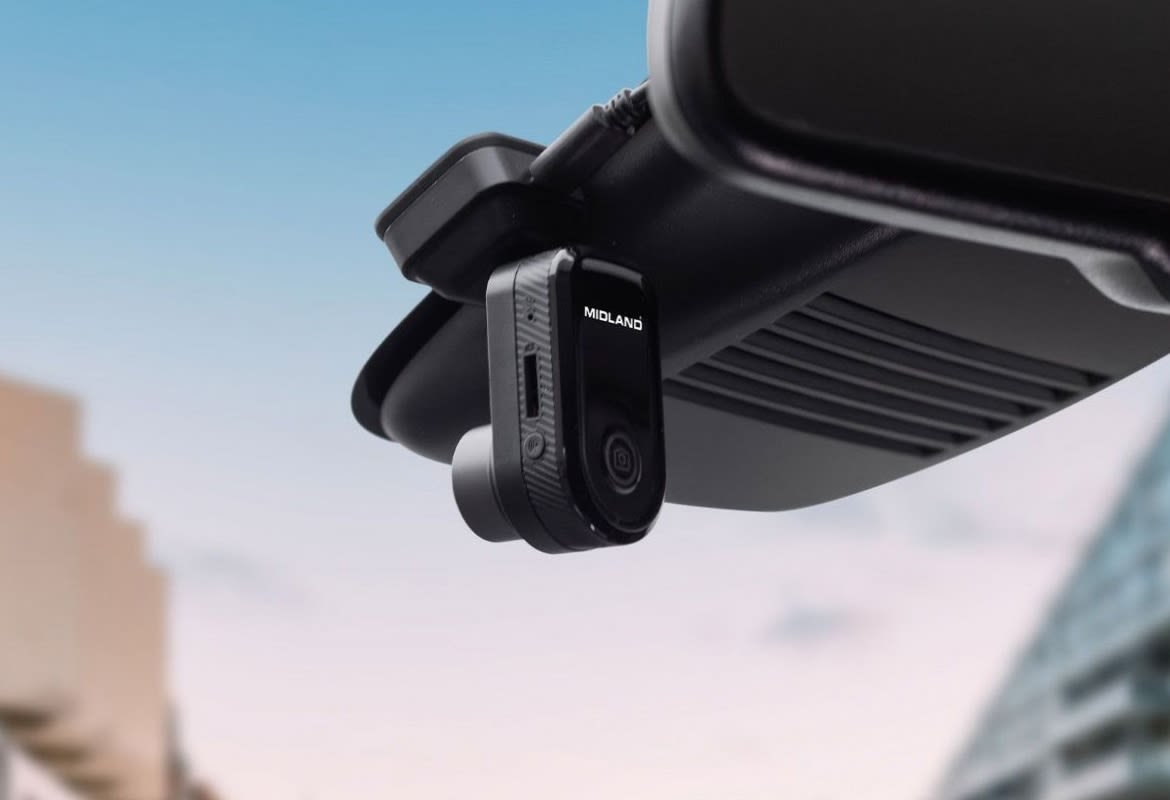
Dashcam use comes with legal responsibilities. Laws vary by location regarding audio recording, camera placement, and data sharing. Some regions restrict audio recording without consent, while others regulate windshield obstruction.
Drivers should ensure
- Dashcams do not block vision
- Audio recording complies with local laws
- Footage is shared responsibly
Using dashcam footage legally protects its admissibility. Improper recording methods can lead to evidence being challenged or excluded. Staying informed about local regulations helps avoid unintended problems after a crash.
Many modern dashcams include G sensors that automatically lock footage when sudden movement is detected. This feature helps preserve critical moments even if the driver is unable to react immediately after a collision. Some advanced models also include GPS data that adds speed and location context to recordings, further strengthening their value.
Conclusion
Dashcam footage after a crash can protect drivers, clarify events, and support fair outcomes. Video evidence reduces uncertainty, strengthens insurance claims, and provides valuable support during legal proceedings.
Knowing how to save footage properly and store it securely ensures it remains useful when needed most.
Used responsibly, dashcams offer more than convenience. They provide clarity when it matters most and help drivers navigate stressful situations with confidence.