

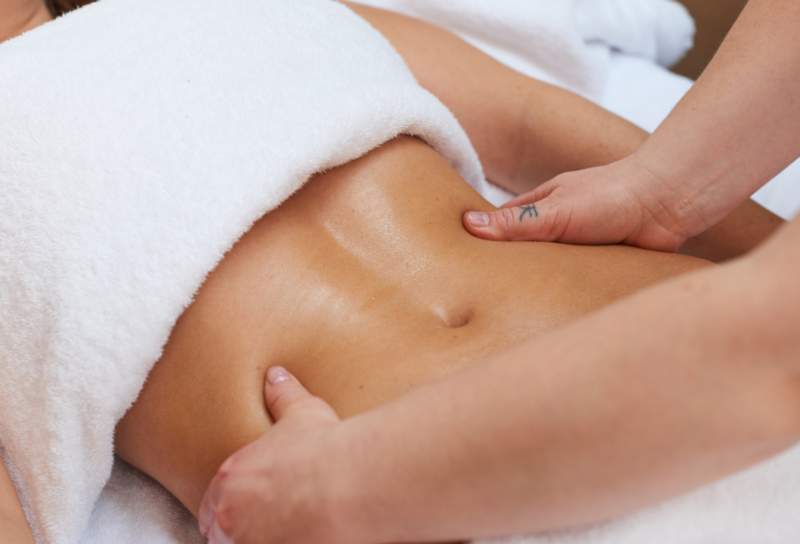
Lymphatic massage, also known as lymphatic drainage, is a gentle technique designed to stimulate the lymphatic system. By encouraging fluid movement beneath the skin, it supports circulation, reduces swelling, and promotes overall balance. Often recommended for lymphedema and post-surgical recovery, this therapy has gained popularity in wellness and holistic care settings worldwide.
Unlike deep tissue or sports massage, lymphatic massage focuses on light pressure and slow, rhythmic movements. Its growing visibility in medical recovery programs, wellness clinics, and luxury retreats has sparked a common question: does lymphatic massage actually work, or is its reputation mostly driven by anecdotal results and wellness trends?
Quick Overview: Pros and Cons of Lymphatic Massage
| Pros | Cons |
| Encourages lymph flow and reduces fluid buildup | Not suitable for certain medical conditions |
| May support immune function and waste removal | Effects can be subtle or short-term |
| Gentle, non-invasive, and deeply relaxing | Limited long-term scientific evidence |
| Can improve comfort after surgery or injury | Mild side effects may occur |
| Often complements medical treatments well | Requires a trained and experienced practitioner |
This balance of potential benefits and limitations is key to understanding where lymphatic massage fits within both medical recovery and general wellness routines.
How Does It Work?
The lymphatic system plays a vital role in immune health and waste removal. It transports lymph fluid, which contains white blood cells, proteins, and waste products, through a network of vessels and lymph nodes. Unlike the circulatory system, the lymphatic system does not have a central pump like the heart. Instead, it relies on muscle movement, breathing, and manual stimulation to keep fluids moving efficiently.
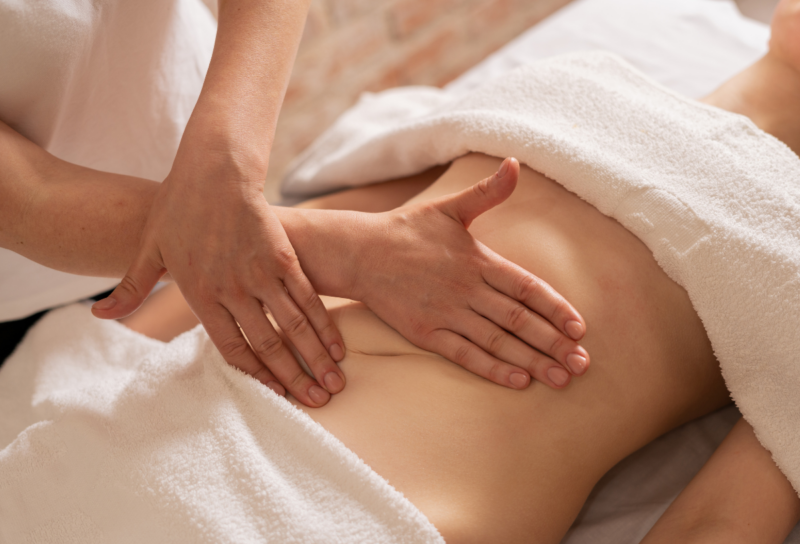
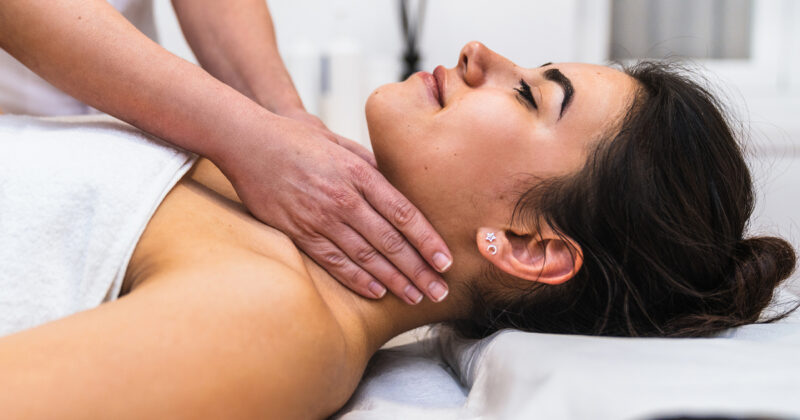
Lymphatic massage uses light, rhythmic strokes to guide fluid toward lymph nodes, where it can be filtered and drained. Techniques such as Vodder and Földi focus on areas like the neck, armpits, and groin, where lymph nodes are concentrated. By following a specific sequence, practitioners aim to reduce fluid buildup, ease discomfort, and support detoxification.
Because the pressure is intentionally light, the technique works on superficial lymph vessels just beneath the skin, rather than deeper muscle tissue. This is why proper training is essential for effective and safe treatment.
The Benefits of Lymphatic Massage
One of the most recognized benefits of lymphatic massage is its ability to encourage lymph flow and reduce swelling, particularly in people dealing with fluid retention, lymphedema, or post-surgical inflammation. By manually guiding lymph fluid toward functioning lymph nodes, the technique can help relieve pressure and discomfort in affected areas.
Another advantage is its supportive role in immune function. Since the lymphatic system is responsible for filtering waste and transporting immune cells, improved lymph flow may help the body manage inflammation and recover more efficiently. While this does not replace medical treatment, it can complement broader health strategies.
The massage is also deeply relaxing, thanks to its slow, repetitive movements and non-invasive nature. Many individuals report reduced stress, improved sleep, and a general sense of calm following sessions. For those recovering from surgery or managing chronic conditions, this gentle approach can provide both physical relief and mental comfort.
Additionally, lymphatic massage may improve circulation and mobility in areas affected by swelling or stiffness. When performed by a trained therapist, it can support recovery without placing strain on sensitive tissues.
The Cons and Limitations of Lymphatic Massage
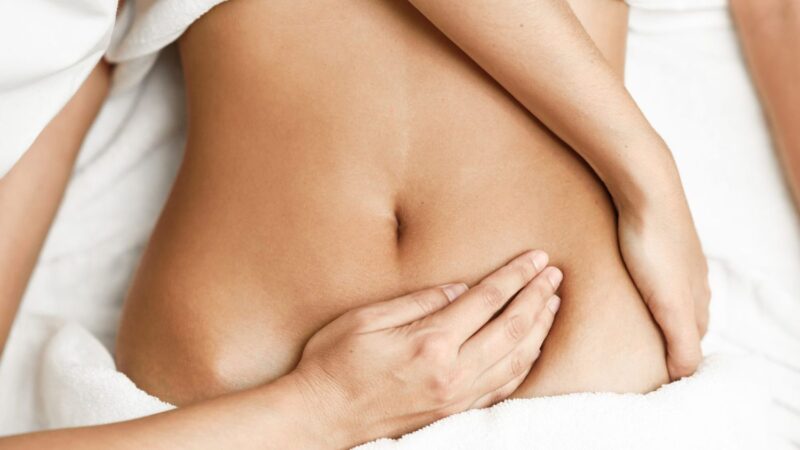
Despite its benefits, lymphatic massage is not appropriate for everyone. Individuals with heart disease, kidney failure, active infections, blood clots, or certain cancers should avoid this therapy unless cleared by a healthcare professional. In these cases, stimulating lymph flow could worsen symptoms or create complications.
Some people experience mild side effects, such as headaches, nausea, fatigue, or temporary discomfort after a session. These reactions are often linked to fluid shifts in the body and usually resolve within a short period, but they can be unsettling for first-time clients.
Another limitation is that results vary widely. While some individuals notice immediate reductions in swelling or discomfort, others experience only subtle or short-lived improvements. This variability makes it difficult to guarantee outcomes, particularly for wellness-focused use rather than medical recovery.
Scientific Evidence
Studies and observations from wellness and movement-based practices Flex n Flow suggest that lymphatic drainage massage may help reduce conditions like rheumatoid arthritis and chronic venous insufficiency. According to information shared on their site, these benefits are associated with improved circulation and reduced pain or swelling through structured lymphatic techniques.
However, additional clinical trials are needed to confirm long-term effectiveness and establish standardized guidelines. Until more evidence is available, this massage should be considered a complementary approach rather than a primary treatment, best used alongside medical guidance and individualized care plans to ensure patient’s safety and their needs.
Customer Experiences
Many clients describe lymphatic massage as a soothing and restorative therapy. Reports often highlight reduced swelling, faster recovery after surgery, and a greater sense of comfort in daily life. Others emphasize the relaxation benefits, noting how the gentle, rhythmic strokes help ease tension and promote overall well-being.
Some individuals appreciate how sessions are customized, focusing on specific problem areas rather than the entire body. These experiences underline the importance of working with qualified practitioners who tailor each session to individual needs, ensuring both safety and effectiveness.
Potential Side Effects and Safety Considerations
Temporary discomfort, headaches, or nausea can occur after treatment, especially during the first few sessions. These effects are generally mild and short-lived. More serious risks arise if massage is performed on individuals with infections, blood clots, or certain cancers.
This is why consultation with a healthcare professional before beginning therapy is essential, particularly for those with underlying medical conditions or recent surgeries.
Comparison to Other Treatments
Lymphatic massage is gentle and non-invasive compared to alternatives like medication, surgery, or compression devices. Medications may carry systemic side effects, and surgery involves higher risk and longer recovery times. Massage, by contrast, offers a low-risk option when appropriately used.
Compression garments remain a common complementary therapy, especially for lymphedema management. In many cases, the most effective approach combines compression, movement, and lymphatic massage under medical supervision.
When to Consider Lymphatic Massage
This therapy is often chosen for:
- Post-surgical recovery and swelling management
Lymphatic massage is commonly used after medical or cosmetic procedures to help reduce fluid buildup, ease tightness, and support a more comfortable healing process when approved by a healthcare provider. - Chronic inflammation or lymphedema care
Individuals managing ongoing swelling may use lymphatic massage as part of a broader care plan, often alongside compression, movement, and medical supervision to improve daily comfort. - Wellness routines in holistic destinations like Bali
Many wellness clinics integrate lymphatic massage into recovery and relaxation programs, combining it with practices such as yoga, breathwork, and stress reduction.
In places such as Uluwatu, the calm surroundings and slower pace enhance the restorative nature of lymphatic massage, making it both a therapeutic option and a rejuvenating wellness experience.
Lymphatic Massage for Wellness and Recovery
Beyond medical applications, lymphatic massage is increasingly embraced in wellness tourism. In Bali, luxury spas and wellness retreats offer lymphatic drainage as part of detox programs, often combining it with yoga, meditation, breathwork, and nutrition plans.
This holistic approach appeals to travelers seeking stress relief, improved energy levels, and a sense of physical lightness. While these programs emphasize relaxation and balance rather than clinical treatment, many participants report feeling refreshed and more connected to their overall well-being.
Frequently Asked Questions (FAQs)
Can lymphatic massage help with cellulite appearance?
While it does not eliminate cellulite, lymphatic massage may temporarily improve skin appearance by reducing fluid retention and puffiness.
Is lymphatic massage safe during pregnancy?
In some cases, specialized prenatal lymphatic massage may be appropriate, but it should only be performed by a therapist trained in prenatal care and approved by a healthcare provider.
Do I need to prepare before a lymphatic massage session?
Light hydration, comfortable clothing, and avoiding heavy meals beforehand can help improve comfort during the session.
Can lymphatic massage be combined with other massage techniques?
Yes. It is often paired with gentle relaxation or therapeutic massage, but deep tissue work is usually avoided in the same session.
Is lymphatic massage suitable for long-term maintenance?
For some individuals, especially those managing chronic swelling, periodic maintenance sessions can help maintain comfort when combined with medical care and lifestyle adjustments.
Final Thoughts
Lymphatic massage offers potential benefits for swelling reduction, immune support, and relaxation, but it is not a cure-all. Effectiveness varies, and professional guidance is essential to ensure safety. For those seeking recovery, wellness, or holistic care, especially in destinations like Bali, lymphatic drainage can be a valuable addition to a broader health routine.
By balancing its pros and cons, understanding scientific evidence, and consulting qualified practitioners, individuals can make informed decisions about whether lymphatic massage fits their needs.