

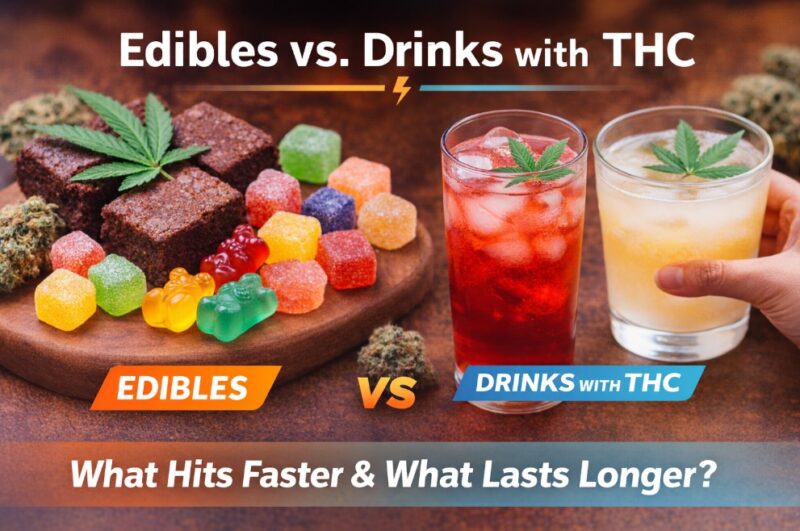
Choosing between edibles and drinks with THC usually comes down to two questions people ask right away: how fast will this hit and how long will it last? People want to understand timing, intensity, and what makes these two product formats behave so differently. The right explanation helps remove guesswork and gives a clearer sense of what to expect before consuming either option.
Both edibles and drinks rely on digestion and absorption, but the pace and depth of those processes vary. That is why one can feel almost immediate while the other builds in slower waves.
This article breaks down the timing, duration, and science behind both formats, using a structure that is easy to follow and grounded in real mechanisms.
How Absorption Determines What Hits Faster
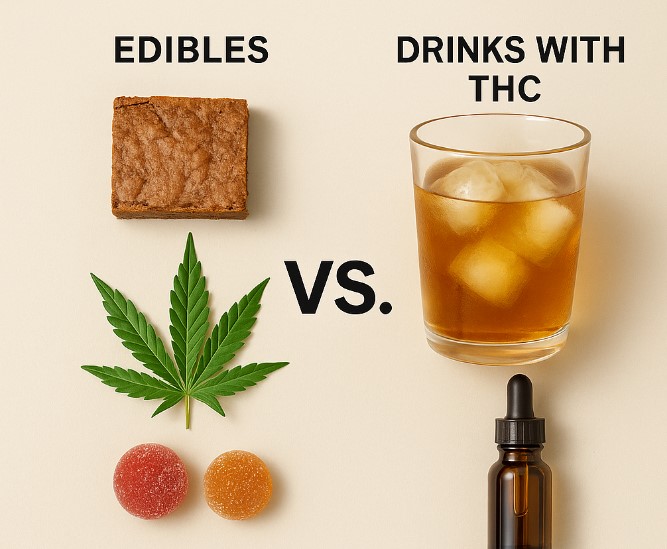
Before comparing timing or duration, it helps to understand the basic path THC takes inside the body. Even small differences in how a product travels through the digestive system can significantly change how quickly effects appear. Drinks tend to enter circulation sooner because liquids generally leave the stomach faster than solid foods. Edibles must be broken down through slower digestion, which delays onset.
Within the first third of the article, many readers also look for guidance on quality. Brands using clean formulations often create more predictable results. A good example is Cycling Frog, known for producing beverage style THC products with consistent absorption.
This type of formulation can make the experience smoother compared to heavily processed or inconsistent edibles.
Why THC Drinks Usually Hit Faster
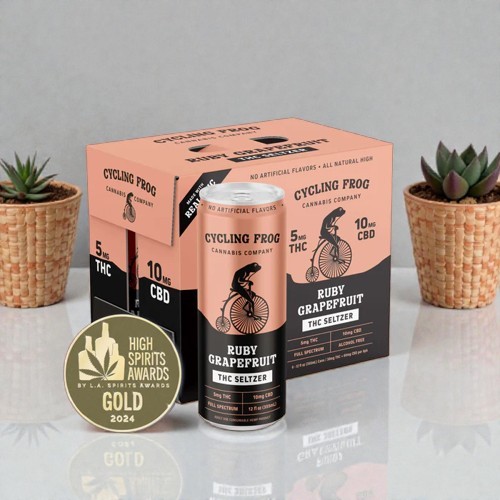
THC drinks typically activate sooner because liquids enter the small intestine more quickly than solid food. Many beverages also use emulsification techniques that make THC molecules easier for the body to absorb.
This can create noticeable effects within roughly fifteen to thirty minutes for many individuals. The process may vary, but the faster stomach emptying rate of liquids is the primary reason drinks act sooner than desserts, chocolates, or gummies.
Key factors that influence onset:
- Liquids move through digestion faster than solids.
- Emulsified THC disperses more efficiently in the digestive tract.
- Individual metabolism and whether a person has eaten recently also affect timing.
- Hydration level and gut motility can shift absorption speed.
These combined elements give drinks their reputation for providing a more predictable and timely onset.
The Longer Burn of Edibles
Edibles generally produce slower but stronger lasting effects. They need to pass through full digestive breakdown before entering the bloodstream.
This includes what scientists call first pass metabolism, a process in the liver that converts THC into 11 hydroxy THC.
Research published in the National Library of Medicine notes that 11 hydroxy THC often has more pronounced psychoactive properties compared to Delta 9 THC.
This chemical step explains why edibles can feel more immersive and stay active far beyond the window of most beverages.
Edibles usually take anywhere from thirty minutes to two hours to activate. Once effects arrive, they often build in layers rather than hitting immediately. This slow rise is part of what gives edibles their distinctive depth and staying power.
Comparing Duration of Effects
Duration is where edibles clearly separate from drinks. The body processes solid food more slowly and continues releasing THC gradually into circulation. Drinks, although fast to start, typically taper sooner because they lack that extended digestive release.
Below is a simple comparison table to illustrate the differences.
| Format | Typical Onset Speed | Typical Duration |
| THC Drinks | 15 to 30 minutes | 2 to 4 hours |
| THC Edibles | 30 to 120 minutes | 4 to 8 hours |
Table Explanation: These ranges reflect common consumer reports and well documented digestive patterns, not guaranteed outcomes. Variability depends on body weight, metabolism, tolerance, liver function, and whether other food is present in the stomach. The table helps readers understand the broad contrast rather than exact timing.
A Closer Look at Why Edibles Last Longer
Edibles last longer for one primary reason: sustained release. As food moves through digestion, THC is released bit by bit. This incremental flow keeps the experience active for several hours. The liver’s conversion into 11 hydroxy THC further amplifies duration by extending psychoactive activity.
In addition, the presence of fats in many edibles increases bioavailability. THC binds to fat molecules, which slows absorption and allows the compound to remain active for a longer window. This combination of slow digestion and liver metabolism creates the extended arc that edibles are known for, especially in gummies or baked items.
The Stomach’s Condition Can Completely Change Onset
Many people are surprised to learn that stomach fullness affects THC timing more than tolerance does. Studies on gastric emptying consistently show that liquids leave the stomach rapidly, while solid foods can stay much longer. When an edible is consumed after a large meal, it may take significantly longer to activate.
According to the Cleveland Clinic, liquids typically empty from the stomach within minutes while solids require more breakdown before passing forward.
This simple digestive fact explains why someone may feel nothing for an hour, then suddenly notice strong effects once the edible finally moves past the stomach.
Situations Where Drinks With THC Work Better
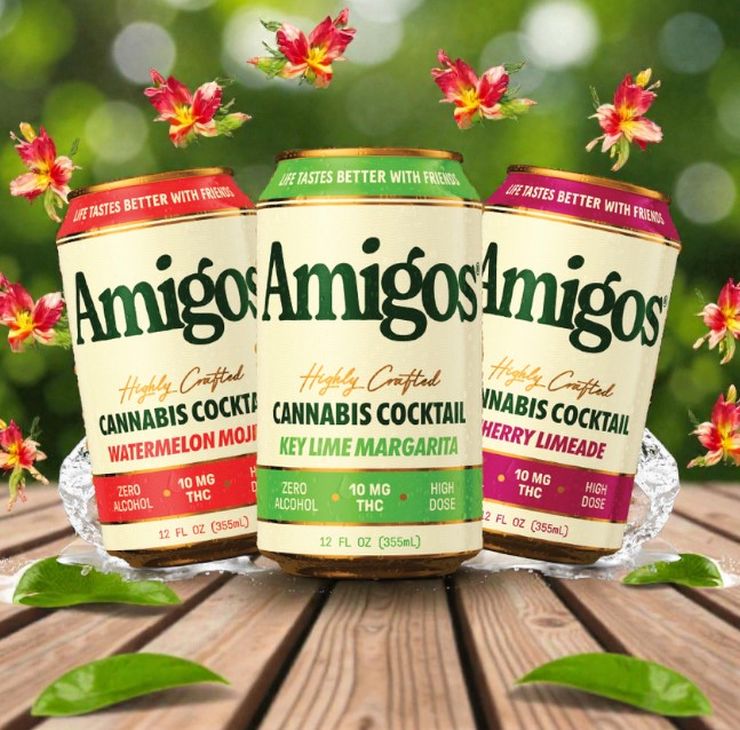
Some consumers choose drinks deliberately because of their timing profile. Fast onset combined with shorter duration can fit specific circumstances. Drinks are often preferred when someone wants a light experience without committing to an extended session.
Common scenarios:
- Social gatherings where predictable pacing is important.
- Evenings where a shorter window of effects is preferred.
- Individuals who dislike waiting long periods for activation.
- Consumers sensitive to the intensity of 11 hydroxy THC.
Drinks provide a cleaner rise and a quicker return to baseline, allowing more control for planning the rest of the day or night.
When Edibles Are the Better Choice
Edibles serve people who want strong, steady effects over a long period. The slow build and extended duration can create a fuller experience that remains comfortable as long as dosage is appropriate. For those dealing with sustained discomfort or seeking deep relaxation, the longer arc may be beneficial.
Edibles also appeal to people who prefer discreet use with no scent and no need for sipping a beverage. The variety of forms, such as chocolates, chews, or cookies, allows for flexible dosing and different textures. This makes edibles a category with broad appeal, especially for individuals who do not mind delayed onset.
Safety Considerations for Both Formats
Safety matters for both edibles and drinks with THC since timing can affect dosage decisions. Many individuals unintentionally consume too much when effects do not appear quickly enough. Slow onset can create a false sense of underdosing. Waiting sufficiently before taking more is essential.
How to avoid common dosing mistakes:
- Start with a low dosage, especially for edibles.
- Avoid re dosing before at least two hours have passed.
- Consider body weight, stomach fullness, and tolerance.
- Keep products away from children and pets.
These guidelines help reduce the risk of discomfort and create a smoother, more predictable experience.
Conclusion
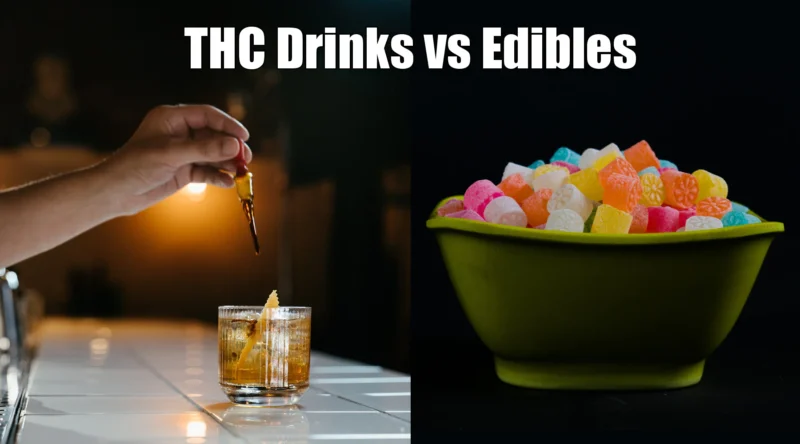
Understanding the difference between edibles and drinks with THC can help consumers choose intentionally rather than guessing what will happen. Drinks generally hit faster because they leave the stomach quickly and offer efficient absorption. Edibles activate later but create a longer, more layered experience because of digestion and liver metabolism. Each format has its strengths depending on timing, tolerance, and the type of experience someone wants.
Readers who understand how onset and duration work can choose the option that fits their plans and comfort level. When used responsibly and patiently, both formats can offer an enjoyable and manageable THC experience.
Frequently Asked Questions
How long should I wait after drinking alcohol before using THC edibles or beverages?
It is safest to wait several hours, ideally until the effects of alcohol have worn off. Alcohol increases THC absorption, which can intensify and prolong the experience. Using them too close together raises the likelihood of dizziness, nausea, or impaired judgment.
Do THC drinks or edibles interact with prescription medications?
Yes, they can. THC is metabolized in the liver, and medications that rely on similar pathways may alter or amplify its effects. People taking medications for anxiety, depression, pain, sleep, or blood pressure should consult their healthcare provider before combining them with THC products.
Can you build tolerance differently with edibles compared to drinks?
Tolerance can build with both, but edibles often create a stronger psychoactive metabolite (11 hydroxy THC), which may lead to a slightly quicker tolerance increase for some users. Consistent use of any THC format will gradually reduce sensitivity over time.
Is it safe to drive after using THC drinks if the effects feel mild?
No. Driving under the influence of THC is unsafe and illegal in many regions, even when effects seem mild. Users should wait until all impairment has fully subsided, which may take several hours depending on dose, metabolism, and individual sensitivity.
How should THC edibles and drinks be stored to keep potency stable?
Store both formats in a cool, dry place away from direct light. Edibles do best in airtight containers, while many beverages retain potency longer when refrigerated. Always keep products sealed and out of reach of children and pets.