

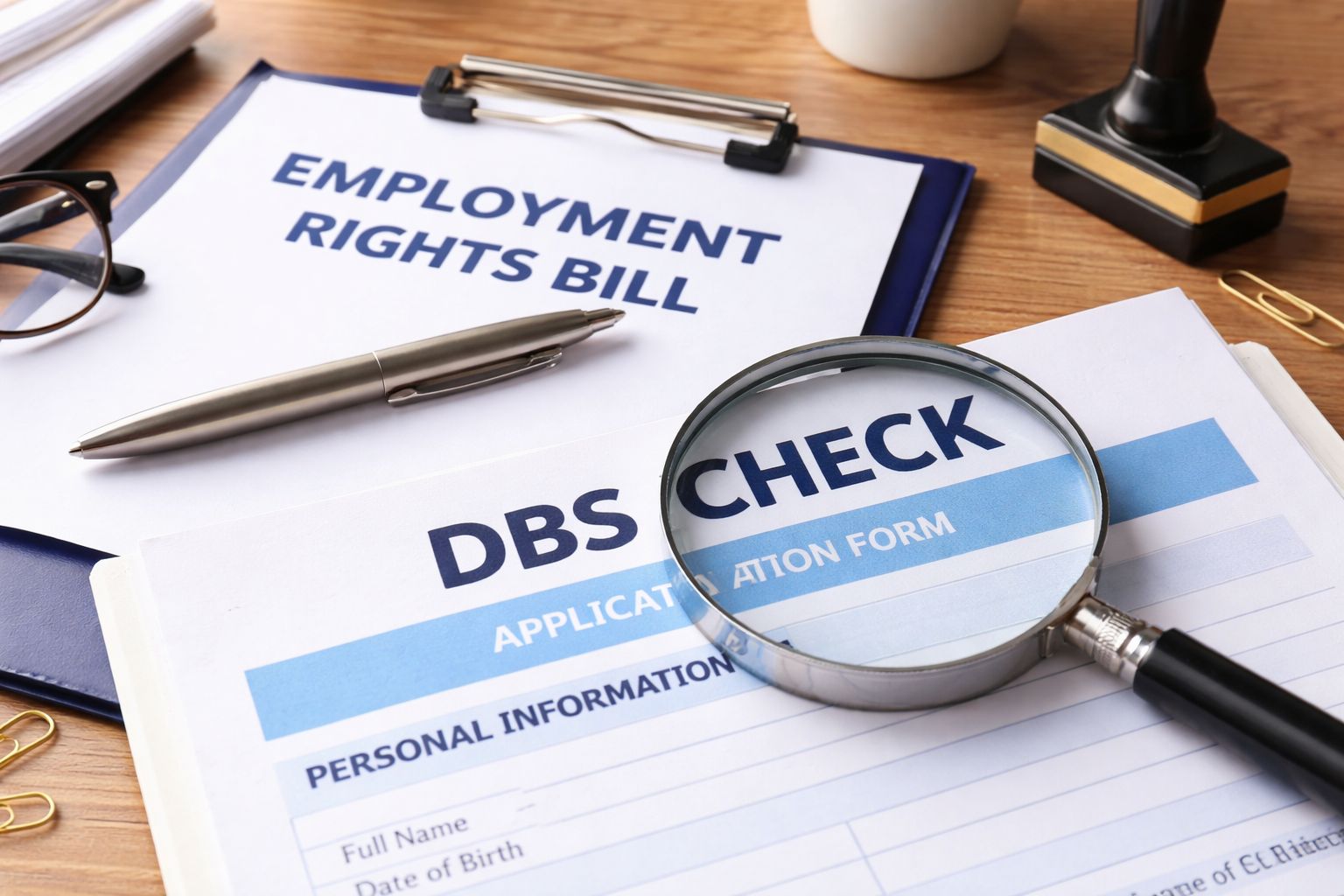
The laws and regulations that govern how employment processes must be carried out are subject to ongoing change. A recent set of changes are those contained in the Employment Rights Bill, an effort by the current Labour government to strengthen workers’ rights.
One area in particular that the Bill is set to affect is how DBS checks are carried out. Here, we focus on those changes in particular, looking at how they’ll change who can access enhanced checks and the protections afforded to rehabilitated offenders.
What are DBS checks?

First, a quick introduction to DBS checks. The DBS check is the main criminal background check in the UK, processed by the Disclosure and Barring Service (DBS), a non-departmental government body.
The DBS system replaced both the Criminal Records Bureau and the Independent Safeguarding Authority in 2012. Since then, a number of changes to the system have been made, with several important alterations being introduced in early 2026 via the Employment Rights Bill.
Self-employed access to enhanced checks
Until very recently, both Standard and Enhanced checks had to be applied for by an employer that was hiring for a role for which one of these checks would be required.
What this meant was that self-employed and personal employees were unable to access these checks, often making it far more complicated to work in a wide range of care and educational environments.
From the 21st January 2026, self-employed and personal employees will be able to apply for Enhanced DBS checks themselves, so long as they do so via an umbrella body such as Personnel Checks.
Why DBS eligibility rules matter
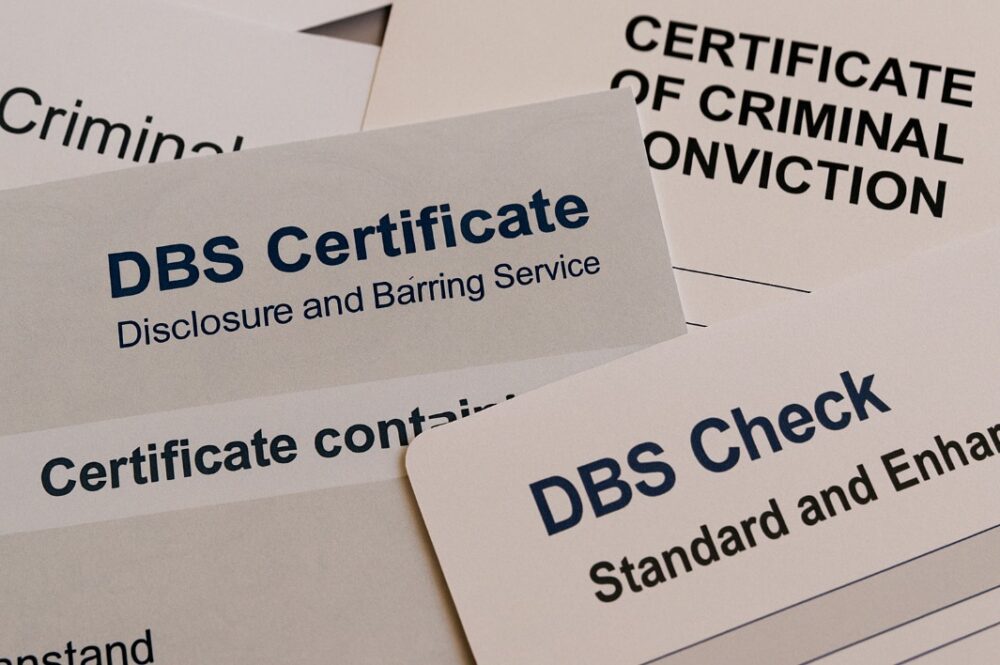
Eligibility rules for DBS checks are an important part of the system, because they determine who can legally access sensitive criminal record information. These rules are designed to balance two priorities. Employers need reliable information when recruiting for positions of trust, while individuals have the right to privacy and fair treatment.
In practice, misunderstandings about eligibility have often caused delays or rejected applications. Employers sometimes request a higher level of check than a role legally allows, while workers may not understand which checks they are entitled to obtain.
The Employment Rights Bill supports clearer access rules by expanding eligibility in certain situations, especially for self employed professionals. Greater clarity should help reduce unnecessary applications and prevent misuse of personal information.
Better understanding of eligibility requirements can help organizations:
- Avoid requesting checks that are not legally justified
- Reduce delays caused by incorrect applications
- Protect applicants’ personal data
- Maintain compliance with DBS guidance
Clearer rules benefit both sides of the employment relationship and make the system more consistent overall.
Stronger protections for rehabilitated offenders
Under the Rehabilitation of Offenders Act 1974, a range of measures were implemented to help reformed offenders to reintegrate into society. One of these was to allow a lot of convictions, warnings and reprimands to become ‘spent’ after a certain period of time, so that they wouldn’t have to be disclosed for employment purposes.
While this was the intention of the act, it was often difficult for people to access these rights. The Bill aims to increase the strength of these rights, automatically enforcing them rather than leaving it up to employees and job applicants themselves to go through the courts.
Practical steps for employers
Employers will need to adjust their procedures to reflect the changes introduced by the Employment Rights Bill. Even small mistakes in background checking procedures can create legal risks and lead to unnecessary delays in recruitment.
Organizations that regularly use DBS checks may benefit from reviewing their processes and updating internal guidance. Clear procedures help staff understand when checks are required and how to request them correctly.
Some practical steps employers may consider include:
- Reviewing job descriptions to confirm the correct DBS level is requested
- Updating recruitment policies to reflect self employed access to checks
- Training hiring managers on spent conviction rules
- Keeping records that show checks were requested lawfully
- Working with approved umbrella bodies when appropriate
Taking these steps can reduce administrative problems and support consistent hiring decisions.
What the changes mean for job applicants
The Employment Rights Bill is expected to make the DBS system easier to navigate for many applicants. Individuals who previously depended on employers to request checks will now have more control over the process.
Self employed professionals in particular may benefit from being able to present an up to date Enhanced DBS certificate when applying for contracts or placements. This can speed up hiring decisions and reduce uncertainty.
Stronger protection for spent convictions should also improve confidence among applicants with past offences. Clearer enforcement reduces the risk that irrelevant information will be considered during recruitment.
Applicants can prepare by:
- Checking whether their role requires a DBS certificate
- Confirming which level of check is appropriate
- Using approved umbrella bodies for applications
- Keeping DBS certificates up to date where necessary
Preparation makes the application process smoother and helps avoid delays.
The overarching effect
On the whole, the effect of the Employment Rights Bill should be to make the DBS check system more effective and fair to employees. By increasing the ease of access to high-level checks, and protecting reformed offenders against prejudice, these changes should make it easier for a range of professionals to find employment.
Whether you’re an employer or an employee, it’s important that you remain up to date with changes to employment law. These regulations are constantly changing, and it is your responsibility to ensure that your understanding of how these legal frameworks operate is based on the latest information available.
Especially as an employer, it’s always worth working with employment law and background check specialists, to make sure that you don’t make any easily avoidable errors along the way.