


Online gambling has experienced exponential growth over the past two decades, reshaping the entertainment landscape for millions of players worldwide. One crucial factor that has influenced this rapid development is the establishment of gaming licenses.
These licenses serve as the cornerstone of trust, security, and legal integrity in the gambling industry. As the industry has evolved, so too has the role of gaming licenses. Today, one of the more prominent jurisdictions offering online gaming licenses is Vanuatu.
Understanding how licenses like the Vanuatu gaming license shape the online gambling industry offers valuable insight into the regulations that define this sector.
The Importance of Gaming Licenses in Online Gambling
Gaming licenses are issued by governmental bodies or regulatory agencies, giving operators the legal right to offer gambling services within certain territories. These licenses serve multiple critical purposes:
- Legitimacy and Trust: A valid gaming license assures players that the gambling site is operating within the boundaries of the law. It helps in establishing a trustworthy relationship with the user base.
- Consumer Protection: By adhering to strict regulatory standards, gaming licenses ensure that online gambling platforms operate in a fair, transparent, and responsible manner.
- Taxation and Revenue Generation: Governments and regulatory bodies benefit financially from the licensing process, receiving taxes and fees from licensed operators.
How Gaming Licenses Have Evolved
The concept of online gaming licenses emerged in the late 1990s, as the internet began to facilitate the rise of online casinos. Initially, the regulation of online gambling was patchy, and many jurisdictions were hesitant to embrace the emerging industry. However, as online gambling grew in popularity, regulatory bodies in several countries started developing frameworks to license and control gambling platforms.
Over time, the standards for gaming licenses have become more sophisticated. Today, licensing bodies scrutinize operators to ensure they meet high standards for fairness, security, anti-money laundering protocols, and responsible gambling practices.
Licensing Jurisdictions: A Global Snapshot
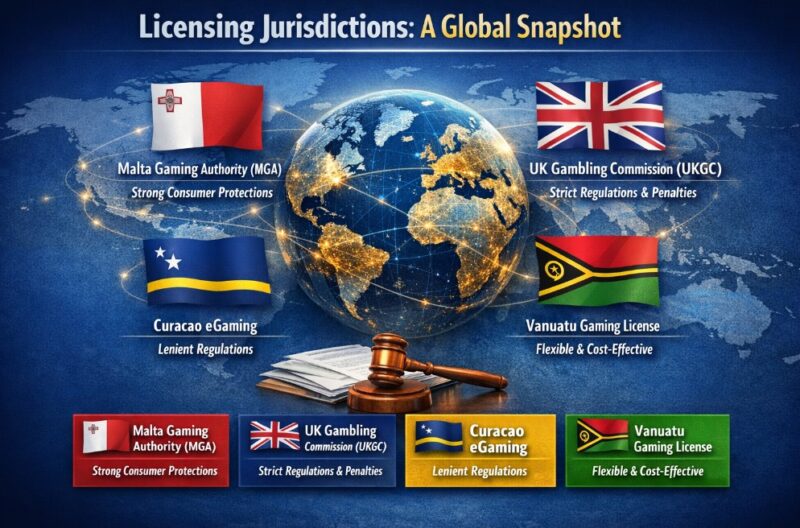
While there are numerous licensing jurisdictions available to online gambling operators, not all are created equal. The choice of licensing authority can significantly impact the reputation and operation of a gambling site. Some of the most notable licensing bodies include:
- Malta Gaming Authority (MGA): One of the most respected and well-known regulators, offering strong consumer protections and a transparent regulatory process.
- UK Gambling Commission (UKGC): Known for its strict rules and heavy penalties for non-compliance, this licensing body ensures the highest levels of player safety and fairness.
- Curacao eGaming: Often chosen by smaller operators due to its more lenient regulatory environment.
- Vanuatu Gaming License: Vanuatu is emerging as an attractive jurisdiction for operators seeking a more flexible and cost-effective licensing option.
The Vanuatu Gaming License: A Flexible Option for Operators
The Vanuatu gaming license is an increasingly popular choice for online gambling operators. Vanuatu, a small island nation in the South Pacific, has developed a regulatory framework that is favorable to gambling companies, especially those seeking lower operating costs compared to more traditional licensing jurisdictions. The Vanuatu government allows gaming operators to run online gambling platforms with relatively minimal oversight, yet it still ensures that basic compliance standards are met.
For operators, the key advantages of obtaining a Vanuatu gaming license include:
- Lower Costs: The licensing fees in Vanuatu are significantly lower than those in the UK, Malta, or Gibraltar, making it an attractive option for smaller or new operators.
- Tax Benefits: Vanuatu offers a favorable tax regime, allowing operators to retain a larger share of their profits compared to more heavily taxed jurisdictions.
- Flexible Regulations: The regulations in Vanuatu are less stringent than in other jurisdictions, providing operators with greater flexibility in their operations while still maintaining basic standards for consumer protection.
However, the leniency of the Vanuatu gaming license can also pose challenges. Operators may face scrutiny from players or partners who are more accustomed to stricter regulatory environments like those of the UKGC or MGA. This is especially true when a Vanuatu-licensed operator seeks to expand into markets where higher regulatory standards are enforced.
How Gaming Licenses Shape the Online Gambling Landscape
The evolution of gaming licenses has had a profound impact on the online gambling industry. Here’s how these licenses shape the broader landscape:
1. Market Expansion and Global Reach
Licensing plays a pivotal role in determining which regions an operator can serve. By obtaining a gaming license, operators can legally offer their services to players in specific territories. Some jurisdictions, like the UK and the European Union, offer access to a large and diverse player base, while others, such as Vanuatu, may cater to smaller or niche markets. A diverse range of licensing options allows operators to target various regions and markets, broadening their reach and customer base.
2. Safety and Fair Play
Gaming licenses help ensure that online gambling platforms adhere to specific standards of fairness and transparency. Regular audits and checks are often required, ensuring that operators provide players with fair odds, secure payment processing, and responsible gaming practices. Without such regulations, players may be subject to exploitation, and the integrity of the gambling industry as a whole would suffer.
3. Attracting High-Quality Operators
As the demand for regulated and trustworthy gambling services grows, gaming licenses attract high-quality operators who wish to demonstrate their credibility and professionalism. A licensed operator is more likely to offer safe, reliable, and engaging gaming experiences, ensuring that players are not exposed to fraudulent activities.
The Future of Gaming Licenses in Online Gambling

As the online gambling industry continues to evolve, so too will the systems and regulations surrounding gaming licenses. With the expansion of the industry into new regions and the rise of cryptocurrency and blockchain-based gambling platforms, licensing authorities will need to adapt their frameworks to address emerging challenges and technologies.
Some of the trends we can expect to see in the future include:
- Stricter Consumer Protection Measures: As governments become more concerned with online gambling’s impact on players, expect to see stricter regulations surrounding responsible gambling and consumer protection.
- Integration of New Technologies: Licensing authorities may adapt their frameworks to include new technologies like blockchain, ensuring that they continue to uphold transparency and fairness.
- Regional Expansion: New jurisdictions may introduce gaming licenses to attract operators, leading to more diverse and competitive regulatory environments.
Conclusion
Gaming licenses are an essential component of the online gambling industry, providing a foundation of trust, safety, and legal legitimacy for operators and players alike. As the industry grows and adapts, jurisdictions like Vanuatu continue to offer alternatives to traditional licensing bodies, providing operators with flexibility and cost-efficiency. However, with greater choice comes the need for careful consideration—operators must weigh the advantages of different licensing authorities to ensure they maintain compliance and protect their players. As we look toward the future, the role of gaming licenses will remain pivotal in shaping the next phase of online gambling’s evolution.