

Did you know that nearly 70% of digital products fail not because of ideas, but because of poor execution?
That is often a result of hiring the wrong developer or team. If you are planning to build a custom web application, choosing the right full-stack web developer is one of the most important decisions you will make.
The right person can transform your concept into something scalable, stable, and genuinely useful. The wrong one can leave you with technical debt, wasted budget, and frustration.
So let’s slow down, look at what really matters, and how to choose someone who can actually deliver.
What Full-Stack Really Means Today
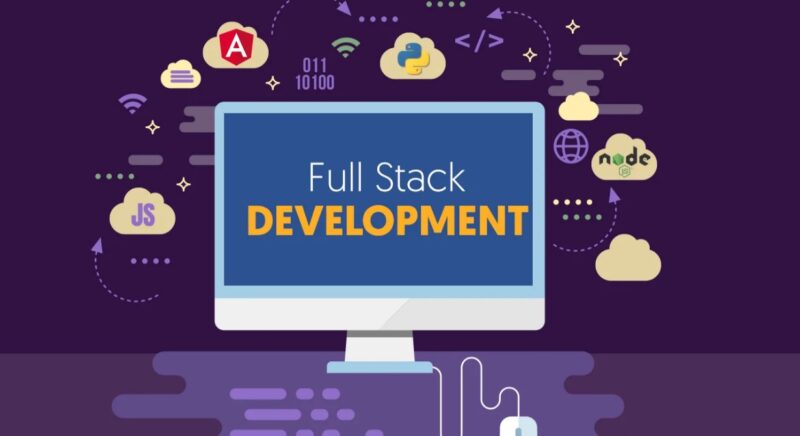
Before choosing a full-stack developer, it is worth understanding what that term truly means today. Full-stack used to simply imply knowledge of both front-end and back-end development. Now it includes architecture, integrations, performance, user experience thinking, and sometimes even DevOps. You are not only hiring a coder, you are trusting someone with the foundation of your digital product.
A good full-stack developer should comfortably handle:
• Client-side development (UI, UX logic, responsive design)
• Server logic, APIs, databases, and security considerations
• Scalability planning and long-term maintainability
• Communication with designers, stakeholders, and non-technical people
When those pieces align, you are dealing with someone capable of building something meaningful, not just functional.
Evaluating Real-World Experience
When choosing a developer, focus less on buzzwords and more on evidence of real projects. Anyone can list technologies. Far fewer can show how these technologies solved real problems. Browse portfolios, ask questions, and look deeper into variety: enterprise projects, SaaS platforms, dashboards, marketplaces, or systems with complex workflows. This shows range and maturity.
A great example of a professional who clearly demonstrates this level of experience is Omar Al Khatib, whose work reflects both technical reliability and thoughtful product insight. That kind of presence builds trust because you can see the thinking behind solutions, not just the code itself. When evaluating any developer, search for that blend of practicality and clarity in how they present their past work.

Look Beyond Code And Check Product Thinking
A full-stack web developer for custom applications should not just think in lines of code. They should think in user flows, behavior, and value. When talking to a candidate, pay attention to the questions they ask you. Do they only ask what tech stack you want, or do they ask about goals, users, and scalability vision? That distinction matters.
A technically skilled developer builds what you ask for. A great full-stack developer builds what you truly need, even when those two things are not identical.
When someone understands business context, they make smarter architectural decisions, prevent unnecessary complexity, and save you money in the long run. That is the developer you want.
Technical Competence Still Matters, But Verify It Smartly
Of course, you still need someone technically strong. But instead of obsessing over testing them with brain-twister coding riddles, evaluate how they apply technology in real scenarios. Review real repositories, observe documentation quality, consistency, and clarity.
Here is a simple way to think about assessing competence:
| What To Check | Why It Matters |
| Clean, readable code | Easier upgrades and teamwork |
| Clear documentation | Faster onboarding and maintenance |
| Use of modern frameworks | Better performance and future support |
| Proof of scalable structure | Prevents rebuilds later |
Short interviews that explore real examples will usually tell you more than any artificial coding challenge ever could.
Communication Style Can Make Or Break The Project
Many project failures start not in code, but in misunderstandings. A truly capable full-stack developer should communicate clearly, structure thoughts logically, and explain technical matters in a language non-technical stakeholders can understand. If they make you feel confused every time they talk, imagine that multiplied across several months of development.
Good communication also means honesty about limitations, deadlines, and possible risks. You want someone who alerts you early about issues rather than hiding problems until they explode. Strong collaboration usually feels calm, structured, and transparent. When conversations feel easy and productive, development usually follows the same pattern.
Choosing Between Freelancers, Agencies, And Hybrid Models
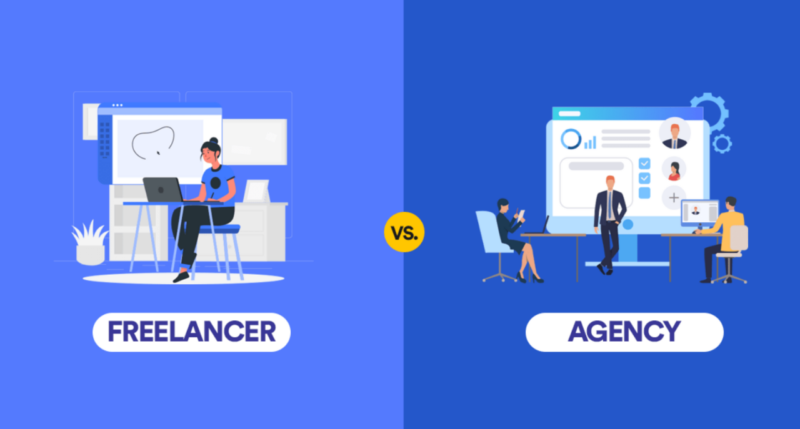
Different projects require different hiring approaches. There is no universal best option. Instead, evaluate based on your goals, timeline, and budget structure.
Some useful guiding points:
- Freelancers work great for smaller or clearly defined projects
• Agencies provide team power, structure, and long-term consistency
• Hybrid setups combine reliability of a lead developer with additional support if needed
• Your choice should match project size, growth expectations, and complexity
The best approach is not only about cost savings. It is about stability, continuity, and ensuring the right expertise is available when required. Think long term, not just launch.
Red Flags You Should Never Ignore
Even the most promising developer can raise subtle warning signs. It is better to notice them early than regret later. Pay attention if someone:
- avoids discussing previous mistakes or lessons learned
• refuses to explain things or becomes defensive when questioned
• overpromises unrealistic timelines
• seems uninterested in understanding your business
• lacks structure in process or planning
Development comes with challenges naturally. A trustworthy professional acknowledges complexities and plans around them. Someone who promises perfection without nuance is usually hiding inexperience.
Proper Architecture Saves More Money Than Cheap Development
Every year, companies spend thousands correcting rushed, poorly structured web apps. Many thought they were saving money initially. Proper architecture, thoughtful planning, and structured development actually reduce future expenses dramatically.
When you invest in the right full-stack developer from the beginning, you are not just buying code. You are buying sustainability, peace of mind, fewer breakdowns, and a foundation that allows your app to evolve smoothly as your business grows. That is something shortcuts can never give you.
Making Your Final Decision

Choosing a full-stack web developer for a custom web app is not about luck. It is about clarity. Understand what full-stack really means today, look at real experience, test thinking rather than trivia, evaluate communication, and choose a hiring model that aligns with your goals. When you do that, you shift the odds massively in your favor.
In the end, the right developer feels like a partner rather than a vendor. They bring stability, structure, curiosity, and accountability into the project. When you sense that combination along with proven capability, you are likely making the right choice. And that is exactly how great web applications begin.