

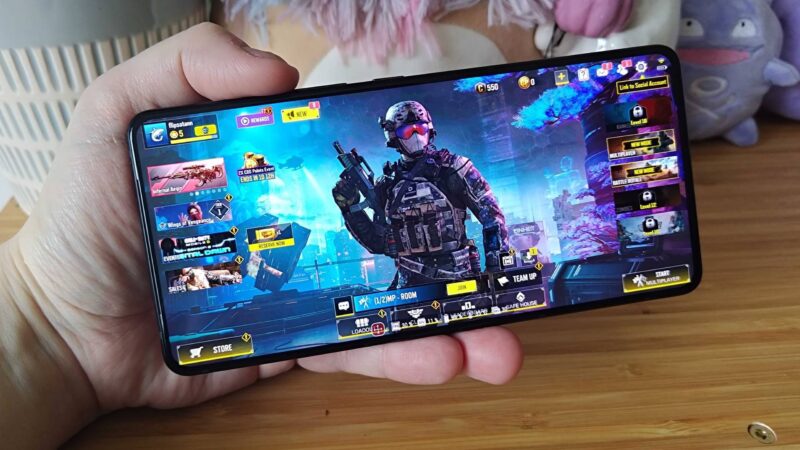
Casual gaming has undergone a remarkable transformation over the past two decades. What began as a niche activity with rudimentary graphics and limited gameplay has evolved into a global industry powered by smartphones, microtransactions, cloud gaming, and social integration.
More people than ever, across every demographic, are now engaging in casual games during commutes, breaks, or while unwinding at home.
This article explores how the smartphone revolution changed casual gaming forever, what trends are shaping it today, and what the future might look like for this growing form of entertainment.
Key Highlights:
- Mobile phones shifted gaming from a hobbyist culture to mass adoption.
- Casual gaming now includes everything from puzzle games to immersive multiplayer formats.
- Monetisation evolved through in-app purchases, subscriptions, and ad models.
- Digital slot games and real-money formats expanded the definition of casual play.
- Social sharing, cloud saves, and cross-device support are now standard features.
- Casual games are being designed for retention, not just quick fun.
Mobile Phones Changed Everything
The shift from console and PC gaming to mobile was not sudden-it built up gradually with the rise of early smartphones. Games like Snake on Nokia devices or Brick Breaker on BlackBerry offered glimpses of what was possible. However, the real disruption began with the iPhone’s release in 2007 and the introduction of the App Store in 2008. Suddenly, developers had a platform to distribute games directly to millions of users.
The simplicity and accessibility of these early games made them widely appealing. Players didn’t need to invest hours learning mechanics. Titles like Angry Birds, Temple Run, and Fruit Ninja succeeded because they were fun in short bursts, easy to restart, and perfect for touch screens.
Within a few years, gaming was no longer confined to specific age groups or dedicated devices. Everyone from teenagers to grandparents could and did play.
Casual Meets Commerce: The Rise of Freemium and Slot Games
One of the most significant developments in mobile gaming has been the monetisation model. Rather than charging upfront fees, most casual games are free to download and rely on microtransactions, ad views, or optional upgrades.
A major beneficiary of this model has been the rise of digital slot games, which are now among the most popular categories in casual gaming. Available on platforms like Betway’s, these titles merge the thrill of traditional casino gameplay with mobile convenience. They’re designed for short play sessions but can offer deep engagement through themed animations, progressive jackpots, and daily rewards.
Unlike older slot machines that required physical presence in casinos, digital slots can be accessed anytime, anywhere, making them ideal for the mobile-first era. Their appeal lies not only in the potential for reward but also in sensory experience: flashing visuals, tactile feedback, and celebratory sound effects turn a simple game into a satisfying loop of dopamine-driven engagement.
The Gamification of Daily Life
Smartphones have made gaming part of daily routines. Casual titles don’t compete with console-level graphics; they compete for attention between emails, notifications, and social feeds. Game developers understand this and have tailored experiences to fit naturally into modern habits.
Key features that made this possible include:
- Push Notifications: Encouraging return play with reminders and rewards
- Cloud Syncing: Letting users resume progress across devices
- Social Integration: Inviting friends, comparing scores, and sharing achievements
- Offline Play Modes: Ensuring gameplay even without a stable connection
These adaptations turned gaming into a filler activity that’s easy to access and difficult to ignore.
Casual Doesn’t Mean Shallow
Early perceptions of casual games often implied simplicity or a lack of depth. But that has changed. While many games still cater to quick engagement, others have evolved into rich ecosystems with evolving narratives, character progression, and strategic elements.
Take Clash Royale or Candy Crush Saga: on the surface, these games look accessible, but they feature complex ranking systems, player-versus-player strategies, and time-based rewards. These elements keep players returning, often for months or years.
A new genre called “mid-core” gaming has emerged at the intersection between casual games, but is still accessible enough for mobile players. These games challenge traditional definitions of casual play, blurring lines between hobby and habit.
Shifting Demographics and Inclusivity
One of the quiet revolutions brought by smartphone gaming is its broad demographic reach. Gaming used to skew male and young, but now:
- Over 60% of mobile gamers are women
- Older adults (50+) are one of the fastest-growing user groups
- Many casual games are designed with accessibility in mind: no complex controls or steep learning curves
This shift has given rise to a new design mindset. Developers now build with inclusivity, simplicity, and broad appeal in mind-often emphasising art style, intuitive interfaces, and bite-sized content that can be consumed in minutes.
Most Played Casual Game Genres Right Now
Casual gaming is no longer confined to match-three puzzles. It spans a wide range of genres. Some of the most popular include:
| Genre | Notable Games | What Makes Them Engaging |
| Puzzle | Candy Crush, Monument Valley | Visually rewarding and mentally stimulating |
| Simulation | BitLife, The Sims Mobile | Let players craft stories at their own pace |
| Idle/Incremental | Adventure Capitalist, AFK Arena | Progress continues even when inactive |
| Slots/Casino | Digital slot games, DoubleDown Casino | Quick feedback loops and gamified rewards |
| Word & Trivia | Wordscapes, Trivia Crack | Blend fun with learning and recall |
These genres thrive not just because they’re fun, but because they’re built for repetition and habit.
What’s Next? Trends Defining the Future of Casual Gaming
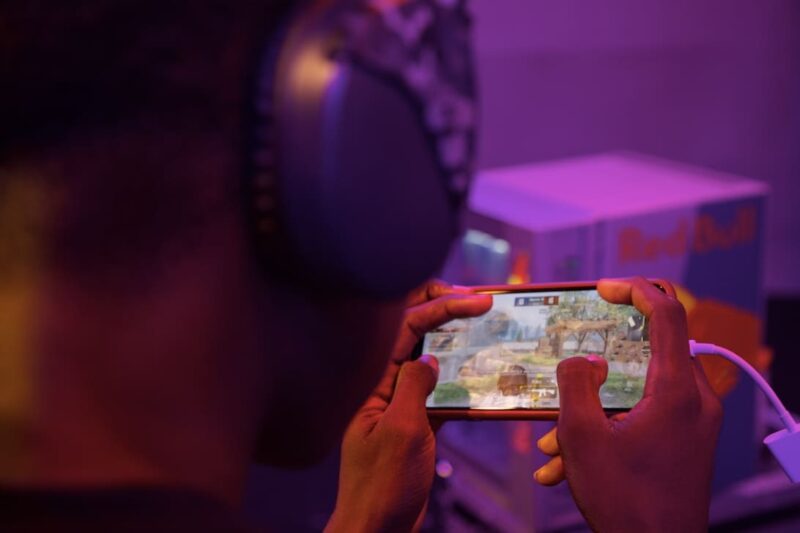
As technology evolves, so too will casual gaming. Key trends that are already shaping the future include:
- AI-Personalized Gameplay
Games learn user preferences and adjust difficulty or content accordingly. - Augmented Reality (AR)
Games like Pokémon GO have proven AR’s potential. Expect more casual games to blend physical and digital worlds. - Cloud Gaming
As networks improve, more demanding games will become accessible on mobile devices without heavy downloads. - Cross-Platform Play
Casual games that can be played on phones, tablets, PCs, or even smart TVs offer unmatched flexibility. - Privacy-Conscious Models
With growing awareness of data collection, users are demanding games that respect privacy and offer clearer consent models.
Final Thoughts
The evolution of casual gaming in the smartphone era is a story of accessibility, innovation, and behavioural adaptation. What began as filler content is now an entertainment staple, generating billions in revenue and reshaping how humans interact with screens. From digital slot games that mimic the glitz of casinos to meditative puzzlers that calm the mind, mobile gaming has become a cultural norm.
Its power lies in its ability to meet users wherever they are-on the train, at the dentist, between meetings and offer a few minutes of escape or excitement. In doing so, casual gaming has cemented its role as more than a time killer. It’s an industry in motion, and it’s only accelerating.