

More than 60 percent of online services today restrict or customize content based on a user’s location. You have probably felt it firsthand. A video is unavailable in your country, a website redirects you to a regional version, or an app behaves differently while traveling. That experience raises a simple but important question: what is actually controlling that access?
Geo blocking and geo fencing are often mentioned as if they were the same thing. They are not. While both rely on location data, their goals, mechanics, and real-world use cases are very different. Understanding that difference matters if you run a website, manage digital marketing, handle compliance, or just want to understand why the internet behaves differently depending on where you are.
This guide breaks it all down in a clear, practical way.
Understanding location-based controls online
Location-based controls sit quietly in the background of modern digital systems. They shape what users see, what they can access, and how services respond, often without the user realizing it.
At a high level, these controls use signals such as IP addresses, GPS data, Wi-Fi networks, or mobile carrier information to determine where a user is located. Once that location is identified, rules are applied. Some rules block access entirely. Others trigger specific actions or experiences.
This is where confusion often starts. Geo blocking and geo fencing both rely on location data, but they are built for different purposes. One is restrictive by design. The other is responsive.
Before comparing them directly, it helps to understand each concept on its own terms.
What geo blocking actually means
Geo blocking is a method of restricting access to digital content or services based on a user’s geographic location. If the system detects that a user is coming from a restricted country, region, or IP range, access is denied or altered.
This approach is common across streaming platforms, financial services, SaaS tools, and e-commerce websites. The goal is control, not interaction.
Typical uses of geo blocking include:
- Complying with licensing agreements for media content
- Preventing access from regions with high fraud risk
- Meeting legal or regulatory restrictions
- Managing pricing and availability by country
Geo blocking is usually static. Once the rule is set, it applies consistently until changed. There is no action triggered beyond allow or deny. From a user perspective, it often feels abrupt, like hitting a locked door.
Tools that help users navigate geo blocking
Because geo blocking is so common, entire categories of tools have emerged to help users understand or bypass it legally and responsibly. Virtual private networks are one example.
A service like UFO VPN allows users to route their connection through servers in different regions, making it appear as if they are accessing the internet from another country. This can be useful for travelers, remote workers, or people trying to access services they already pay for while abroad.
When used properly, such tools highlight an important reality. Geo blocking is not always about security or fairness. Sometimes it is simply about convenience, contracts, or outdated regional boundaries that do not reflect how people actually live and work online.
How geo fencing is used in practice
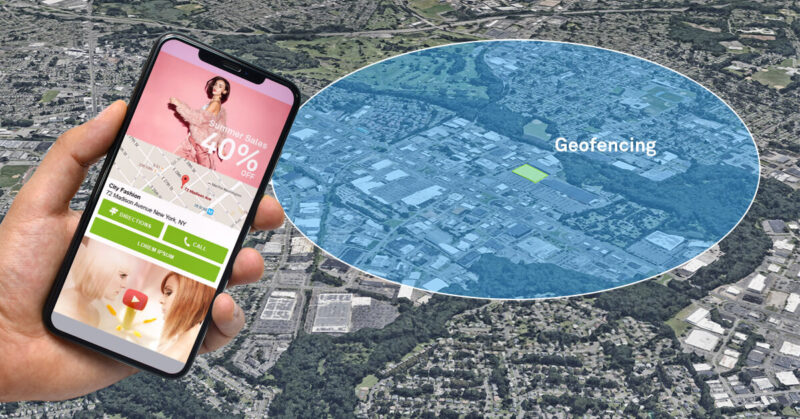
Geo fencing shines in environments where timing and context matter. Retail, logistics, healthcare, and event management all rely on it for real-world coordination.
Imagine a warehouse that needs to know when delivery trucks arrive. A geo fence around the facility can automatically log arrival times without manual check-ins. Or consider a retail app that sends a discount offer when a customer walks past a store location.
Unlike geo blocking, geo fencing does not stop users from doing something. It responds to where they are.
This difference makes geo fencing feel more personal and less restrictive. When done well, users may not even notice it operating in the background.
When businesses choose geo blocking
Geo blocking is usually chosen when risk management or compliance is the priority. If allowing access from certain regions could cause legal issues, revenue loss, or security problems, geo blocking becomes a practical solution.
Businesses often use it when:
- Licensing or regulatory rules are strict
- Fraud prevention is critical
- Services are region-specific by design
- Infrastructure cannot support global access
The downside is user frustration. Customers may feel excluded or confused, especially if restrictions are not clearly explained. Transparency helps, but the experience is still limiting.
When geo fencing makes more sense

Geo fencing is chosen when engagement, automation, or operational efficiency is the goal. It works best when physical presence matters and when timely responses add value.
Businesses turn to geo fencing when they need:
- Real-time location awareness
- Automated check-ins or alerts
- Contextual marketing based on proximity
- Safer monitoring of sensitive areas
Because geo fencing reacts instead of restricts, it often feels helpful rather than intrusive, especially when users understand its purpose.
Privacy and ethical considerations
Both geo blocking and geo fencing raise privacy questions, but in different ways.
Geo blocking usually operates invisibly. Users may not realize their location is being evaluated until access is denied. This can feel opaque, especially if there is no explanation.
Geo fencing, on the other hand, often requires explicit permission, especially on mobile devices. Users must allow location access, which creates an opportunity for transparency but also responsibility.
Location-based technologies should always follow data protection laws such as GDPR and clearly inform users how location data is collected and used.
Responsible implementation builds trust. Poor implementation damages it quickly.
Final thoughts
Geo blocking and geo fencing may sound similar, but they serve very different purposes in the digital world. One draws hard lines. The other reacts to movement and context.
Understanding that difference helps businesses design better systems and helps users understand why online experiences change from place to place. As location-aware technology continues to evolve, these tools will only become more precise and more influential.
Knowing how they work today puts you ahead of the curve tomorrow.