

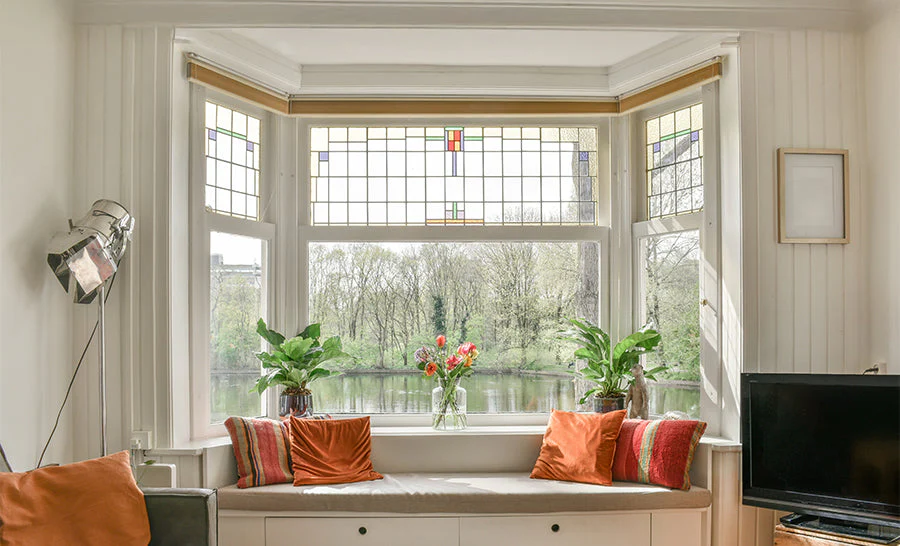
Upgrading window style at home brings fresh life to your property, boosts comfort, improves insulation, and can raise resale value.
Modern products give better temperature control, quieter rooms, and cleaner lines that support both function and design.
Readers will find everything needed to choose styles, compare materials, evaluate energy performance, plan installation, and manage project costs.
Buckle up and let’s go.
Why Upgrade Your Windows?
Old or failing windows cause a wide range of problems that gradually wear down comfort, efficiency, and overall quality inside the home.
Fogging between panes signals broken seals. Rotting frames invite moisture and insects.
Peeling paint suggests long-term exposure to harsh weather.
Drafts make heating and cooling systems work harder. Rising energy bills show that indoor temperatures are not staying stable.
Outside noise seeps into rooms when insulation weakens.
Modern replacements correct these issues while creating several strong advantages. Energy-efficient designs can reduce energy consumption by around 12% to 13% based on Energy Star data.
Updated installations add value to a property, with typical projects increasing home worth by roughly $13,766. Fresh units improve comfort through better insulation, smoother operation, and quieter environments.
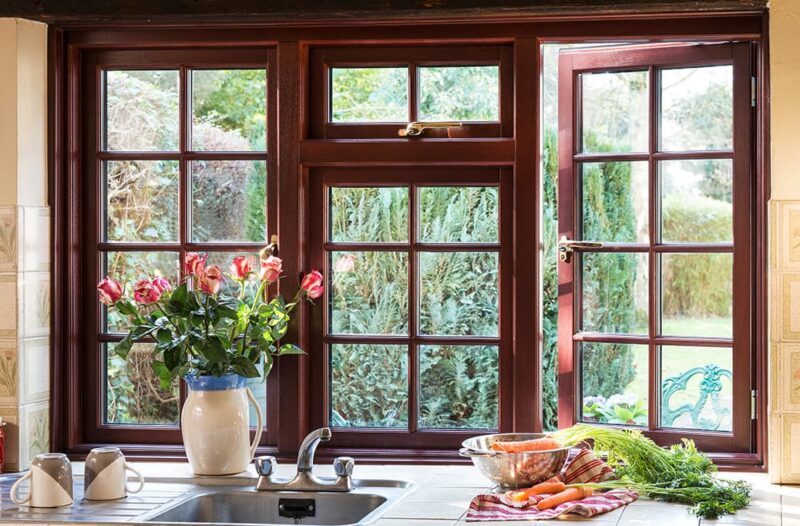
Several clear indicators help homeowners decide when upgrades are needed. Look at the points below for common signs of failure:
-
- Persistent condensation between panes
- Warped or decaying frames
- Noticeable air leaks
- Uneven indoor temperatures
- Excessive noise transmission
- Higher energy usage month after month
Preparing for Your Window Upgrade
Preparation plays a major role in keeping installation day organized, efficient, and free of unnecessary disruption.
Careful setup helps installers work quickly while protecting your belongings from dust, debris, and accidental bumps.
Thoughtful planning also minimizes stress by ensuring that every space is ready before the crew arrives.
Blinds, curtains, rods, and decorative items should be taken down well in advance, and homeowners in Chicago often use this stage to update old fittings or plan new window treatments Chicago suppliers can provide.
Furniture needs to be shifted away from work zones to create clear paths for movement, equipment, and large window units.
Alarm sensors attached to window frames must be disconnected temporarily to avoid false alarms and damage during removal.
Floors and nearby furnishings benefit greatly from protective coverings, especially in high-traffic rooms where tools and materials will move in and out.
Plastic sheeting, drop cloths, or cardboard barriers keep dust and small debris off carpets and hard surfaces.
Pets and children should remain safely away from all areas where workers will be present, preventing accidents and keeping everyone comfortable throughout the process.
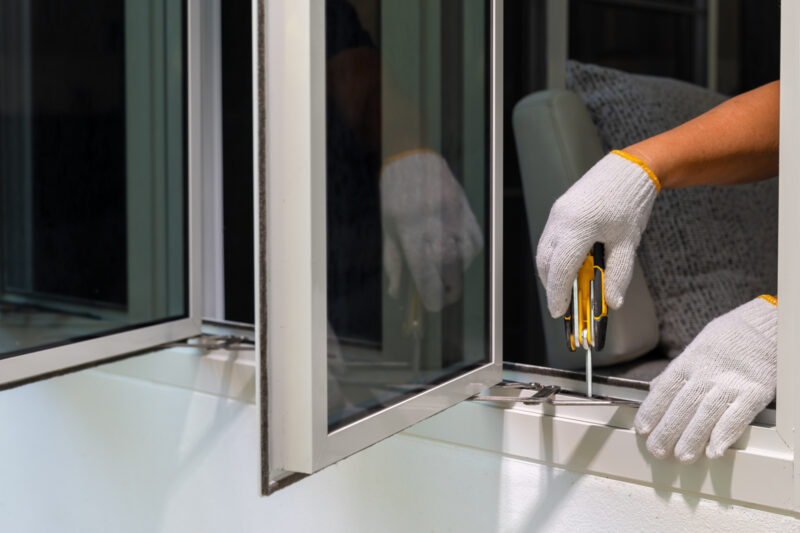
Window Types and Styles
Many window styles help support airflow control, architectural preference, and climate needs across different rooms.
Double-hung windows match classic architecture and feature two operable sashes that slide vertically.
Tilt-in functionality simplifies cleaning on upper floors and supports steady ventilation without fully opening the frame.
Homeowners who prefer traditional design often choose this style for bedrooms, hallways, or living spaces.
Casement designs crank outward using a side hinge and create a firm seal when closed.
Strong breezes make this style especially valuable in coastal or high-wind environments.
Open positions catch outside air efficiently, bringing steady airflow into kitchens, home offices, or any room that benefits from directional ventilation.
Sliding styles offer smooth, horizontal movement along a track. Clean lines and easy operation make them suitable for patios, decks, and tight exterior walkways where an outward swing would interfere with traffic.
Large sliding panels introduce ample daylight while maintaining a simple, modern profile.
Bay and bow configurations project outward, adding depth and creating a spacious feel inside a room.
Extra glass surfaces draw in generous daylight, supporting reading areas, breakfast nooks, or seating zones that benefit from open interior expansion.
Shapes vary slightly, with bay units forming angled sections and bow units providing a soft, curved projection.
Picture windows rely on fixed panes that highlight scenic views and allow extensive natural light into living spaces.
Large glass surfaces help brighten dining rooms, family rooms, and stairways. Since these units do not open, homeowners often pair them with operable windows for added airflow.
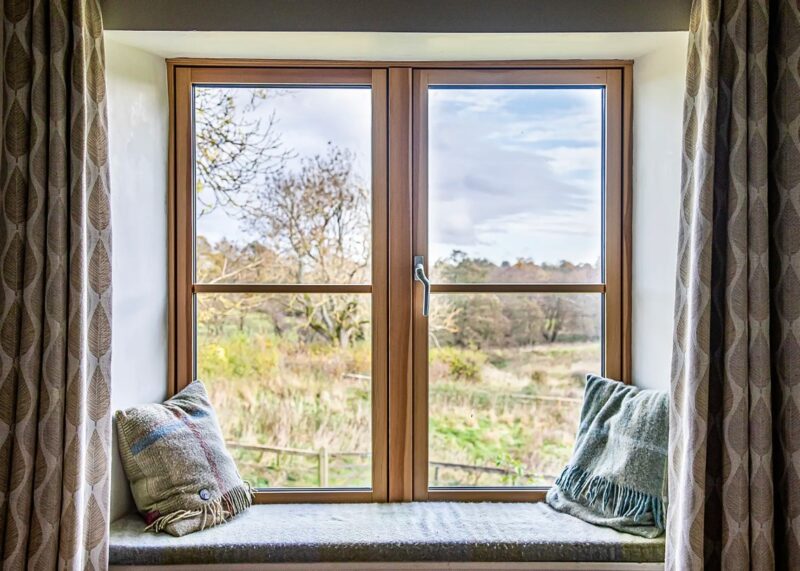
Choosing the Right Frame Material
Different frame materials accommodate various budgets, maintenance needs, and styles.
Wood frames deliver a warm look and suit older or premium homes, though they ask for consistent upkeep.
Vinyl frames resist weather, require almost no maintenance, and offer cost-friendly pricing.
Aluminum frames bring strength and slim profiles, but lose more heat without added thermal breaks.
Fiberglass frames support excellent insulation, long-term strength, and a painted-wood appearance with far less upkeep.
Composite materials such as Fibrex combine durability, insulation, and low maintenance.
Some homeowners benefit from a quick breakdown of cost ranges:
- Vinyl: $80 to $500
- Wood: $250 to $800
- Aluminum: $400 to $1,300
Extra considerations include:
- Desired maintenance level
- Need for insulation
- Preference for traditional or modern style
- Long-term durability goals
Glazing and Energy Efficiency Options
Glass structure plays a major role in performance.
Single-pane windows offer minimal thermal protection, while double-pane designs improve insulation dramatically.
Triple-pane systems increase comfort even more, especially in cold climates, though they add cost.
Low-E coatings help control heat transfer by reflecting infrared energy.
Gas fills such as argon and krypton reduce heat loss inside insulated glass units. Ratings help homeowners compare efficiency.
U-Factor values show insulation performance, and lower values work best. SHGC ratings describe solar heat gain, and ideal values depend on climate zones.
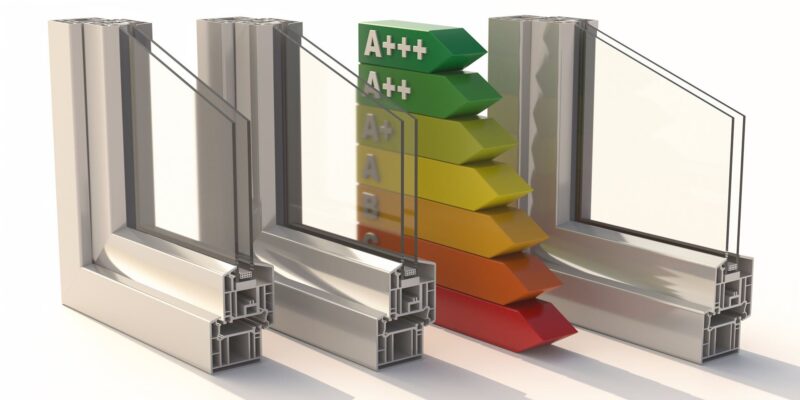
Homeowners benefit from checking key performance indicators such as:
- U-Factor
- SHGC
- Presence of Low-E coatings
- Gas fill type
- Energy Star certification
- NFRC rating labels
Budgeting and Cost Considerations
Several elements influence project cost: window quantity, size, frame material, glazing level, condition of the surrounding structure, labor costs, and full-frame versus retrofit installation.
Double-pane windows usually fall within $450 to $1,000.
Triple-pane designs cost more initially but offer greater insulation and long-term savings.
Full-frame replacement costs more because all components are removed, making it ideal for damaged or outdated structures.
Choosing the Right Brand or Manufacturer
Different brands offer various strengths, materials, and features.
Andersen provides Fibrex composite frames along with customization choices.
Pella focuses on thermal performance, style variety, and warranty coverage. Marvin supplies high-grade fiberglass with strong engineering.
Simonton and Atrium deliver cost-effective vinyl designs with dependable energy performance.
Renewal by Andersen offers start-to-finish service, including installation and warranty support.
Key aspects worth comparing include:
- Warranty duration and coverage
- Energy ratings
- Frame material options
- Customization choices
- Hardware quality
- Installer reviews
Closing Thoughts
Upgrading window style at home delivers stronger comfort, sharper energy performance, and better long-term value.
Modern materials, improved insulation options, and careful installation combine to create a more efficient and pleasant living space.
Thoughtful planning, accurate budgeting, and informed product choices help homeowners achieve great results with fewer surprises.
Clear preparation and reliable installation support a smooth process and a final outcome that feels solid, secure, and tailored to daily needs.