

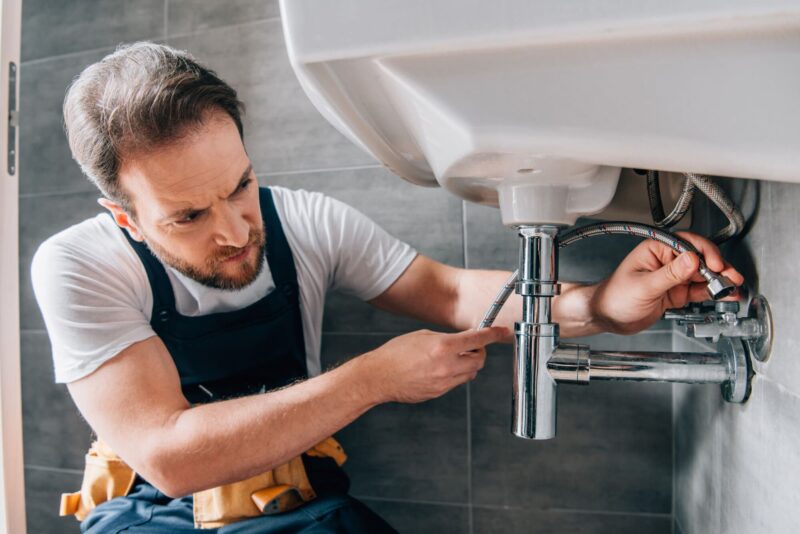
A study published by the World Health Organization links poor indoor water systems to increased respiratory issues, bacterial exposure, and long-term structural moisture damage in residential buildings. That raises an uncomfortable question many homeowners never ask: how healthy is the water and plumbing system inside your own home right now?
Plumbing is easy to ignore when everything seems to work. Faucets run, toilets flush, and drains disappear quietly into walls and floors. Yet behind that normal routine sits a system that directly affects air quality, water safety, and even the materials holding your house together.
Hiring a professional plumber is not just about fixing leaks but about protecting the environment you live in every day.
Below is a closer look at why professional plumbing work plays a bigger role in home health than most people realize.
The Health Side of Plumbing Most Homeowners Never Consider

Plumbing rarely gets credit as a health-related system, but it should. Every pipe carries water that touches skin, dishes, food, and air through humidity and vapor. When something goes wrong, the effects are often subtle at first.
Improperly sealed pipes, slow leaks, and outdated fittings can introduce contaminants or excess moisture without visible warning signs. Over time, these issues can contribute to mold growth, bacterial buildup, and reduced indoor air quality.
Professional plumbers understand how pressure, ventilation, drainage slope, and material compatibility work together. This knowledge helps prevent:
A functioning plumbing system supports a healthy home in the same way clean air and stable temperature do. It works quietly, but its impact is constant.
Why Experience Matters When Health Is Involved
Many plumbing issues look simple on the surface. A dripping pipe or slow drain feels manageable, especially with online tutorials everywhere. The problem is that surface symptoms often hide deeper causes.
In the first third of this article, it makes sense to point out that licensed professionals approach plumbing differently. A qualified Tulsa Plumber understands local water conditions, building codes, and soil behavior that affect how plumbing systems age and fail. That local expertise matters more than people expect.
Professionals do more than repair. They evaluate system health by checking pressure balance, pipe materials, and ventilation pathways. This approach reduces the risk of recurring problems that quietly compromise indoor safety.
Trying to save money with temporary fixes often leads to repeated moisture exposure and unseen contamination. Experience changes outcomes because it addresses root causes, not just visible damage.
Clean Water Depends on Proper Installation and Maintenance
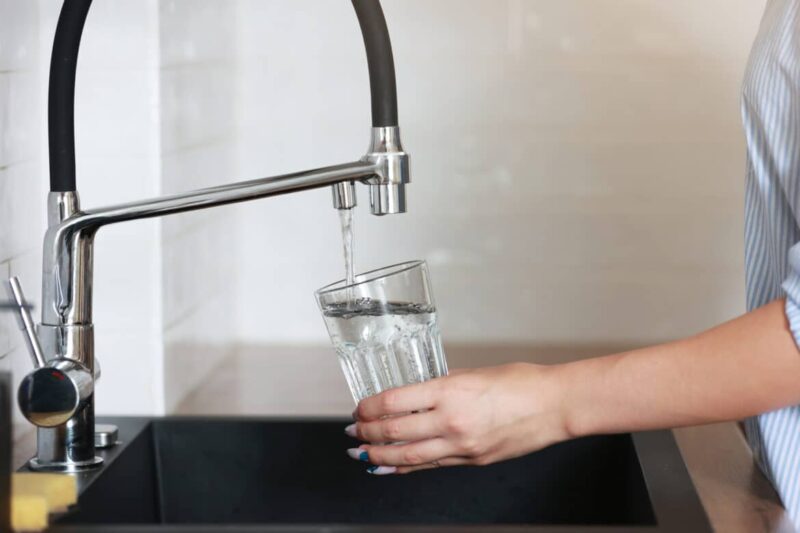
Water quality is not only about municipal supply. What happens after water enters your home matters just as much. Pipes, fittings, and valves all influence taste, clarity, and safety.
Older homes may still contain galvanized steel or aging copper pipes. As these materials degrade, they can release particles into drinking water. Improper connections or DIY repairs can also introduce small leaks that allow contaminants to enter.
Professional plumbers ensure:
Did you know?
The EPA notes that household plumbing materials are one of the most common contributors to lead exposure in older homes, even when the city supply meets safety standards.
Maintaining clean water requires more than good intentions. It requires trained evaluation and proper installation choices.
Moisture Control Is One of the Biggest Health Factors
Moisture affects wood, drywall, insulation, and air quality long before visible damage appears. Plumbing is one of the primary sources of indoor moisture problems.
Slow leaks under sinks, behind walls, or beneath floors can raise humidity levels and create ideal conditions for mold growth. Even a small, steady drip can introduce gallons of water into structural materials over time.
Professional plumbers are trained to detect and prevent moisture problems through:
Unchecked moisture does not stay isolated. It spreads, weakens materials, and affects breathing conditions inside living spaces. Addressing it early protects both structure and health.
Sewer Gas and Venting Affect Indoor Air Quality

Many homeowners are unaware that plumbing systems directly interact with indoor air. Drain lines rely on traps and venting systems to block sewer gases from entering the home.
When these systems fail or are installed incorrectly, gases like methane and hydrogen sulfide can leak indoors. At low levels, these gases cause headaches and irritation. At higher concentrations, they pose serious health risks.
A professional plumber understands how vent stacks, traps, and seals work together. They ensure:
Sewer gas exposure is often misdiagnosed as poor ventilation or allergies because symptoms develop gradually.
Proper plumbing keeps indoor air safe by design, not by chance.
DIY Plumbing Can Create Long-Term Health Risks
Do-it-yourself repairs often focus on stopping immediate problems. Tape, sealants, and temporary fittings may seem effective, but they rarely meet long-term safety standards.
Improper repairs can restrict flow, increase pressure, or leave hidden gaps. Over time, these flaws worsen system performance and introduce health risks through leaks or contamination.
Common DIY-related problems include:
Professional plumbers work within building codes designed to protect occupants. These codes exist for a reason. They reflect decades of research into safety, sanitation, and durability.
Cutting corners often leads to costs that go beyond money, affecting comfort and health.
Preventive Inspections Reduce Invisible Damage
One of the biggest advantages of hiring a professional plumber is preventive insight. Many serious plumbing issues begin silently and only become obvious when damage is extensive.
Routine inspections allow professionals to identify early warning signs such as corrosion, pressure irregularities, or aging seals. Addressing these issues early reduces health risks and structural impact.
Below is a simple comparison of outcomes:
Approach
Short-Term Cost
Long-Term Impact
Reactive repairs
Lower initially
Higher risk of mold and contamination
Preventive inspection
Moderate
Reduced health and repair risks
Preventive plumbing care protects the home environment by stopping problems before they affect daily life.
Long-Term Home Health Depends on Professional Standards
A healthy home results from systems that work together consistently over time. Plumbing plays a central role in that balance.
Professional plumbers bring more than tools. They bring an understanding of how water, air, and structure interact. Their work supports clean water, dry materials, and breathable indoor spaces.
This is especially important as homes become more energy efficient and airtight. Tighter buildings magnify the impact of plumbing failures on indoor conditions.
Investing in professional plumbing is an investment in the invisible systems that support daily living. When done right, the benefits are felt quietly and continuously.
Final Thoughts
Most people think of plumbing only when something breaks. By then, health risks may already be present. Clean water, dry walls, and safe air all depend on systems that are easy to overlook.
Hiring a professional plumber is about safeguarding the environment where you sleep, cook, and breathe every day. Skilled plumbing work protects more than pipes. It protects the health of your home and everyone inside it.
When plumbing is handled professionally, the results are not dramatic. They are steady, reliable, and quietly essential.