

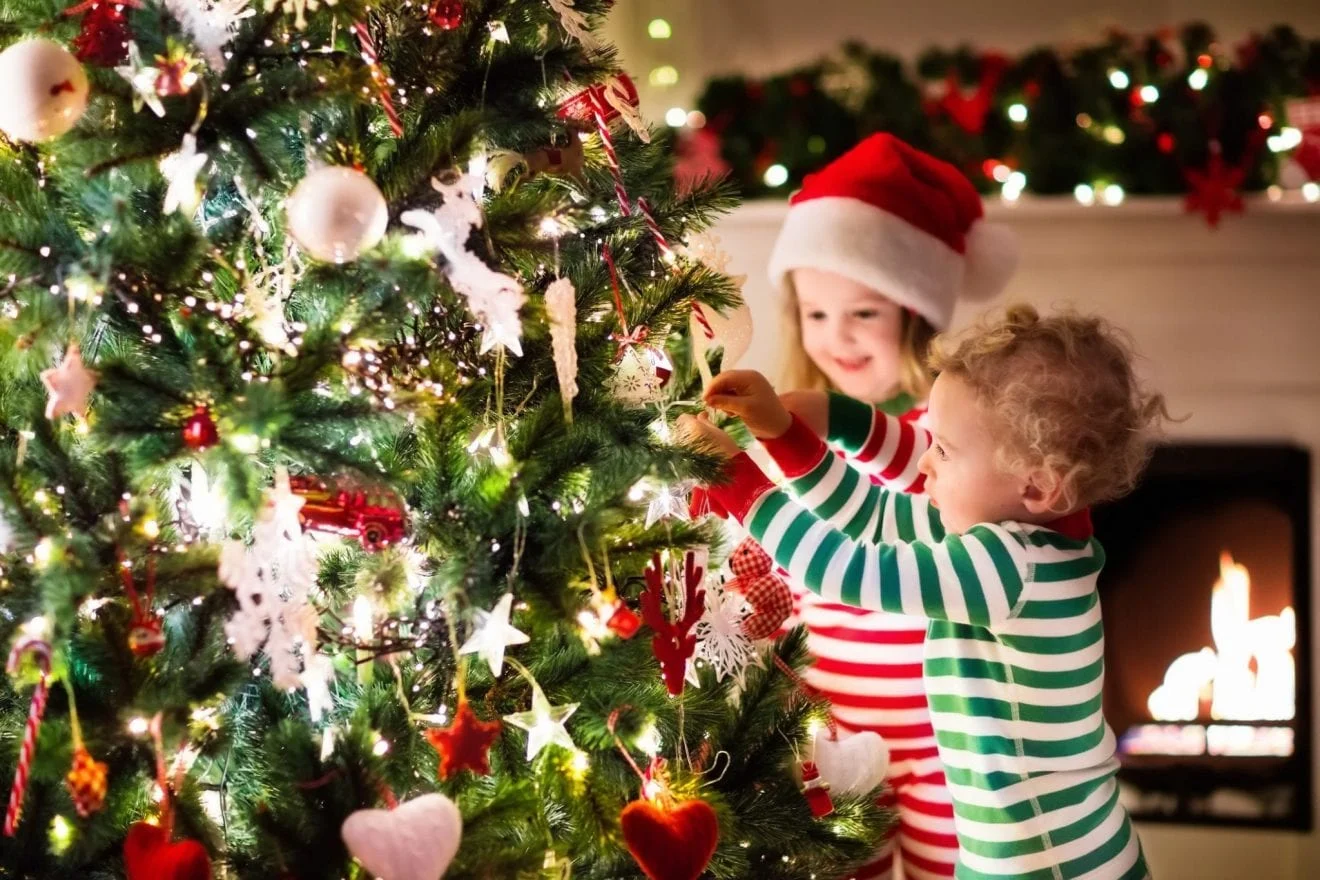
The traditions that families repeat every holiday season often become the clearest memories people carry into adulthood.
Children rarely remember the gifts they opened when they were seven or ten, but they do remember the smell of cookies baking on Christmas Eve, the sound of grandparents telling the same old stories, and the quiet rituals that make a home feel like a place of belonging.
Creating lasting holiday memories is not about doing something extravagant. It is about consistency, intention, and simple rituals that signal “this is our time together.”
1. Cooking and Baking Rituals That Stay With You for Life
Food is memory. Few traditions are as powerful as cooking a specific dish together every year, whether it is gingerbread cookies with royal icing, a family stew recipe passed down from grandparents, or a signature holiday breakfast that happens only once a year.
A long, detailed example helps show how this works:
|
Holiday Dish |
Why It Creates Memories |
How Families Personalize It |
| Gingerbread cookies | Kids participate, and the smell fills the home | Custom shapes, name-initial cookies |
| Christmas morning pancakes | Predictable ritual that marks the day | Add toppings or a secret family mix |
| Holiday stew or roast | Tied to family history | Prepare with grandparents, use heirloom cookware |
What matters here is not perfection. The imperfectly shaped cookies your kids make will be remembered far longer than anything that looked professionally decorated.
2. Decorating Traditions That Mark the Beginning of the Season
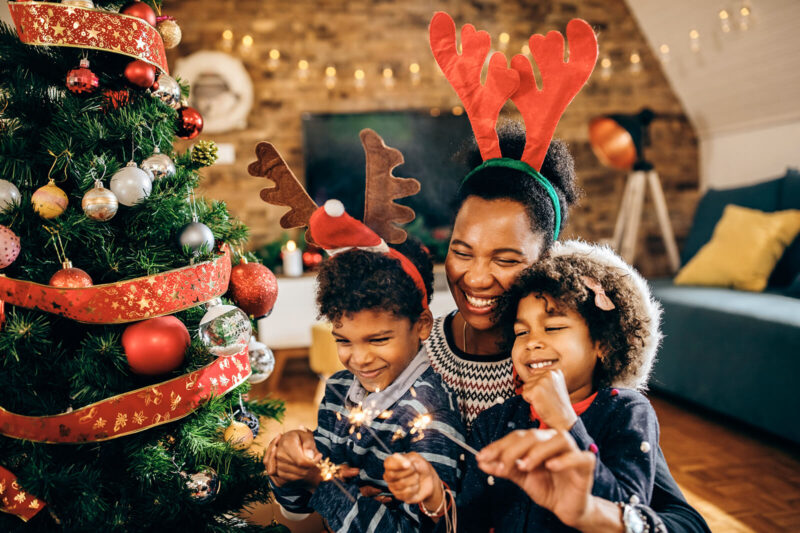
The moment decorations come out of the box, the holiday season feels real. Many families choose a specific date or event that “starts” the holidays, such as:
- The first snowfall
- the weekend after Thanksgiving
- December 1st
- The night everyone is finally home for winter break
What makes decoration traditions memorable is participation. Children love unwrapping ornaments with history behind them, especially those labeled with years, events, or even family jokes. Adults often remember the same ornaments year after year because continuity creates emotional comfort.
Some families also add a table display that changes every year, but is always arranged together. Others light the same candle or play the same holiday album on decoration day. Small rituals, repeated annually, leave the strongest imprint.
3. Meaningful Gift Traditions That Shift the Focus from Buying to Bonding
Gifts become most meaningful when they feel thoughtful rather than expensive. Families sometimes adopt simple traditiolike homemade giftsfts from each family member
- a “one small present” rule on Christmas Eve
- handwritten letters instead of multiple gifts
- A family charity donation where everyone helps choose the cause
A great memory-building ritual is preparing gifts together. Children especially love wrapping gifts as a shared project. Parents often underestimate how meaningful it is to let kids participate, not just receive.
Some families also create “memory boxes” where each person writes down a favorite moment from the year. These are opened together during the holidays, and over time, they become a timeline of family life.
4. Matching Outfits and Photo Rituals That Capture Each Year
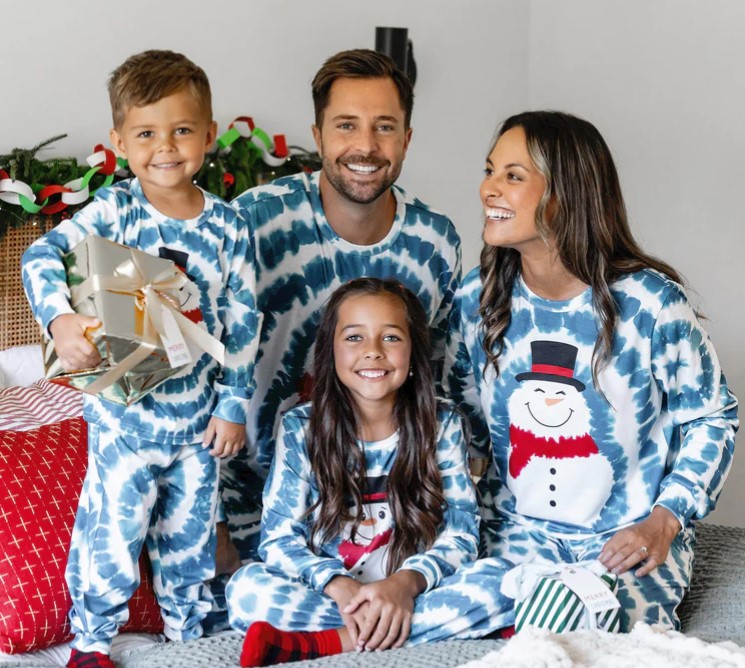
Near the middle of every strong holiday tradition list is something visual, something that makes each year look different yet feel the same. Many families take an annual holiday photo in the same spot, with the same poses, or with a small twist each year.
This is also where a popular modern tradition fits naturally: the custom of dressing the whole family in family Christmas pajamas. Besides looking fun in photos, these matching sets set a relaxed, playful tone for the season. Children love routines that feel “official,” and adults enjoy the simplicity of a tradition that requires almost no effort but delivers a lot of joy. For many families, slipping into matching pajamas on Christmas Eve is the moment when the holidays truly begin.
These small visual traditions do not just produce cute pictures. They create a sense of continuity, marking each year as part of a long-term story.
5. Outdoor Adventures and Annual Outings
Family memories are not created only at home. Some of the strongest traditions happen outdoors: Taking a walk to see the neighborhood lights
- visiting a Christmas market
- driving to the same lookout point every year
- cutting your own tree at a nearby farm
- going ice-skating the first weekend of December
These outings require almost no planning, yet they become emotional bookmarks. Children remember cold noses, warm scarves, hot chocolate, and the feeling of adventure. Adults remember the laughter, the photos, and the simple pleasure of being outside together.
You can enhance these outings by keeping one element consistent: the same café, the same parking spot, the same small treat afterward. Predictability is what transforms outings into genuine traditions.
6. Storytelling and Music Traditions That Define the Atmosphere
Every family has a “sound” and a “story style” during the holidays. For some, it is a playlist of classic carols that always plays when the tree is lit. For others, it is a ritual where grandparents tell stories about their own childhood holidays.
Storytelling does not need to be dramatic. Even retelling small events, like the year the tree fell over or the time someone forgot the dessert, creates a family narrative. Over time, these stories become part of your family identity.
Music rituals also matter. Playing the same album every Christmas morning attaches memory to sound, creating associations that last decades. Many adults still recall the exact songs their parents played during the holidays because repetition makes music stick like glue to memory.
7. Acts of Kindness and Giving Back
Children learn their values from what they see, not from what they are told. Holiday traditions centered around kindness can shape character for life. These can include:
- preparing small gifts for neighbors
- baking cookies for teachers or elderly relatives
- donating winter clothes
- volunteering a few hours as a family
- leaving anonymous treats around the community
Acts of kindness become traditions when they are done annually, not occasionally. Families who repeat these rituals often report that these are the memories children carry into adulthood and recreate with their own children later.
This also balances out the material side of the holidays. It teaches that the season is about connection, empathy, and community.
8. Building “Night-Before” Rituals That Signal Magic
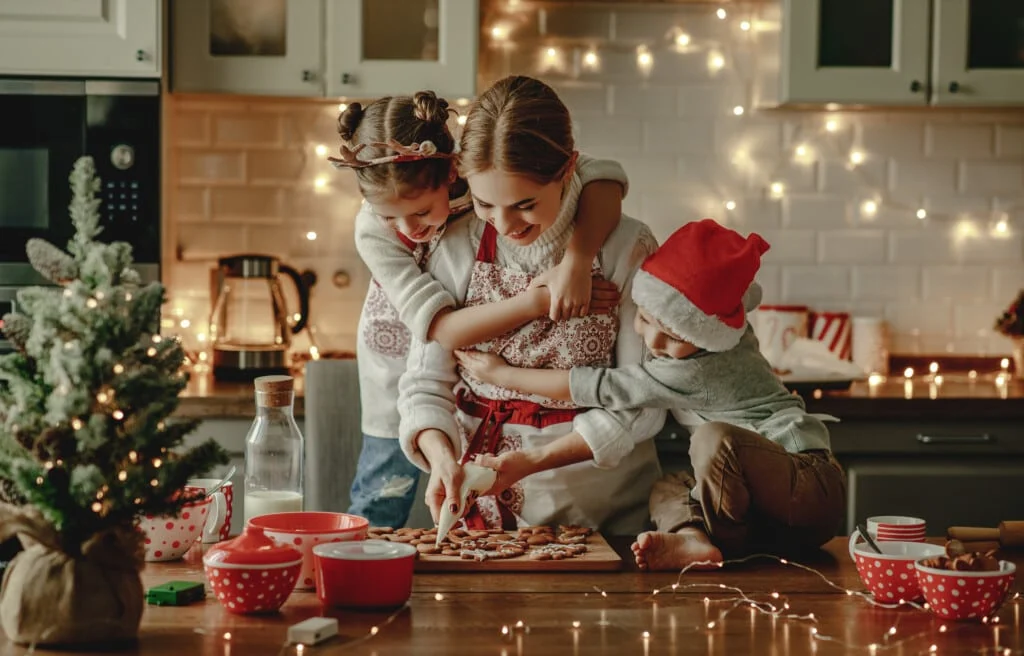
The night before Christmas or other winter celebrations is often the most powerful emotional moment of the season. Some families:
- Read the same book every Christmas Eve
- Open one small present
- Prepare cookies and milk for Santa
- Light an outdoor lantern or candle
- Have a slow, warm dinner with no screens
These rituals work because they calm the atmosphere. Instead of rushing toward the holiday, they slow it down. Children feel the excitement, adults enjoy the quiet, and everyone feels a shared sense of anticipation.
9. Capturing the Year With Reflection Traditions
Some families create a “year in review” ritual:
- Going through photos from the past 12 months
- sharing the funniest or happiest memories
- making new resolutions together
- updating a family scrapbook or digital album
Reflection traditions deepen connection and help children understand how their life story is unfolding. It also helps parents appreciate all the small moments they might have forgotten.
A simple version of this is writing notes about your favorite memory of the year and placing them into a jar, then reading them together during the holidays.
10. The Smallest Rituals Often Become the Most Powerful
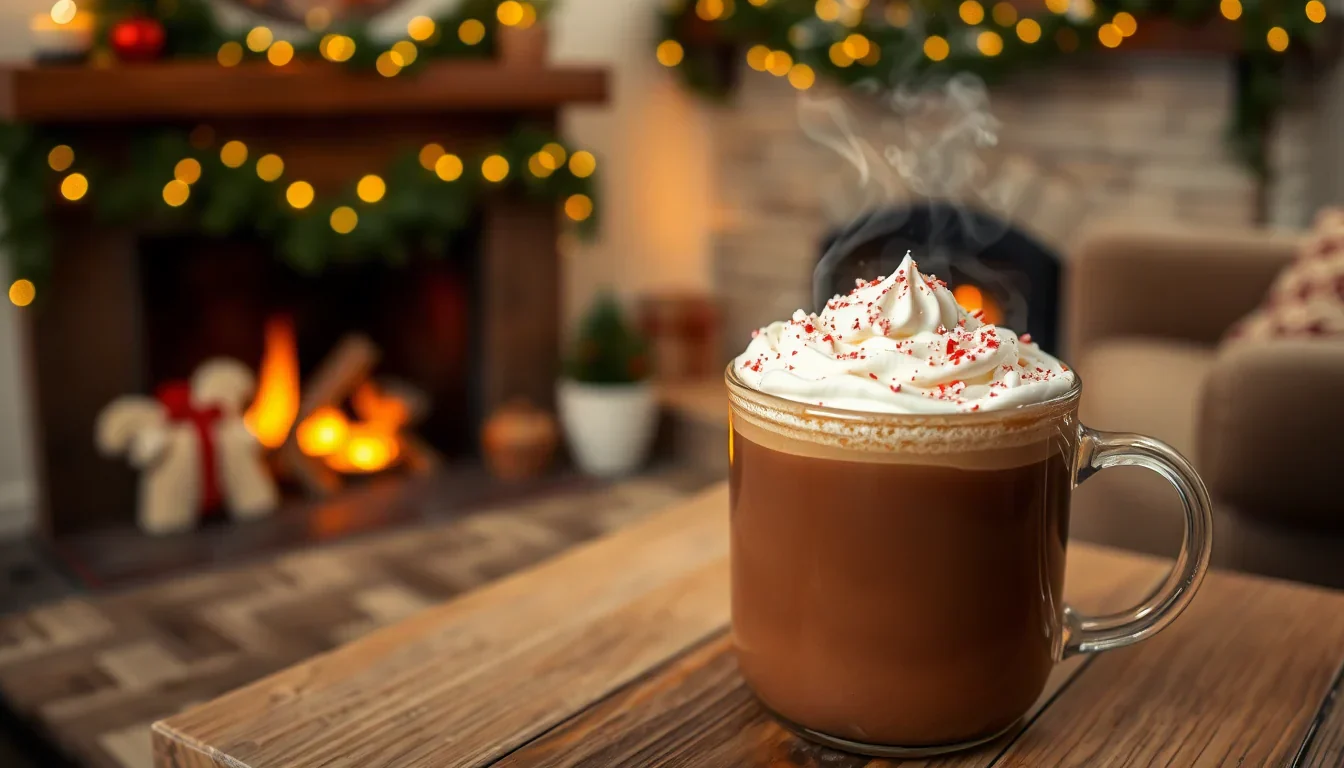
Some of the strongest holiday memories come from tiny rituals:
- drinking hot chocolate together after decorating
- using the same tablecloth every year
- setting up a train set around the tree
- lighting a specific candle
- starting the morning with a holiday movie
These micro-traditions do not require planning or money. They need only consistency. Over time, these tiny rituals define the atmosphere of the season far more than the bigger events.
Final Thoughts
Lasting holiday memories are built through repetition, emotion, and shared experiences. You do not need elaborate plans or expensive decorations to create traditions that stay with your family forever. What matters is choosing a few rituals that feel true to your family’s personality and repeating them every year.
What children will remember most is how they felt. The warmth. The laughter. The music. The smell of food. The moment everyone sat together without rushing. The feeling of being safe, included, and part of something larger than themselves.