

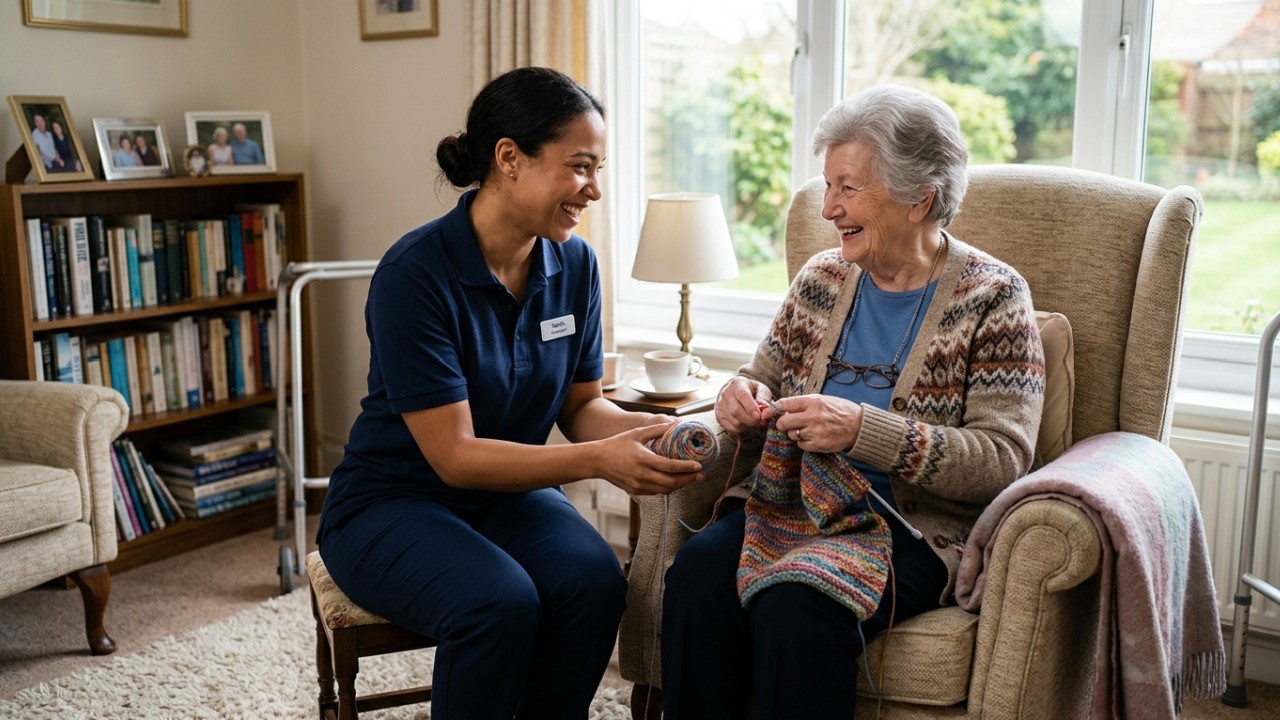
A growing number of older adults want to remain in their own homes as they age. According to an AARP survey, about 77 percent of adults over 50 say they prefer to stay in their homes long term rather than move to assisted living communities. That preference has shaped how families think about aging, independence, and support.
For many people, the idea of aging at home feels comforting and familiar. The routines are known. The surroundings hold memories. Still, independence does not always mean doing everything alone.
Home care offers a practical middle ground. It allows older adults to stay where they feel most comfortable while receiving the support they need to remain safe and confident in daily life.
Understanding how home care supports independence can help families make thoughtful decisions about long term care options.
Why independence matters as people age

Independence plays a powerful role in emotional and mental well being. Older adults often associate staying active and involved in their own routines with dignity and personal identity.
Research from the National Institute on Aging highlights that maintaining autonomy contributes to better mental health and slower cognitive decline.
Simple everyday choices, such as preparing a meal or deciding when to go for a walk, can strengthen a sense of control.
Maintaining independence at home also helps preserve:
- Daily routines that bring comfort and predictability
- Connections with neighbors and local communities
- Familiar environments that reduce stress and confusion
- Personal decision making and self confidence
When older adults remain engaged in their daily lives, they often experience stronger emotional well being and a greater sense of purpose.
Home care does not remove independence. Instead, it supports it by helping older adults handle the parts of daily life that may have become difficult.
The role of professional home care services
Home care services focus on supporting everyday living activities so older adults can remain safe and comfortable in their homes. The level of assistance can vary depending on individual needs.
Some families begin exploring support when tasks that once felt simple begin to take more effort. Examples might include managing medications, preparing meals, or keeping up with household chores.
In many Philadelphia communities, families search for trusted senior care PA based providers, when they want professional caregivers who can assist older adults while still respecting their independence. These services focus on maintaining quality of life rather than replacing it.
Home care professionals often assist with:
- Personal care such as bathing, dressing, and mobility support
- Light housekeeping and meal preparation
- Medication reminders
- Transportation to appointments and errands
- Companionship and social interaction
Each service plays a role in helping older adults stay active in their daily routines.
Everyday tasks become easier with supportive care
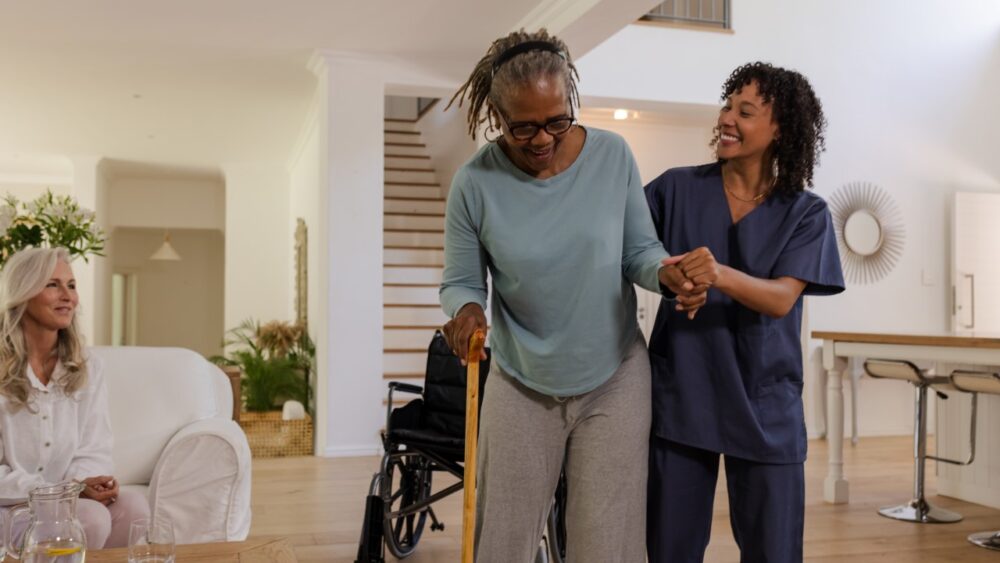
Aging can bring physical changes that make everyday tasks more challenging. Activities that once took minutes may require more time, strength, or balance.
Home care helps bridge that gap without removing independence. Caregivers step in where support is needed while encouraging older adults to stay involved in their routines.
Common areas where support makes a difference include:
- Meal preparation: caregivers can assist with cooking while encouraging healthy eating habits.
- Household maintenance: light cleaning and laundry help keep living spaces safe.
- Medication management: reminders help ensure prescriptions are taken correctly.
- Mobility assistance: safe support reduces the risk of falls.
Did you know?
Many falls occur during simple household activities such as reaching high shelves or carrying laundry. The Centers for Disease Control and Prevention reports that one in four Americans aged 65 or older falls each year.
Emotional and social benefits of receiving care at home
Independence is not only physical. Emotional well being also plays a major role in healthy aging. Older adults who stay socially engaged tend to experience better mental health and improved quality of life.
Home care providers often act as companions as well as caregivers. A short conversation, shared meal, or walk around the neighborhood can reduce feelings of isolation.
Research published in The Journals of Gerontology indicates that social engagement significantly lowers the risk of depression in older adults.
These social benefits often include:
- Regular interaction that reduces loneliness
- Encouragement to participate in hobbies or activities
- Support during outings or family visits
- A sense of companionship during daily routines
Emotional health plays a direct role in physical health. Older adults who remain socially connected often experience improved resilience and overall well being.
When care is provided at home, these interactions take place in familiar surroundings, which often helps people feel more relaxed and open.
Comparing independence with and without home care
Families sometimes wonder how home care changes everyday life for older adults. A simple comparison shows how supportive services can improve safety and independence.
| Daily Life Area | Without Home Care | With Home Care |
| Meal preparation | Skipped meals or unhealthy options | Balanced meals prepared with assistance |
| Medication management | Missed doses or confusion | Regular reminders and supervision |
| Mobility | Higher fall risk | Safe assistance with movement |
| Social interaction | Limited contact | Regular companionship and conversation |
| Household tasks | Clutter or unsafe conditions | Clean and organized environment |
Home care helps maintain independence while reducing many risks associated with aging alone.
The goal is not to take over daily responsibilities. Instead, caregivers provide just enough support so older adults remain active participants in their lives.
When families should consider home care support

Recognizing the right time to consider home care can make a meaningful difference in long term independence. Many families begin thinking about care after noticing gradual changes in daily functioning.
Several signs often suggest that extra support could help:
- Difficulty managing medications or appointments
- Increased fatigue during daily chores
- Changes in eating habits or weight loss
- Reduced social interaction
- Safety concerns related to mobility
Addressing these challenges early can prevent larger problems later. Home care works best when it supports independence before daily routines become overwhelming.
In many cases, starting with just a few hours of weekly assistance can help older adults maintain their lifestyle while giving families peace of mind.
A supportive path toward aging comfortably at home
Growing older does not mean giving up independence. For many older adults, the right balance of support and autonomy allows them to continue living meaningful lives in their own homes.
Home care services offer practical help while preserving dignity and personal choice. Daily routines remain familiar. Social connections stay intact. Families gain reassurance knowing their loved ones are supported.
Small forms of assistance often make the biggest difference. A helping hand with household tasks, transportation to appointments, or companionship during the day can transform everyday life.
For older adults who value independence, home care provides something important: the ability to continue living life on their own terms, in the place that feels most like home.