


Improper storage and lighting cause a large percentage of artwork damage in private homes, not just museums. Many people assume art is safe as long as it is displayed beautifully, but the environment you create around a painting, print, or sculpture matters just as much as where you hang it.
If you love the pieces in your home, caring for them is really about respect, mindfulness, and a few practical habits that prevent fading, cracking, or warping.
Think of it less as “maintenance” and more as giving your artwork the stable, calm environment it needs to stay beautiful for decades.
Once you understand light, humidity, and cleaning, taking care of art becomes surprisingly natural.
Art materials react to temperature, moisture, sunlight, and even air quality. Canvas stretches and shrinks, paper absorbs humidity, and pigments slowly fade.
Light and Your Artwork ─ What Really Causes Damage
Light is one of the biggest threats to art at home. Sunlight looks romantic on a wall, but ultraviolet radiation is brutal to pigments, photographs, paper works, and textiles. Even artificial lighting, if poorly chosen, can slowly cause fading or discoloration. A thoughtful lighting setup helps your art remain vivid instead of washed out.
Choosing Safer Lighting Options
Whenever possible, avoid direct sunlight completely. Filtered light or indirect lighting is much safer. Modern LED bulbs are generally the friendliest choice because they emit less heat and minimal UV exposure. If you have valuable prints, photographs, or indigenous artworks you care deeply about, professional framing with UV-protective glazing is worth considering.
And if you ever feel inspired to bring new cultural beauty into your home, or if you simply want to explore meaningful, authentic pieces like Aboriginal Art, you can always take a look at their sale gallery for inspiration, especially when thinking about long-term care and respectful display.
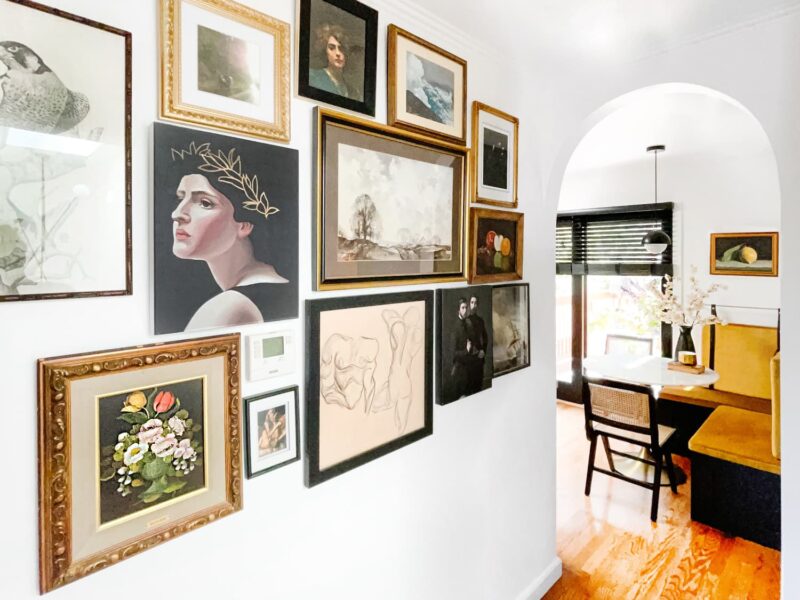
Simple lighting care tips:
- Keep art out of direct sunlight whenever possible
- Choose LED lighting rather than halogen
- Use curtains or blinds in rooms with strong daylight
- Rotate delicate works occasionally to reduce exposure
Humidity and Temperature ─ Enemies of Artwork
Even though humidity is invisible, you can often see its effects on art. Paper ripples, wooden frames swell, and canvas tightens or loosens depending on moisture in the air. Very dry air can create cracking. Extremely humid air encourages mold. Balance is what protects your pieces most effectively.
Ideal Conditions for Caring for Art at Home
After the heading, it helps to think in realistic home terms instead of perfect museum control. You do not need professional climate technology to protect what you love. Normal, moderate living conditions usually work well if they remain consistent. Try to avoid placing artworks in bathrooms, above active radiators, or in kitchens where steam or heat constantly shifts. If you live in a humid climate, a small dehumidifier can be more protective than people realize.
|
Factor |
Recommended Range |
| Temperature | Around 18 to 22°C |
| Humidity | Around 40 to 55 percent |
| Placement | Away from kitchens, bathrooms, and heat sources |
Keeping things within these general ranges helps art remain comfortable, stable, and far less likely to deteriorate over time.
Important fact ─ Paper, canvas, and wood are always quietly “breathing,” absorbing and releasing moisture. Stability is far healthier than perfection.
Cleaning Art at Home Without Causing Harm
Cleaning sounds harmless, but many artworks are damaged by well-intentioned dusting. Gentle is always better than thorough. Most of the time, minimal cleaning is the best cleaning strategy.
Safe and Practical Cleaning Habits
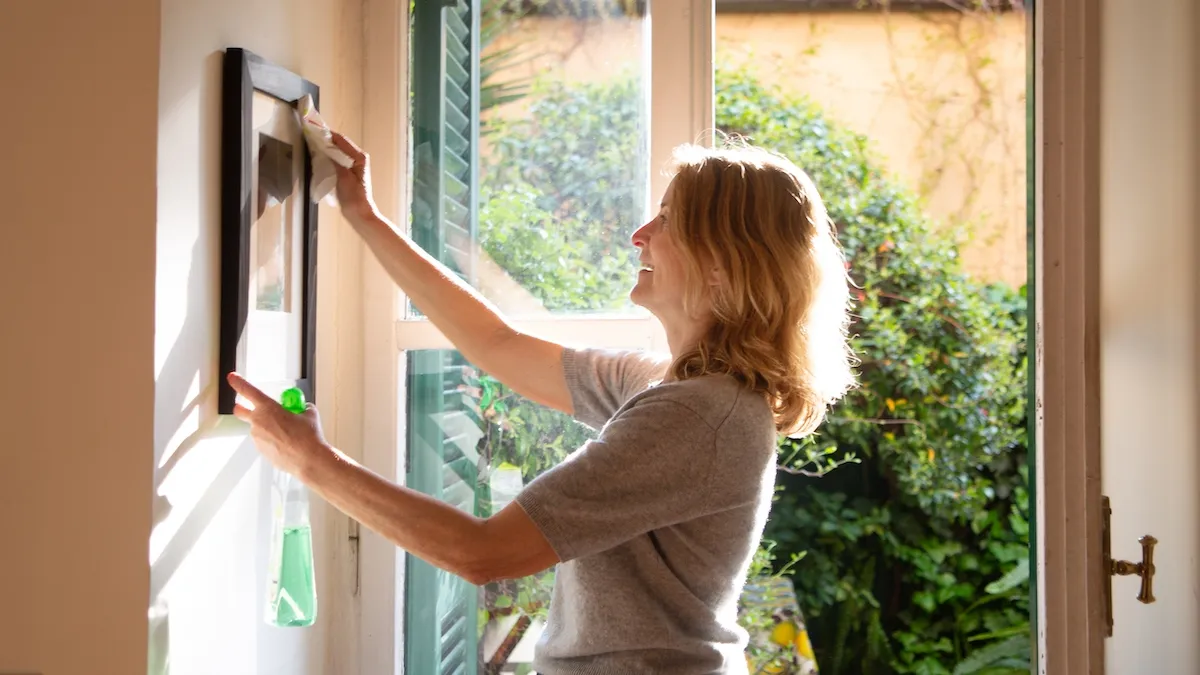
Focus on preventing buildup rather than trying to restore something that is already dirty. A soft microfiber cloth or feather duster works well for most framed or glass-protected pieces. Never spray cleaner near art. Liquids can seep into paper, loosen paint layers, or damage frames.
If something spills or sticks, resist the urge to fix it aggressively. Professional conservators exist for a reason, and sometimes calling them is the most protective choice you can make.
Helpful cleaning guidelines:
- Dust lightly without pressing on the surface
- Never use household cleaners on artwork
- Avoid touching art with bare hands if possible
- Seek professional help if damage appears
Frames, Protection, and Placement Choices
Where you place art determines how safe it will be. A beautiful hallway with gentle light is very different from a bright sunny wall or a humid laundry space. The frame also plays a huge role in protection. Frames are not just decoration. They form a shield.
Practical Placement and Framing Advice
Choose stable walls away from vibrations, doors, or areas where people constantly brush against the artwork. Glass or acrylic protection helps with dust, insects, and accidental splashes while UV-protective materials reduce long-term light damage. Secure hanging hardware matters too. Art feels safer, and frankly, you feel more relaxed knowing it is not at risk of crashing down.
Where art feels safest at home:
- Walls with consistent light
- Areas away from moisture sources
- Spaces without extreme temperature shifts
- Rooms where it is less likely to be bumped
Small Habits Create Big Protection
Sometimes it is not one big mistake that harms art. It is hundreds of little exposures over years. Simple awareness is surprisingly powerful.
Did you know these details actually matter?
- Sunlight damages even through windows over time
- Friction from rough dusting slowly wears pigment
- Cheap frames can trap moisture and encourage mold
- Stable rooms preserve art better than beautiful but harsh ones
Tiny improvements in care can extend the life and beauty of artwork dramatically.
Bringing It All Together
Caring for art at home is not about being strict or nervous. It is about noticing how your home behaves and making kind decisions for the pieces you love. Light, humidity, temperature, frames, and cleaning habits all work together.
When you create a calm, protective environment, art truly thrives. It stays vibrant, stable, and emotionally meaningful instead of slowly fading into tired surfaces.
With a little attentiveness, you are not just decorating your home. You are preserving stories, creativity, and beauty so they continue to feel alive every time you look at them.