


Protein plays a critical role in muscle maintenance, immune support, and tissue repair.
Adequate intake also helps preserve lean body mass during weight loss, making it essential for both health and body composition.
A common problem arises when trying to increase protein intake without raising total calories too much. Many popular protein sources, such as cheese and fatty cuts of meat, contain high amounts of fat and calories.
The goal centers on boosting protein intake while keeping calories controlled and maintaining balanced nutrition.
Choose Lean, Low-Calorie Protein Sources
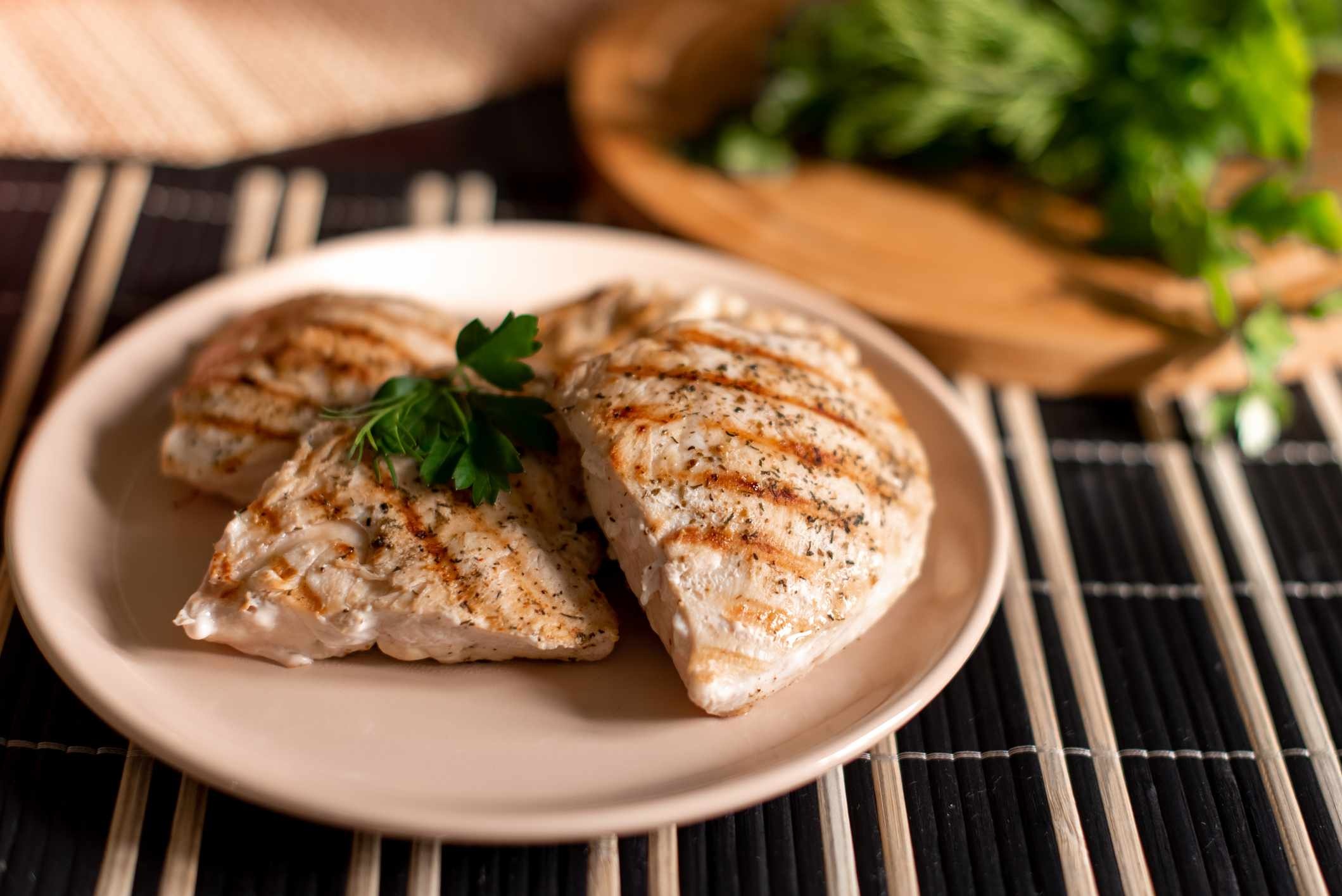
Lean animal proteins provide high protein content with fewer calories and less fat, making them ideal for improving intake without excess energy.
Several options stand out for their efficiency and versatility:
- Skinless chicken or turkey delivers high protein with minimal saturated fat
- White fish such as cod or tilapia provides it with very low calorie density
- Egg whites contain pure protein with no fat, allowing larger portions without increasing calories
Low-fat dairy products also support higher protein intake while keeping calories moderate. Each option offers added nutritional value along with protein:
- Nonfat or low-fat milk supplies protein along with calcium for bone health
- Greek yogurt contains more of it than regular yogurt and helps improve fullness
- Cottage cheese offers a slow-digesting protein source that supports satiety
Plant-based sources contribute protein along with fiber, which supports digestion and helps control hunger.
Common choices include beans, lentils, chickpeas, and soy-based foods such as tofu. Fiber content in these foods adds volume to meals without significantly increasing calories.
Include Protein in Every Meal and Snack
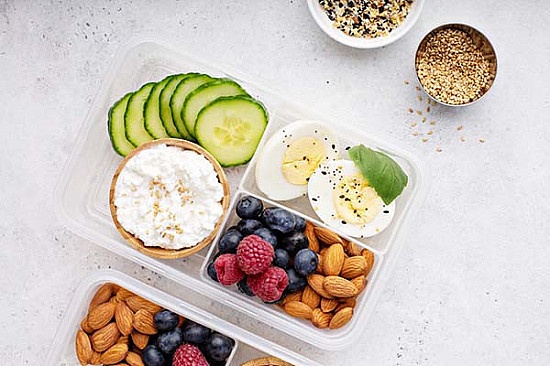
Spreading protein intake across meals supports steady energy levels and allows the body to use protein more efficiently.
Large gaps without protein can reduce satiety and increase hunger later in the day.
Breakfast provides an important opportunity to establish adequate intake early. Options that work well include eggs, Greek yogurt, and protein smoothies.
Starting the day with protein can reduce cravings and improve focus.
Snack choices can also contribute meaningful protein without excess calories. For more ideas, explore these recommended high-protein snacks.
Practical options include:
- String cheese for a quick, portion-controlled option
- Yogurt for a balance of protein and convenience
- Hard-boiled eggs for a portable, high-protein snack
- Nuts in controlled portions to avoid excess calorie intake
Consistent intake throughout the day supports muscle maintenance and helps regulate appetite, reducing the likelihood of overeating.
Use Smart Add-Ons Without Excess Calories
Small additions can meaningfully boost intake of essential nutrients without raising total calories too much when chosen carefully.
Certain ingredients offer concentrated nutritional value with minimal fat, making them practical for everyday meals.
Several simple options can improve meals without changing portion size significantly:
- Add nonfat dry milk powder to soups, cereals, or mashed potatoes to increase nutritional density without adding fat
- Mix egg whites into dishes such as scrambled eggs or oatmeal to raise nutrient content while keeping calories low
- Include beans in salads or pasta dishes to provide added fiber and sustained energy
Each of these additions works well because they integrate easily into common meals without requiring major changes in eating habits.
Attention is needed when using higher-calorie additions. Some ingredients are often seen as healthy but can raise total intake quickly if portions are not controlled.
Examples include:
- Cheese, which contains concentrated fat and calories
- Oils, even in small amounts, due to high calorie density
- Nut butters, which provide nutrients but can add calories rapidly
Portion awareness plays a key role in maintaining balance. Measuring servings and avoiding excessive use helps prevent unintended increases in daily intake.
Careful selection and mindful portions allow meals to become more nutrient-dense while keeping calorie goals intact.
Modify Cooking Methods to Reduce Calories

Cooking techniques can significantly affect total calorie intake, even when using healthy ingredients.
High-fat preparation methods can quickly turn a lean protein into a calorie-dense meal.
Common practices that increase calories include:
- Frying foods in oil
- Using butter-heavy preparation methods
- Adding cream-based sauces
Healthier cooking methods help preserve protein quality while reducing added fats. Baking, broiling, grilling, and steaming allow natural flavors to stand out without unnecessary calories.
Flavor can still be improved without relying on high-calorie ingredients. Simple additions can enhance taste effectively:
- Use broth instead of oil for moisture
- Add herbs and spices for depth of flavor
- Include garlic or citrus for brightness
Adopting these methods supports a high-protein diet while keeping overall calorie intake controlled and consistent.
Replace, Don’t Add (Calorie Substitution Strategy)
Replacing lower-protein, calorie-dense foods works more effectively than adding extra protein on top of existing meals.
Adding without removing often leads to excess calorie intake and slows progress.
Simple substitutions can reshape meals without increasing total calories. Effective swaps include:
- Replace refined grains with legumes such as lentils or chickpeas for added protein and fiber
- Swap snack foods like chips for Greek yogurt or cottage cheese to improve protein intake
Calorie creep often occurs gradually when additional foods are layered into a diet without adjustment. Consistent substitution helps maintain balance and prevents unnoticed increases in daily intake.
That approach supports higher protein consumption while keeping energy intake aligned with goals.
Utilize Protein Supplements Strategically
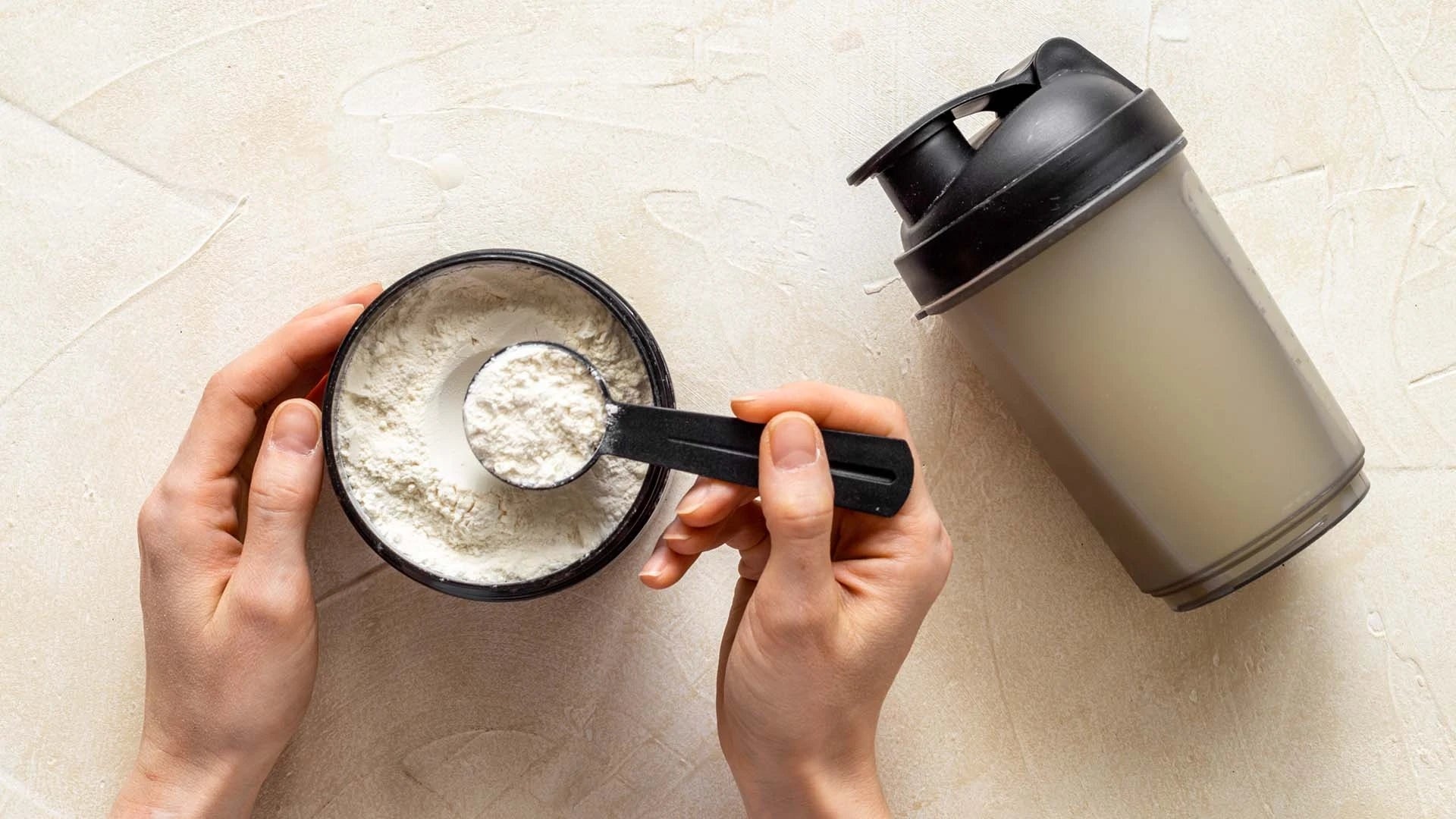
Protein supplements can help fill gaps in intake or provide convenience during busy schedules. Proper selection ensures high content without unnecessary calories.
Different types of supplements offer varying benefits:
- Whey protein isolate contains high protein with lower fat and carbohydrate content
- Plant-based powders such as pea, soy, or rice provide alternatives for those avoiding dairy
Proper use plays a key role in effectiveness. Supplements should replace part of a meal or support intake when food options are limited, rather than adding extra calories on top of a full diet.
Used correctly, supplements provide an efficient method to increase intake while maintaining control over total calorie consumption.
Summary
Increasing protein intake without excess calories requires deliberate food choices and mindful preparation methods.
Prioritizing lean, nutrient-dense protein sources supports better health and weight management.
Spreading protein intake throughout the day helps maintain energy and muscle function. Replacing calorie-dense foods instead of adding more ensures balanced intake.
Following these principles can improve satiety, support muscle maintenance, and help manage body weight effectively.