

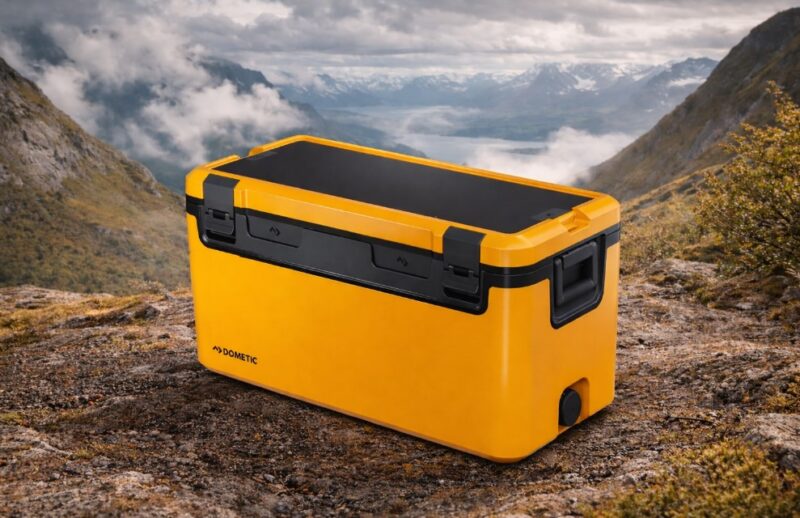
Keeping food and drinks cold is a basic need that comes up in many everyday situations, from travel and outdoor activities to temporary power loss at home. While there are many modern cooling options available, not every environment supports powered solutions. In those moments, simplicity and reliability often matter more than advanced features.
An ice chest remains one of the most dependable cooling solutions for situations where electricity is limited or unavailable. Built around insulation rather than electronics, ice chests are easy to use, portable, and consistent in performance. Their continued use across recreational, professional, and emergency settings shows that a straightforward approach to cooling still solves real problems effectively.
Understanding Ice Chests and Their Practical Uses
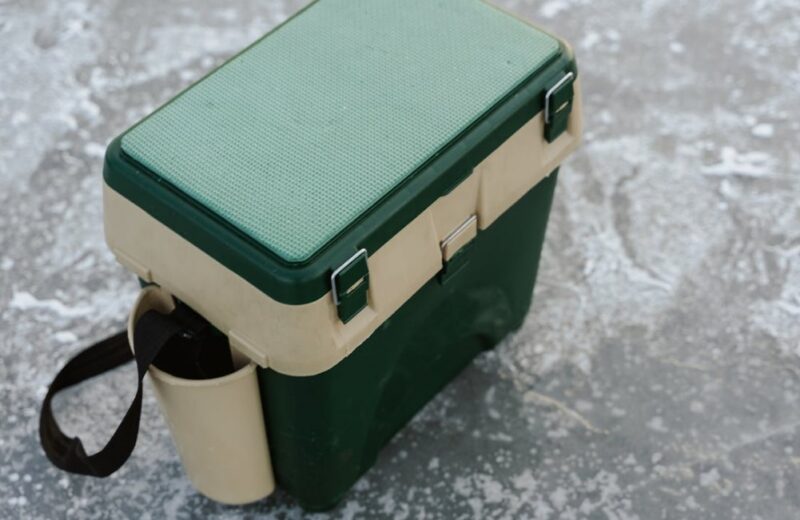
Ice chests are designed as passive cooling containers that rely on insulation to slow heat transfer and maintain low internal temperatures. Their value comes from consistent performance in situations where portability and independence from electricity are essential.
What Defines a High-Performance Ice Chest
The hallmark characteristics of a top-notch ice chest include its capacity to sustain cool inside temperatures for a long time. Insulation quality is paramount; thicker walls and dense foam indeed help to prolong the melting process. The choice of materials for the outer and inner shells is also important since the former can stand up to impact, heat, and UV rays, while the latter keeps the warm air out with tight-sealing lids.
Common Use Cases for Ice Chests
Ice chests are indispensable and versatile tools, being used in numerous practical situations. For example, campers and overlanders depend on them as a means of storing food and drinks for a few days of travel without electricity. Fishermen and boaters do the same in order to keep their catches and drinks cool even in the very hot sun.
Using and Selecting Ice Chests Effectively
Getting the best performance from an ice chest depends as much on selection and handling as it does on insulation quality. Understanding how size, use case, and packing habits interact helps avoid common mistakes that shorten cooling time.
Choosing the Right Ice Chest for Your Needs
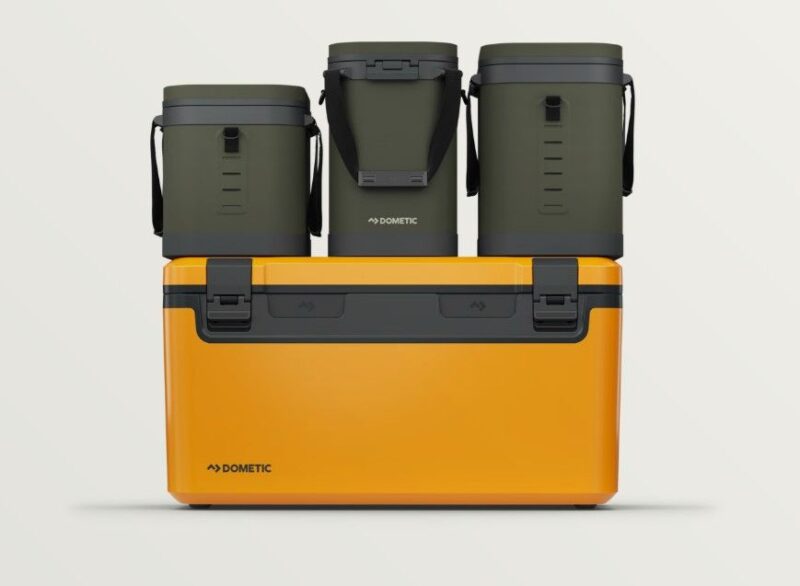
Selecting the right ice chest depends largely on functionality. Smaller models are optimal for day trips or individual use, while larger capacities are better suited for group outings or longer storage periods.
Proper Packing and Ice Management Techniques
How an ice chest is packed plays a very essential role in determining its effectiveness. This can be confirmed by the fact that pre-chilling not only the chest but also the contents will reduce temperature loss right from the beginning.
Ice Types and Their Impact on Cooling Performance
Ice choice plays a bigger role in cooling performance than many people realize. Different ice forms behave differently inside an ice chest, affecting how quickly temperatures drop, how long cold is maintained, and how much water accumulates over time. Choosing the right type of ice is less about preference and more about matching it’s behavior to how the chest will be used.
In practice, the most common ice options perform as follows:
- Cubed ice cools contents quickly due to its large surface area, which makes it useful for short trips or situations where the lid is opened often, but it also melts faster.
- Block ice melts slowly and maintains stable internal temperatures for longer periods, making it better suited for multi-day storage where access is limited.
- Crushed ice increases surface contact and cools rapidly, but it produces meltwater quickly and requires careful moisture management.
Many experienced users combine block and cubed ice to balance fast cooling with long-term temperature stability. This approach reduces guesswork and improves overall performance without increasing it’s usage.
Maintenance and Longevity Considerations
An ice chest performs best and lasts longest when treated as a reusable piece of equipment rather than a disposable container. Regular maintenance helps preserve insulation efficiency, prevents odors, and ensures that seals and hardware continue to function as intended. Small habits after each use make a noticeable difference over time.
Effective care focuses on a few key areas:
- Post-use cleaning removes food residue and meltwater that can cause lingering smells or bacterial growth.
- Thorough drying before storage prevents moisture from settling into seams, corners, and insulation layers.
- Seal and hinge inspection helps catch wear early, since even minor gaps can reduce cooling performance.
- Proper storage positioning, with the lid slightly open, allows airflow and minimizes trapped humidity.
These steps require no special tools or products, yet they significantly extend the usable life of an ice chest and help it perform consistently season after season.
Conclusion
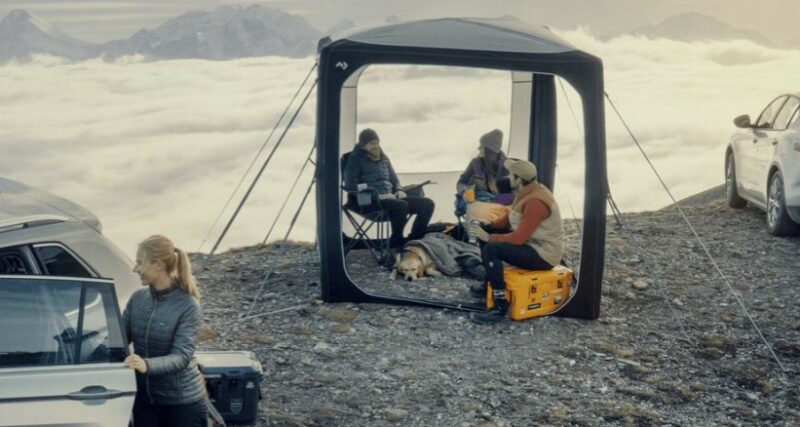
Ice chests continue to serve a clear purpose because they solve cooling problems in a straightforward and dependable way. Their effectiveness comes from insulation quality, proper sizing, thoughtful selection, and consistent handling rather than from complex features. When chosen and used with intention, an ice chest provides predictable performance across a wide range of everyday and outdoor situations. This balance of simplicity, reliability, and adaptability explains why it remains relevant even as powered cooling options become more common.
Frequently Asked Questions
1. How long can a cooler keep its contents cold in the absence of power?
The length of time that a well-insulated cooler can keep its contents cold ranges from one day to several days, based on factors such as the quality of insulation, the amount of ice, the temperature of the surrounding area, and the frequency of lid opening.
2. Is the cooling performance impacted by the removal of meltwater?
The melting water can be drained to avoid the food from getting soggy, but it is said that keeping the meltwater may contribute to the cooling effect by ensuring that the ice and the contents are in contact.
3. Can an ice chest be used safely for storing raw food?
Raw food can be stored safely if it is sealed properly and kept at a consistent low temperature. Using separate containers and minimizing lid openings helps reduce contamination risk and temperature fluctuations.