

Most drivers do not realize how quickly the clock starts ticking after a DWI arrest. One Texas transportation survey found that nearly half of first time offenders had no idea their license could be suspended before any court conviction.
It is a moment that creates confusion because the administrative track begins its countdown long before the criminal case moves forward. Understanding how this separate system handles testing refusals and failures helps make sense of the way a DWI license suspension can take effect almost immediately.
The administrative process can feel rushed, but it becomes far more manageable once you understand how hearings and timelines actually function.
Why License Suspension Happens Before The Criminal Case
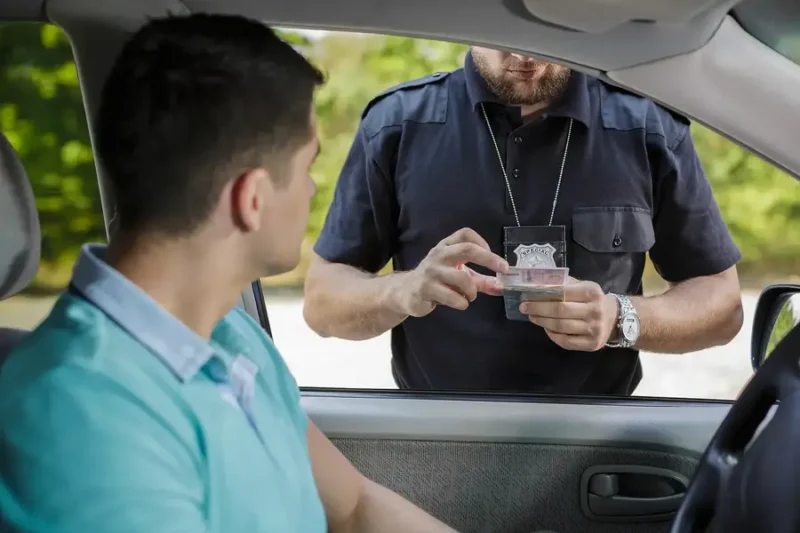
People often wonder why the state can take action against a license without waiting for the court to decide guilt. The answer sits in Texas’s administrative framework. The ALR process focuses solely on whether a person refused or failed chemical testing. It operates independently from the criminal charge and uses a much lower burden of proof.
This separation creates two tracks moving at once. On the administrative side, DPS evaluates testing records and arrest procedures to determine whether a DWI license suspension is justified. On the criminal side, prosecutors handle the actual charge. Drivers who recognize the difference early are much more prepared for the deadlines that follow.
Did you know? The ALR process was introduced in the 1990s to reduce alcohol related crashes by ensuring quick consequences for refusals and failures.
Requesting The ALR Hearing And Why Timing Is Everything

Before going deeper into strategies, there is one universal rule: the ALR hearing must be requested within 15 days of receiving the Notice of Suspension. Miss that window and DPS automatically activates the DWI license suspension, often lasting months.
Some people feel overwhelmed at this stage, which is why many lean on trusted defense lawyers when filing the request. The filing itself is straightforward, but the precision matters. An attorney ensures the notice date is calculated correctly and that proper documentation reaches DPS on time. This support gives you a structured starting point before the hearing date is set.
Below are the most common missteps people make:
- Assuming the criminal court date pauses the ALR timeline
- Ignoring the notice because it arrives while still dealing with the arrest
- Missing the deadline due to incorrect mailing assumptions
These mistakes are avoidable once the administrative side is understood.
What Actually Happens In An ALR Hearing

An ALR hearing is more focused than people expect. It is not about guilt or innocence relating to the DWI. Instead, the administrative judge examines very specific questions tied to the legality of the stop and the testing process. This structure gives drivers room to challenge weak or improperly documented evidence.
| Core Question | What DPS Must Show |
| Was the stop lawful | Reasonable suspicion or probable cause |
| Did the officer follow procedures | Proper warnings and documentation |
| Was there a refusal or failure | Verified test results or documented refusal |
This narrowed focus benefits both sides. Drivers get the opportunity to challenge inconsistencies. DPS gets a standardized framework for evaluating the potential DWI license suspension. The hearing is recorded, and the transcript can later support the criminal defense if procedural gaps appear.
Evidence That Often Influences The Judge’s Decision
Although ALR hearings move quickly, the decision is shaped by concrete pieces of evidence. Drivers should expect the arresting officer’s report, the breath or blood test record, and any refusal forms. When inconsistencies appear between these documents, the judge may question whether DPS met its burden.
Below are the elements that frequently sway outcomes:
- Errors in the statutory warnings given during the arrest
- Disconnects between the narrative report and the test results
- Chain of custody issues for blood samples
- Missing signatures or improperly formatted refusal documents
Each detail creates an opportunity to contest the DWI license suspension, which is why these hearings demand precise preparation rather than broad arguments.
What Suspension Lengths Usually Look Like
Understanding the potential suspension period helps drivers plan ahead. Below is a simplified reference table that outlines typical durations. Actual outcomes vary depending on prior history and test refusal.
| Scenario | Typical Suspension Period |
| First offense refusal | 180 days |
| First offense failure | 90 days |
| Second refusal | 2 years |
| Second failure | 1 year |
These durations reflect the administrative side only. The criminal court can impose additional terms if a conviction occurs. The more a person understands these timelines, the easier it is to manage transportation needs while navigating both processes.
A short note worth remembering: reinstatement fees and SR 22 insurance requirements often apply even when the suspension period ends.
When A Temporary License Is Available

Many people panic when they hear the word suspension, but the temporary license system gives some breathing room. If the ALR hearing is requested within the deadline, the initial 40 day temporary permit may continue until the judge issues a decision. This allows you to keep driving legally while the case unfolds.
The benefits include:
- Ability to maintain employment
- Avoiding gaps in daily responsibilities
- More time to prepare a strong administrative defense
This option does not eliminate the risk of a DWI license suspension, but it stabilizes the interim period and prevents sudden transportation problems.
What Happens If You Miss The 15 Day Deadline
Missing the hearing request deadline activates the suspension automatically. At that point, only limited pathways remain, and most do not reverse the DPS decision. Some drivers qualify for occupational licenses, but these require strict limitations, insurance filings, and court orders.
In practice, missing the deadline removes the opportunity to challenge the suspension. That is why experienced practitioners stress urgency during the first two weeks. The administrative system is rigid by design, and the state set these timelines so that drivers respond quickly to the process.
Important definition: An occupational license is a restricted permit allowing driving for essential needs such as work or school. It is not a substitute for a full reversal of administrative action.
Preparing For The Hearing: A Practical Checklist
Even with strong evidence, organization matters. Drivers who prepare thoroughly are better positioned to highlight procedural issues and request officer testimony if needed.
Here is a useful checklist:
- Confirm the notice date and verify that the hearing request was filed correctly
- Review all officer reports for inconsistencies
- Examine test documentation for procedural gaps
- Prepare questions highlighting unclear or incomplete information
This approach gives purpose to the hearing and creates a roadmap for contesting the DWI license suspension. Preparation transforms a stressful appointment into a structured advocacy opportunity.
ALR Outcomes And What Each One Means
After the hearing concludes, the administrative judge issues a written decision. The outcomes are straightforward. Either the suspension is upheld or it is dismissed. If upheld, DPS activates the suspension starting from a specific date. If dismissed, your license remains valid unless the criminal court later determines otherwise.
Understanding the difference matters. An ALR dismissal does not guarantee freedom from future consequences, but it preserves your driving privileges during the criminal case. Many drivers feel a sense of relief when the administrative burden is lifted, even temporarily.
Did you know? A dismissal at the ALR stage can later strengthen plea negotiations because procedural weaknesses become part of the record.
Putting It All Together

A DWI license suspension sets off a fast moving administrative process that surprises many people who have never dealt with the system before.
Once you understand the 15 day deadline, the purpose of the ALR hearing, the role of evidence, and the typical suspension periods, the experience becomes more manageable.
The administrative track may feel technical, but it gives drivers a meaningful chance to challenge testing procedures and officer actions.
With preparation, organization, and timely action, you can approach the ALR system with far more confidence and protect your driving privileges while the criminal case develops.