

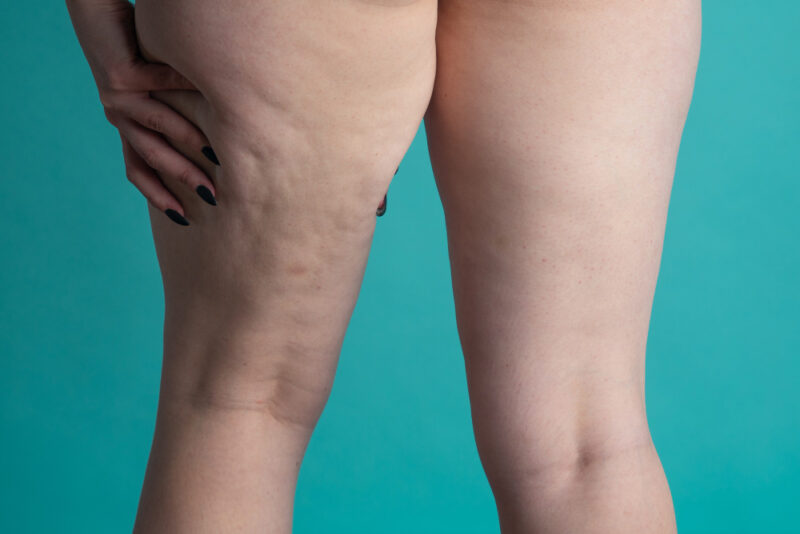
Many people live for years with painful leg swelling, easy bruising, and a sense that their body does not respond to diet or exercise the way it should, without ever being given a clear explanation.
Lipedema is estimated to affect millions of women worldwide, yet it remains widely misunderstood and often misdiagnosed.
If you have ever wondered why fat seems to accumulate symmetrically on the legs or arms while the rest of the body changes, this guide is designed to help you recognize what may be happening and what can be done about it.
What lipedema actually is and why it is often missed
Lipedema is a chronic condition involving an abnormal buildup of fat tissue, most commonly in the legs and sometimes the arms, while sparing the hands and feet. It is not caused by lifestyle choices, and it does not behave like typical weight gain. One of the reasons lipedema is frequently missed is that it can resemble obesity or lymphedema at first glance, especially in early stages.
The fat tissue affected by lipedema is biologically different. It tends to be painful, sensitive to touch, and resistant to traditional weight loss methods. Hormonal changes such as puberty, pregnancy, or menopause often trigger its onset or progression, which adds to the confusion during diagnosis.
Key features that differentiate lipedema include:
- Symmetrical fat distribution on both legs or arms
- Disproportion between upper and lower body
- Minimal response to calorie restriction or exercise
Once lipedema is clearly identified, the focus often shifts toward care that addresses the condition as a medical problem rather than a cosmetic one. This matters because treating lipedema fat requires techniques that minimize trauma to already vulnerable lymphatic tissue and account for chronic inflammation.
Clinics with dedicated experience in this area, such as Contoura Medical London, approach lipedema reduction with that medical context in mind, integrating specialist procedures into a broader plan aimed at pain reduction, improved mobility, and long term symptom control rather than surface level reshaping.
Early signs and symptoms that deserve attention
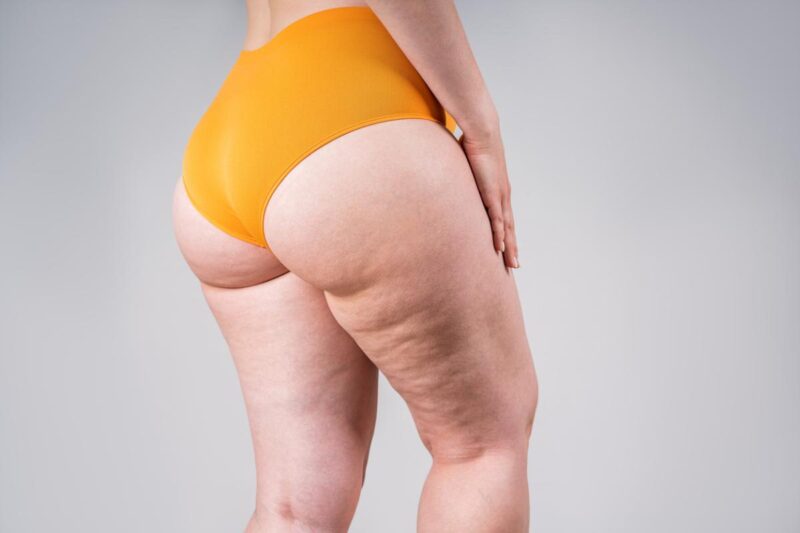
In its early stages, lipedema can feel subtle and easy to dismiss. Many people describe a constant heaviness in the legs, tenderness when pressure is applied, or frequent unexplained bruising. Swelling may worsen throughout the day, particularly after standing or sitting for long periods, but the feet usually remain unaffected.
As the condition progresses, the texture of the skin may change. Small nodules or a grainy feeling under the skin can develop, making the tissue feel uneven. Pain can range from mild discomfort to persistent aching that interferes with daily activities.
Common early symptoms include:
- Leg pain that feels out of proportion to visible swelling
- Easy bruising without clear injury
- A sensation of heaviness or fatigue in the limbs
- Increased sensitivity to pressure or touch
Recognizing these signs early can make a meaningful difference in managing progression.
How lipedema progresses through stages
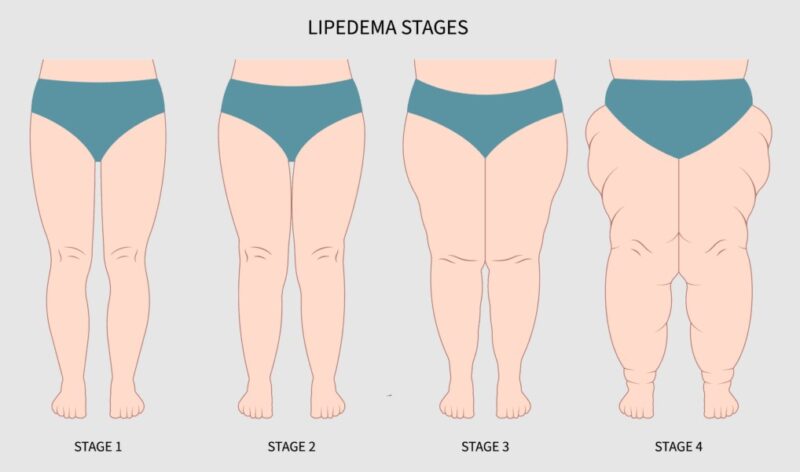
Lipedema is generally described in stages, which reflect changes in fat distribution and tissue structure rather than a simple timeline. Understanding these stages helps explain why symptoms vary so widely between individuals.
In early stages, the skin surface appears smooth, but the fat layer underneath is already abnormal. Over time, the fat becomes more fibrotic, and the skin surface may develop indentations or folds. In advanced stages, mobility can be affected, and secondary lymphatic issues may develop.
A simplified overview looks like this:
|
Stage |
Tissue Changes |
Common Effects |
| Stage 1 | Smooth skin, soft nodules | Pain, bruising |
| Stage 2 | Uneven skin, larger nodules | Increased swelling |
| Stage 3 | Large folds, hardened tissue | Mobility challenges |
This progression is not inevitable, but it highlights the importance of timely intervention.
Why lipedema is not the same as obesity or lymphedema
One of the most frustrating experiences for people with lipedema is being told to simply lose weight. While body weight can change, lipedema fat behaves differently. It is hormonally influenced, inflammatory, and metabolically resistant. Even significant weight loss often leaves the affected areas unchanged.
Lymphedema, on the other hand, involves fluid buildup due to lymphatic dysfunction and usually affects the feet and hands. Lipedema may coexist with lymphedema in later stages, but they are distinct conditions with different treatment approaches.
Important distinctions include:
- Lipedema fat is painful, obesity-related fat usually is not
- Feet are typically spared in lipedema
- Compression alone does not resolve lipedema fat
Did you know? Lipedema was first medically described in the 1940s, yet it is still absent from many standard medical textbooks and training programs.
Getting an accurate diagnosis from the right specialist
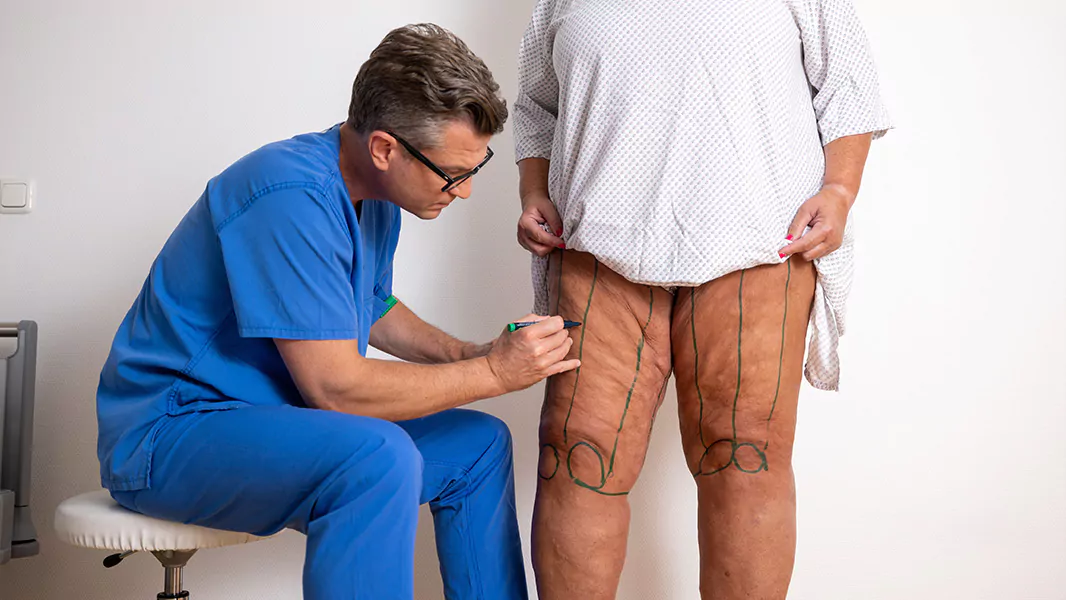
There is no single blood test or scan that definitively diagnoses lipedema. Diagnosis relies heavily on clinical evaluation by a specialist familiar with the condition. This typically includes a detailed medical history, physical examination, and ruling out other causes of swelling or fat distribution.
Because awareness varies widely among healthcare providers, many patients see multiple doctors before receiving an accurate diagnosis. Specialists in vascular medicine, plastic surgery with lipedema experience, or lymphatic disorders are often best equipped to identify it correctly.
When seeking evaluation, it helps to note:
- When symptoms first appeared
- Hormonal events linked to symptom changes
- Family history of similar body patterns
Clear documentation can support a more confident diagnosis.
What recovery and long term management look like
Recovery from specialist lipedema treatment is a gradual process rather than a quick fix. Swelling, bruising, and temporary discomfort are expected, and compression remains essential during healing. Most patients report gradual improvements in pain, mobility, and limb heaviness over months rather than weeks.
Long term management does not end with treatment. Lipedema is a chronic condition, and ongoing care helps maintain results and prevent progression. Regular follow up, continued compression when advised, and attention to hormonal or inflammatory triggers all play a role.
Long term considerations often include:
- Periodic reassessment by a specialist
- Adjustments to compression as body shape changes
- Maintaining supportive movement routines
Sustainable improvement comes from combining treatment with ongoing care.
Living with lipedema and advocating for proper care
Living with lipedema can be emotionally as well as physically challenging. Many people struggle with self blame or feel dismissed when their symptoms are misunderstood. Education and self advocacy are powerful tools in changing that experience. Understanding the condition allows patients to communicate more clearly with healthcare providers and seek appropriate referrals.
Support communities, both local and online, can also play a vital role. Sharing experiences often reduces isolation and provides practical coping strategies that medical settings may overlook. Lipedema care is evolving, and increased awareness continues to improve outcomes.
A few empowering steps include:
- Learning the medical language of lipedema
- Seeking specialists with documented experience
- Connecting with patient support networks
With proper recognition and care, many people find meaningful relief and regain confidence in their bodies and health.