

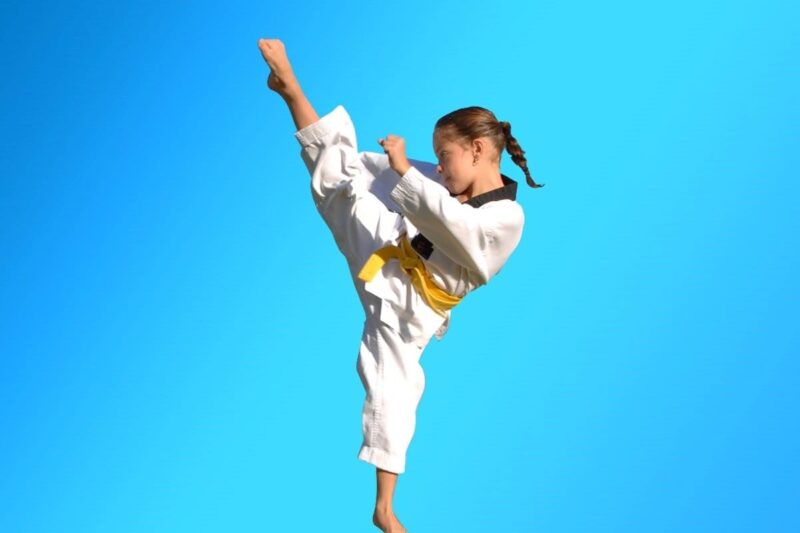
Martial arts have become one of the most popular extracurricular activities for children around the world. More parents are recognizing that disciplines like karate, taekwondo, judo, Brazilian jiu-jitsu, and others offer far more than physical activity—they shape character, confidence, and critical life skills. In a world where kids often spend large amounts of time on screens, martial arts provide a structured and engaging way to stay active, build social skills, and learn responsible behavior.
What Martial Arts Teach Children Beyond Movement
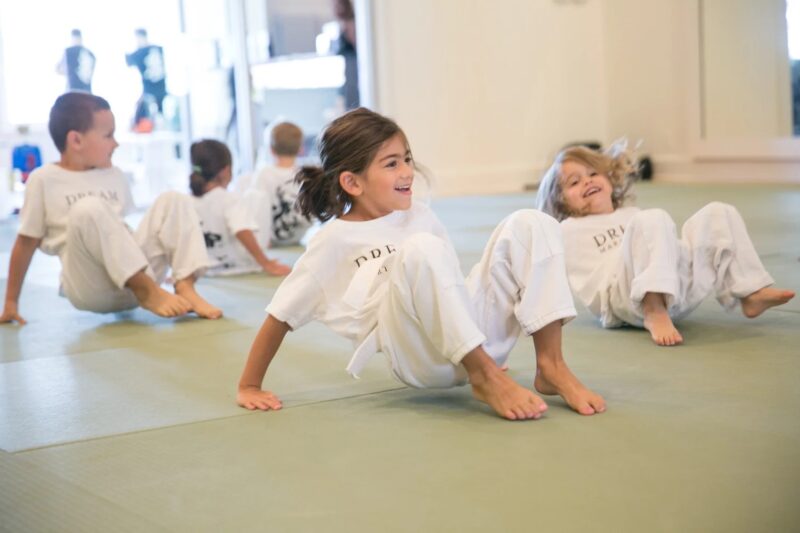
Martial arts for kids are often misunderstood as simply kicking and punching, but that’s only the starting point. Training introduces children to discipline, focus, respect, and perseverance—qualities that help them face challenges both on and off the mat.
Beyond developing physical strength and agility, young students learn self-control, how to listen carefully to instruction, and respect for others. These skills translate directly into behavior at school, in social situations, and at home.
If you’re researching after-school activities that combine structure, personal growth, and community, consider options like Spark Membership which offers resources and support for families exploring enrichment opportunities. This kind of membership can help parents find quality programs and make informed decisions about the best fit for their child’s interests and personality.
Key Life Skills Built Through Martial Arts
- Enhanced focus and attention on tasks
- Improved patience and following directions
- Stronger self-esteem and confidence
- Respect for peers and authority figures
- Goal-setting and perseverance in practice and life
These attributes are often what parents appreciate most alongside physical benefits.
Physical and Cognitive Benefits of Martial Arts for Kids
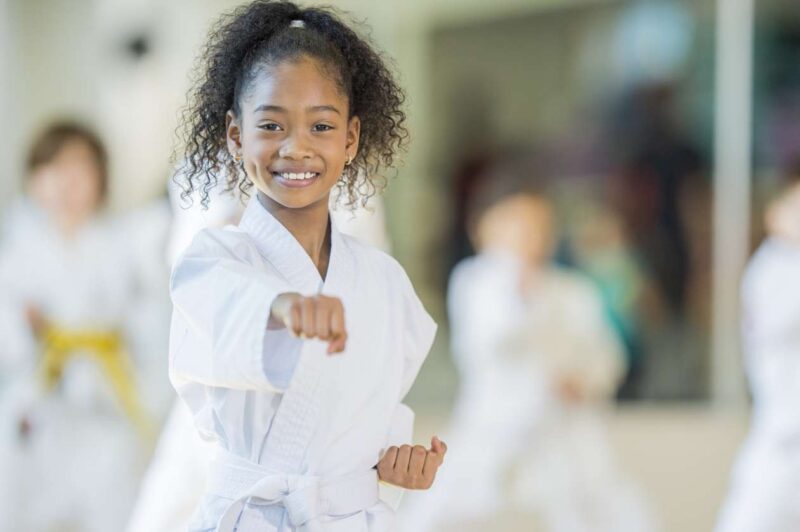
Martial arts training isn’t just good for physical health—research shows it positively impacts cognitive development and motor skills too. When children practice martial arts consistently, they tend to improve in areas like balance, agility, strength, coordination, and flexibility. This is especially true during childhood when bodies and minds are rapidly developing.
Table: Physical and Cognitive Development Through Martial Arts
| Development Area | Benefits Children Gain |
| Physical Fitness | Better strength, endurance, coordination, and balance |
| Cognitive Skills | Improved attention, working memory, and decision-making |
| Motor Skill Development | Enhanced body awareness and movement control |
| Mental Resilience | Increased confidence, emotional regulation, and stress coping |
Many parents notice that the structured physical activity helps kids perform better in academic tasks because martial arts emphasizes sustained focus and active listening during class. Cognitive improvements from martial arts have been linked to enhanced attention and inhibitory control in children, which support learning and behavior at school and home.
Safety Considerations: What Every Parent Should Know
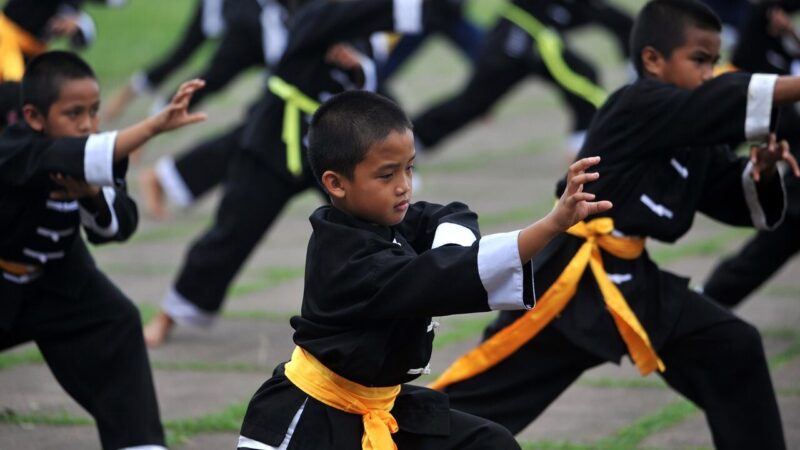
A common concern among parents considering martial arts for their children is safety. Fortunately, when properly taught by qualified instructors in reputable programs, martial arts are very safe for kids.
Classes are structured with age-appropriate techniques and supervised closely to minimize risks. Protective gear is used during contact drills or sparring, and proper warm-ups and stretching are standard practice to prevent injuries.
Training environments for children focus on learning correct movement and technique before attempting more strenuous activities. This is why injury rates in youth martial arts are often lower than those in other popular sports like soccer or basketball when proper safety standards are followed.
Important Safety Note: Martial arts programs designed for kids prioritize non-violent skills and self-control. Instructors emphasize that techniques are for self-defense and personal protection, not for initiating physical confrontations.
Tips to Maximize Safety
- Choose schools with experienced, child-focused instructors
- Ensure protective gear is used correctly during sparring
- Watch classes to observe safety culture and student behavior
- Ask about injury protocols and supervision ratios
Choosing the Right Martial Art Style
Considerations When Choosing a Style
- Your child’s age and attention span
- Physical interests and natural abilities
- Class environment and instructor teaching style
- Program emphasis: fitness, self-defense, or competition
Many programs use a belt system that gives children visible goals to work toward, helping build motivation and a sense of achievement. Watching your child progress through these ranks can be incredibly rewarding for both parent and child.
Martial Arts and Emotional Development
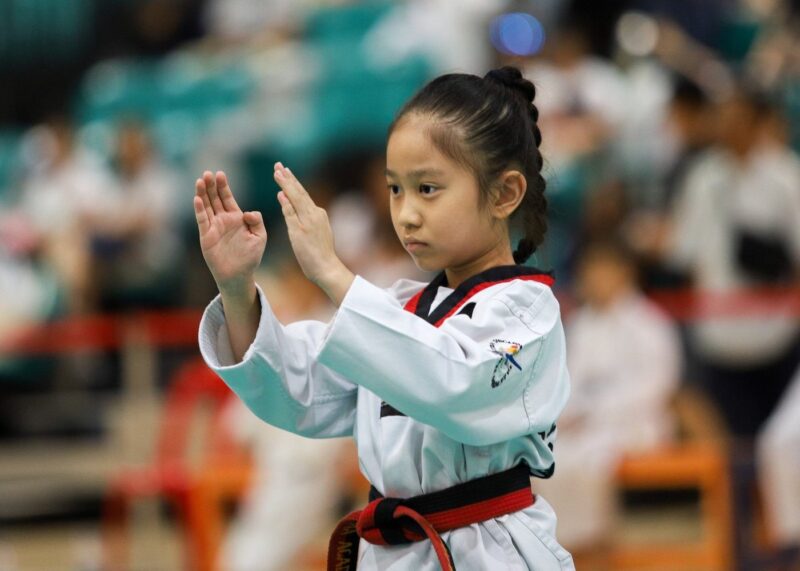
Martial arts do more than shape the body—they nurture emotional intelligence. By learning to manage frustration when mastering difficult techniques, children develop resilience and learn how to persist through challenges. Respect and etiquette taught in classes promote empathy and positive social interactions.
Some research suggests that children who practice martial arts regularly exhibit stronger social skills and emotional regulation, which contributes to better behavior in various settings. This makes martial arts especially helpful for children who might struggle with impulse control or social interactions.
Did You Know?
Studies indicate martial arts training can lead to lower aggression and higher self-discipline in adolescents compared to non-trained peers, suggesting positive effects on behavior beyond physical activity.
When to Start and What to Expect
Parents often ask about the best age for kids to begin martial arts. Some programs accept children as young as three years old, focusing on basic movement and following simple instructions. Most children benefit from starting between ages four and six, when they can engage more consistently with structured learning and group activities.
Early classes balance play with instruction to suit young attention spans, while older kids can handle more technical drills and structured exercise. Whatever their age, children will likely start with a warm-up, basic skills, and simple, fun drills that build confidence and enjoyment.
A Path to Healthy Growth
Martial arts for kids are more than a hobby; they’re a platform for physical health, mental strength, and emotional maturity. Through consistent practice, children learn to move confidently, think clearly, manage their emotions, and respect themselves and others. With the right program, safety measures, and supportive instruction, martial arts can be one of the most enriching activities in a child’s life—shaping habits that last well into adulthood.
If you’re considering this journey for your child, start by visiting local schools, observing classes, and asking questions about teaching philosophy and safety protocols. The right environment will inspire growth, confidence, and a love of learning that goes far beyond the training floor.