

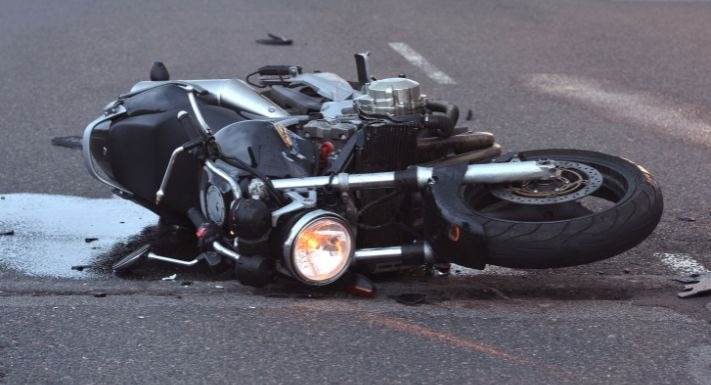
A question that keeps coming up in accident statistics is this: why do motorcycle riders make up a small share of road users, yet face a disproportionate share of blame after crashes?
According to traffic safety data, riders are far more likely to suffer serious injuries, yet they are also more likely to be perceived as reckless by default. If you ride, you have probably felt it, the sideways looks, the assumptions, the subtle judgment. Even if you do not ride, you have likely heard phrases like “they were probably speeding.”
This article takes a closer look at whether motorcycle riders are treated unfairly after an accident, where that bias comes from, and how it affects real outcomes like insurance claims, police reports, and legal cases.
Where the perception problem begins
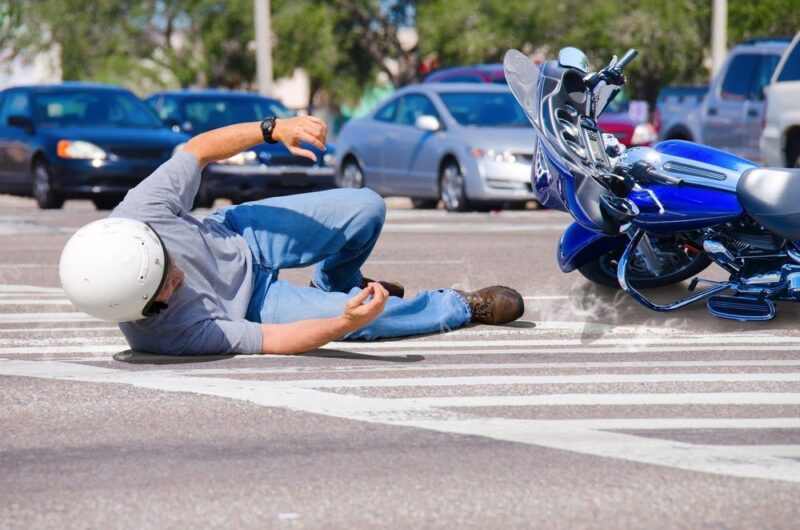
Public perception of motorcycle riders did not appear out of nowhere. For decades, movies, headlines, and even advertising have painted riders as thrill seekers who live on the edge. That image sticks, especially after an accident when emotions are high and facts are incomplete. Police officers, witnesses, and insurance adjusters are all human, and humans rely on mental shortcuts.
These assumptions often show up immediately after a crash, before evidence is fully reviewed. Riders may be described as speeding without proof, or accused of lane splitting even in states where it is legal or irrelevant to the crash.
Common assumptions riders face include:
- The rider was going too fast, regardless of skid marks or impact angles.
- The motorcycle was hard to see, so the driver could not be at fault.
- Protective gear implies risky behavior rather than safety awareness.
Once these ideas enter the narrative, they are hard to remove later.
Bias in police reports and early documentation
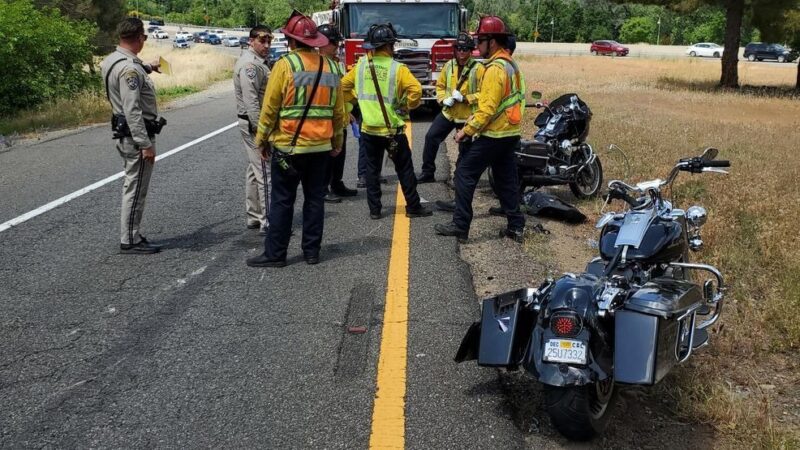
The police report is one of the most influential documents after an accident. It shapes insurance decisions and can steer legal outcomes before a rider ever tells their full story. Subtle wording choices matter more than most people realize.
If an officer writes that a rider “lost control” instead of “was struck by a turning vehicle,” fault perception shifts instantly. This does not always happen intentionally. Sometimes it is based on limited witness statements or assumptions about motorcycles.
This is where early legal guidance matters. Speaking with a Sterling Heights motorcycle accident attorney early can help ensure that inaccuracies or incomplete narratives are challenged before they solidify. Attorneys familiar with motorcycle cases understand how often riders are framed unfairly and know how to counter those assumptions using evidence, scene reconstruction, and expert analysis rather than emotion or stereotypes.
Insurance companies and unequal treatment

Insurance companies present themselves as neutral evaluators, but their business model rewards minimizing payouts. Motorcycle claims are often flagged as high risk from the start, which can trigger closer scrutiny and faster denial strategies.
Adjusters may question injury severity, suggest pre existing conditions, or argue that riding itself is an assumed risk. While risk exists in every form of transportation, riders are often treated as if they accepted fault simply by choosing a motorcycle.
Typical insurance challenges riders face include:
- Delays in claim processing compared to car accidents.
- Requests for excessive documentation.
- Pressure to accept early low settlements.
- Arguments that injuries are exaggerated due to helmet use or gear.
These tactics can wear riders down, especially when medical bills and lost income pile up quickly.
How fault is interpreted differently for riders
Fault determination should be based on evidence, but in practice, interpretation varies. A car driver making a left turn across traffic may claim they “did not see the motorcycle,” which is often accepted as a reasonable explanation rather than negligence.
For riders, visibility becomes a double edged sword. If they are seen, they are accused of speeding. If they are not seen, it is framed as unavoidable. Either way, the rider bears the burden.
Consider how similar actions are judged differently:
| Situation | Car Driver Perception | Motorcycle Rider Perception |
| Sudden braking | Defensive reaction | Overreaction or loss of control |
| Lane positioning | Normal driving | Aggressive riding |
| Speed at impact | Within flow of traffic | Excessive speed |
This imbalance affects everything from citations to settlement negotiations.
The injury paradox riders face
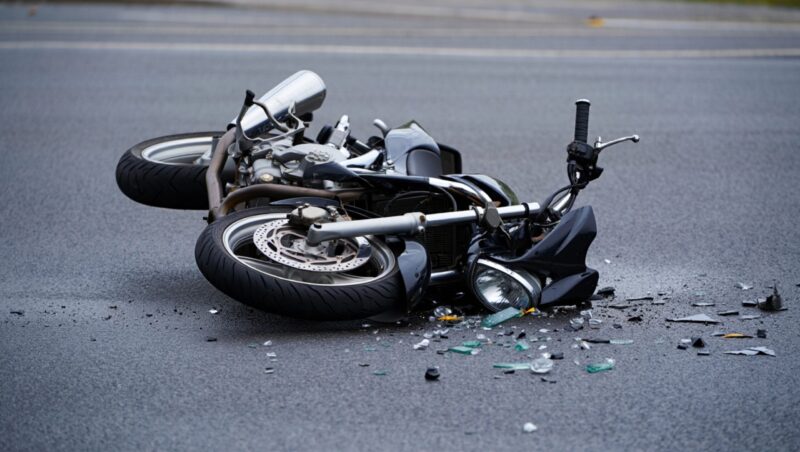
Motorcycle injuries are often more severe because riders lack the physical protection of a vehicle frame. Ironically, this severity can work against them. Severe injuries raise suspicion, leading insurers to dig harder for ways to shift blame.
Motorcycle crashes are more likely to result in serious injury or death due to the lack of external protection, even at lower speeds, compared to passenger vehicles.
This is not a moral judgment, it is physics. Yet riders are sometimes treated as if severity implies recklessness. Broken bones, road rash, or spinal injuries are questioned more aggressively than similar trauma in car crashes.
Medical experts regularly confirm that injury severity does not automatically correlate with fault. Still, riders often have to fight harder to prove that reality.
Media influence and public opinion
News coverage plays a quiet but powerful role. Headlines frequently highlight the presence of a motorcycle rather than the actions of the other driver. “Motorcyclist killed in crash” is far more common than “Driver failed to yield.”
Over time, this framing shapes how jurors, adjusters, and even riders themselves view responsibility. When people repeatedly see riders associated with danger, they internalize it.
Did you know? Studies on media framing show that when headlines emphasize the victim rather than the cause, audiences are more likely to assign blame to the victim, even subconsciously.
This makes fair treatment harder long before a case ever reaches a courtroom.
When riders are treated fairly
Despite these challenges, fairness is possible and does happen, especially when evidence is clear and properly presented. Dash cams, traffic cameras, helmet cams, and accident reconstruction reports can neutralize bias by replacing assumptions with facts.
Riders who document their injuries, follow medical advice, and avoid early recorded statements without guidance often see better outcomes. Legal representation familiar with motorcycle dynamics also plays a major role.
Fair treatment is more likely when:
- Fault is clearly supported by physical evidence.
- Witness statements are consistent and timely.
- The rider avoids social media commentary.
- The legal strategy addresses bias directly rather than ignoring it.
Preparation shifts the balance.
The psychological toll of being presumed at fault
Beyond financial and legal consequences, unfair treatment carries an emotional cost. Riders often report feeling dismissed, blamed, or not taken seriously during recovery. This compounds trauma and slows healing.
Being injured is hard enough. Being treated as if you caused it adds frustration, anger, and isolation. Many riders hesitate to pursue claims because they expect resistance or judgment.
Acknowledging this psychological layer matters. Fair treatment is not just about money, it is about dignity and accountability. When riders feel heard and supported, outcomes improve across the board.
So, are motorcycle riders treated unfairly after an accident?
In many cases, yes, especially in the early stages. Bias, assumptions, and systemic habits often place riders at a disadvantage before facts are fully examined. That does not mean fairness is impossible, but it usually requires more effort, stronger evidence, and informed advocacy.
The key takeaway is awareness. Riders who understand these dynamics are better prepared to protect themselves legally and emotionally. Fair outcomes depend on shifting the conversation from stereotypes to specifics, from assumptions to proof.
Motorcycle riders deserve the same neutral evaluation as any other road user. When that standard is upheld, accountability becomes clearer, and justice becomes far more attainable.