

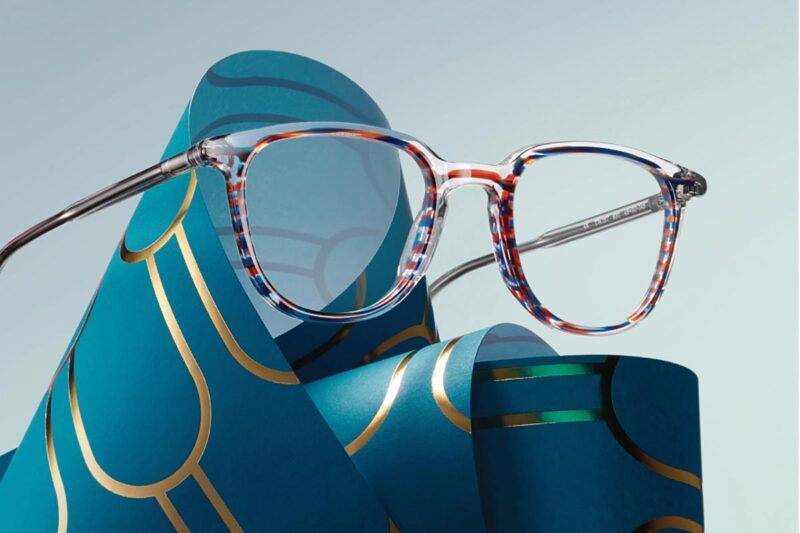
Buying eyewear online used to feel risky. Today, it is the preferred option for millions of people, and not just because of price.
According to recent retail data, more than half of prescription glasses are now purchased online, driven by better sizing tools, clearer lens specifications, and smarter materials.
Still, convenience does not remove the need for informed decisions. Frames sit on your face all day, lenses affect how you see the world, and small sizing mistakes can turn a great deal into daily frustration.
This guide walks through how online eyewear buying actually works in 2026, focusing on sizes, shapes, and materials, so you can shop with confidence rather than guesswork.
Understanding Frame Sizing Before You Buy Online
Frame size is the most common reason people return glasses bought online. Measurements look technical at first, but they describe how the frame fits your face, not abstract numbers.
Most listings include lens width, bridge width, and temple length. Together, these determine comfort, balance, and visual alignment. Checking a pair you already wear is the easiest reference point.
Key sizing elements to focus on include:
- Lens width, which affects how centered your eyes sit behind the lenses
- Bridge width, which determines pressure on the nose
- Temple length, which controls how securely frames stay behind the ears
Online tools now visualize these dimensions on a face model, but numbers still matter. A difference of two millimeters can change how glasses feel after hours of wear.
How Online Retailers Help You Compare Sizes Accurately

In the past, sizing charts felt abstract. In 2026, most serious retailers use comparison-based sizing rather than isolated measurements. This makes it easier to relate new frames to something familiar.
When browsing for glasses online, many platforms now ask what you currently wear or let you upload a photo wearing your own frames which helps scale new options realistically, which is far more useful than guessing from a diagram.
Helpful comparison tools often include:
- Side by side overlays of old and new frame dimensions
- Face mapping that shows lens position relative to pupils
- Fit indicators such as narrow, medium, or wide
These tools do not replace measurements, but they reduce uncertainty. Used together, they make online buying feel far closer to an in-store fitting than it did just a few years ago.
Choosing Frame Shapes That Match Face Structure
Frame shape affects more than style. It influences balance, perceived proportions, and even how thick lenses appear. Online listings usually categorize shapes, but knowing why they work helps narrow choices faster.
Angular frames tend to sharpen softer facial features, while rounded frames soften strong jawlines. Oversized frames can add presence, but they also magnify sizing errors.
Common matching guidelines include:
- Rectangular frames to balance round faces
- Oval frames for square or angular faces
- Cat eye or upswept frames to emphasize cheekbones
- Low profile frames for smaller or narrower faces
These are not rules, but starting points. Online try-on tools help visualize shape, but understanding structure keeps you from relying on visuals alone.
Lens Materials Explained Simply and Clearly
Lens material affects weight, thickness, clarity, and durability. Many buyers focus only on prescription strength, but material choice can matter just as much for daily comfort.
Standard plastic lenses remain popular for mild prescriptions. High index lenses are thinner and lighter, which is especially noticeable for stronger corrections. Polycarbonate lenses prioritize impact resistance and are common for active use.
Here is a simple comparison overview:
|
Material |
Best For |
Key Benefit |
| Standard plastic | Light prescriptions | Affordable and clear |
| Polycarbonate | Active lifestyles | High impact resistance |
| High index | Strong prescriptions | Thinner and lighter |
Choosing the right material improves both appearance and comfort, especially when ordering without trying frames in person.
Frame Materials and How They Affect Comfort
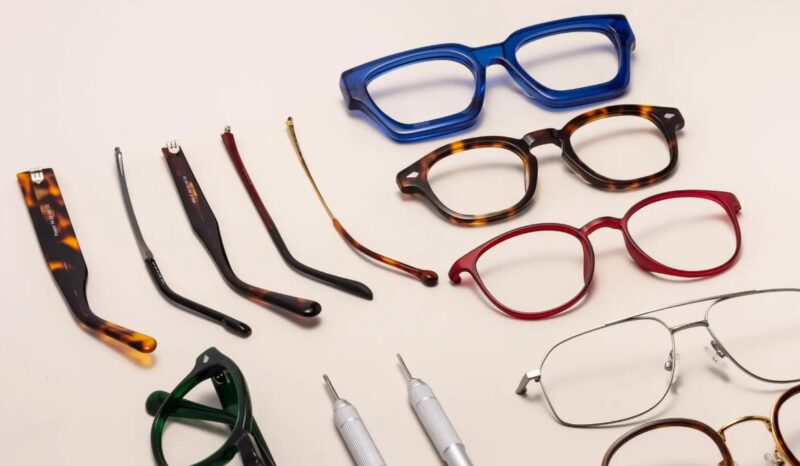
Frame material determines weight, flexibility, durability, and how glasses feel after long wear. In online listings, this detail is often overlooked, yet it shapes daily experience.
Acetate frames offer rich colors and adjustability. Metal frames feel lighter and sleeker but can bend more easily. Titanium has become increasingly popular due to its strength and minimal weight.
When comparing materials, consider:
- Acetate for durability and easy adjustments
- Stainless steel for lightweight everyday wear
- Titanium for strength with minimal pressure
Did you know? Titanium frames are often half the weight of traditional metal frames while offering greater corrosion resistance, making them ideal for people who wear glasses all day.
Understanding Virtual Try On Tools Without Overtrusting Them
Virtual try-on tools have improved dramatically, but they are best used as guidance, not final authority. They show proportion and style, not pressure points or weight distribution.
Lighting, camera angle, and screen size can all affect perception. A frame that looks perfect digitally may feel different in real life, especially around the bridge and temples.
Use virtual try-on to:
- Eliminate shapes that clearly do not suit your face
- Compare frame width visually
- Check lens height relative to eyes
Always cross check visuals with measurements. The strongest results come from combining both, not choosing one over the other.
Prescription Details You Should Double Check Every Time
Errors in prescription entry remain one of the biggest causes of online eyewear dissatisfaction. Small input mistakes can lead to eye strain or blurred vision.
Before submitting an order, review sphere, cylinder, axis, and pupillary distance carefully. Many platforms now flag unlikely combinations, but responsibility still sits with the buyer.
Quick verification checklist:
- Confirm prescription expiration date
- Match left and right eye values carefully
- Ensure pupillary distance is entered correctly
A short pause here saves weeks of returns later. Accuracy matters more online because you do not have an optician correcting mistakes at checkout.
Returns, Adjustments, And Long Term Fit Considerations

Even with perfect preparation, not every pair will work. Understanding return and adjustment policies is part of smart online buying.
Look for retailers that allow free or low cost returns and offer guidance on minor adjustments. Many frames can be adjusted locally even if purchased online.
Practical considerations include:
- Return windows that allow real world testing
- Adjustment guides or local partner opticians
- Clear remake policies for prescription issues
Good policies reduce risk and make online eyewear shopping sustainable rather than stressful.
Final Thoughts
Online eyewear shopping has matured into a practical, reliable option, but success still depends on informed choices. Sizes define comfort, shapes influence balance, and materials affect daily wear far more than most people expect.
Approach the process like a checklist rather than an impulse purchase. Measure, compare, visualize, and verify before ordering. When done thoughtfully, buying glasses online is not just convenient, it often results in better fitting, better looking eyewear than rushed in-store decisions. The tools are there. Using them well makes all the difference.