


Personal injury claims often sound intimidating, especially if you have never dealt with the legal system before. Medical bills arrive quickly, insurance calls feel overwhelming, and the pressure to make the right decisions starts early.
Understanding how a claim actually unfolds, step by step, can remove much of that stress.
This guide explains the full process, starting with the first phone call and ending with the final outcome, so you know what to expect, what matters most, and where common mistakes happen.
The First Call and Why Timing Matters
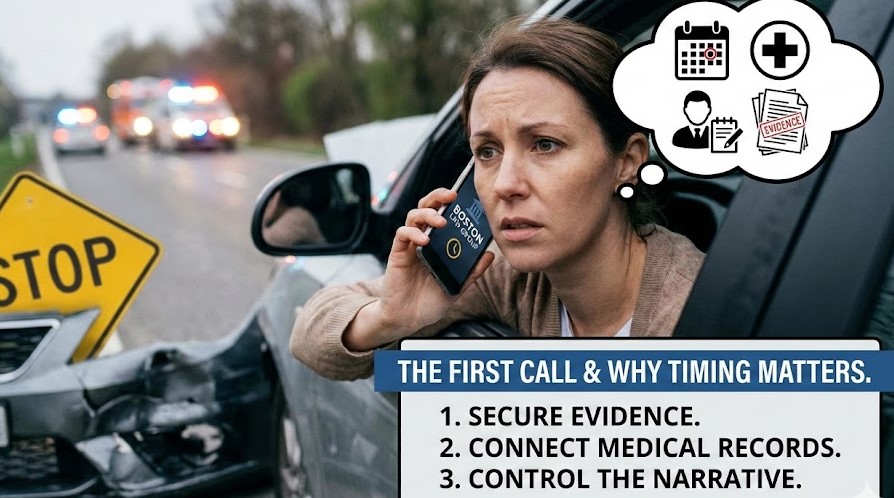
The first call after an accident sets the tone for everything that follows. This initial conversation usually happens with a law office, not an insurance company, and it focuses on facts rather than conclusions. You explain what happened, when it happened, and how you were injured. Early guidance helps prevent mistakes like giving recorded statements or accepting low settlement offers too soon.
Many people choose to speak with an experienced firm such as Boston law group, especially when injuries are serious or liability is unclear. A firm like this can quickly evaluate whether the situation qualifies as a personal injury claim and what steps should come next. Early involvement also allows evidence to be preserved before memories fade or records disappear.
Key reasons timing matters include:
- Accident reports and witness statements are easier to secure early.
- Medical documentation connects injuries clearly to the incident.
- Insurance companies are less likely to control the narrative.
Case Evaluation and Claim Viability
Once the initial call is complete, the next phase focuses on evaluating whether the claim is legally viable. Not every accident leads to compensation, even if injuries are real. Lawyers look at duty of care, breach, causation, and damages. All four elements must be present for a strong personal injury claim.
During this stage, your legal team reviews medical records, photos, police reports, and any available video footage. They also consider insurance coverage limits and potential defendants. This evaluation helps determine realistic expectations, both in terms of timeline and possible compensation.
A clear evaluation protects clients from false hope and wasted time. It also helps prioritize stronger claims and avoid pursuing cases where liability is too weak to justify the emotional and financial investment.
Investigation and Evidence Building

After confirming the claim has merit, the investigation phase begins. This stage is about building a factual foundation that supports your version of events. Evidence gathering is detailed and methodical, often involving outside experts.
Common types of evidence include:
- Medical records and treatment summaries
- Accident scene photos and videos
- Witness interviews and written statements
- Expert opinions from doctors or accident reconstruction specialists
Each piece of evidence strengthens the overall story of the claim. Consistency is critical. Medical records must align with injury descriptions, and timelines must make sense. Small gaps or contradictions can be used by insurers to challenge credibility. A thorough investigation reduces those risks and improves negotiating power later.
Medical Treatment and Documentation

Medical treatment is not just about recovery, it directly affects the value of personal injury claims. Seeking care promptly shows that injuries were serious and accident related. Delays in treatment often become a point of attack for insurance companies.
Documentation matters just as much as treatment itself. Every visit, diagnosis, prescription, and physical therapy session creates a paper trail. This record demonstrates pain levels, recovery time, and long term impact.
Did you know
Gaps in medical treatment are one of the most common reasons insurers dispute injury severity. Even short breaks can raise questions about whether pain was truly ongoing.
Following medical advice consistently strengthens both your health outcome and your legal position. Skipping appointments or stopping treatment early can weaken the claim significantly.
Demand Letters and Settlement Negotiations
Once treatment stabilizes and damages are clear, your lawyer prepares a demand letter. This document outlines liability, injuries, financial losses, and the amount requested for settlement. It is not a casual request, but a structured legal argument backed by evidence.
Settlement negotiations usually follow a predictable pattern. Insurers respond with a lower offer, testing whether the claimant understands the claim’s value. Negotiations may take weeks or months, depending on complexity and willingness to compromise.
A simplified negotiation flow looks like this:
| Stage | Purpose | Outcome |
| Demand Letter | Present full claim value | Opens negotiations |
| Initial Offer | Insurer tests case strength | Often below value |
| Counteroffer | Push toward fair compensation | Narrows the gap |
Strong preparation increases the chance of resolving the claim without litigation.
When a Lawsuit Becomes Necessary

Not all personal injury claims settle through negotiation. If insurers deny liability or refuse fair compensation, filing a lawsuit becomes necessary. This step does not mean the case will automatically go to trial, but it does change leverage.
Filing suit triggers formal discovery. Both sides exchange evidence, take depositions, and question experts under oath. This process often reveals strengths and weaknesses that were not obvious earlier.
Important things to understand about lawsuits:
- Most cases still settle before trial.
- Litigation increases time and costs, but also pressure.
- Court deadlines create structure and accountability.
The decision to litigate is strategic, not emotional. It depends on risk, potential reward, and client goals.
Trial, Resolution, and Final Outcome
If settlement efforts fail, the case proceeds to trial. A judge or jury evaluates evidence, hears testimony, and determines liability and damages. Trials are structured, but outcomes are never guaranteed.
Trials typically involve opening statements, witness testimony, cross examination, and closing arguments. Expert witnesses often play a key role in explaining medical or technical issues in plain language.
A personal injury verdict reflects both legal standards and human judgment. Evidence quality and credibility often matter as much as facts.
After a verdict, compensation may be paid through insurance or enforced through legal mechanisms. Even at this stage, post verdict settlements are possible.
Conclusion
Personal injury claims follow a clear path, even if the experience feels unfamiliar at first. Each stage builds on the previous one, from the initial call to the final resolution. Understanding the process helps you make informed decisions, avoid costly mistakes, and focus on recovery.
With proper guidance and preparation, the system becomes more manageable and outcomes more predictable.